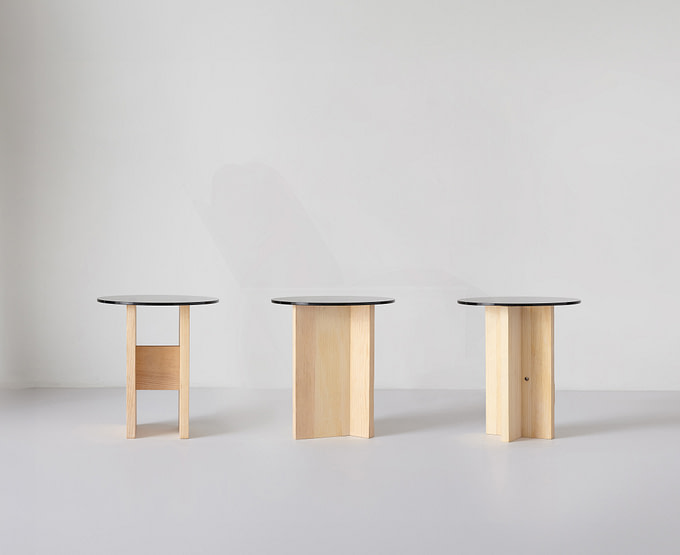
Craft + Process: Living, Breathing Materials
A primer on protecting materials — naturally.
A primer on natural finishes and the life of living materials. This piece sits in dialogue with our Living Materials and With Age Studies series, and with the standards outlined in Kalon’s Material Standards.
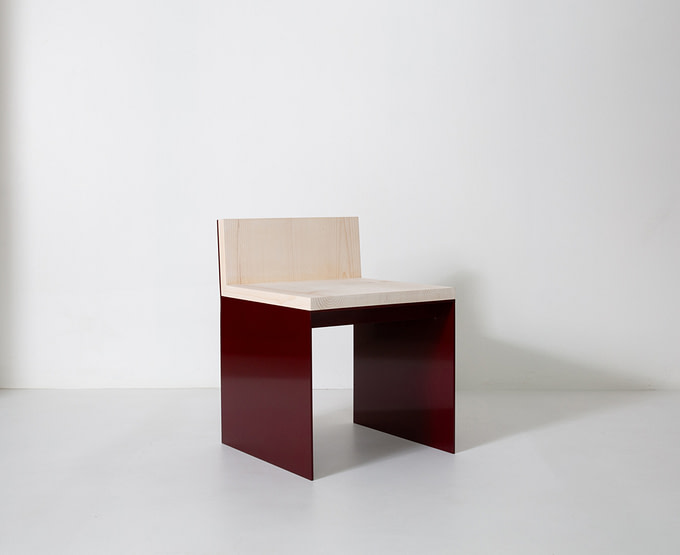
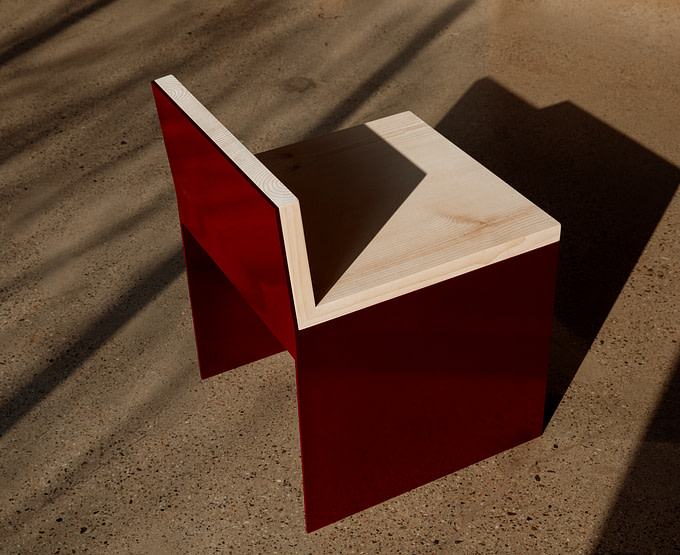
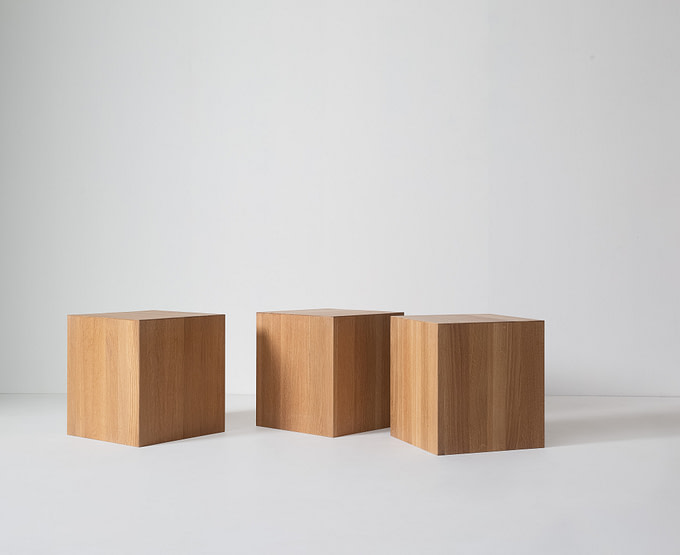
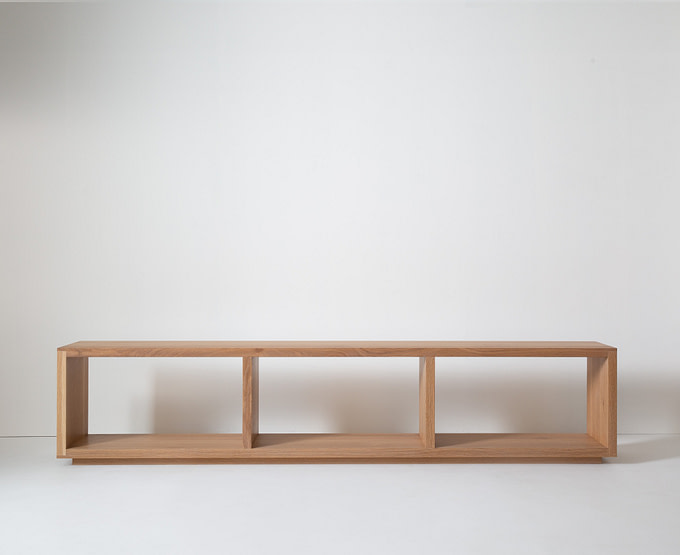
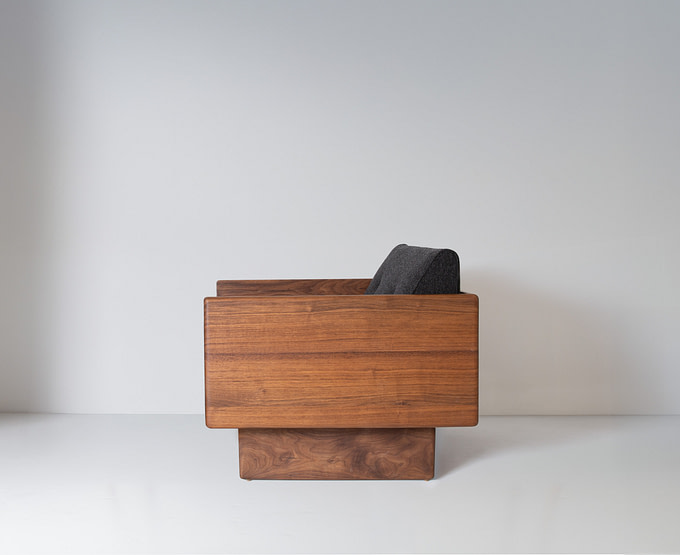
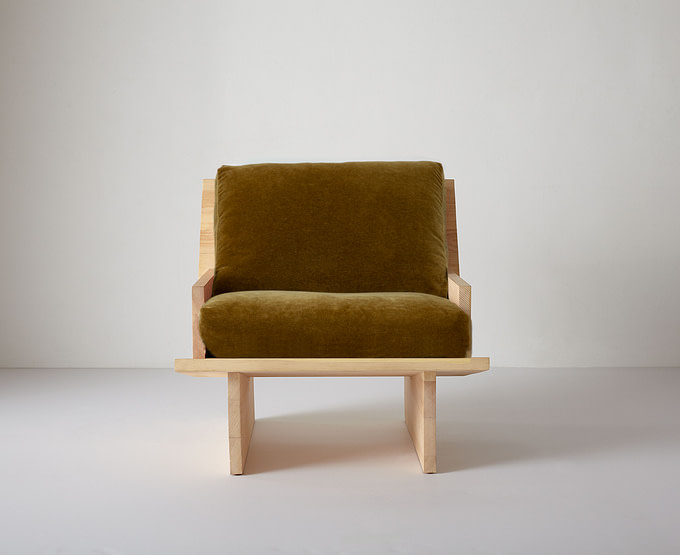
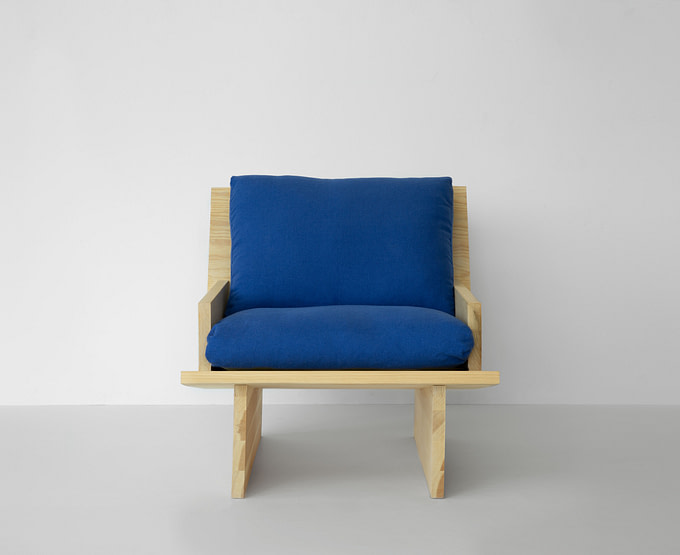
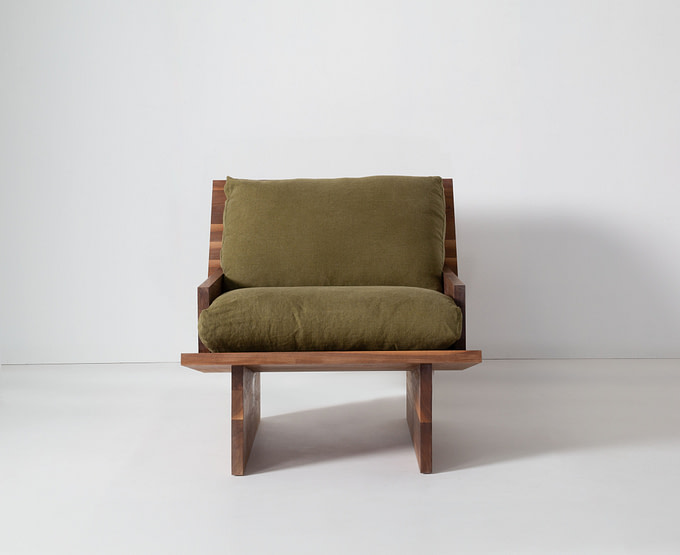
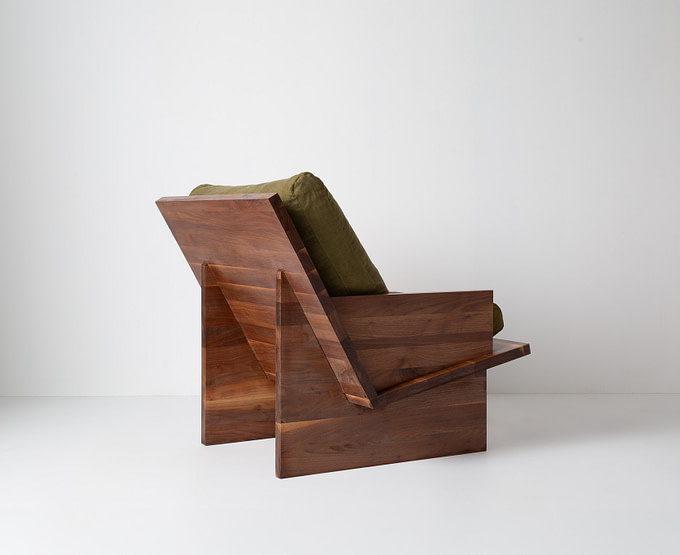
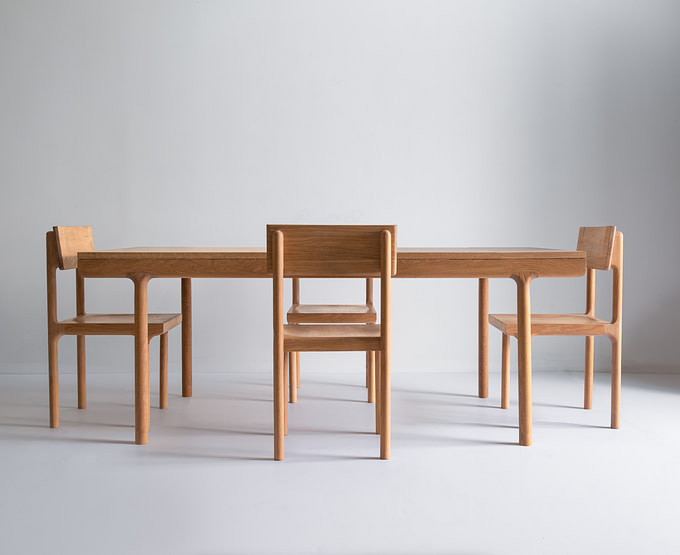
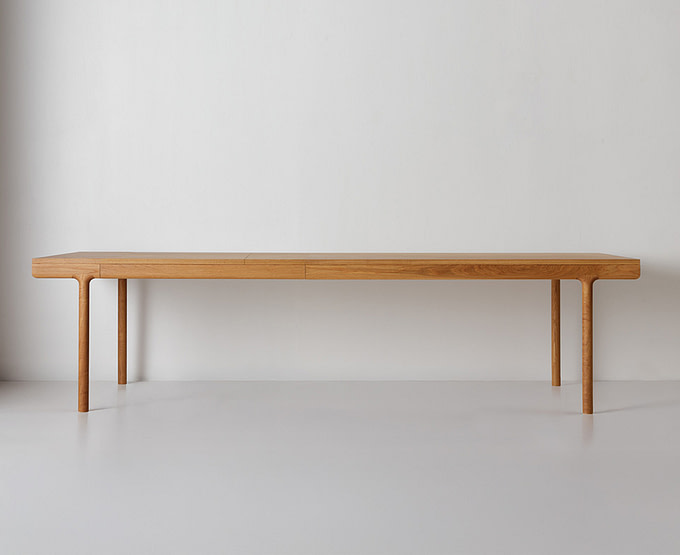
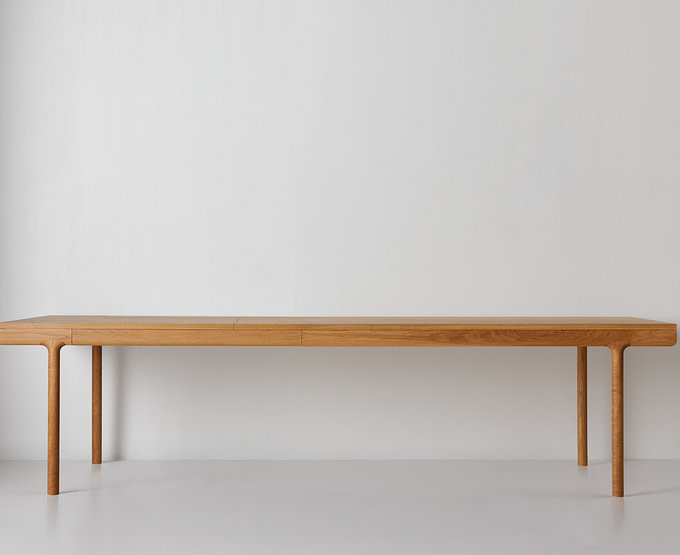
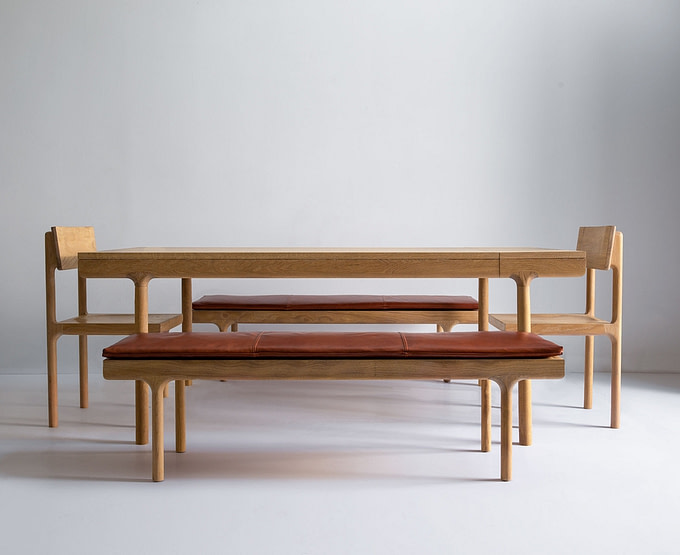
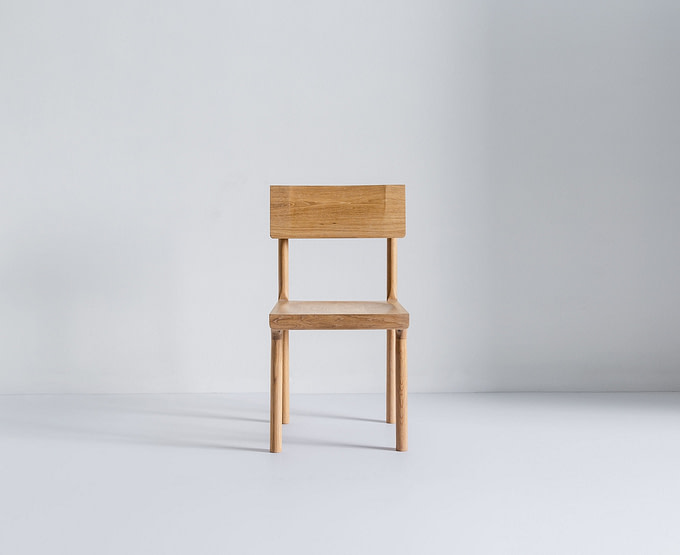
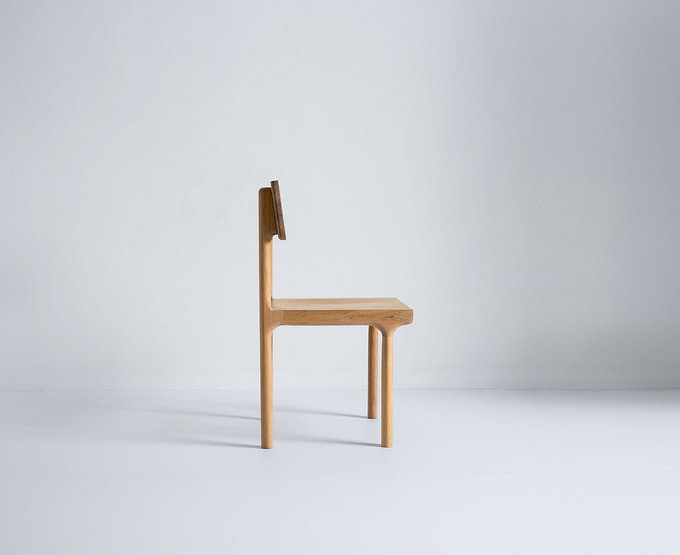
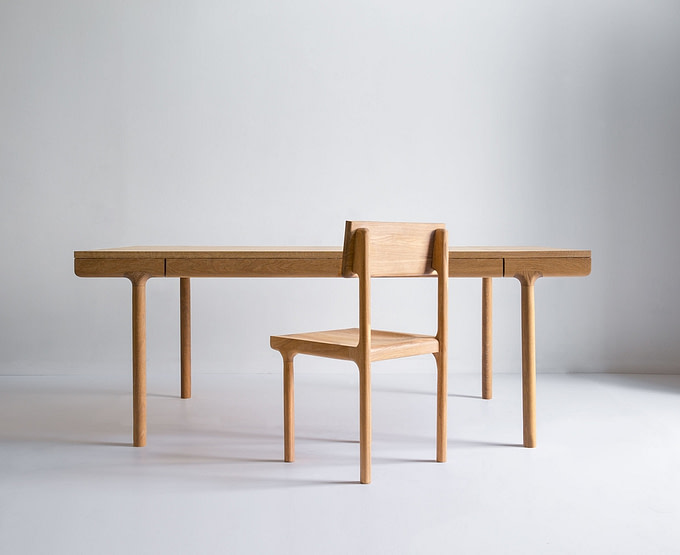
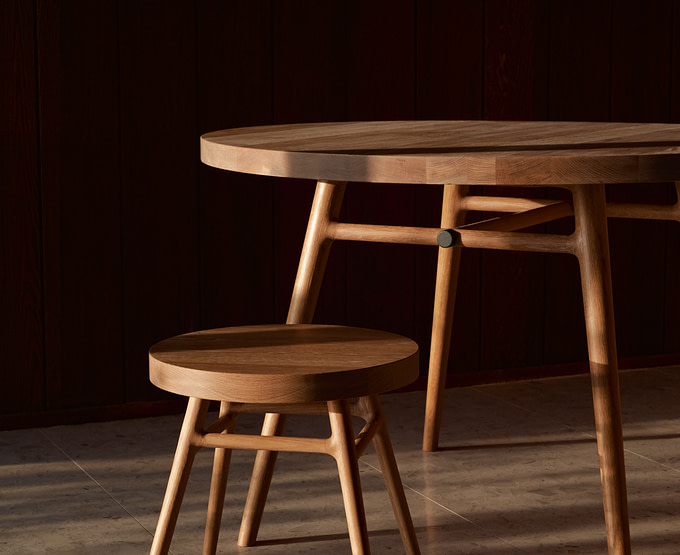
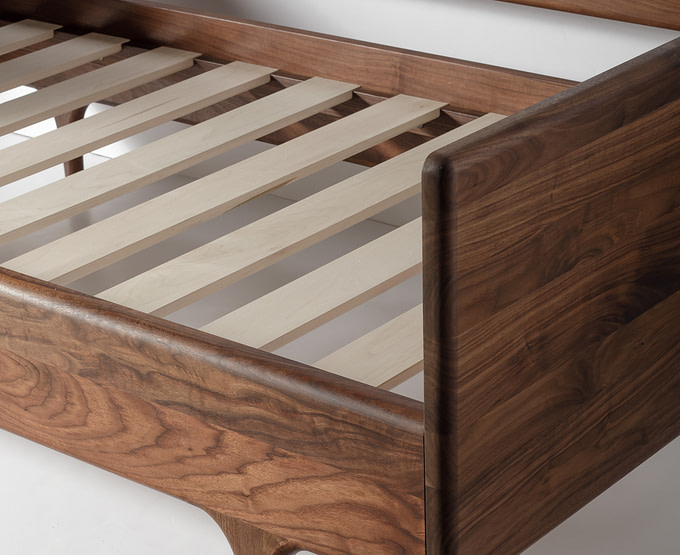
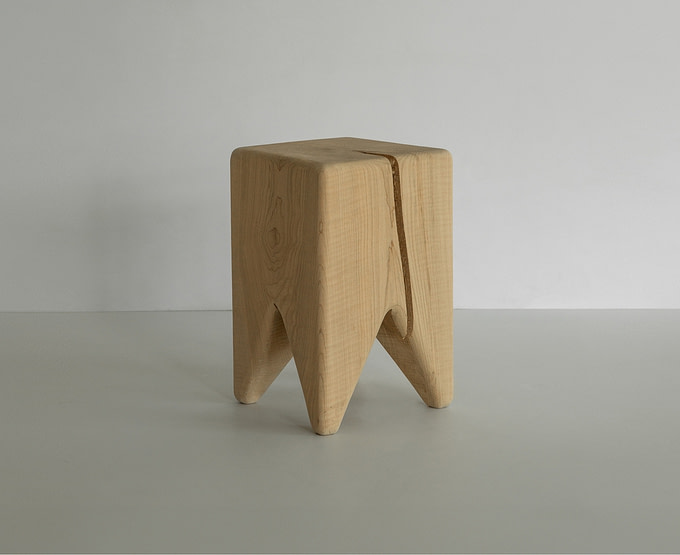
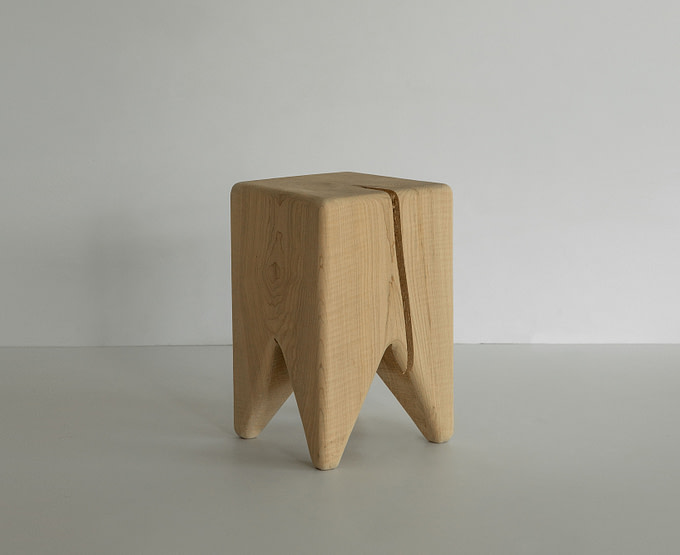
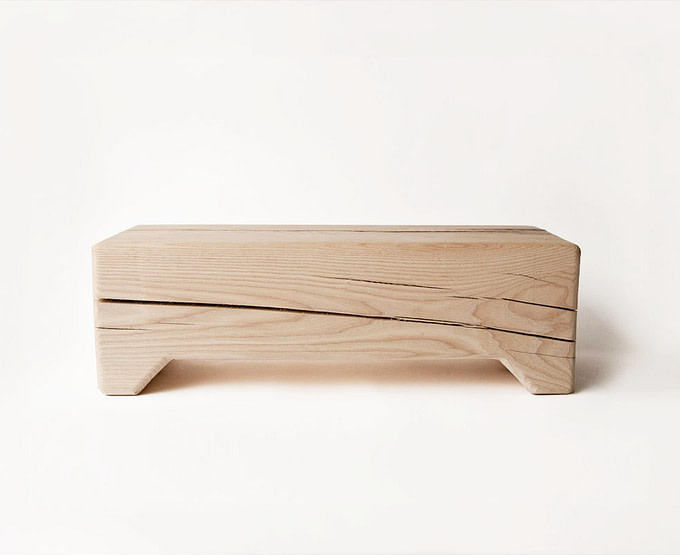
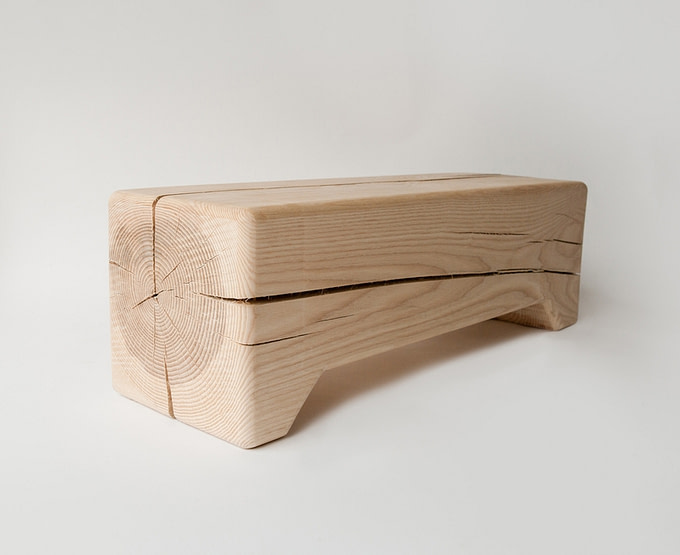
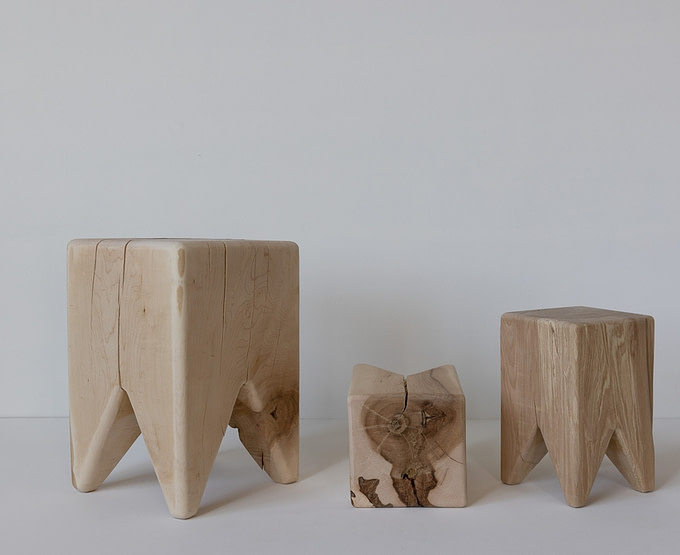
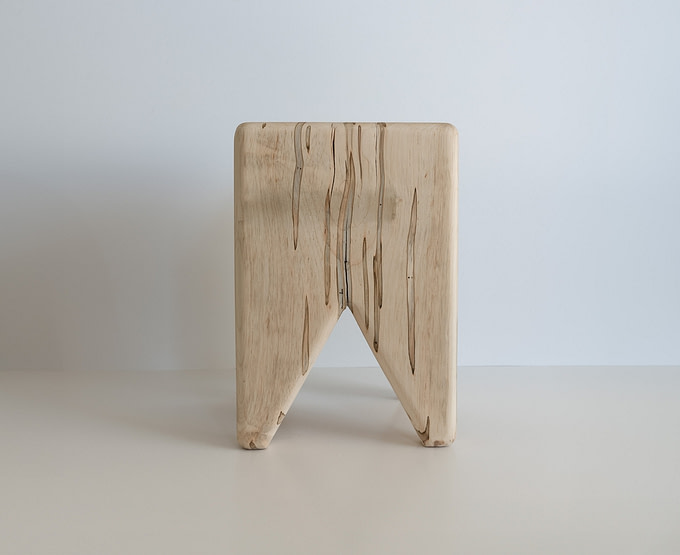
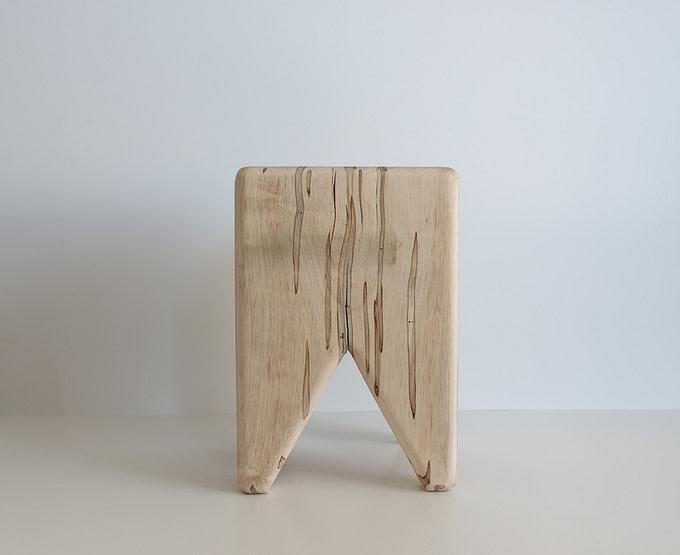
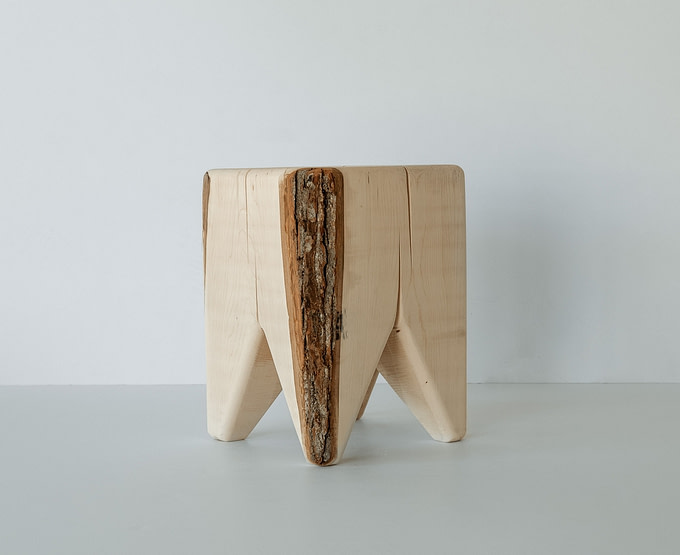
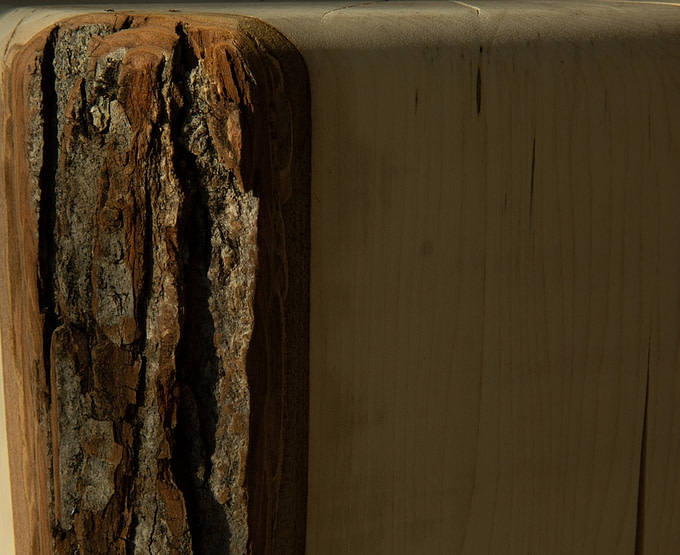
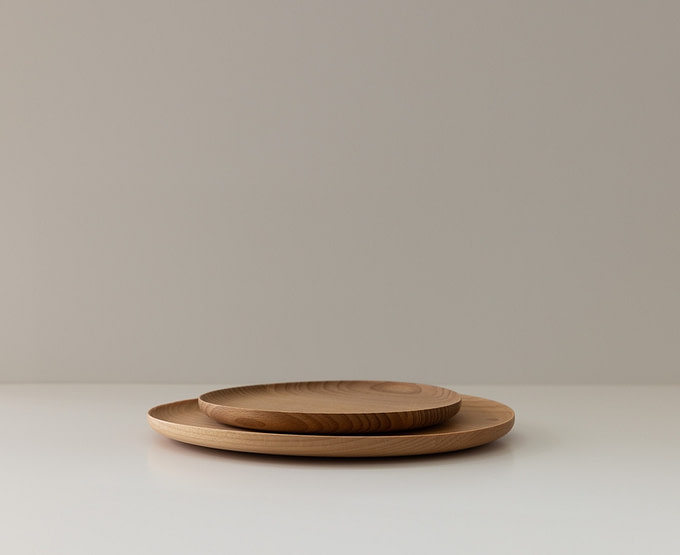
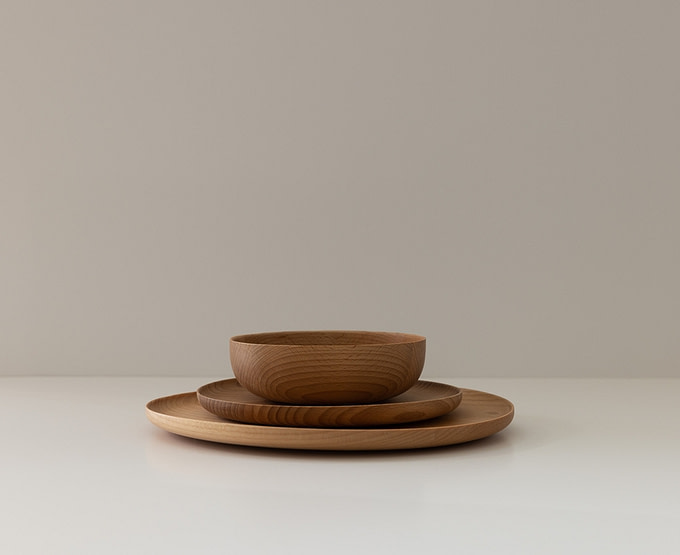
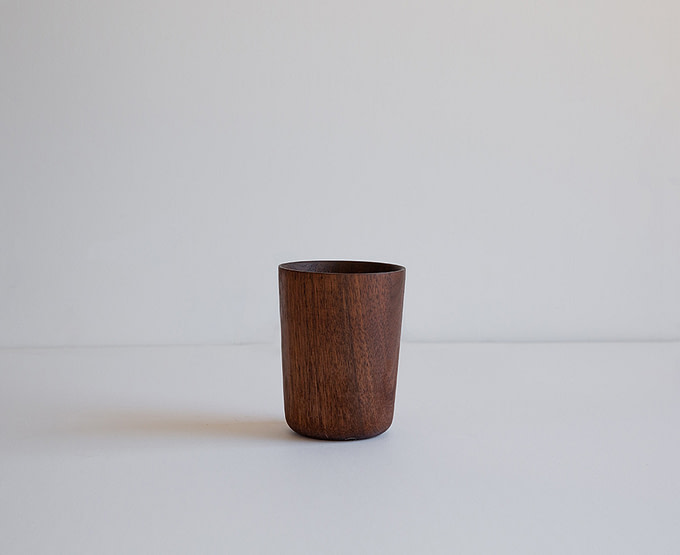
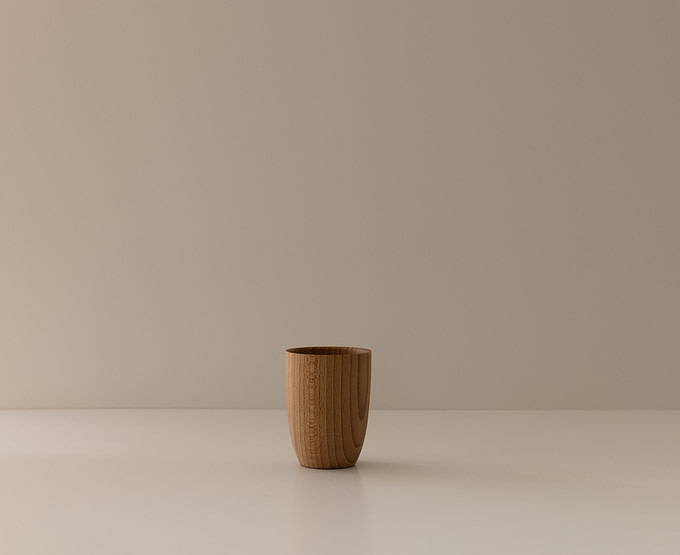
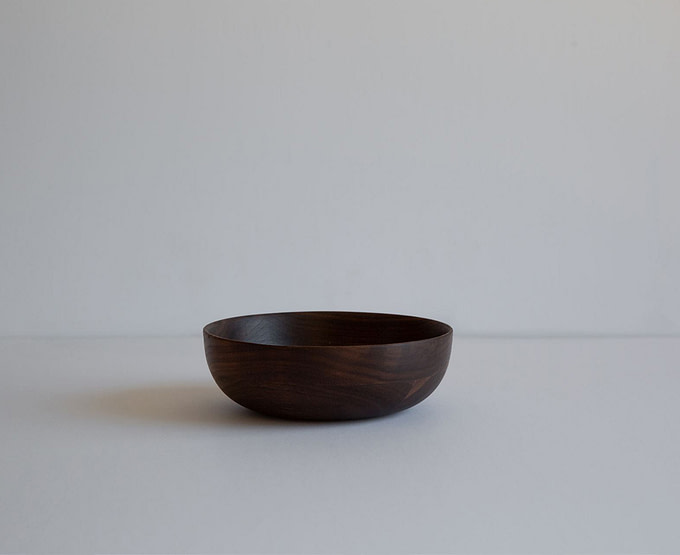
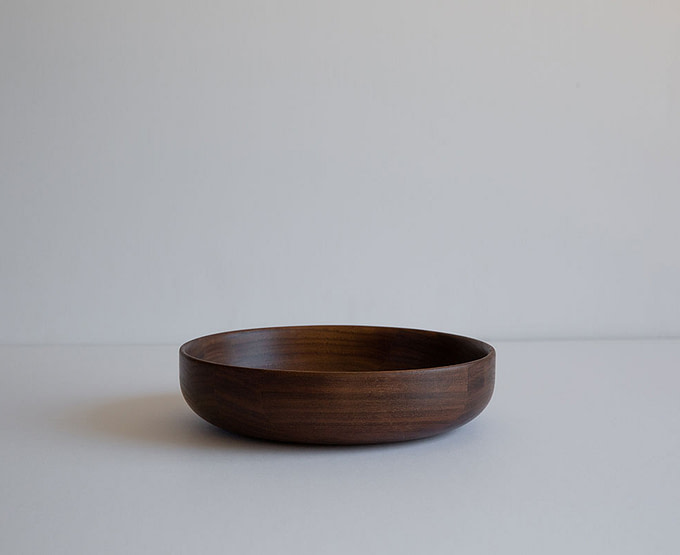
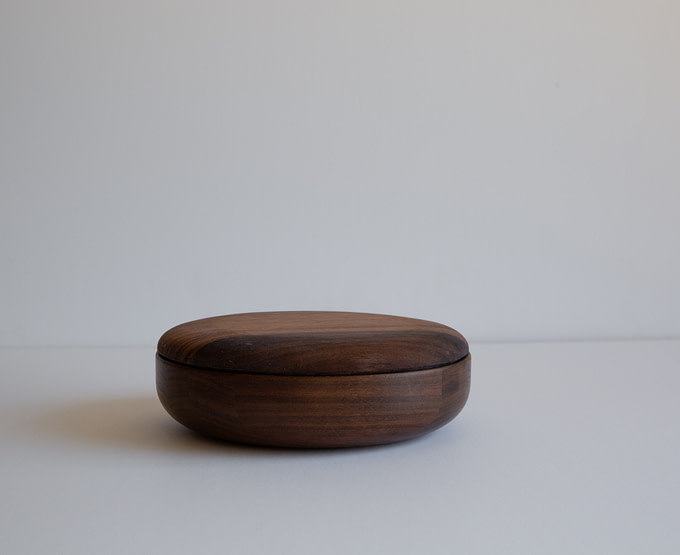
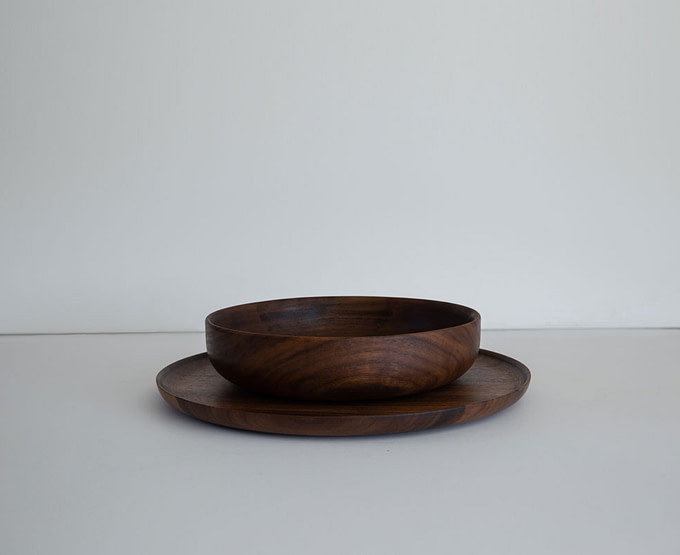
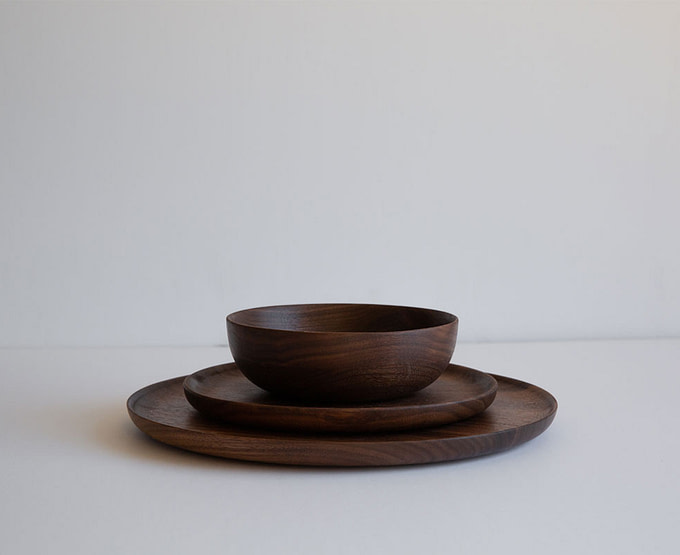
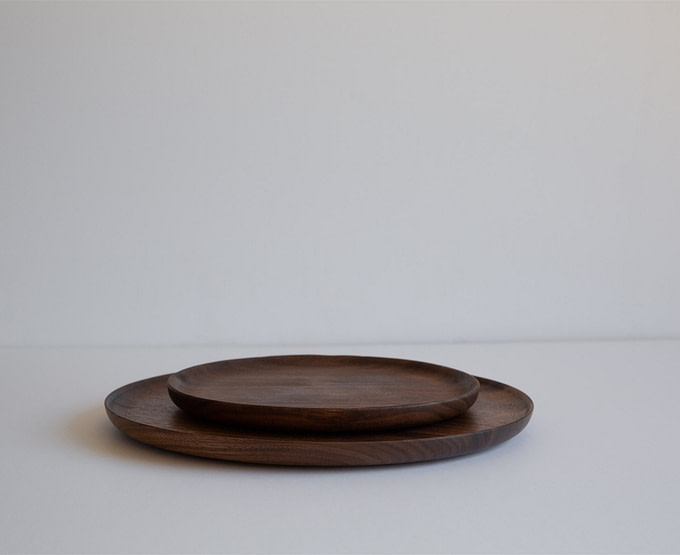
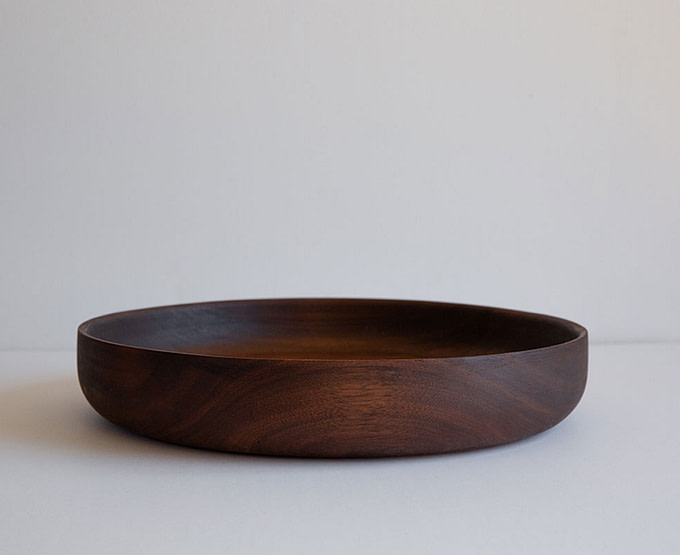
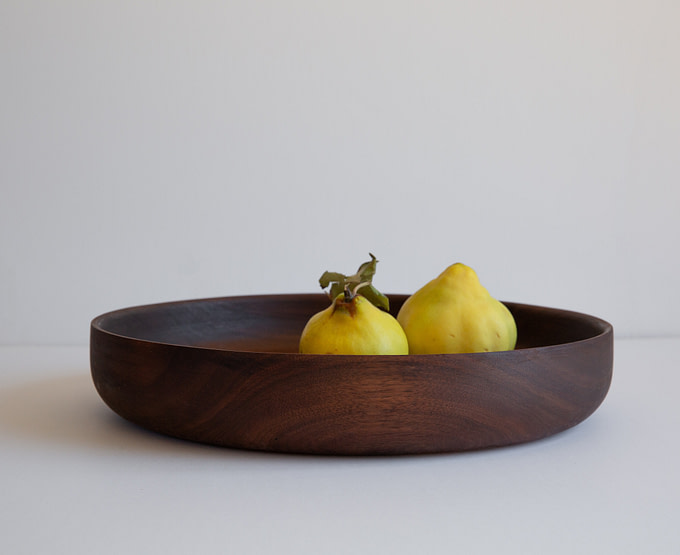
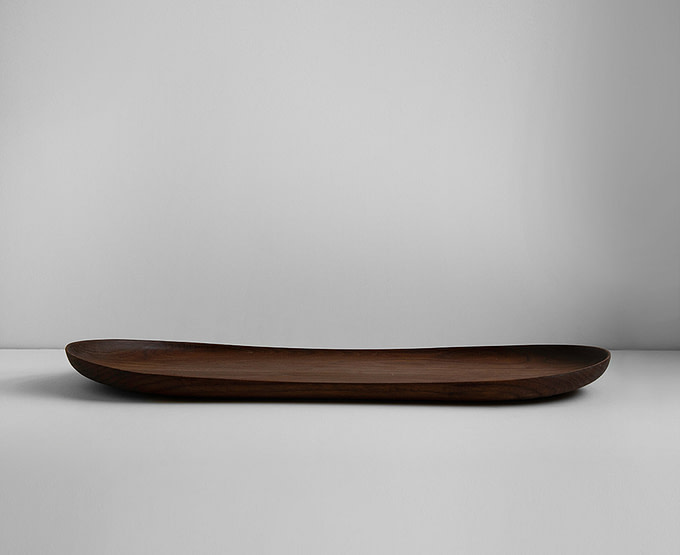
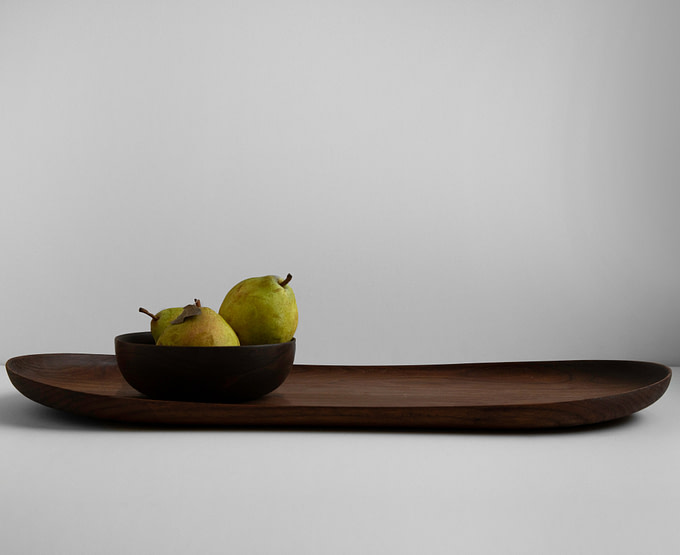
Wood is a living material. It breathes, shifts, and responds to its environment; it develops character through light, touch, and time. A finish shapes how it behaves as it ages.
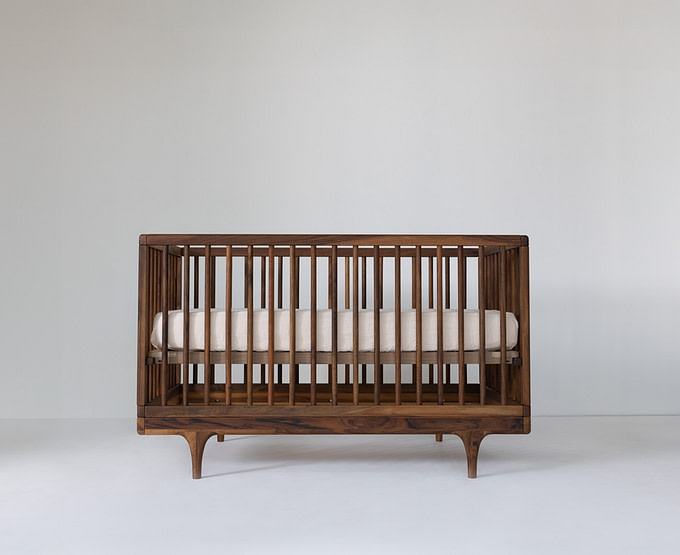
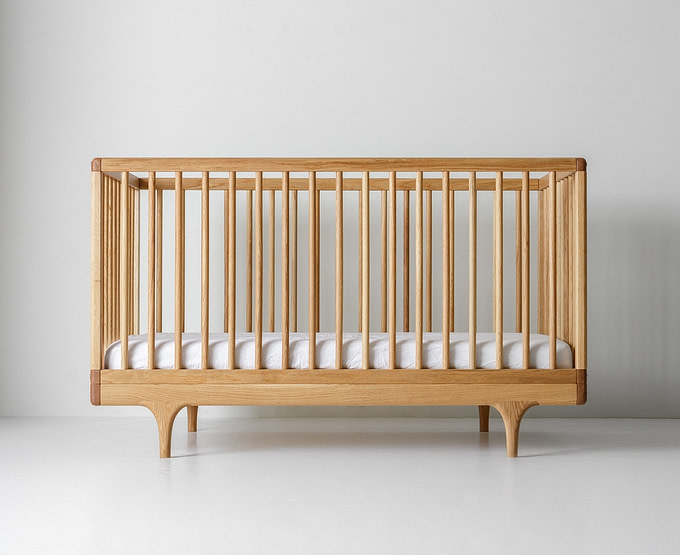
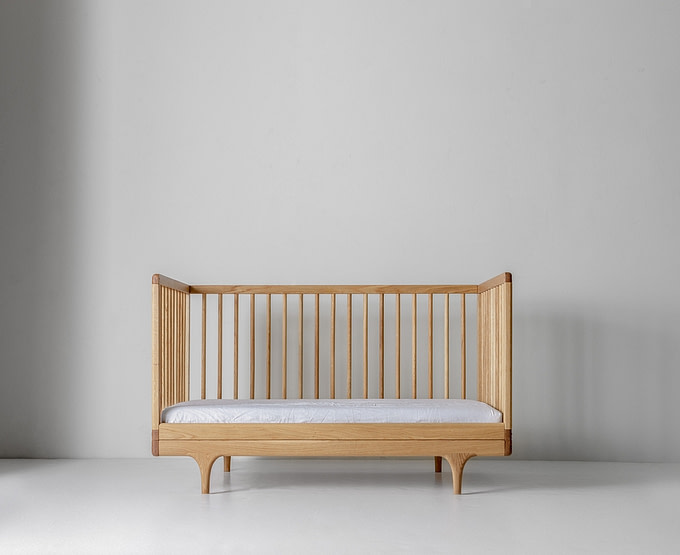
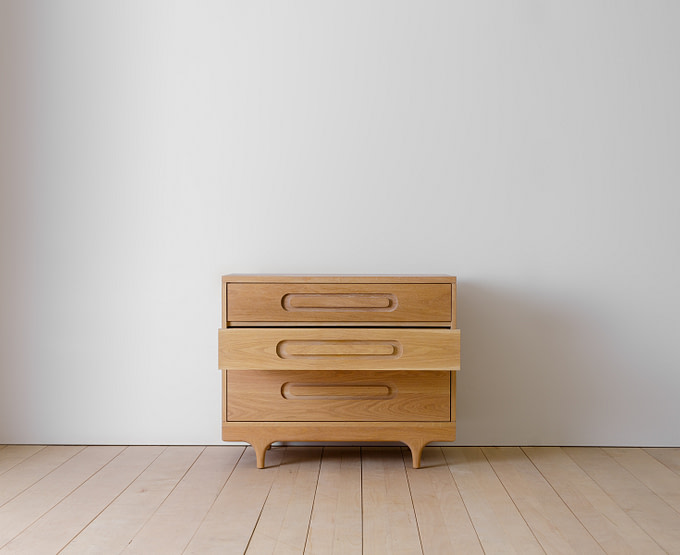
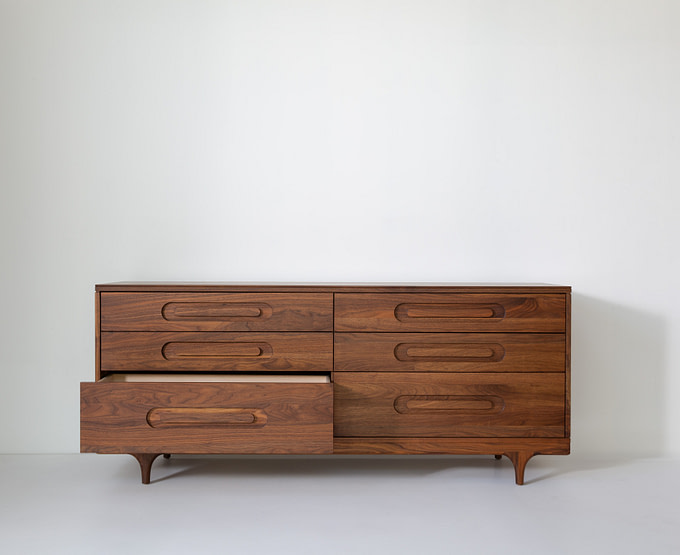
Material is never an afterthought in our work. The qualities of each species—its tone, grain, density, and the way it changes—are foundational to the form. Finishes are selected to support those qualities: to slow and guide the aging process while keeping the surface open to its environment.
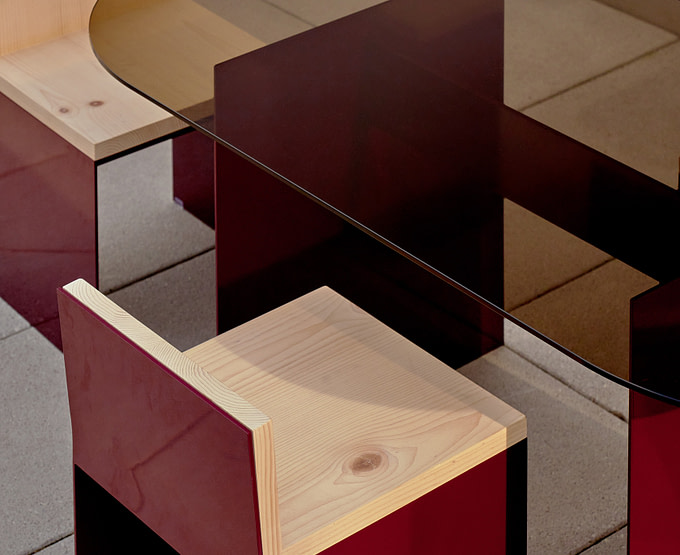
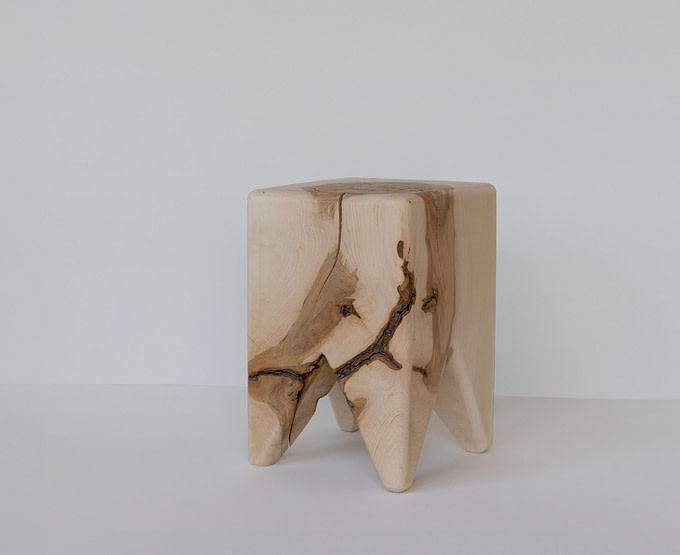
This is central to our design ethos: an honest expression of materials. We do not use stains. Stains impose uniformity, masking the inherent tone and spectrum of the wood. Natural finishes reveal rather than conceal, allowing grain and variation to remain legible as the piece evolves.
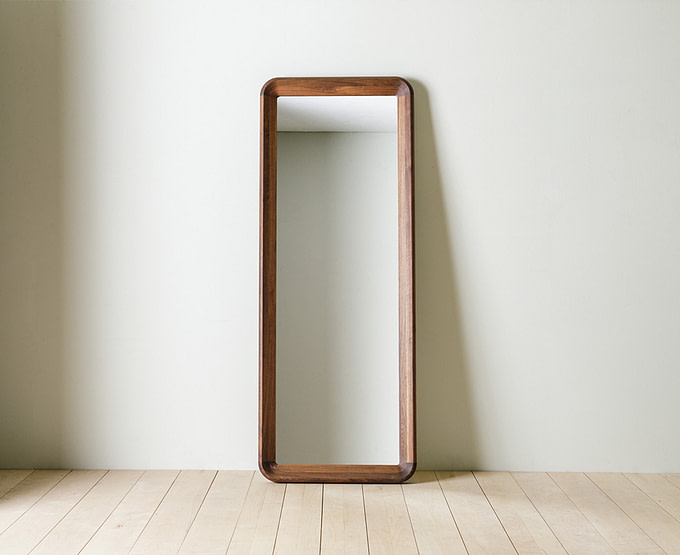
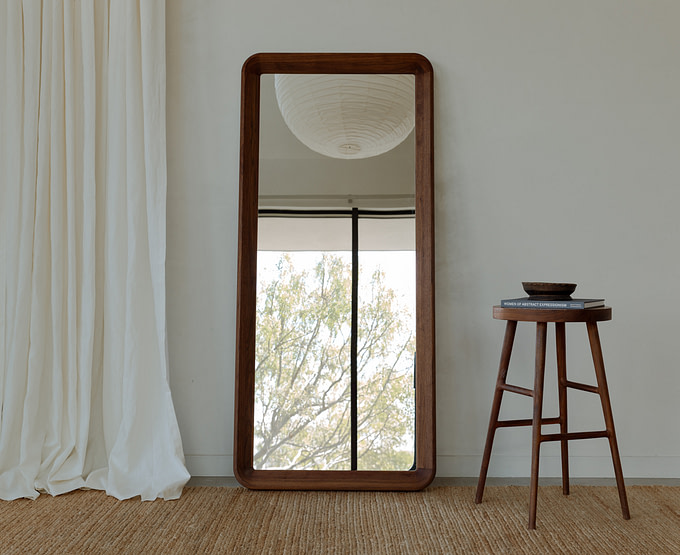
We work with materials chosen for their ability to age well. Patina is not something to resist; it is evidence of touch, use, and time. This is core to how we understand heirloom quality: materials should wear in, not out.
What follows is a concise primer on natural finishes and their role in supporting the life of living materials.
Natural Finishes vs. Synthetic Coatings
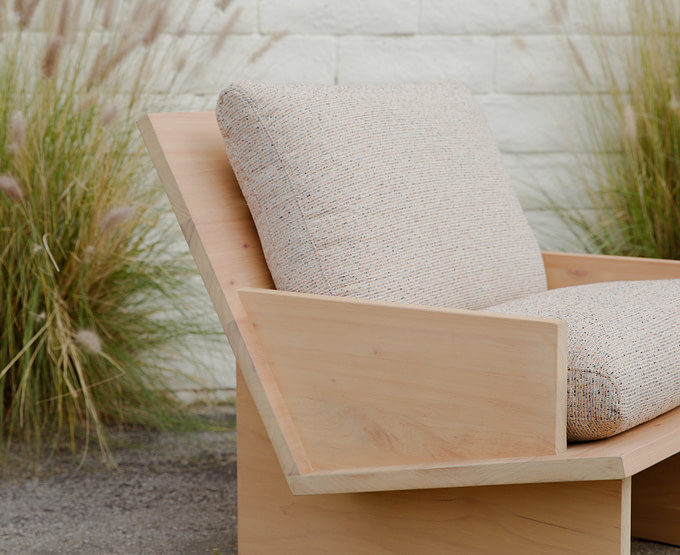
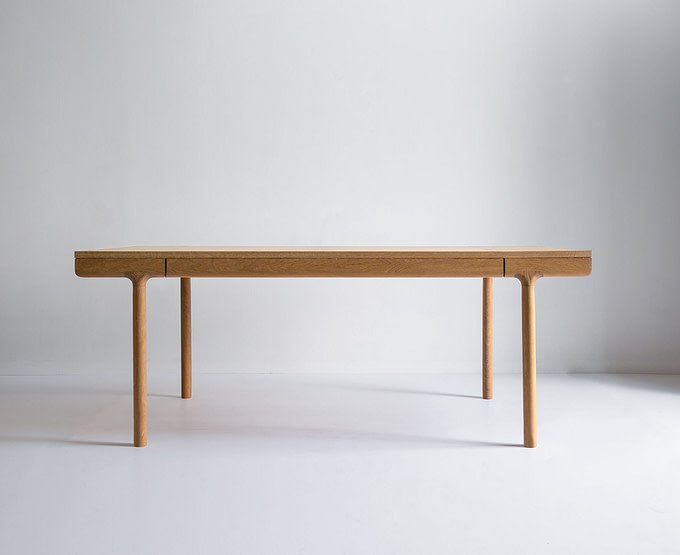
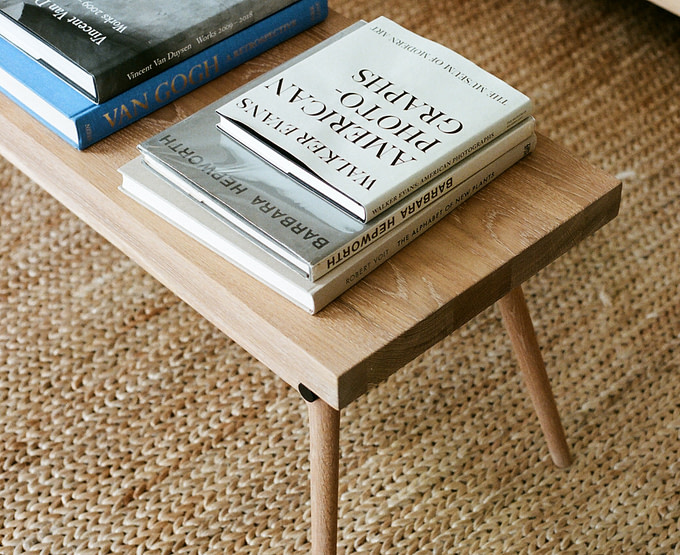
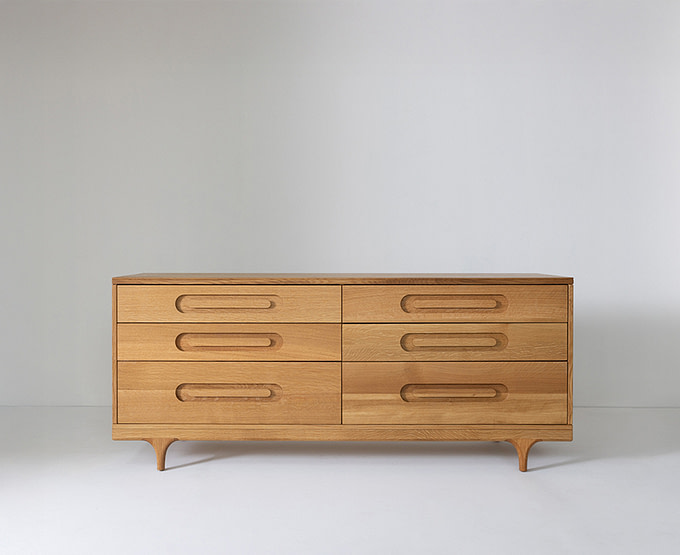
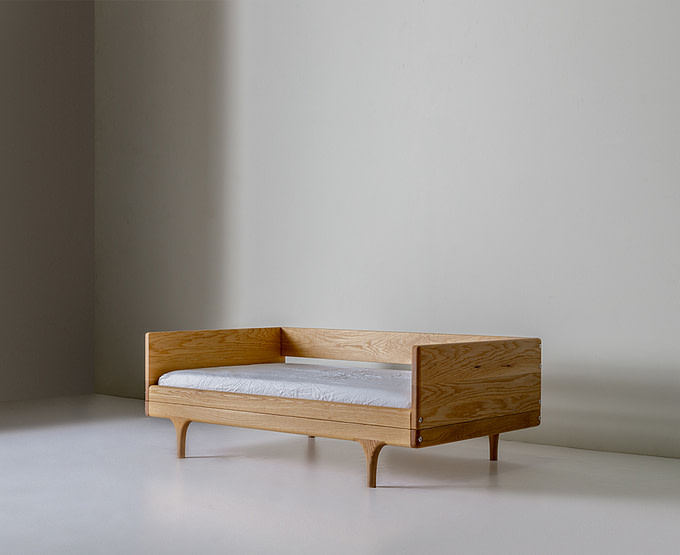
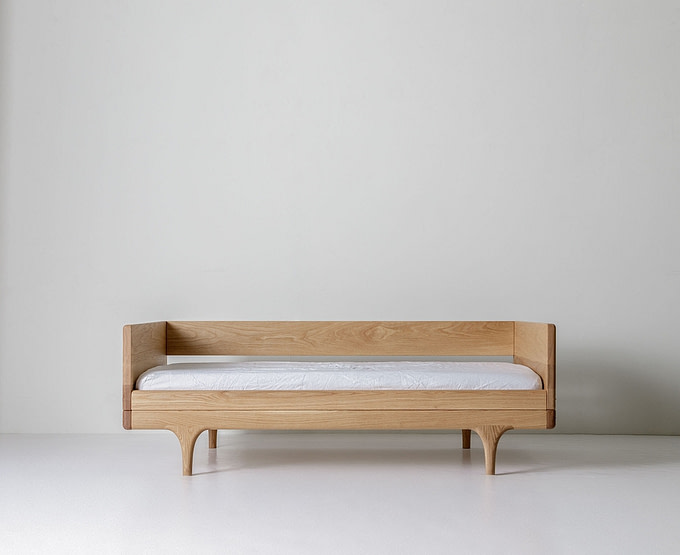
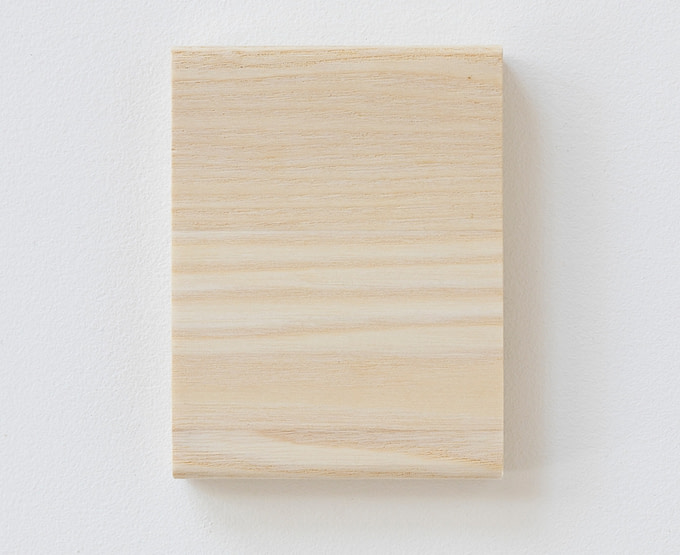
Natural oil-and-wax finishes penetrate the wood rather than sitting on top of it. They enhance grain, deepen tone, and allow the material to continue aging in a way that can be easily maintained and restored.
Polyurethane and other synthetic coatings create a plastic barrier. They preserve an initial look but halt the material’s natural evolution. Once damaged, the surface must be stripped and refinished. For woods chosen for their ability to patinate and age, this approach contradicts the qualities we consider essential.
Types of Natural Finishes
Oil-Wax Finish
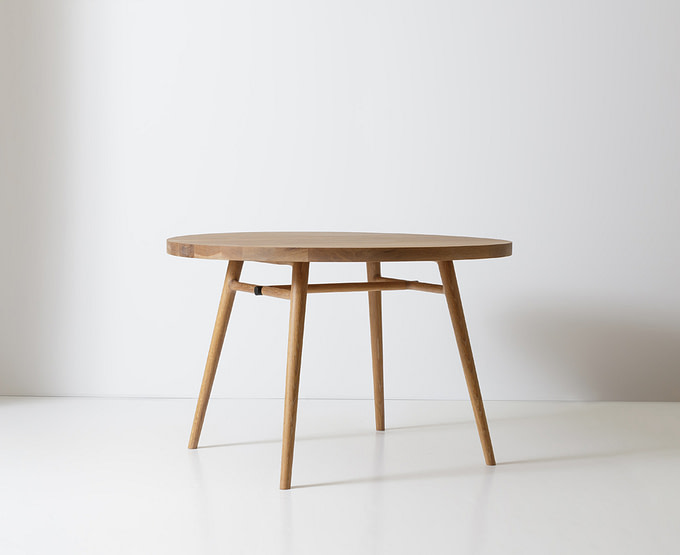
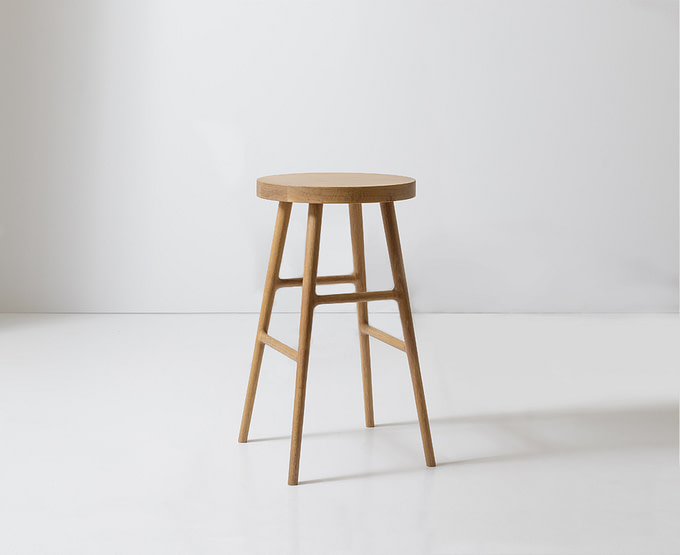
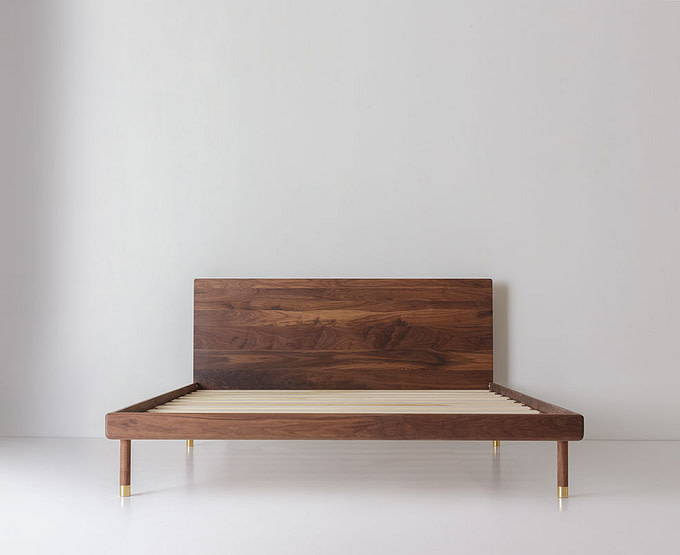
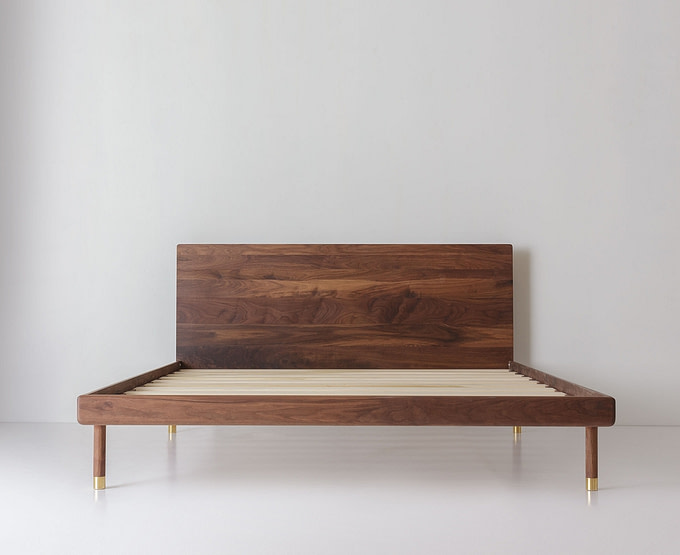
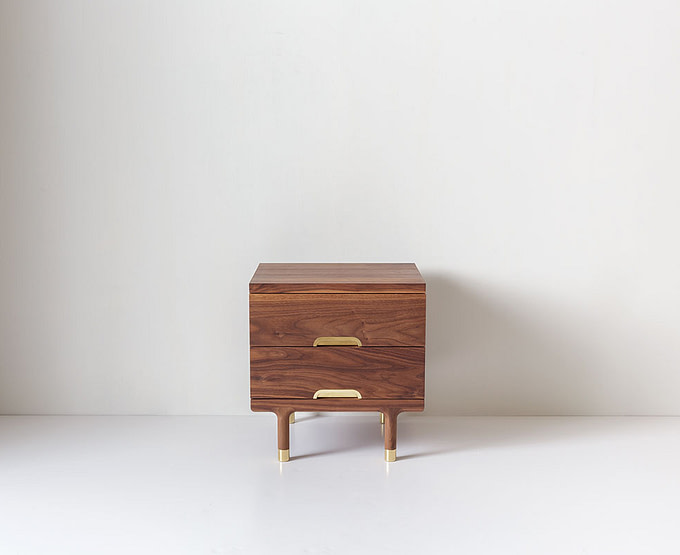
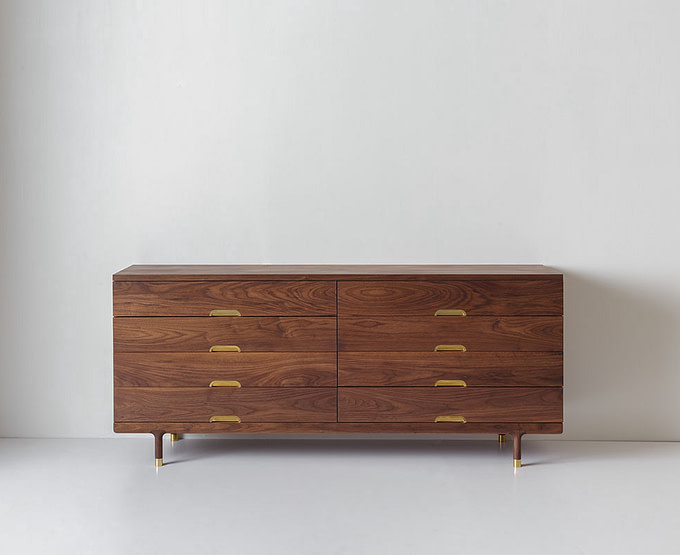
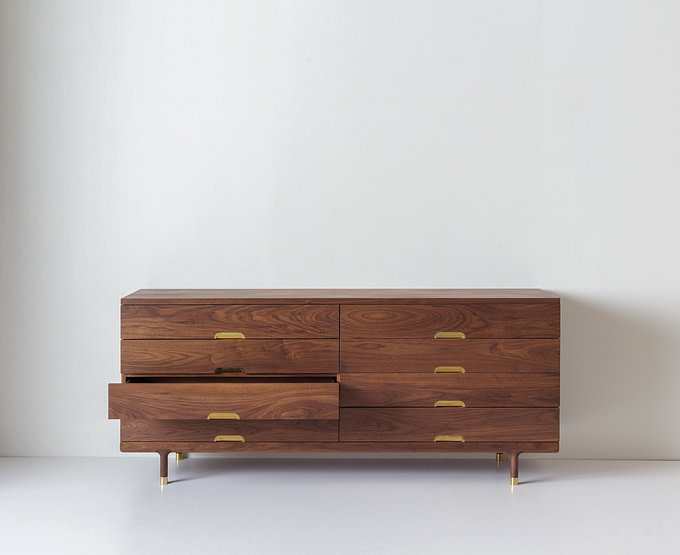
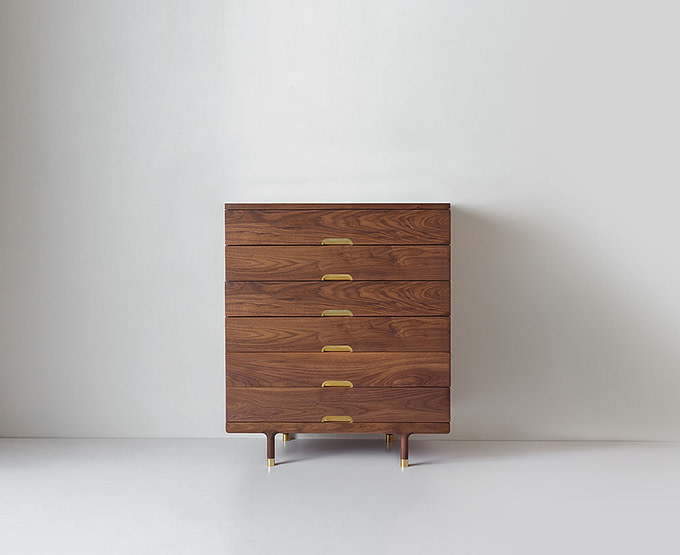
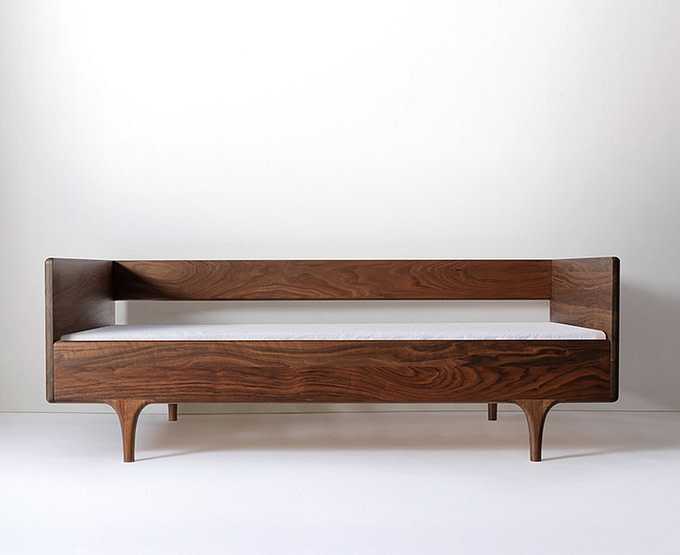
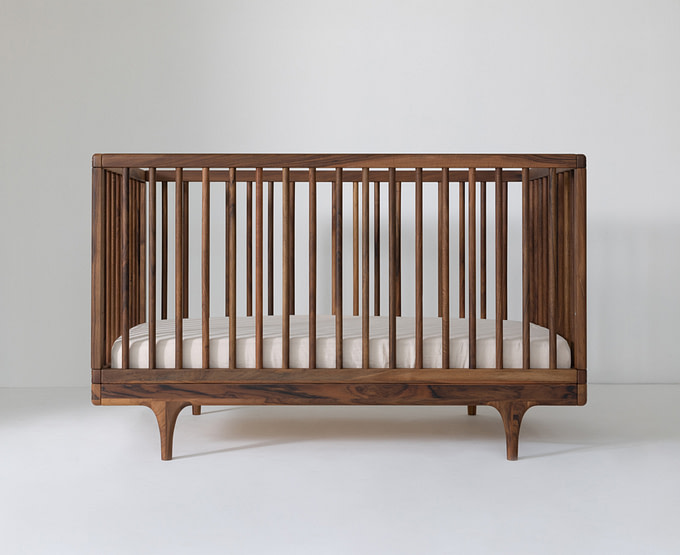
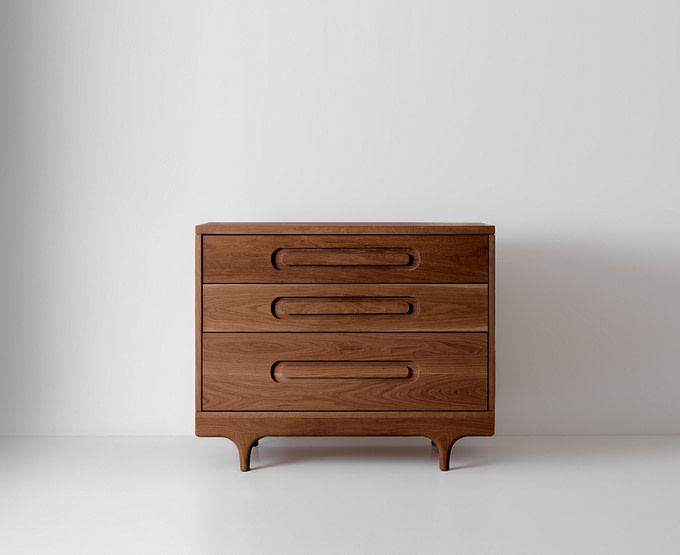
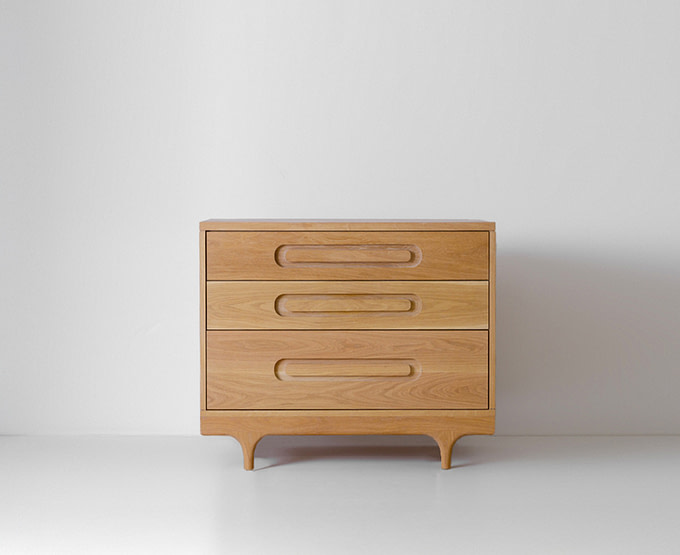
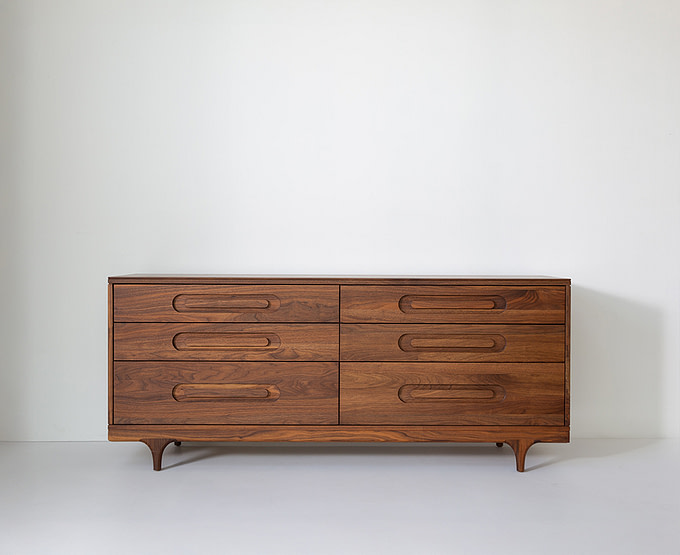
A plant-based blend of oils, resins, and waxes. Durable, breathable, water-repellent, and capable of enhancing warmth and depth.
Bare Finish
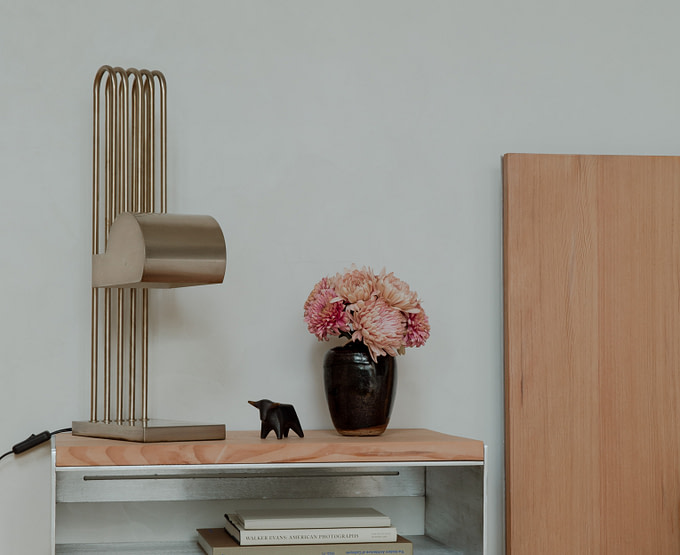
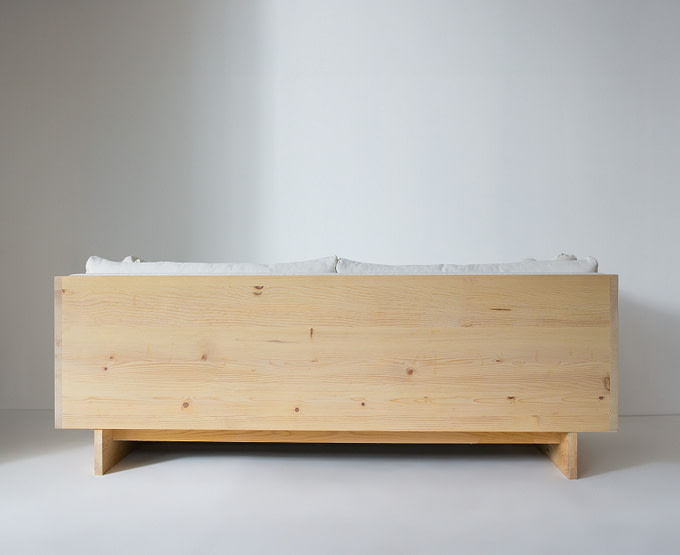
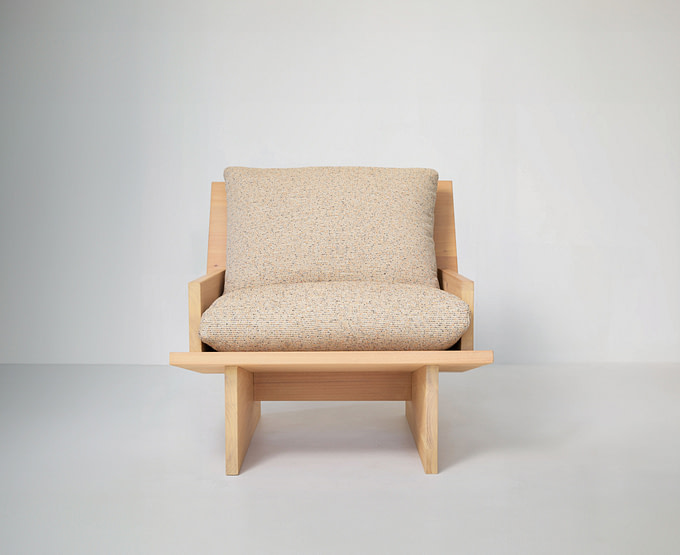
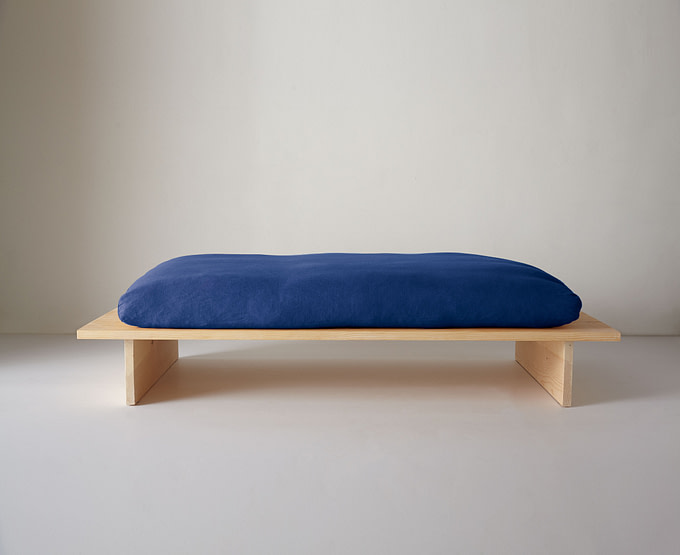
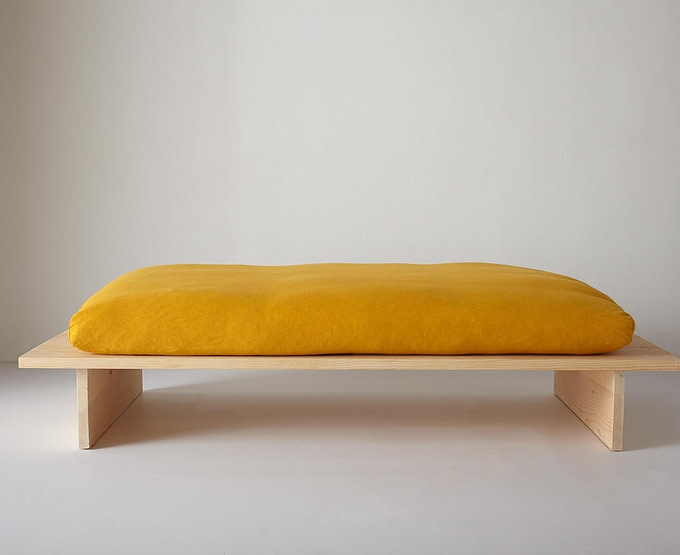
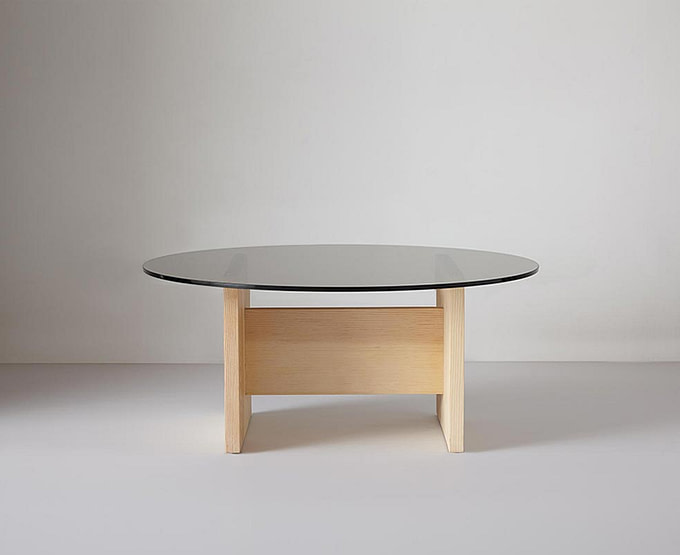
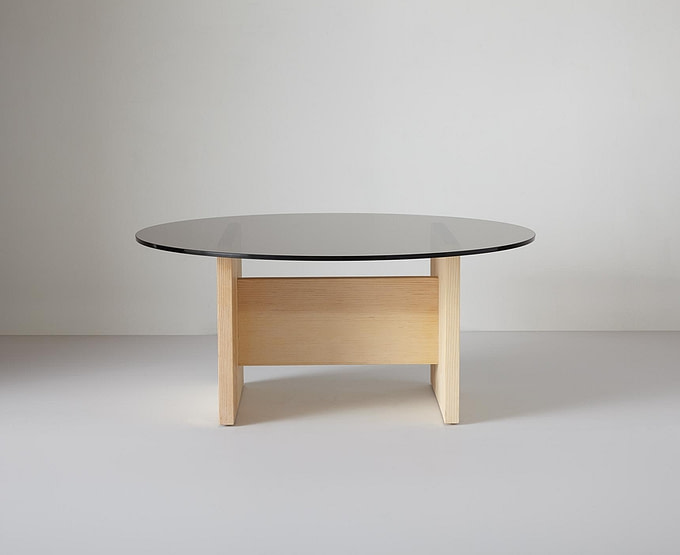
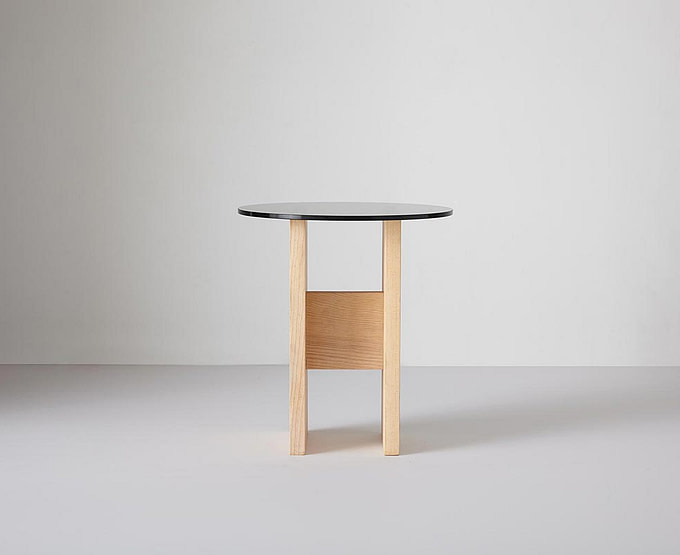
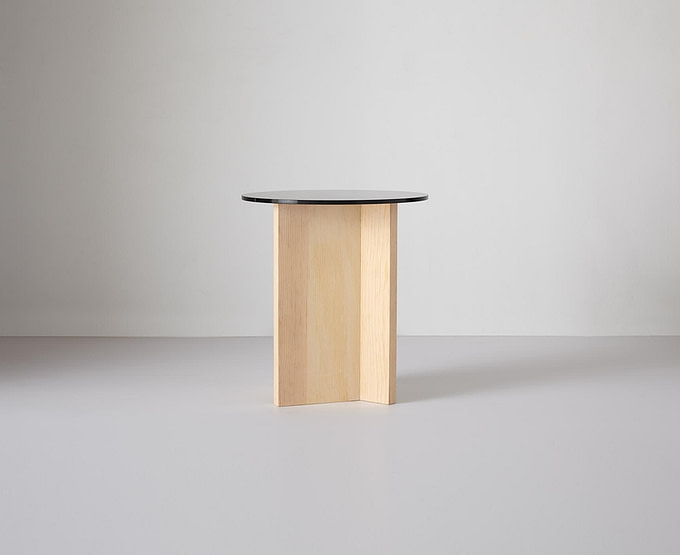
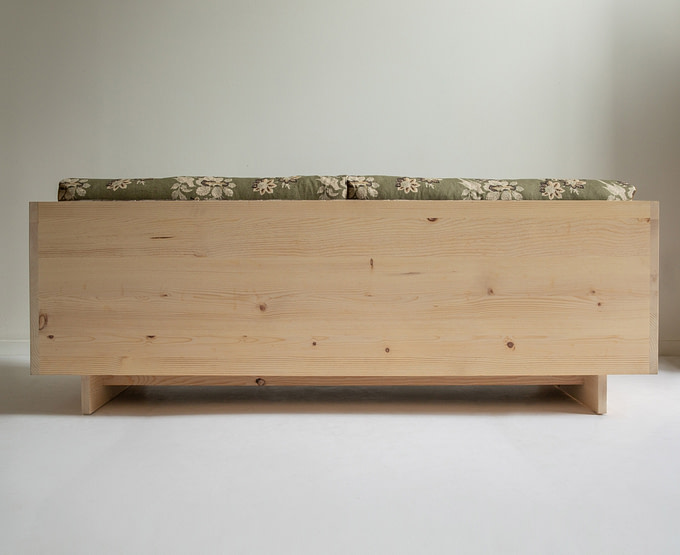
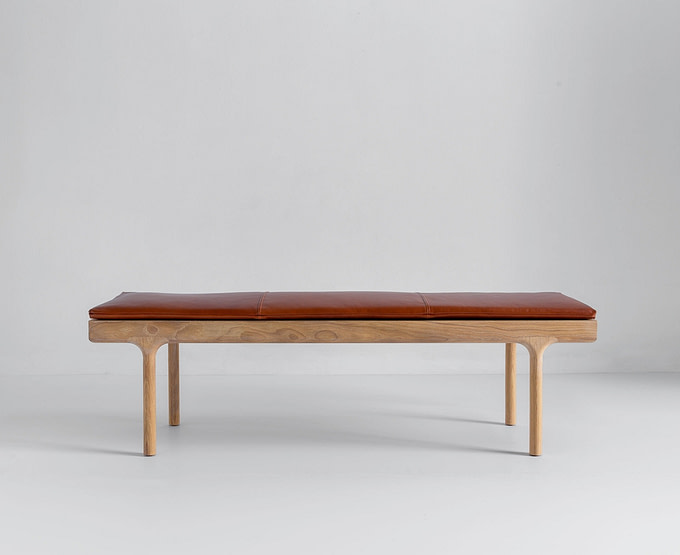
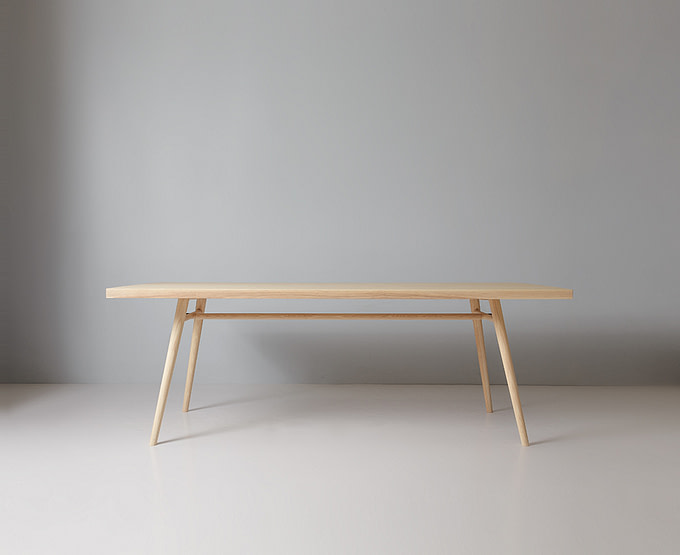
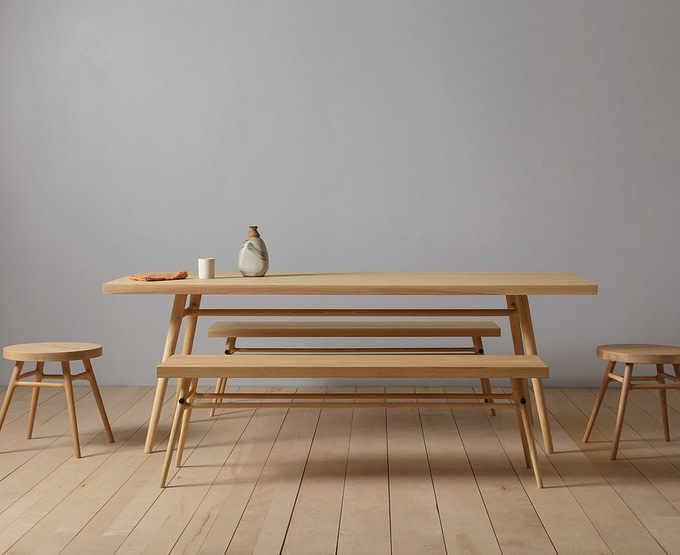
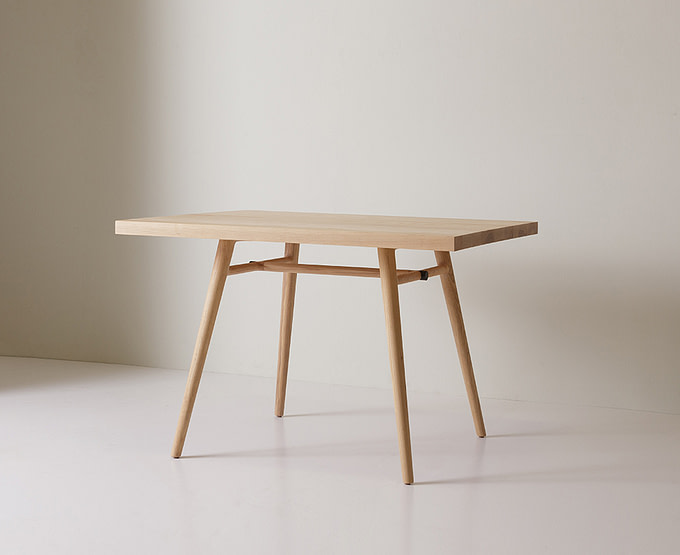
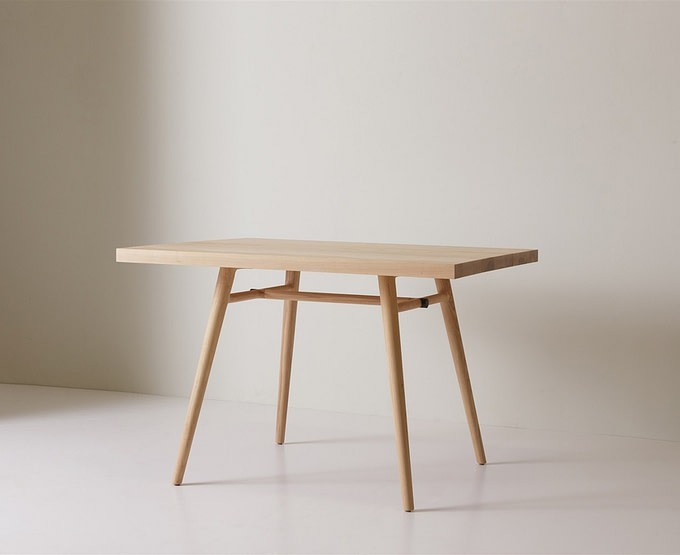
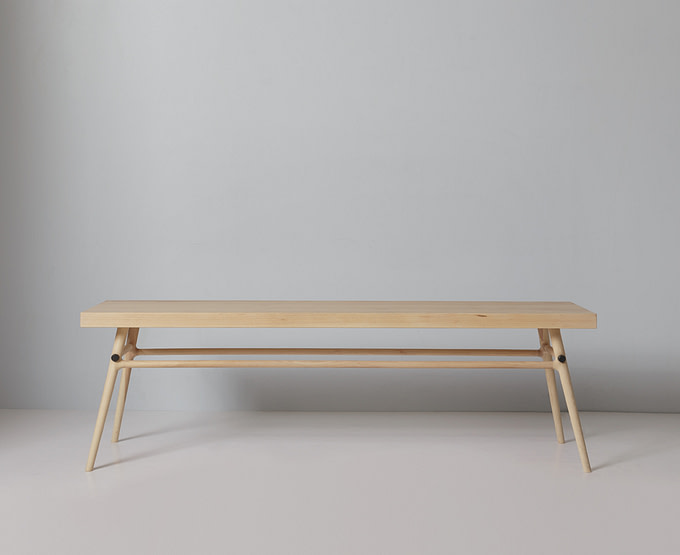
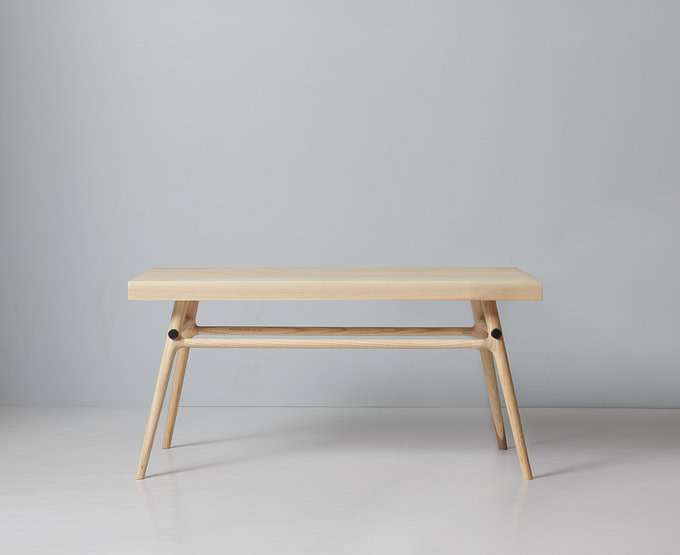
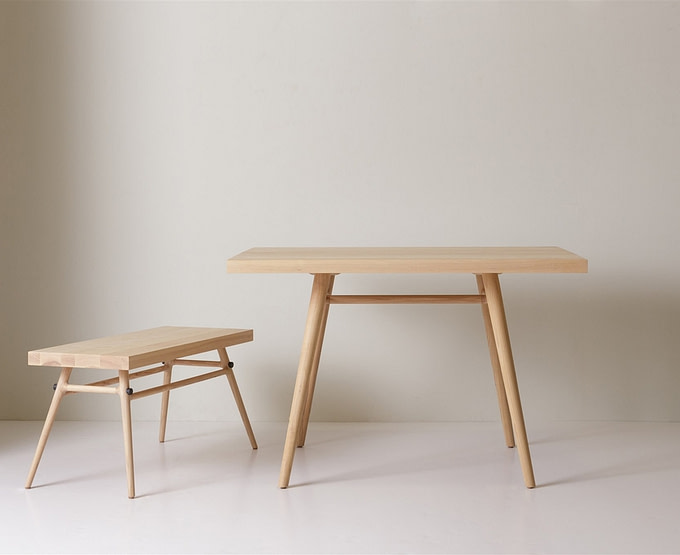
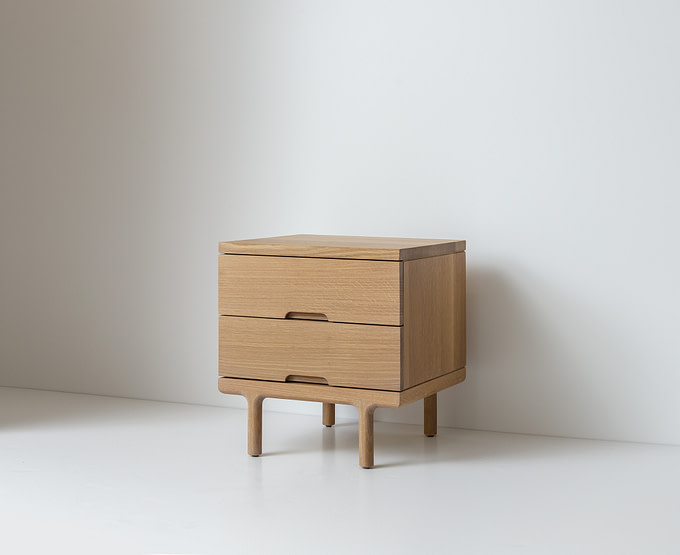
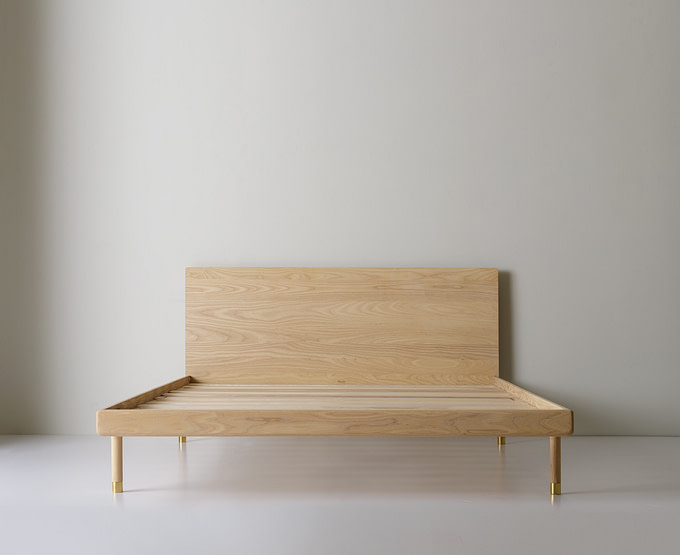
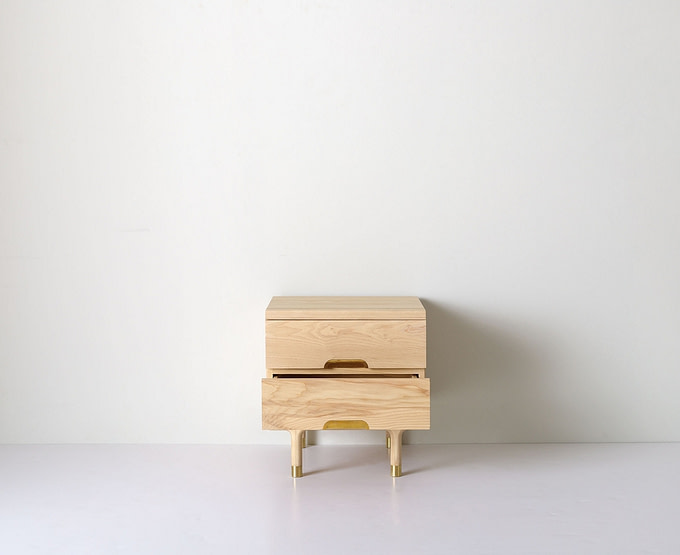
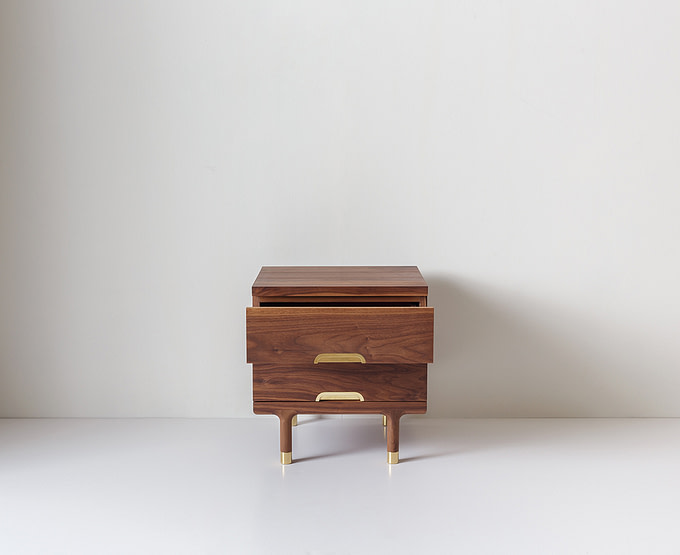
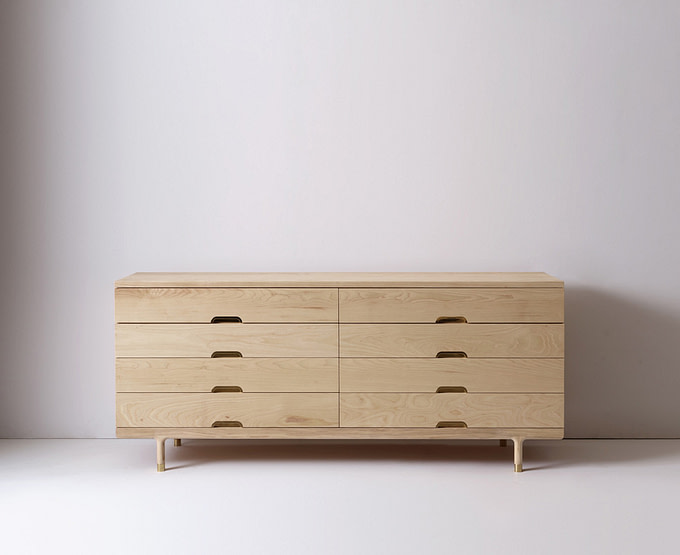
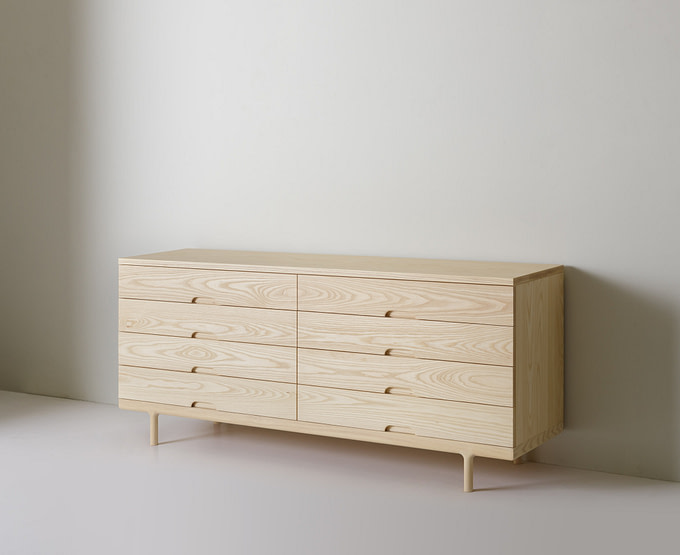
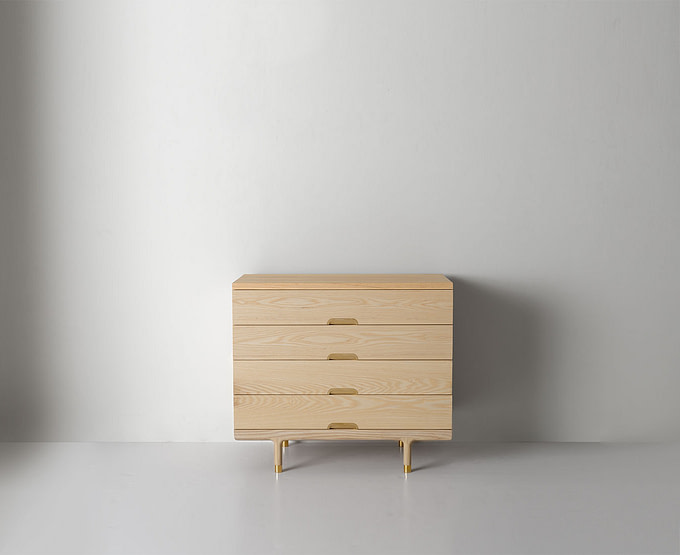
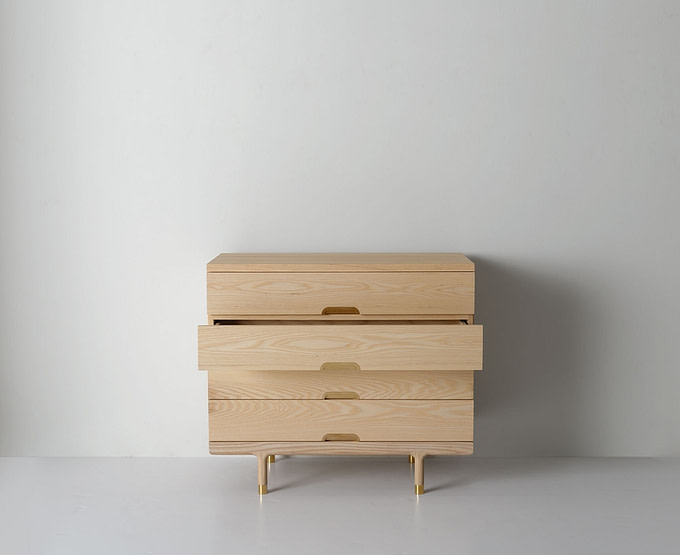
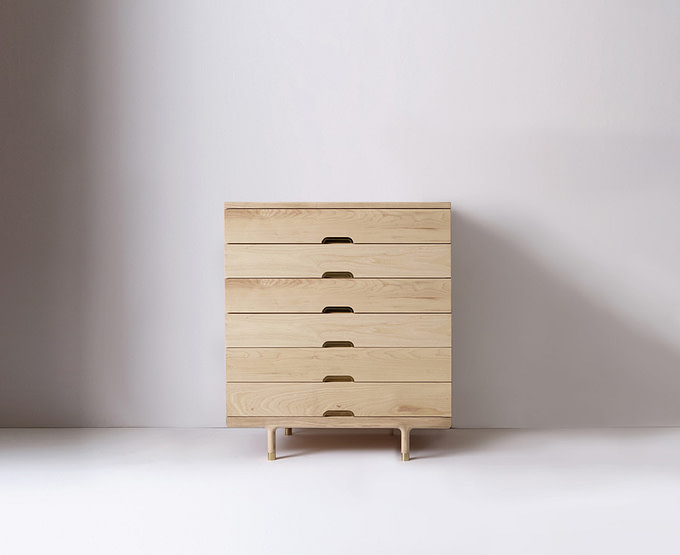
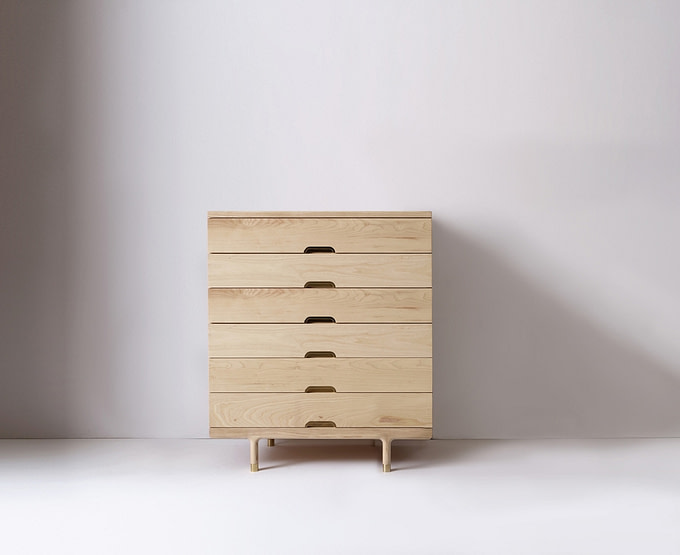
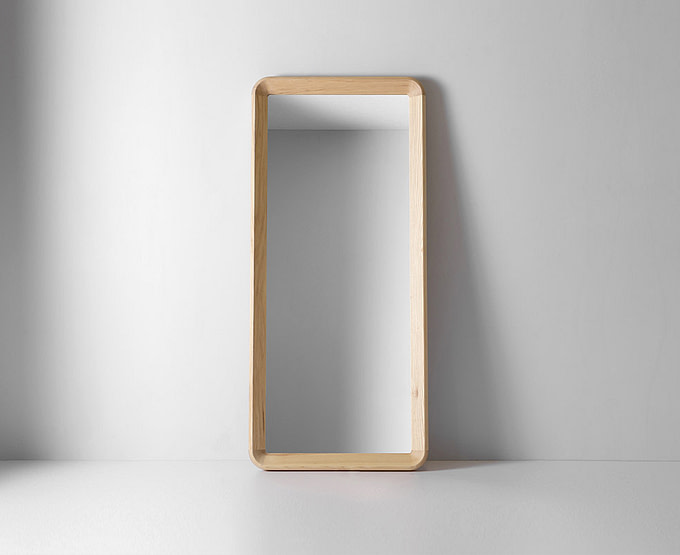
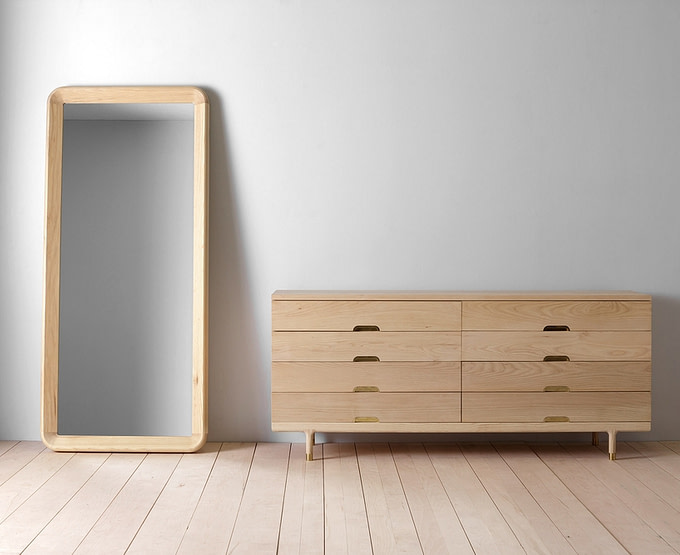
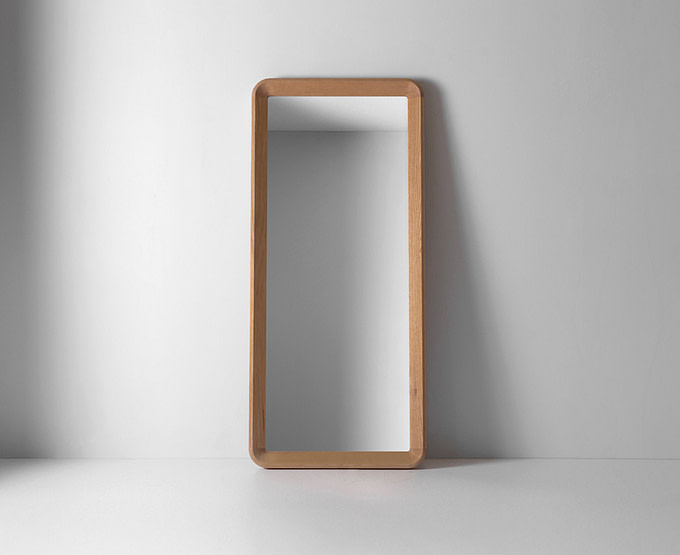
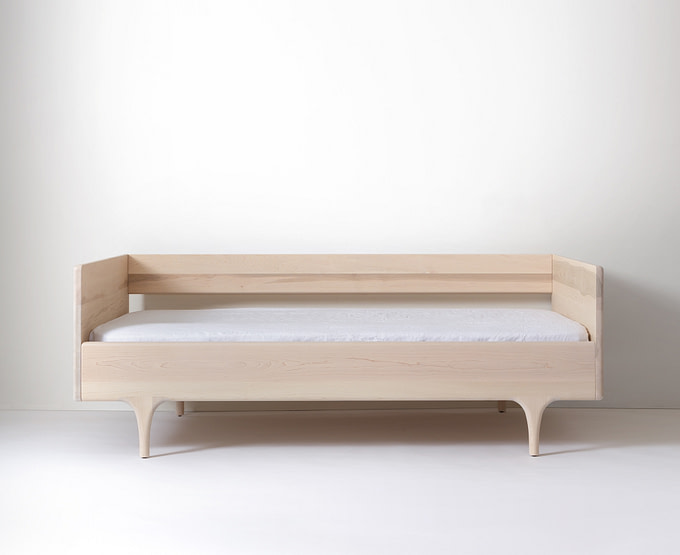
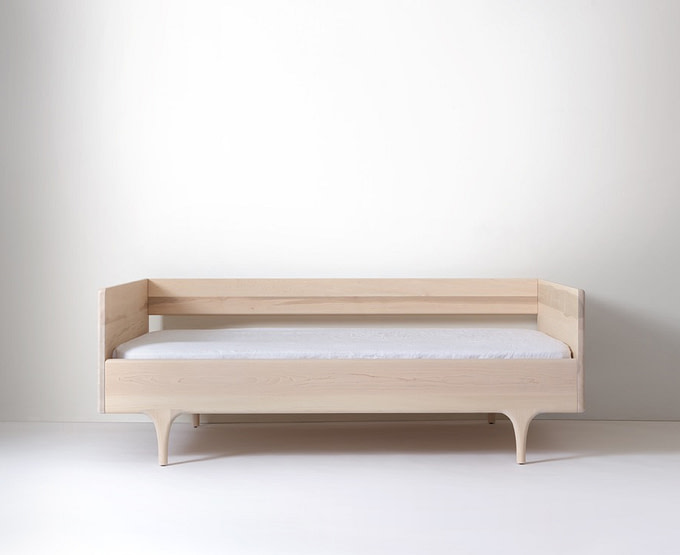
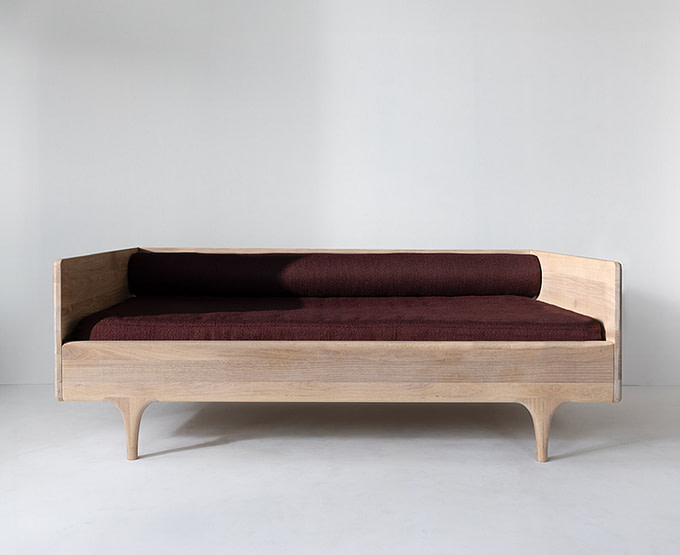
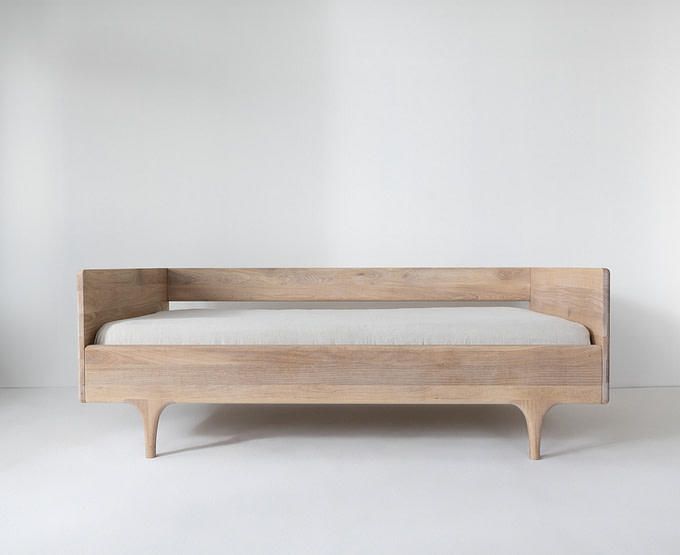
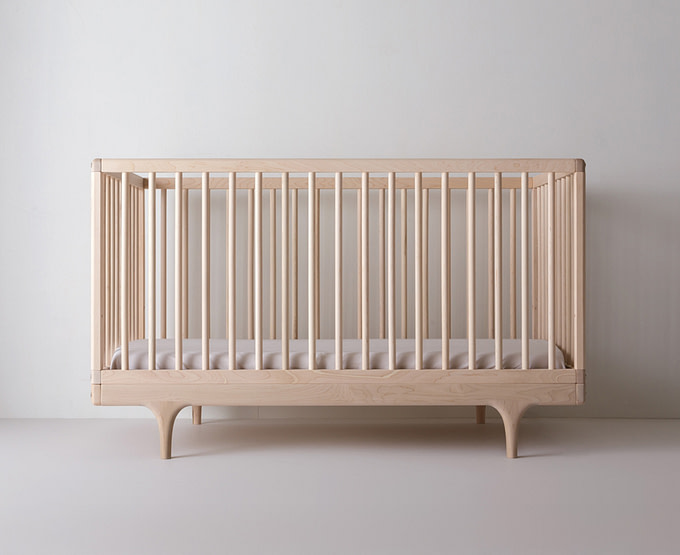
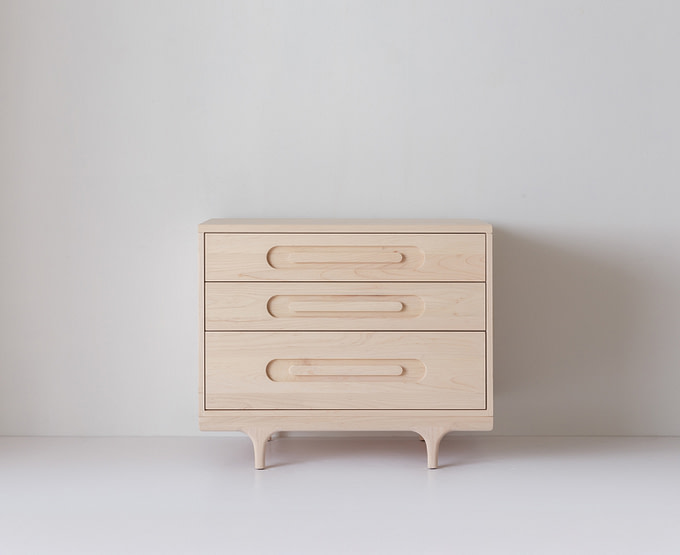
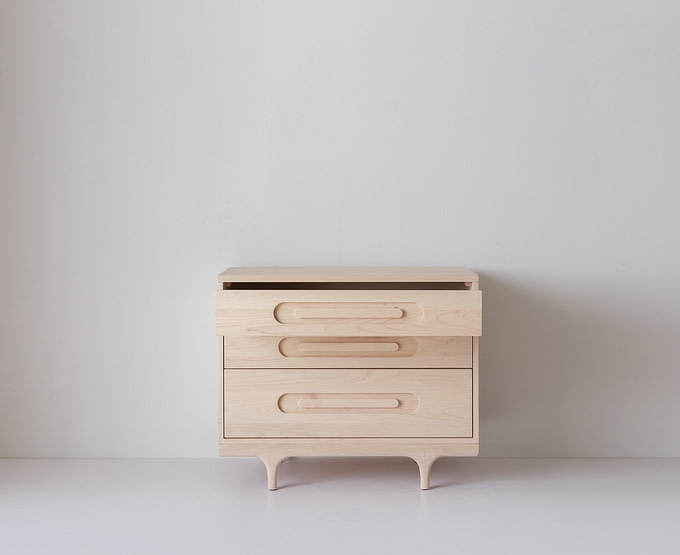
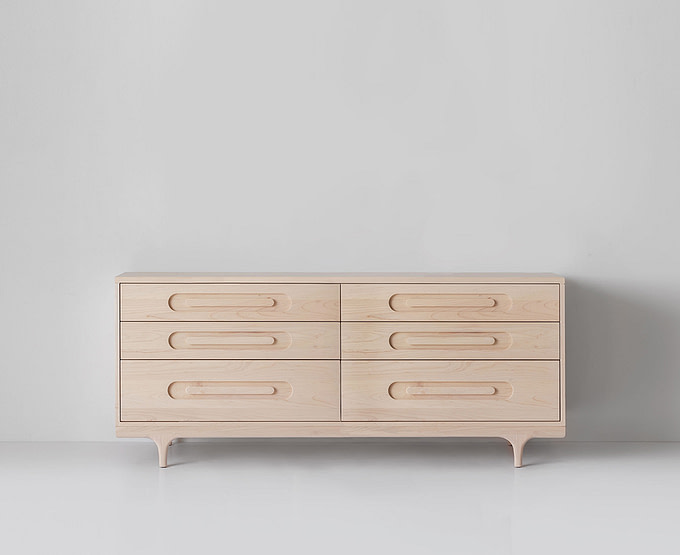
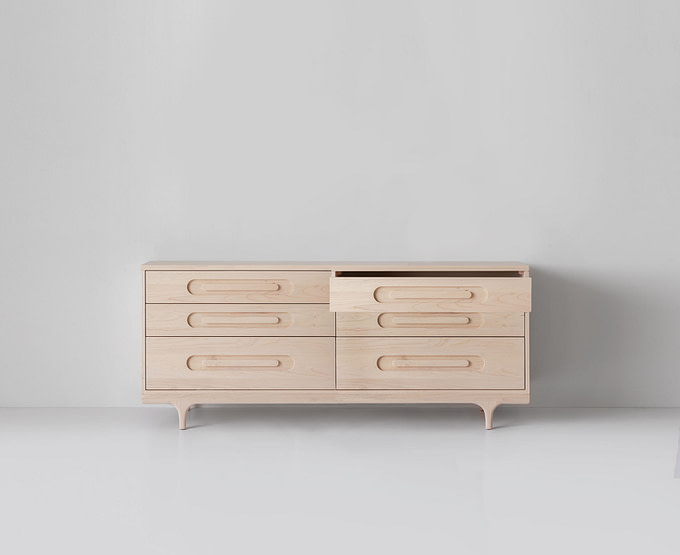
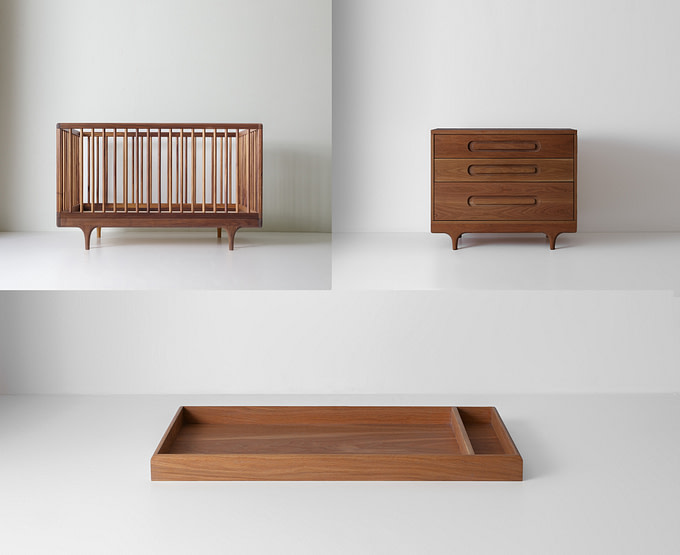
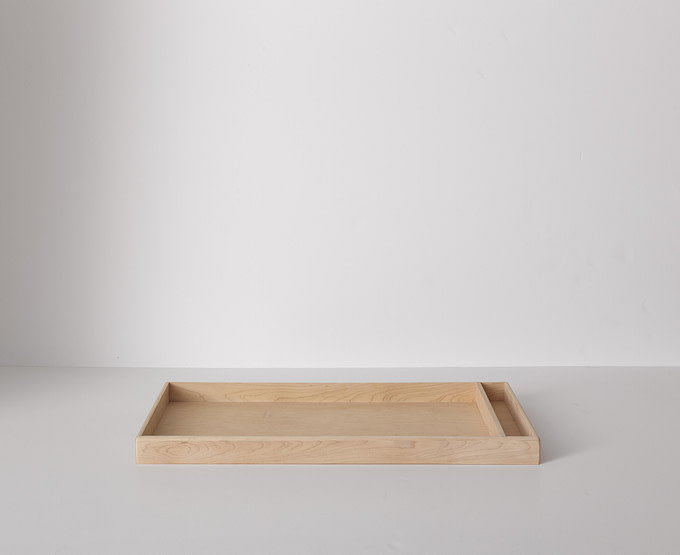
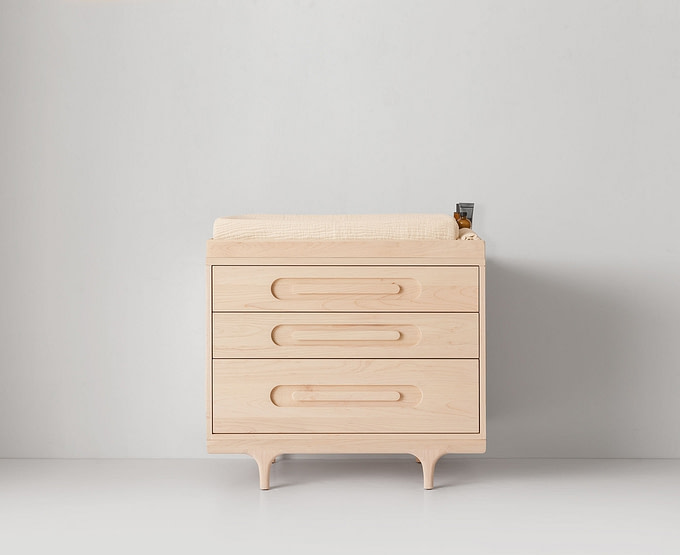
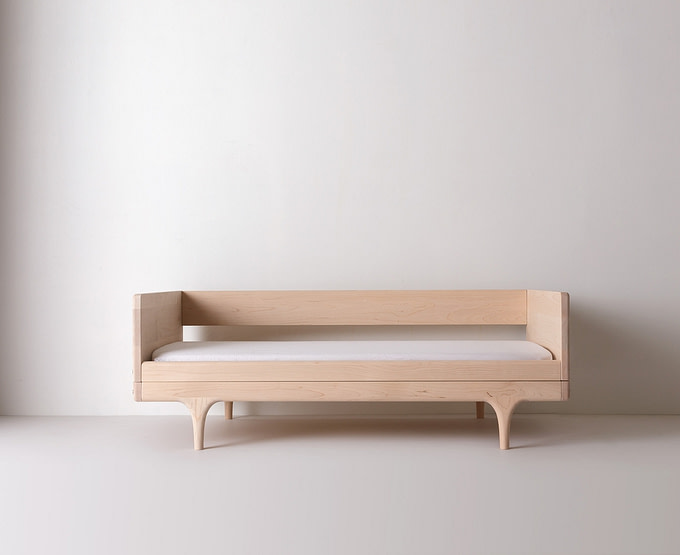
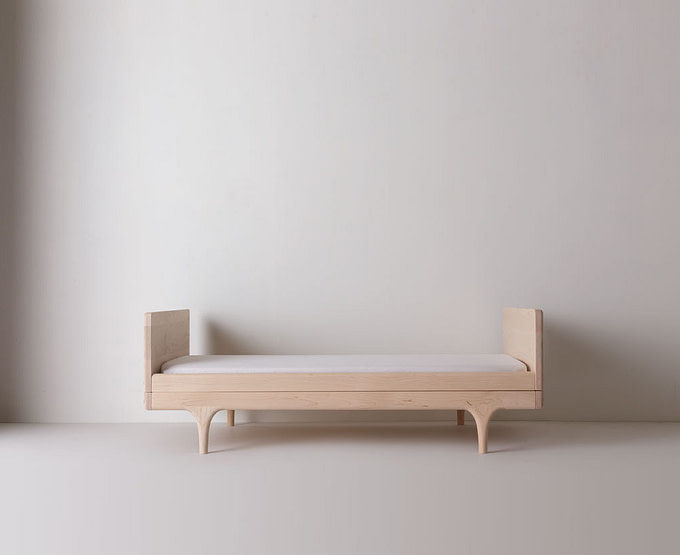
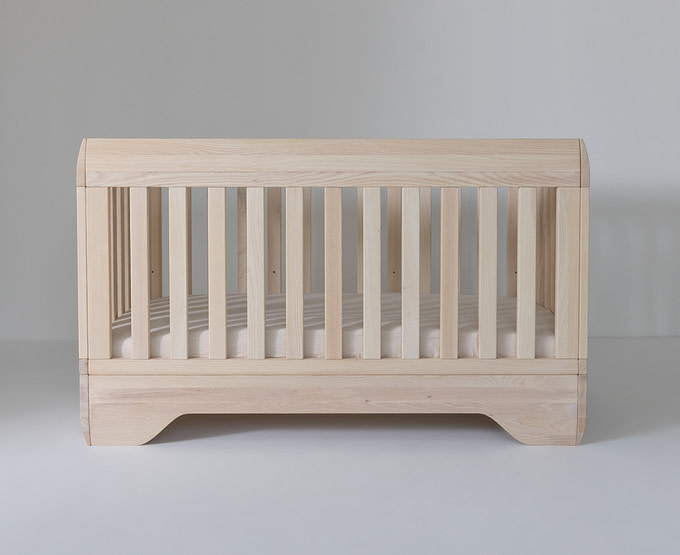
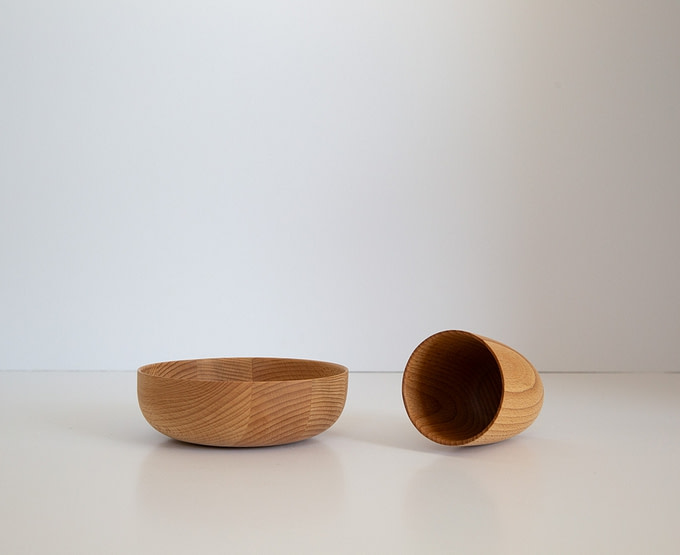
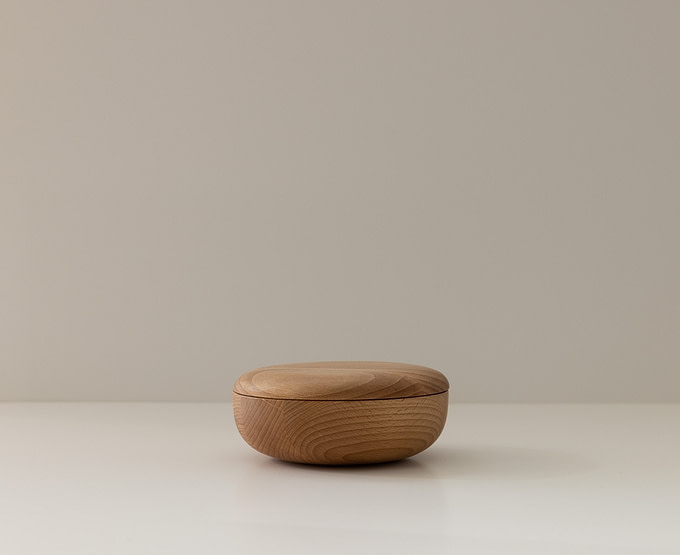
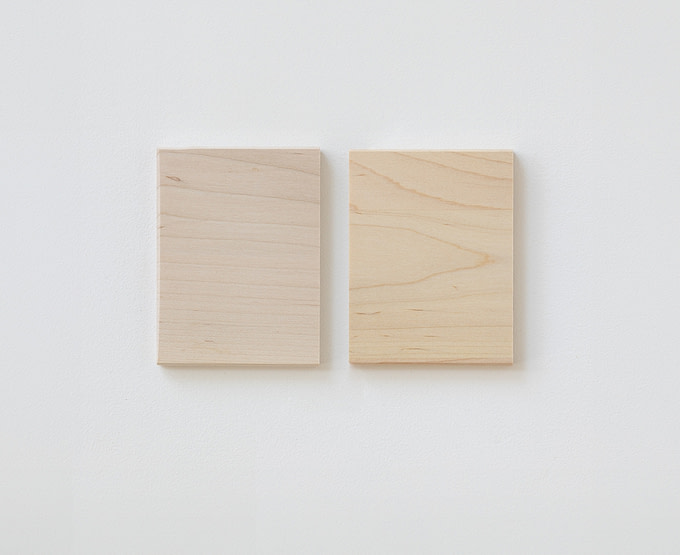
Developed to preserve the luminosity of lighter woods without darkening. A hand-rubbed finish that maintains a raw appearance while offering basic protection.
Wax Finish for Brass
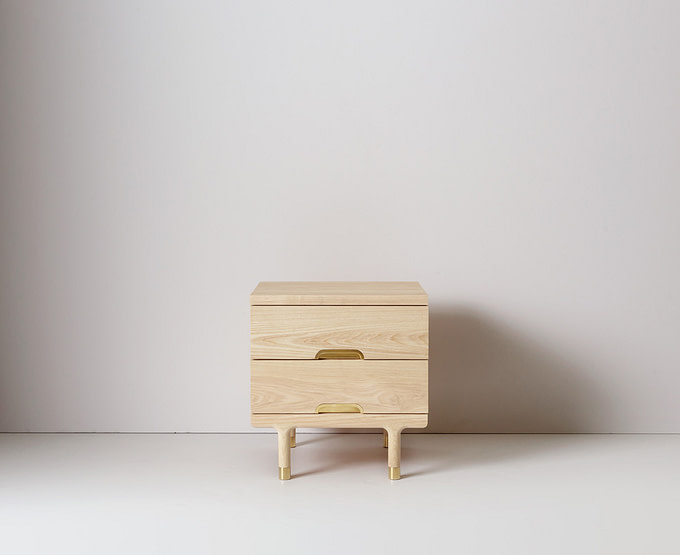
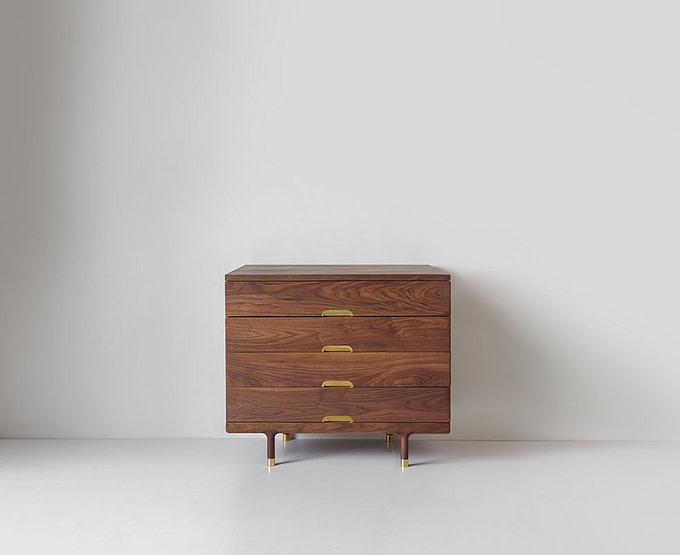
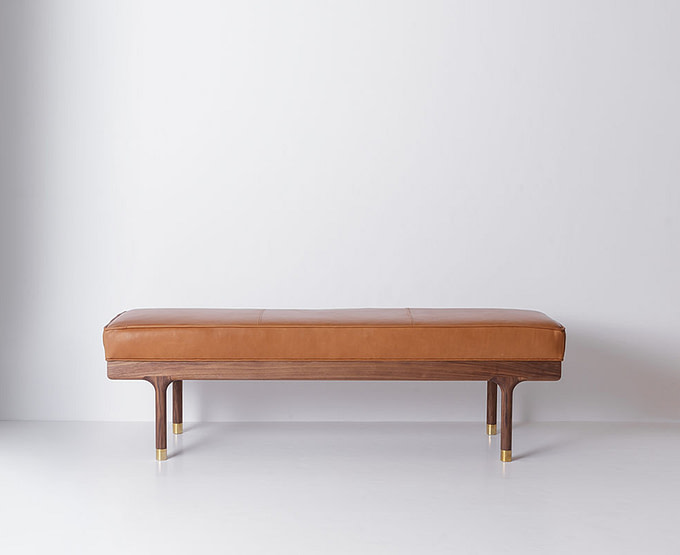
Used to slow oxidation and fingerprinting while allowing brass to develop an even, natural patina.
Aging as a Design Principle
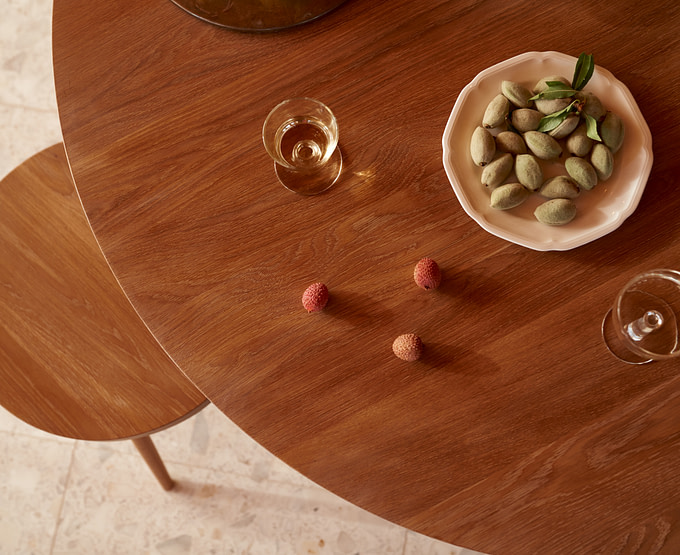
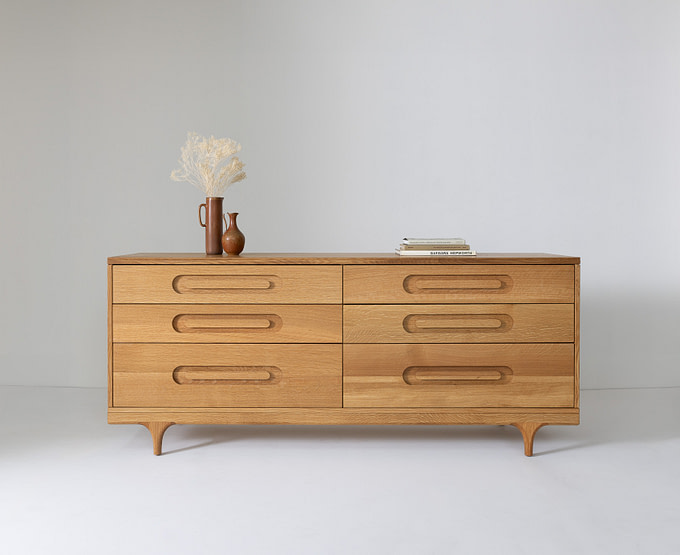
A natural finish acknowledges that a material continues to live after the piece is made. It allows the surface to take on depth, sheen, and subtle shifts in tone—a process explored in our With Age Studies. These changes form the narrative of a piece over time.
For us, this is the essence of working with natural materials:
aging is not deterioration, but expression.
Wood finished naturally needs periodic light cleaning and oiling to maintain its protection and vitality. For a deeper guide, visit our Care + Maintenance page.