On Craft and the Knowledge of Making
The skill, judgment, and material intelligence behind enduring design.
We live in a made world. Everything that surrounds us has been designed, shaped, and assembled—yet the origins of those objects, and the people who create them, are increasingly obscured. In an era defined by speed and scale, the depth of knowledge behind a well-made piece is easy to overlook. But the difference between an object built to last and one made for the moment begins in the hands of the maker.
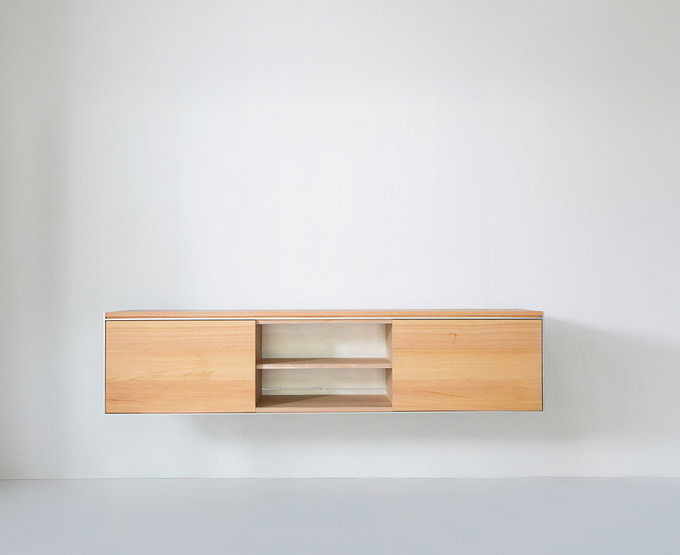
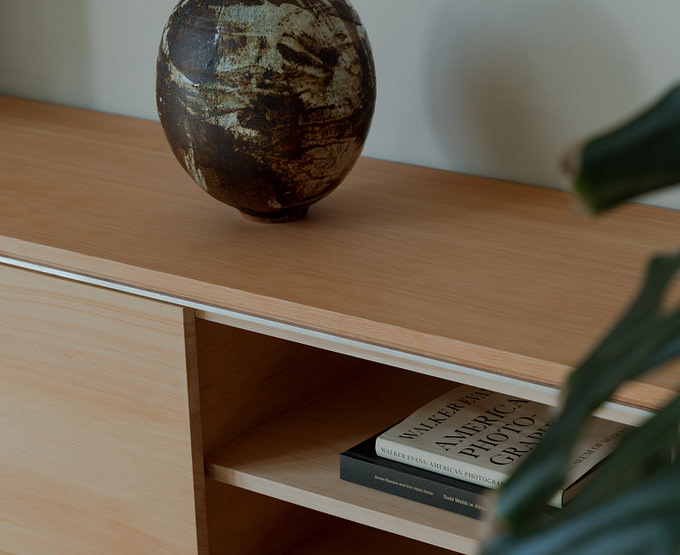
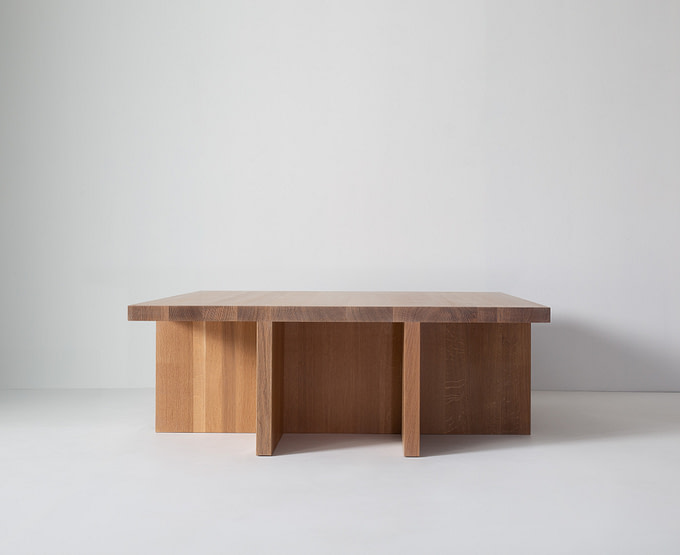
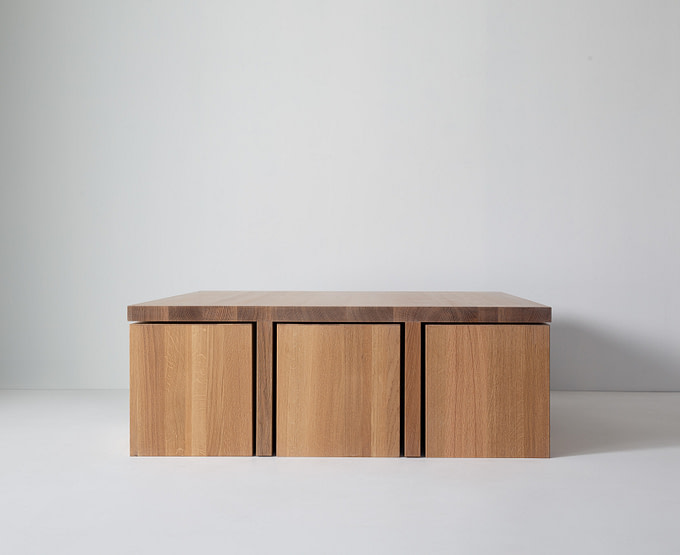
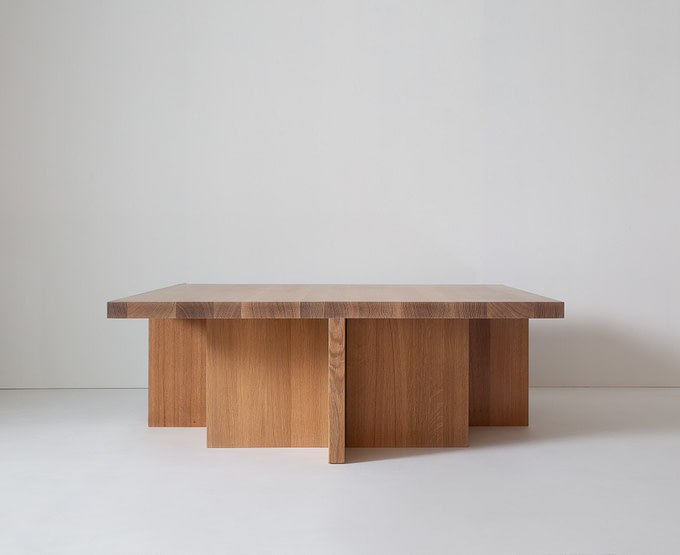
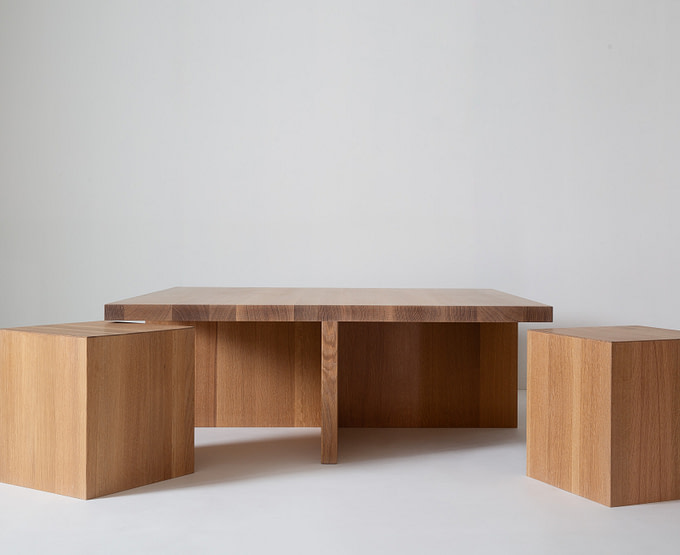
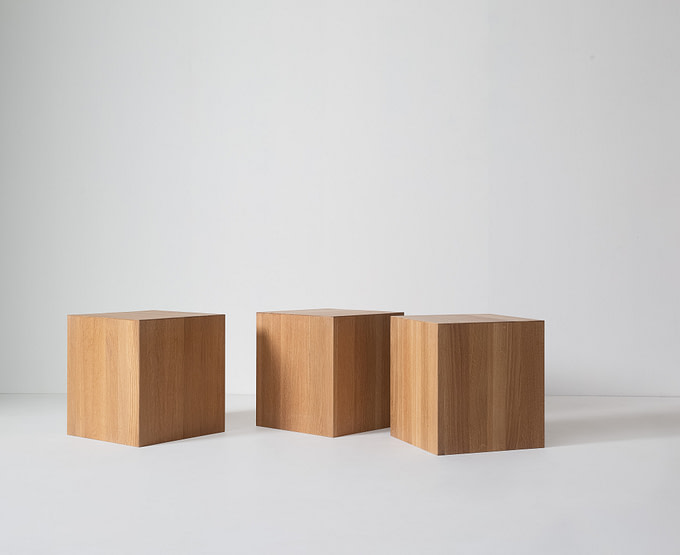
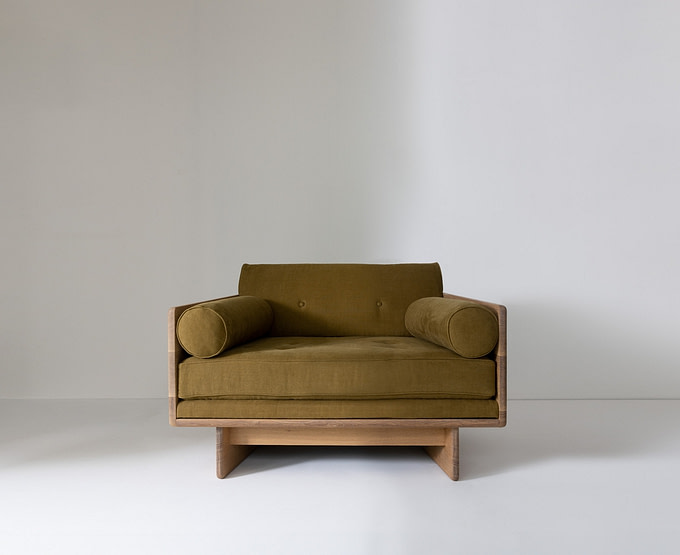
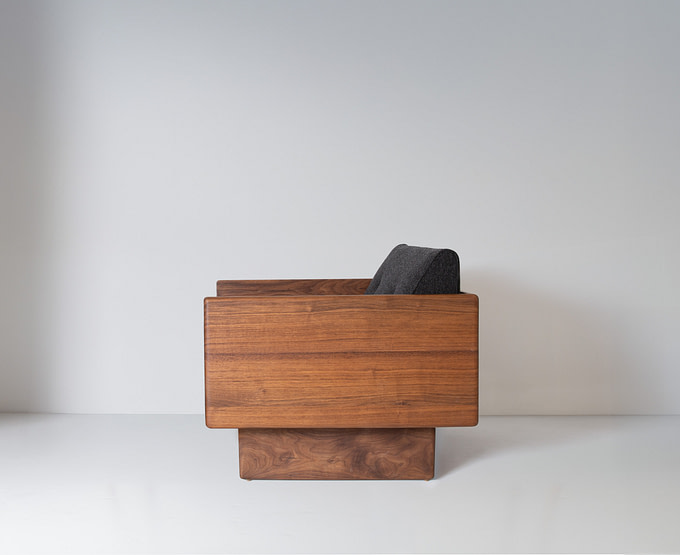
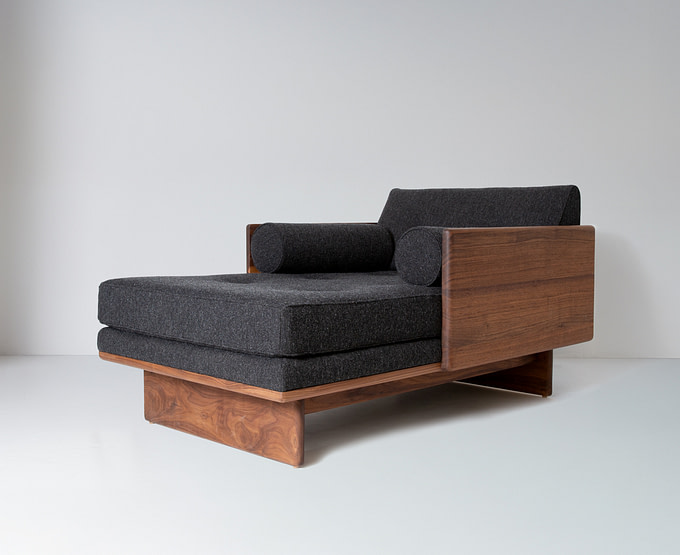
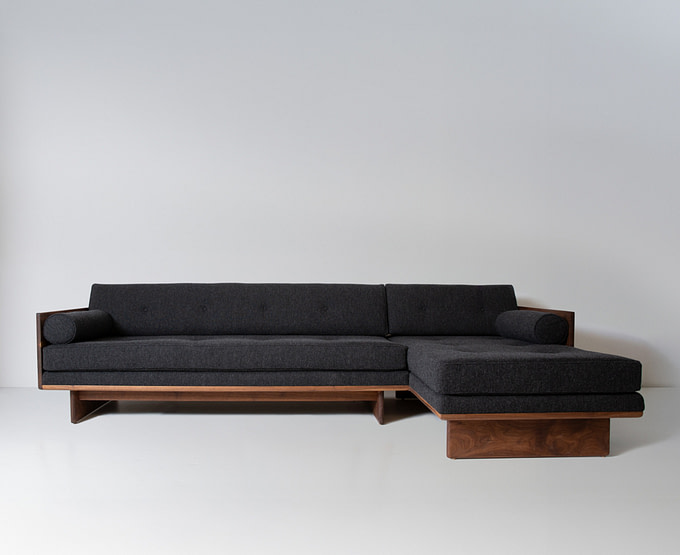
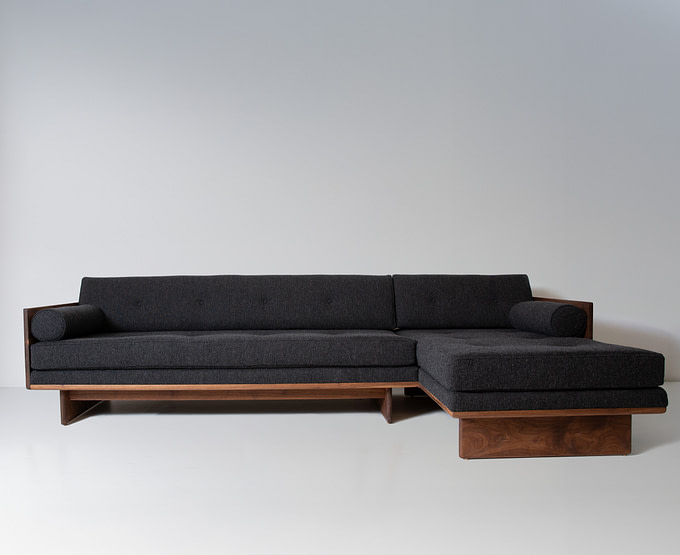
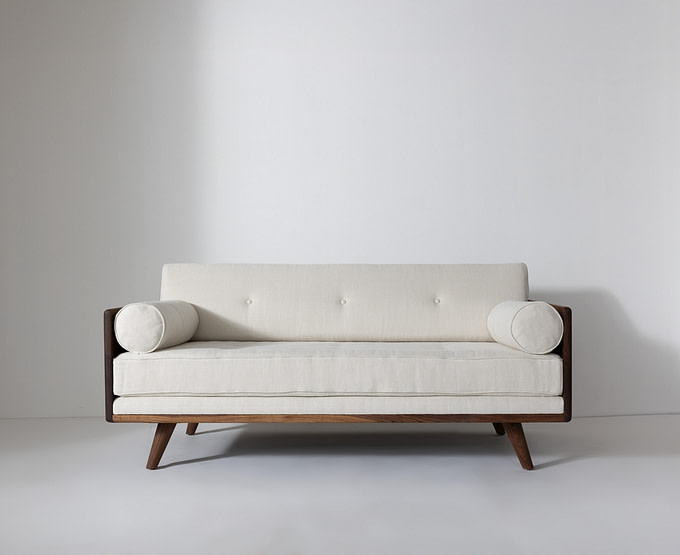
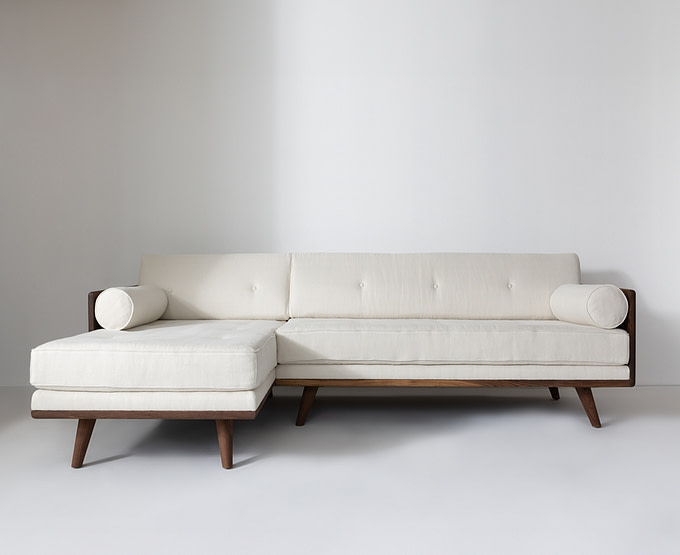
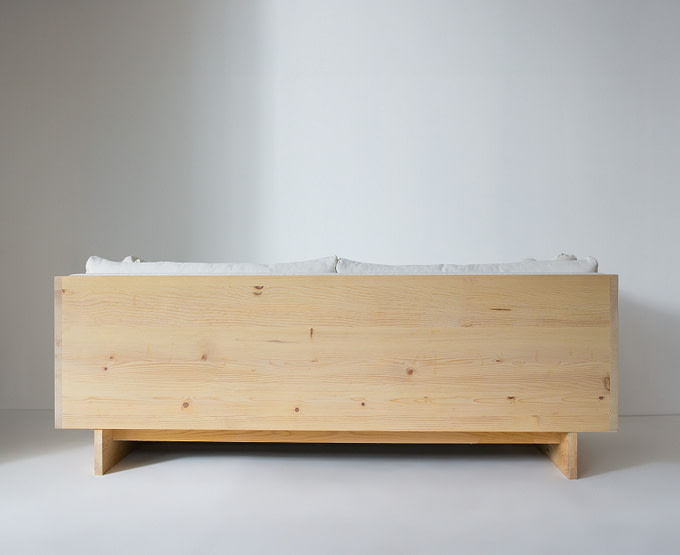
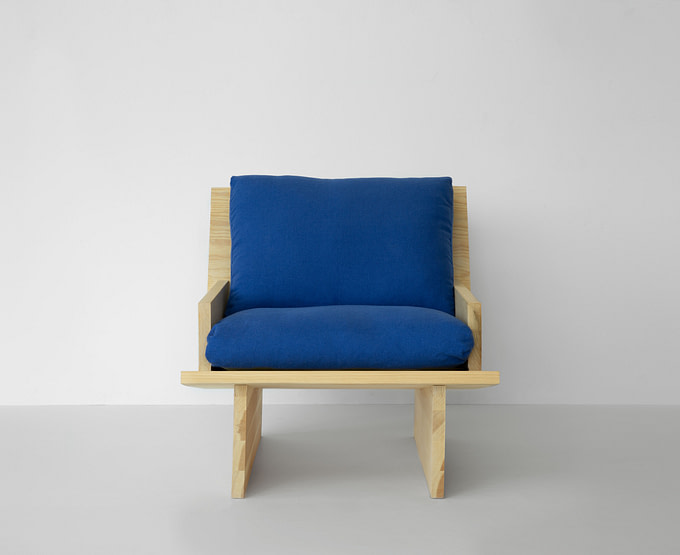
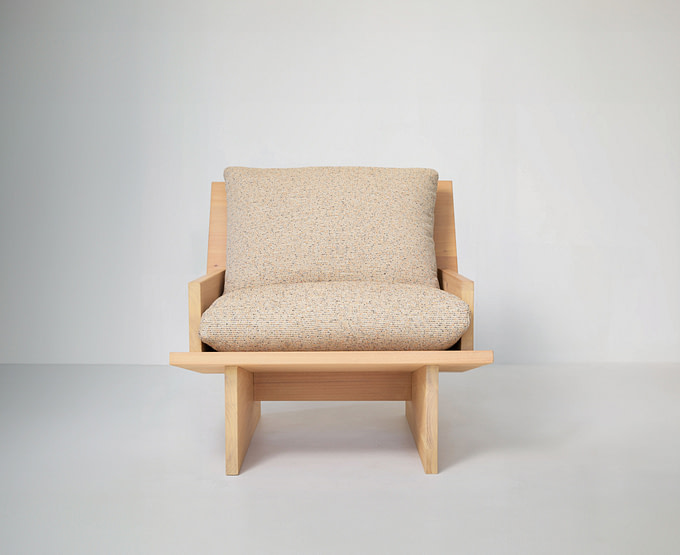
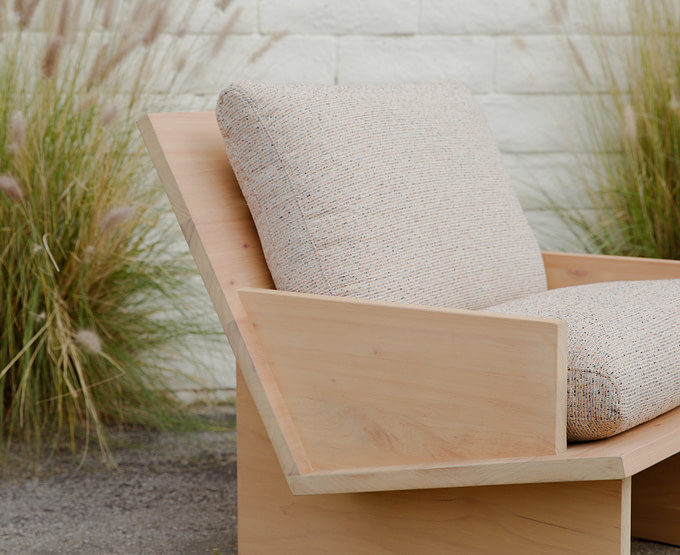
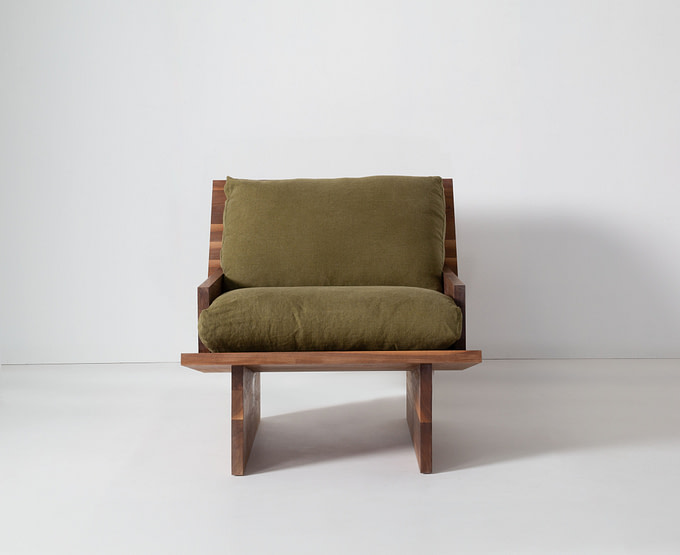
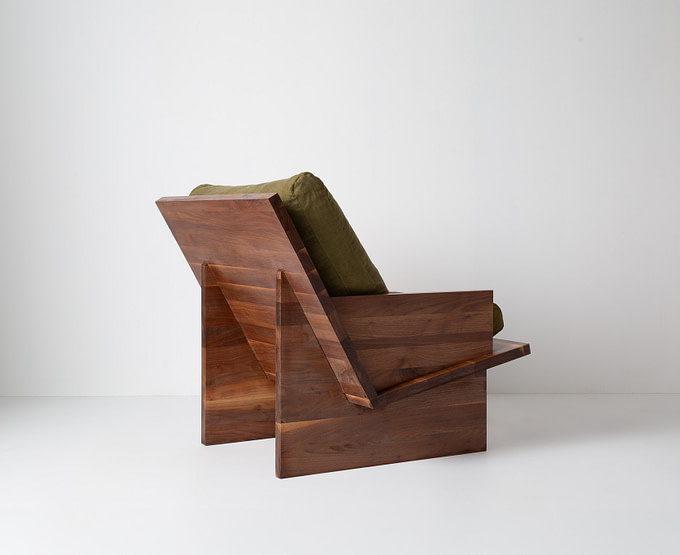
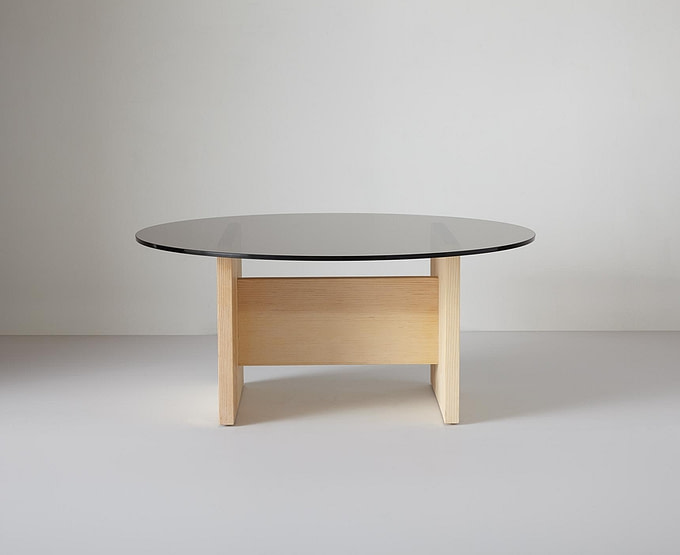
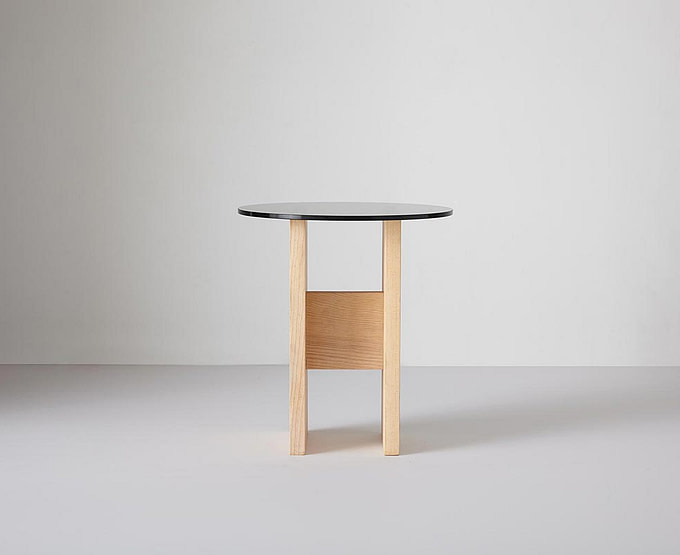
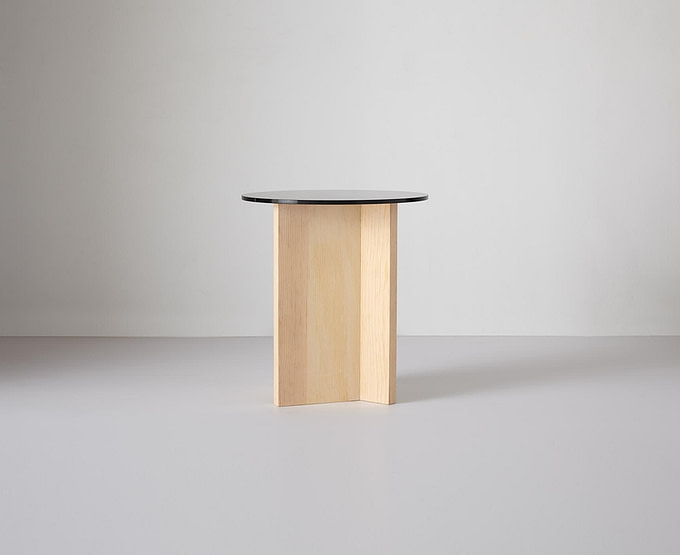
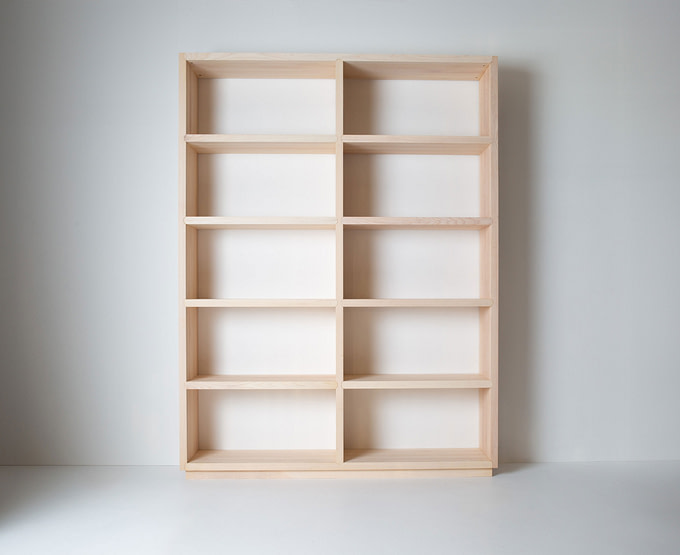
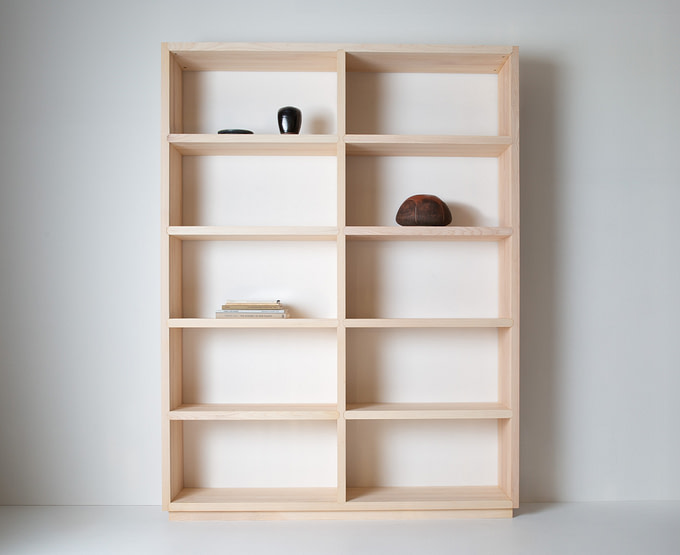
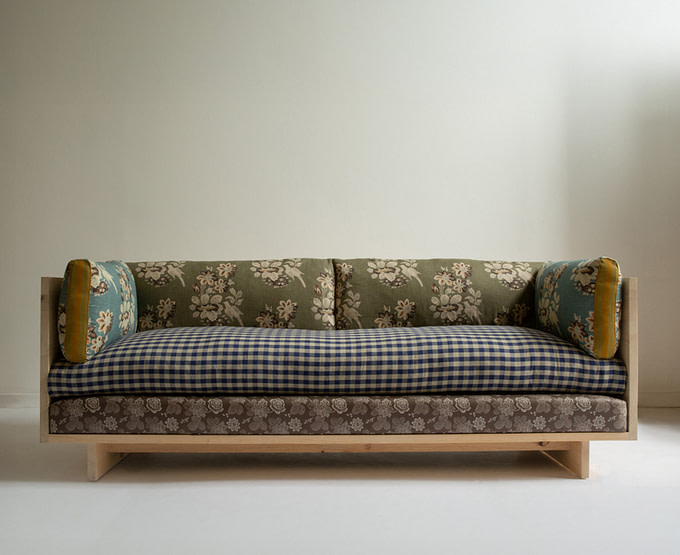
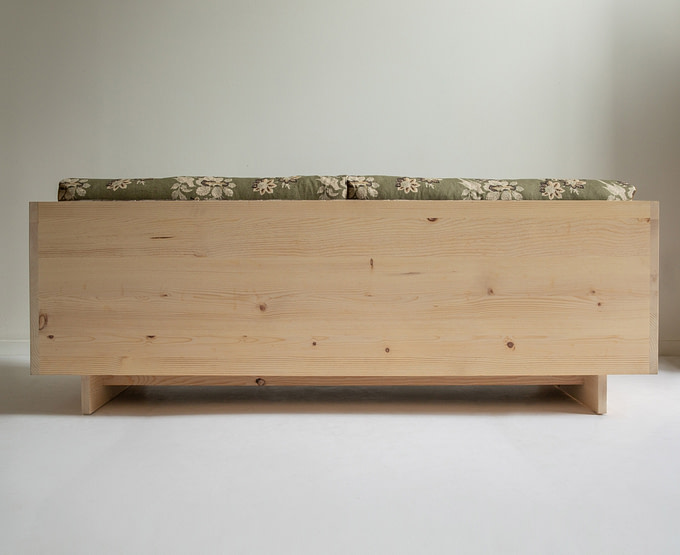
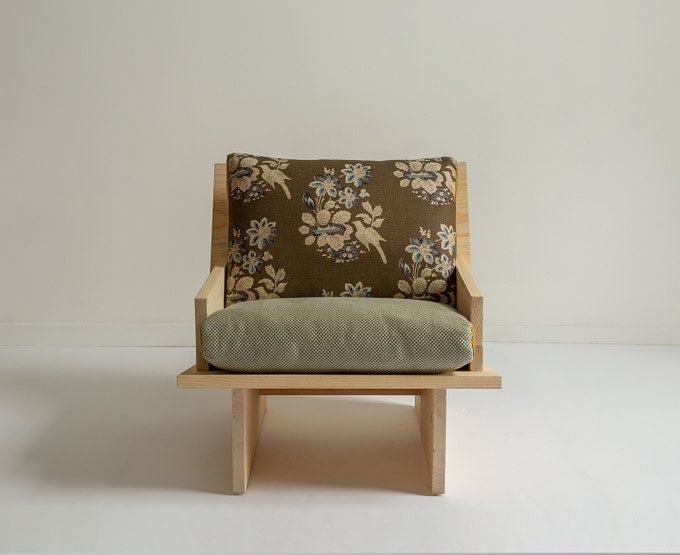
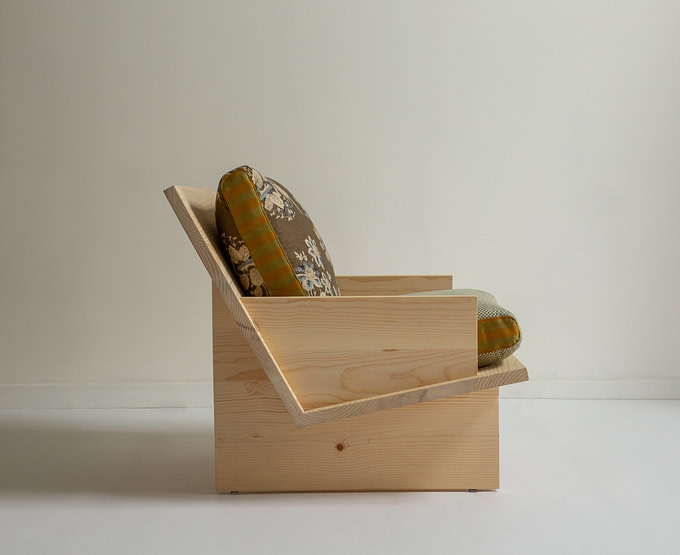
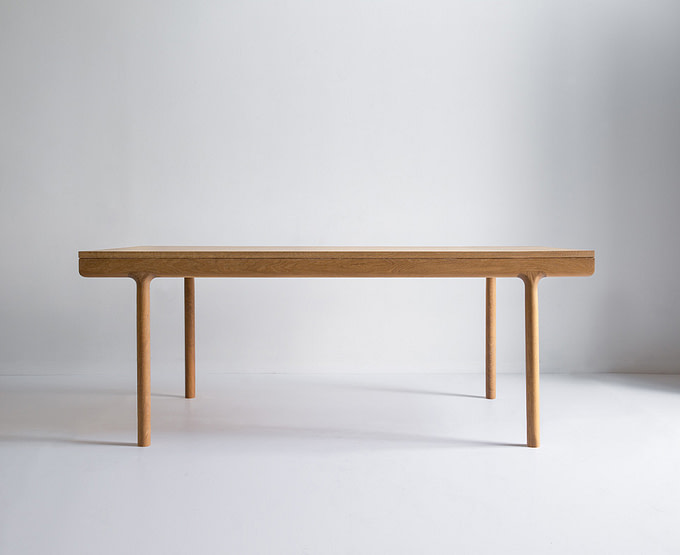
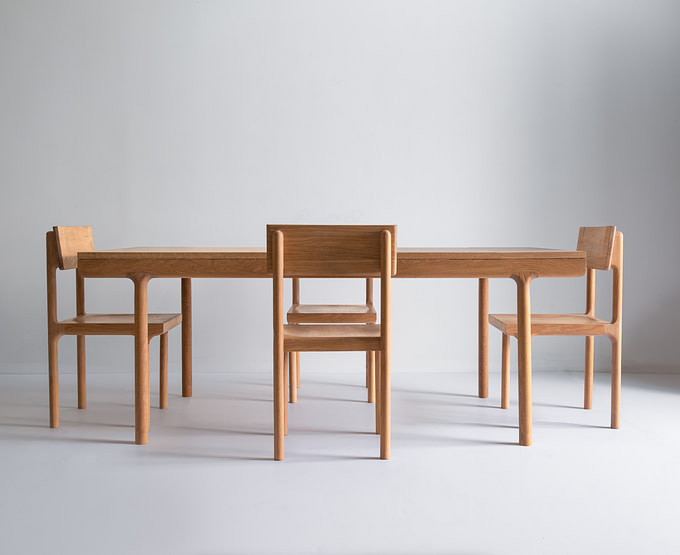
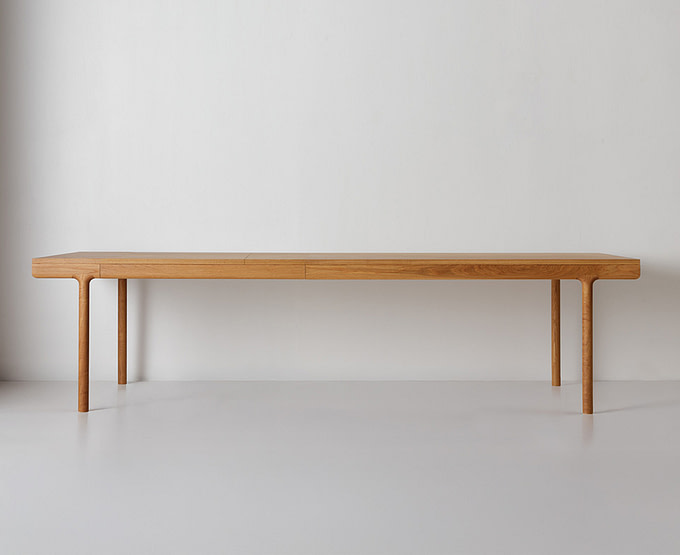
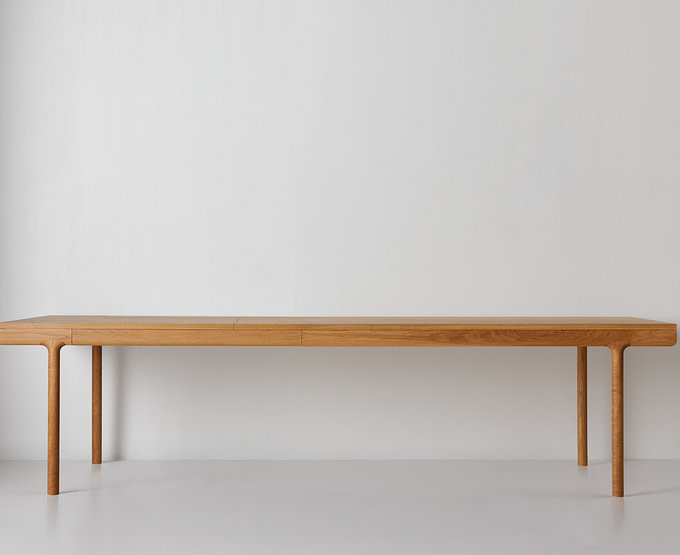
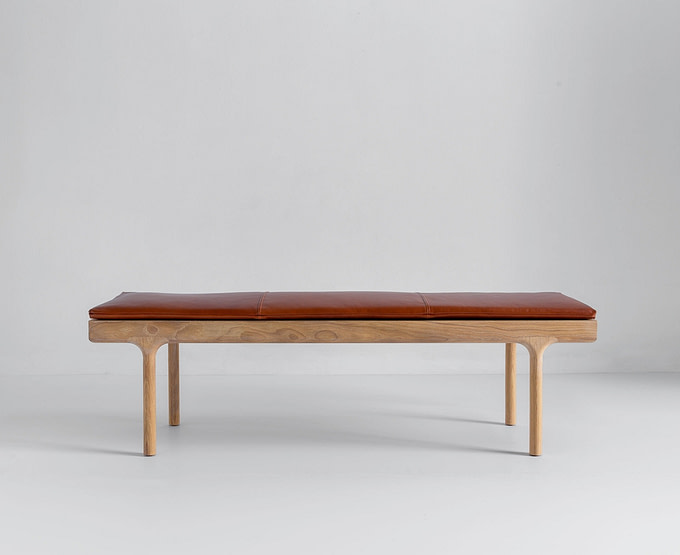
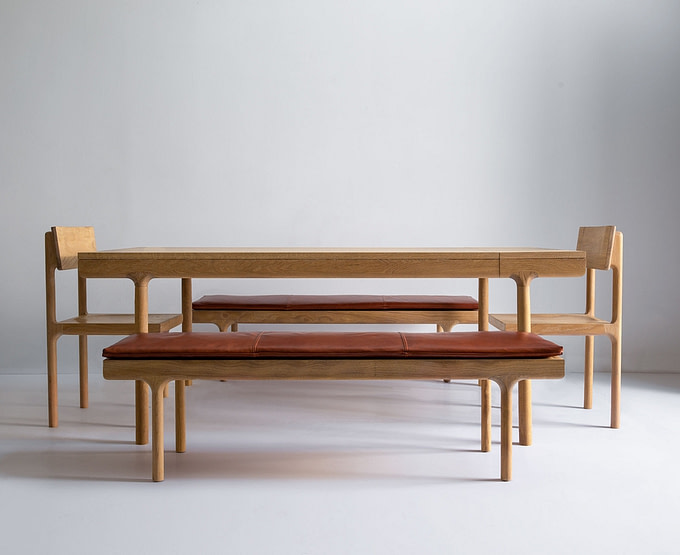
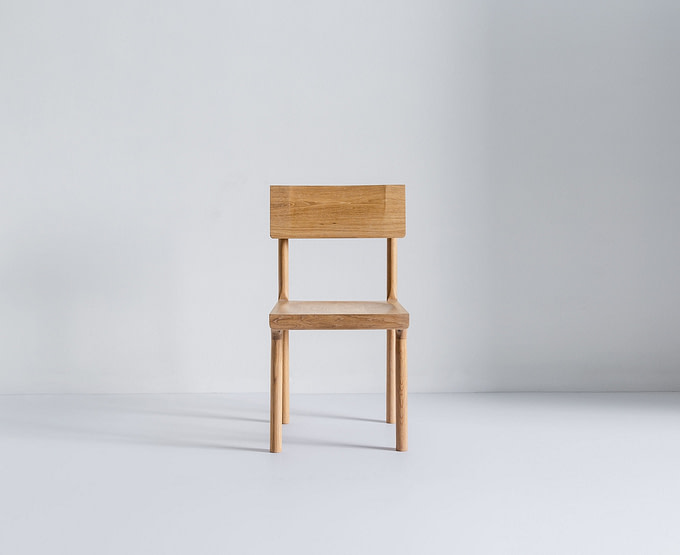
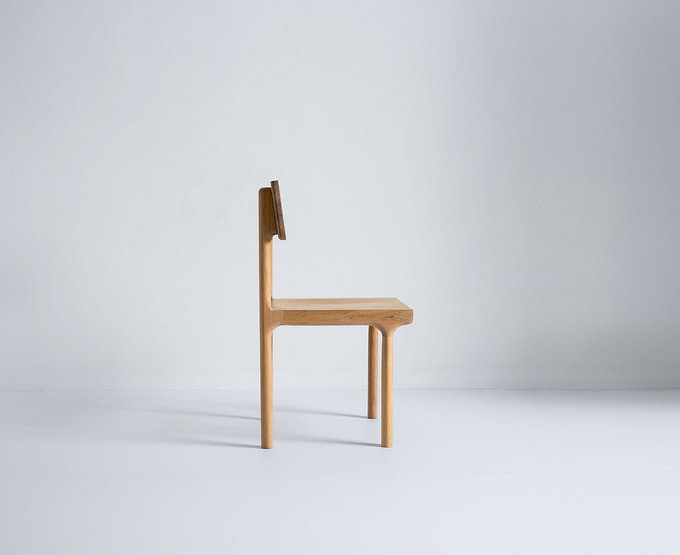
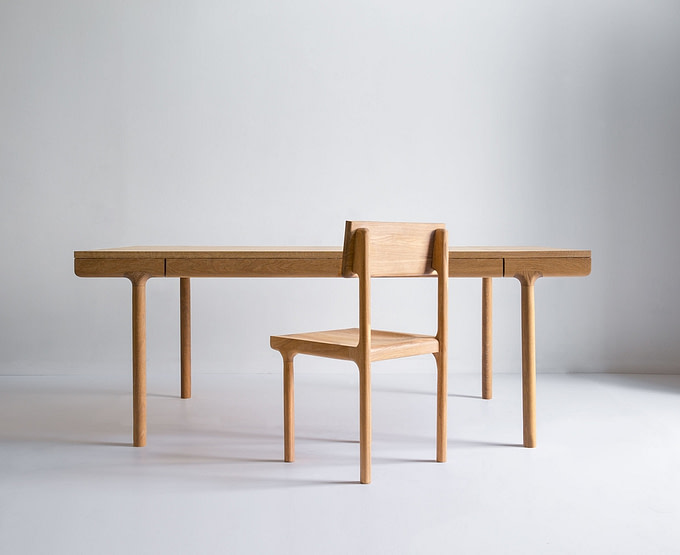
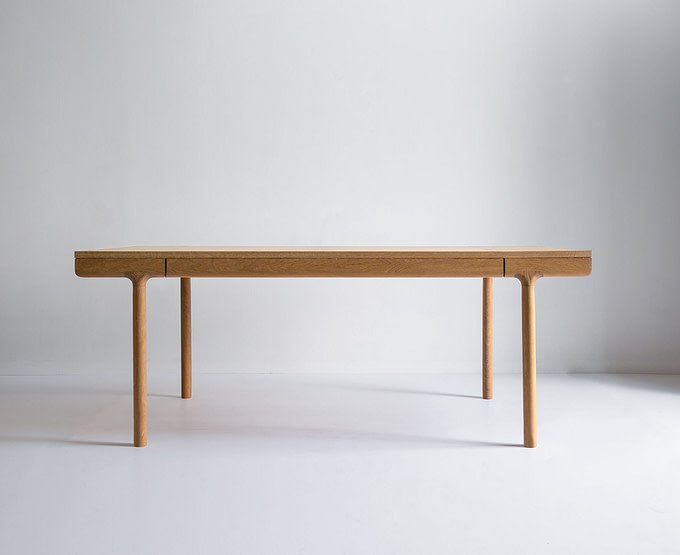
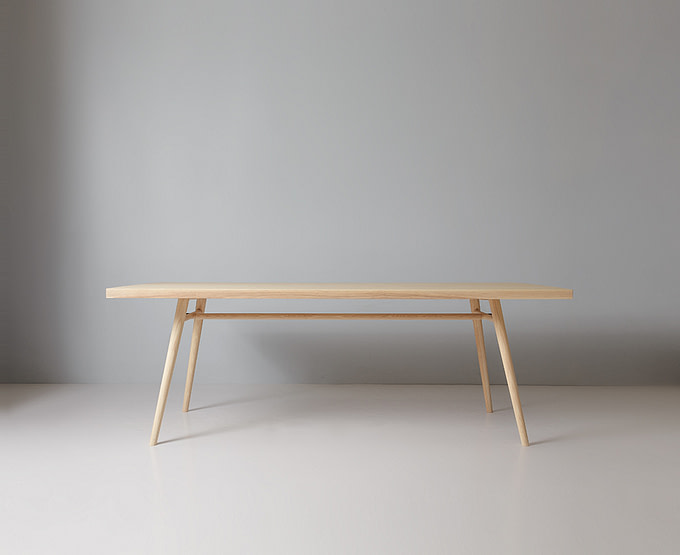
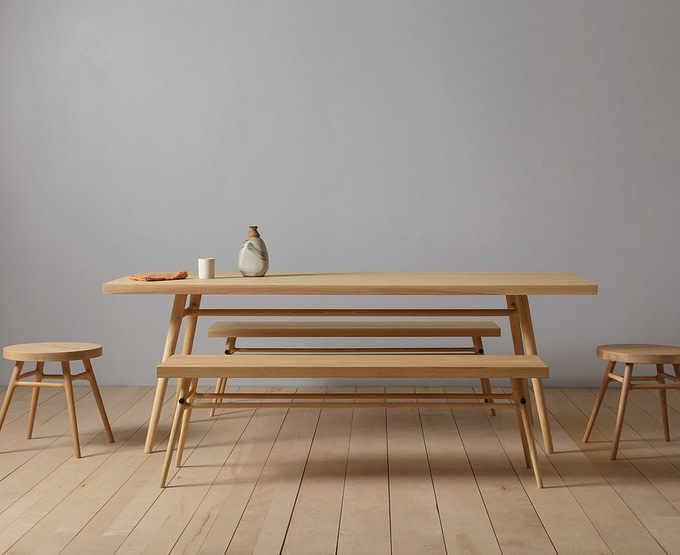
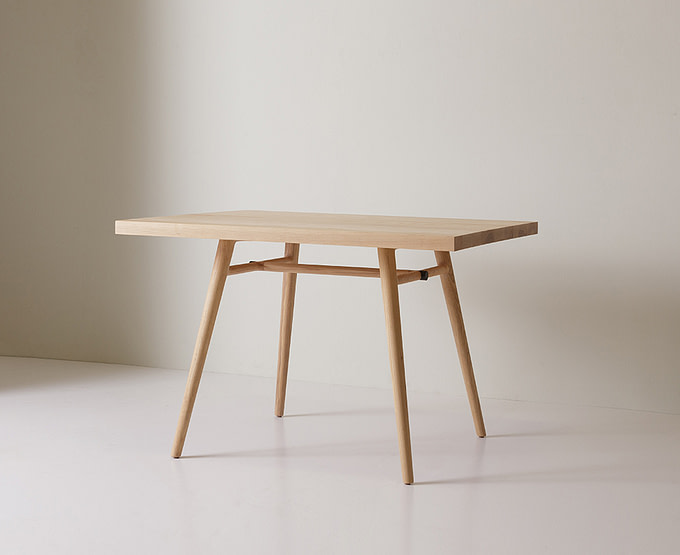
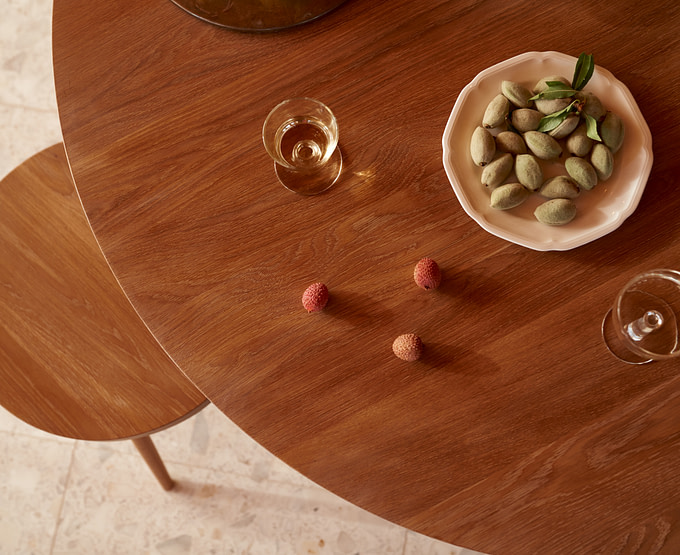
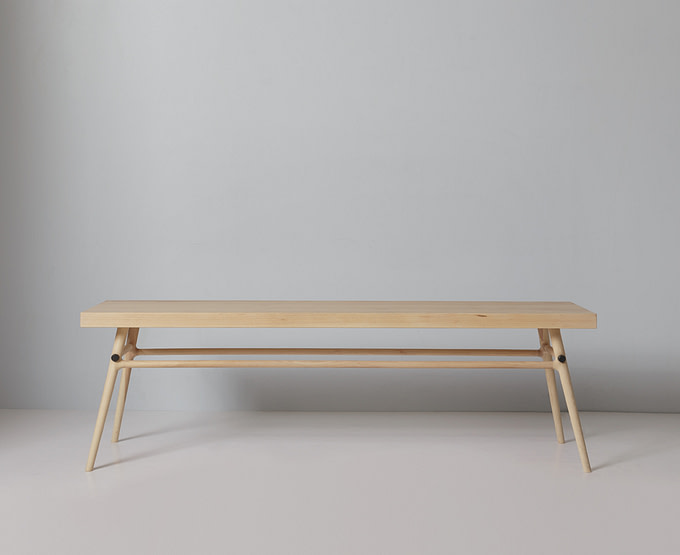
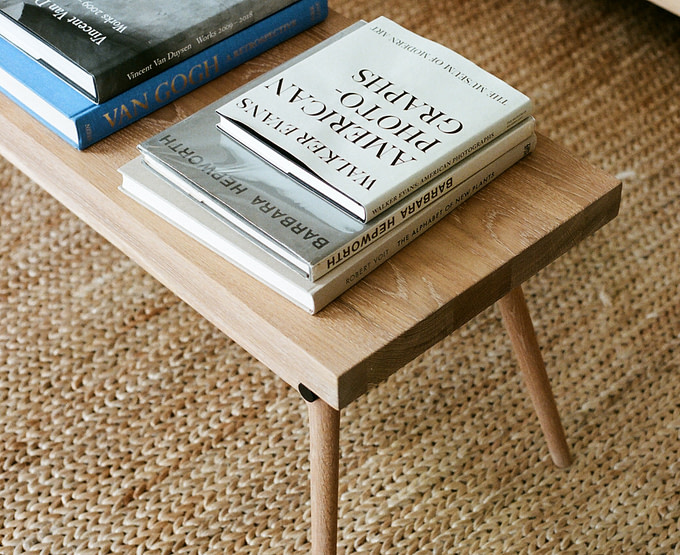
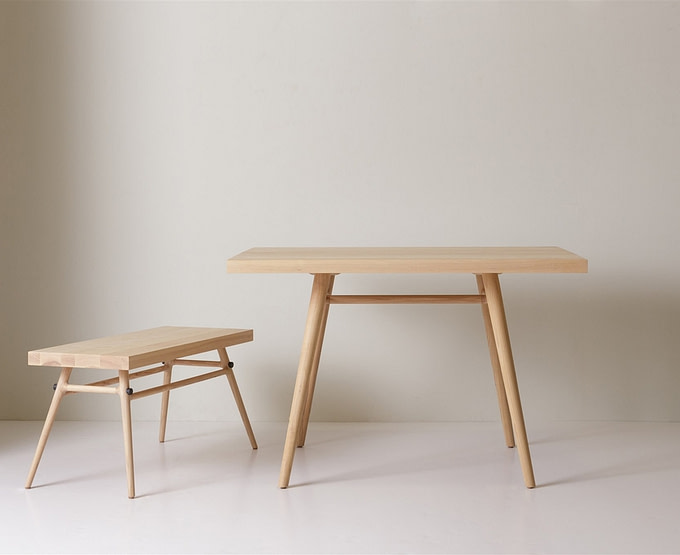
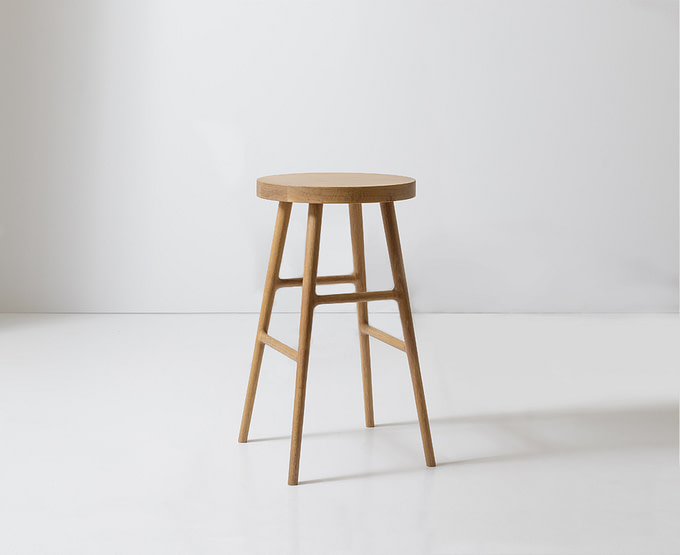
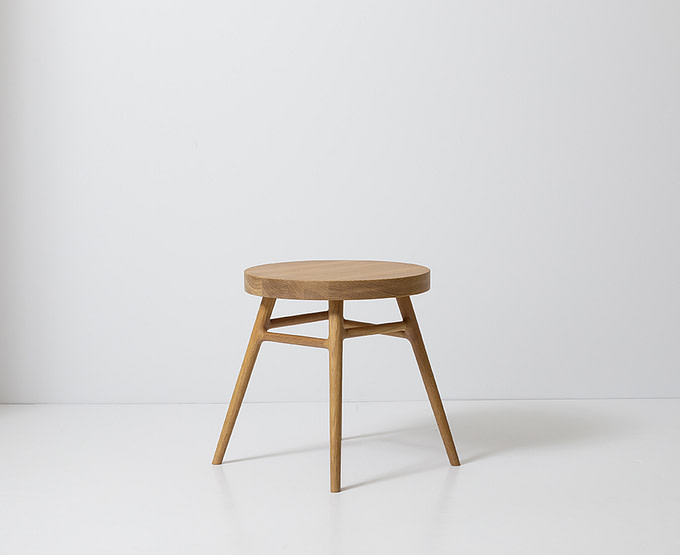
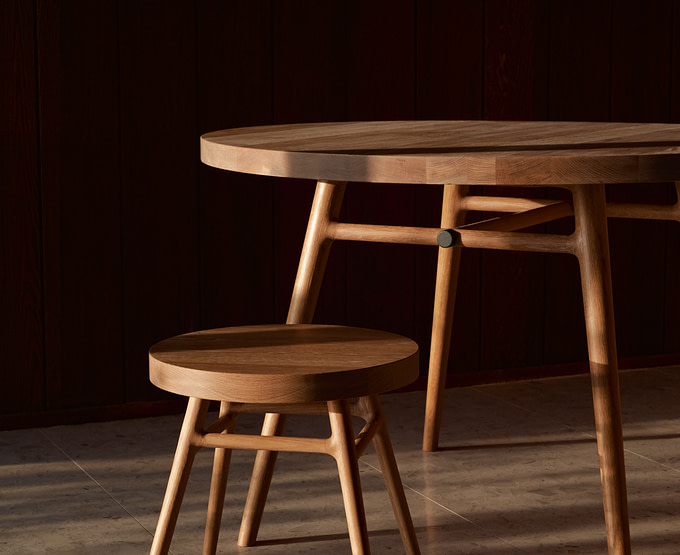
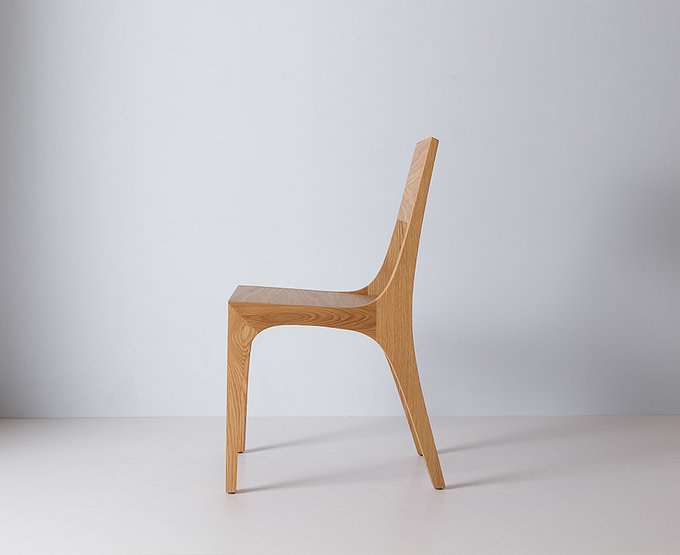
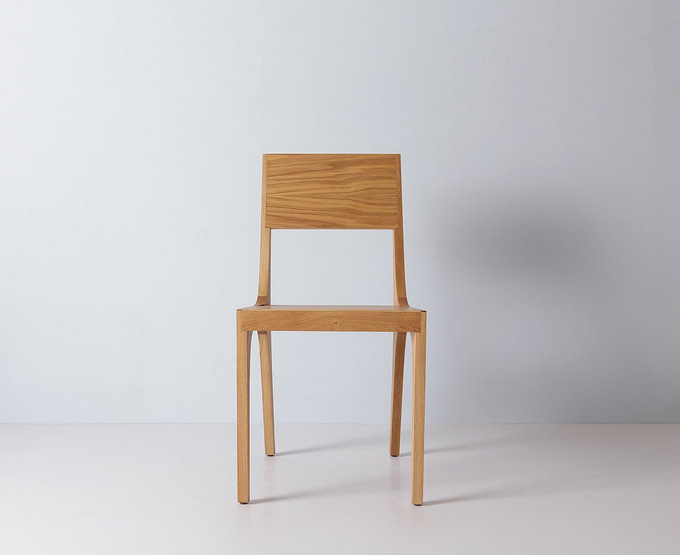
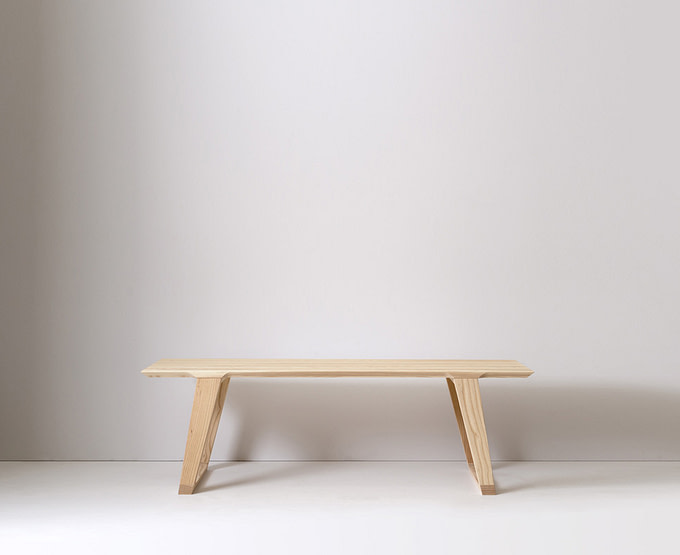
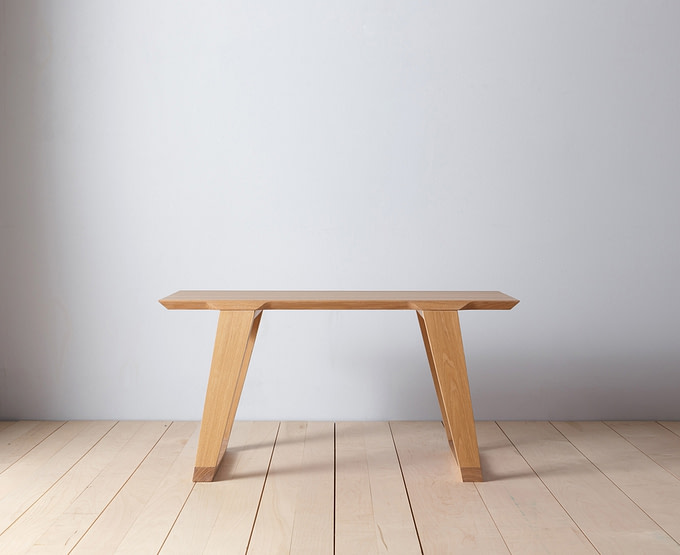
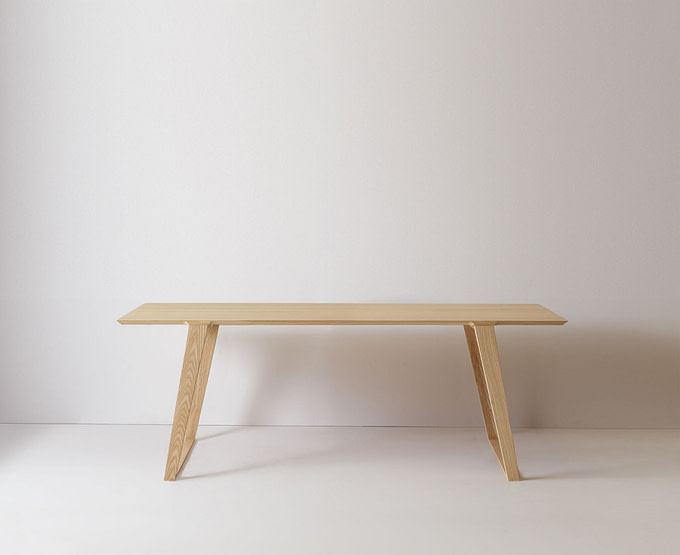
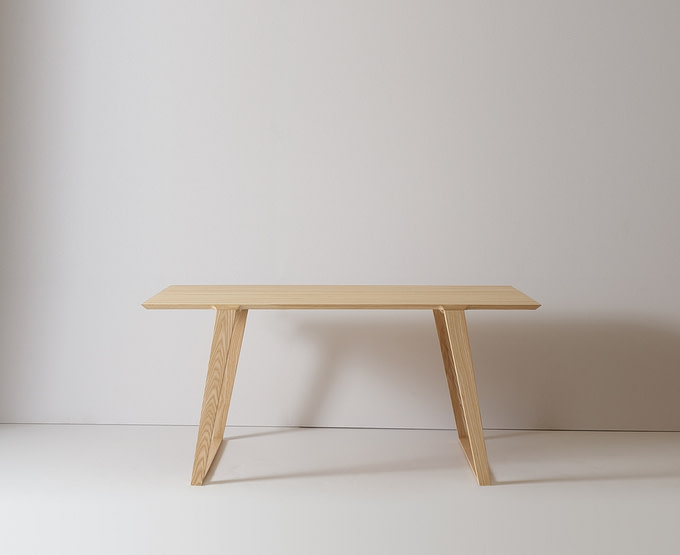
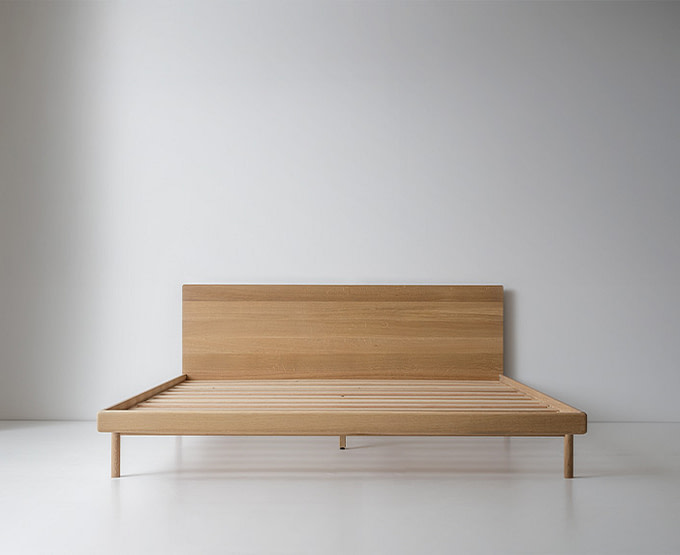
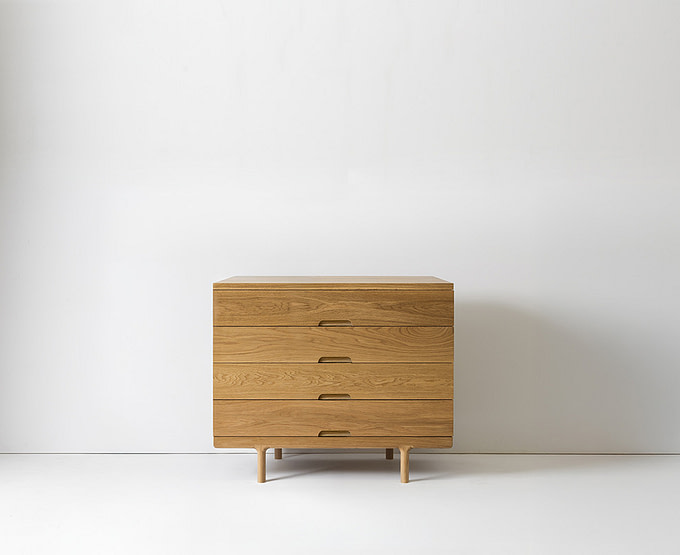
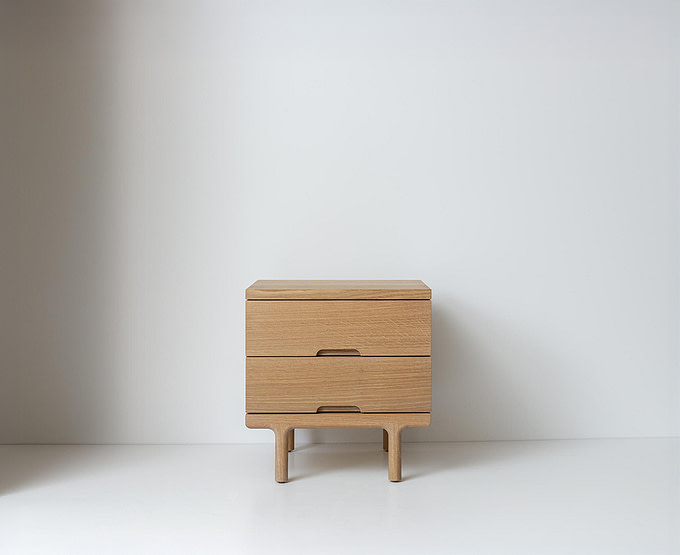
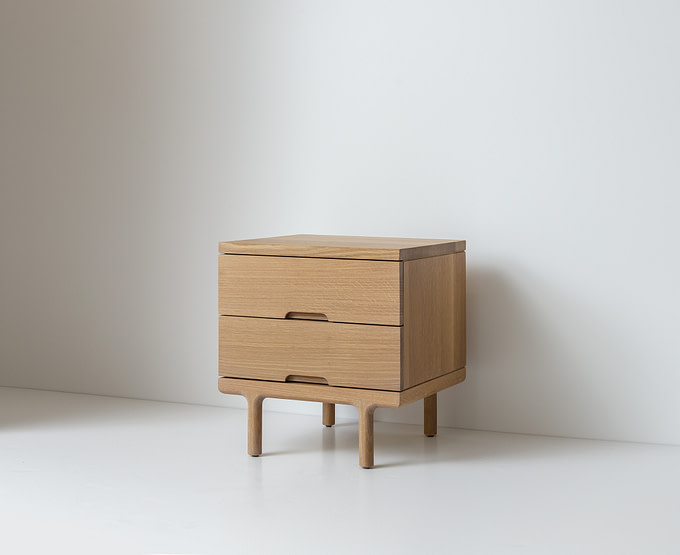
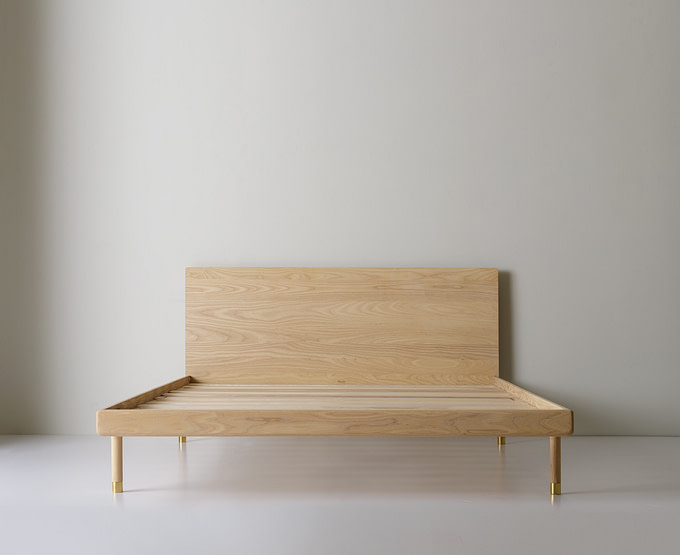
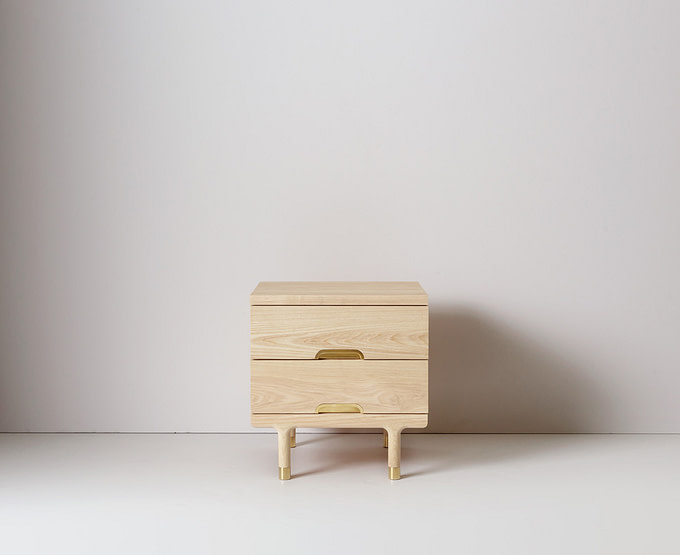
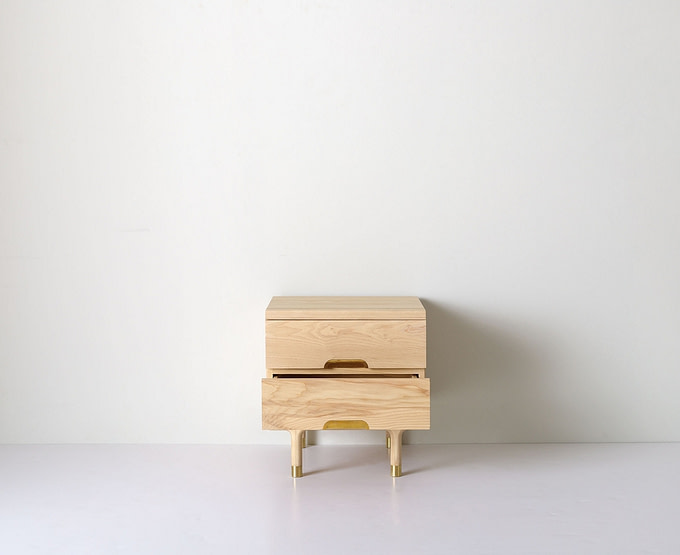
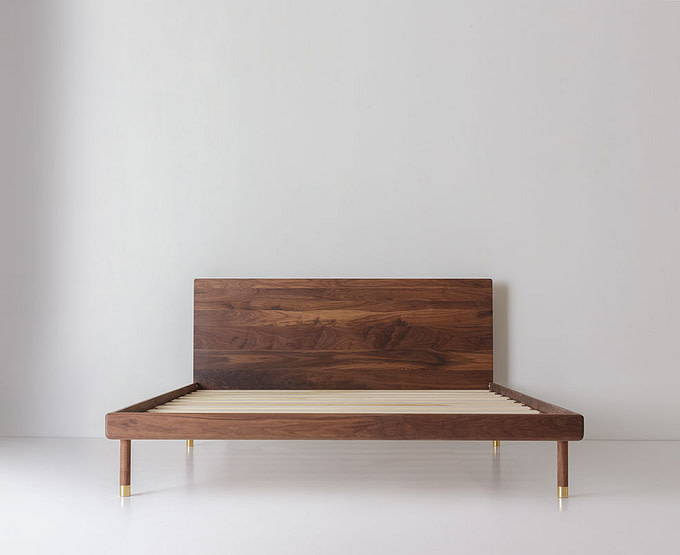
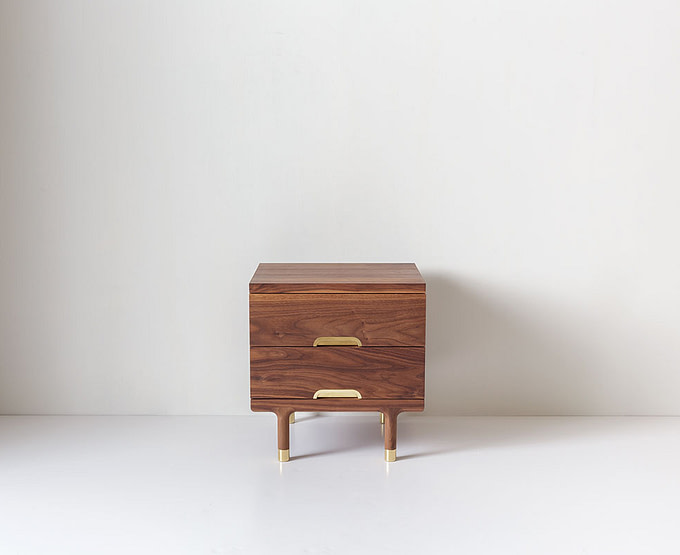
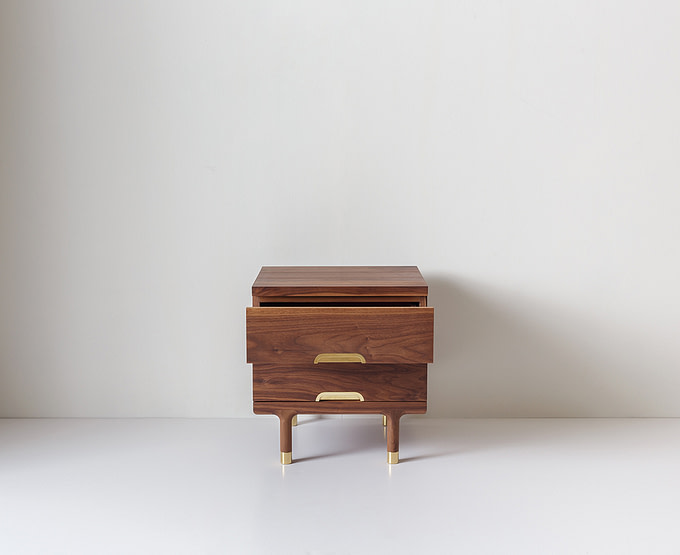
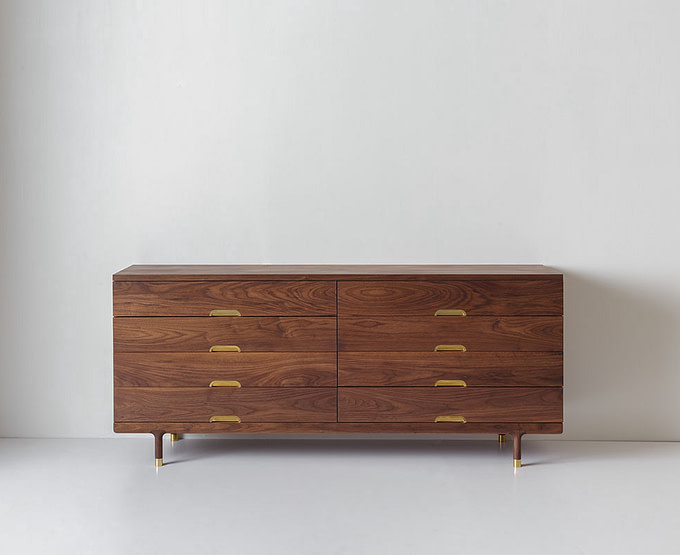
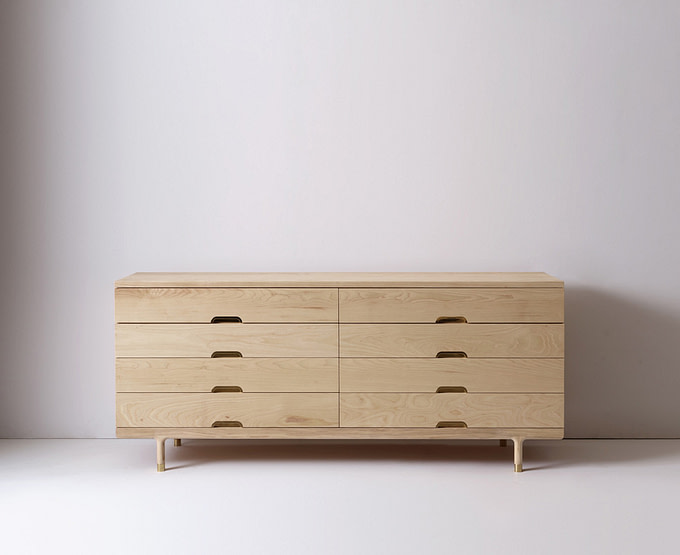
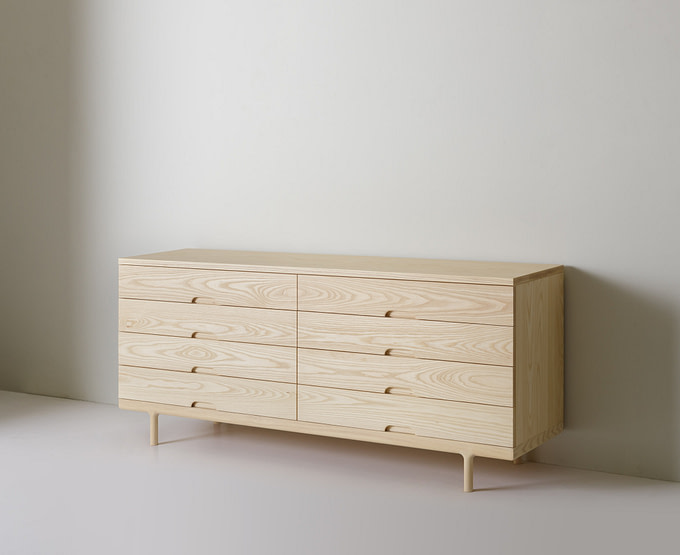
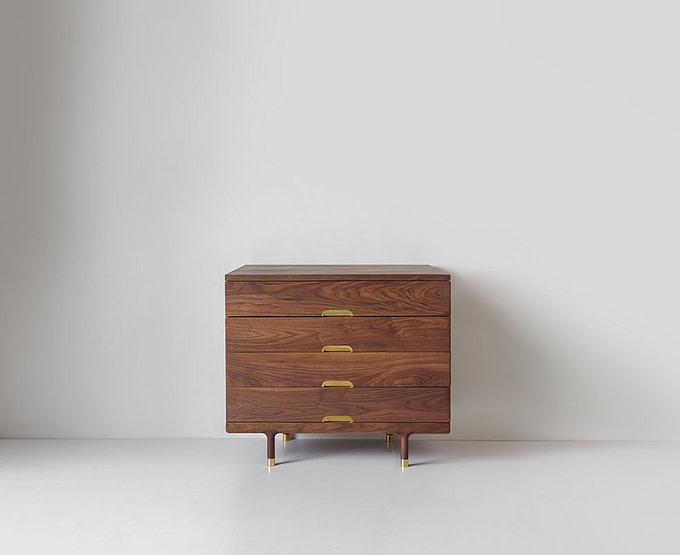
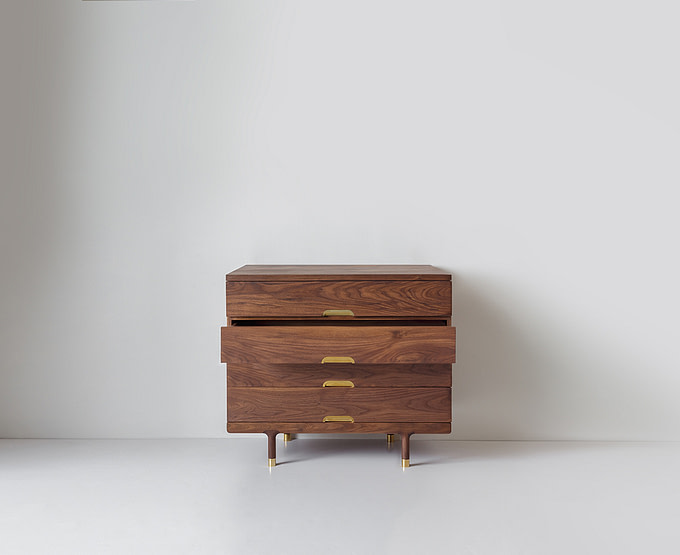
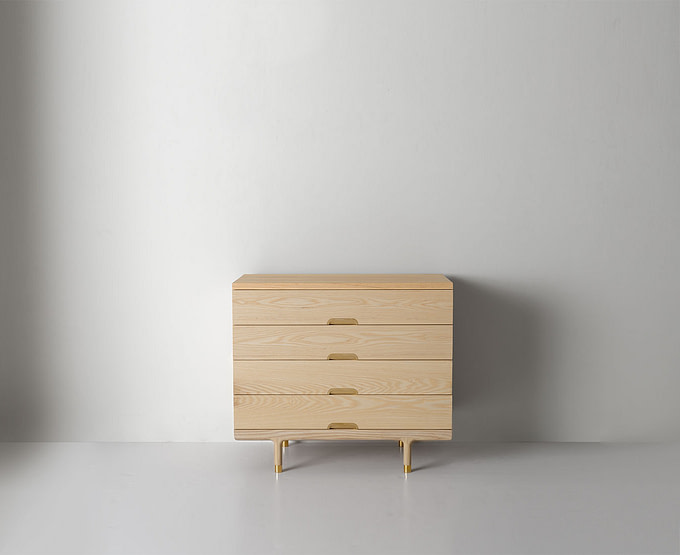
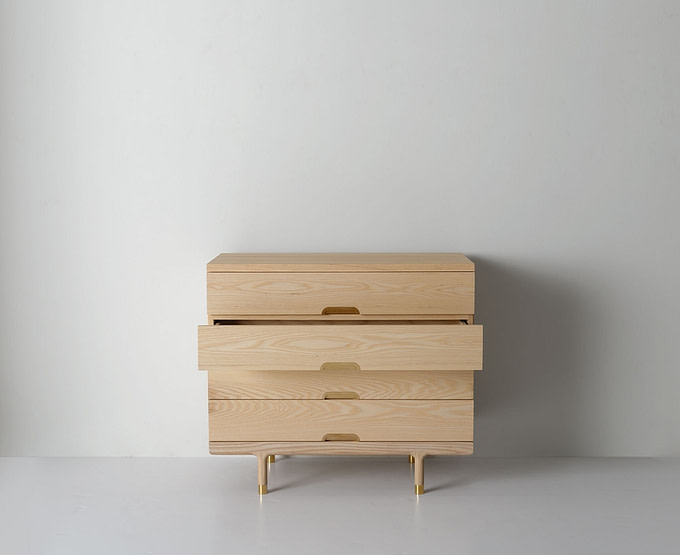
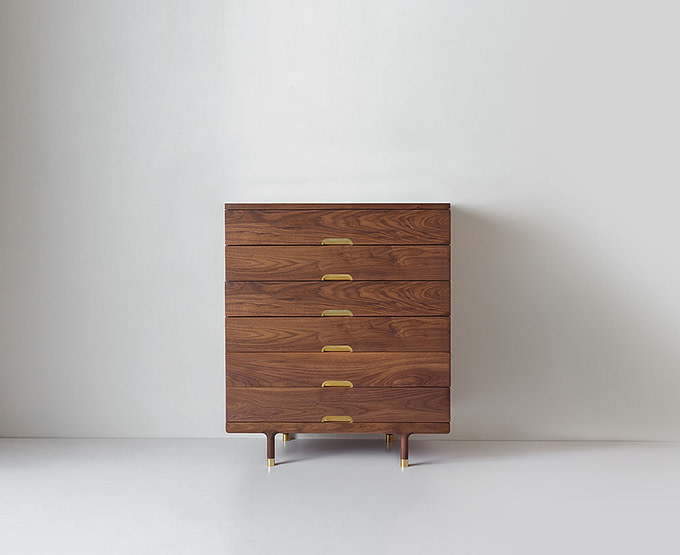
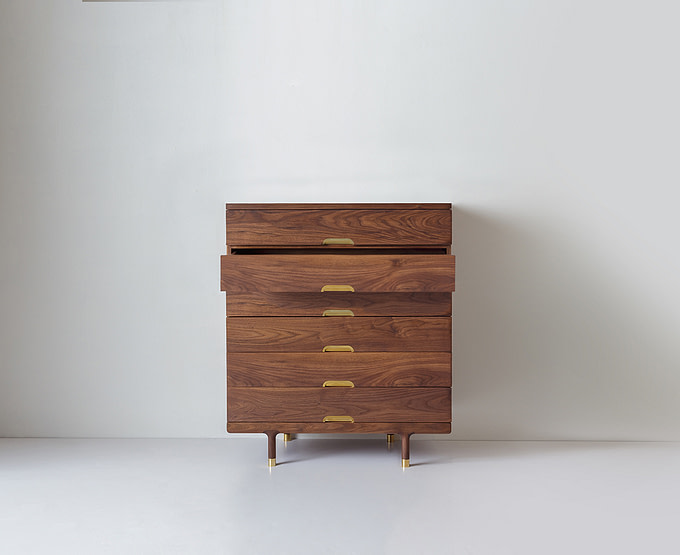
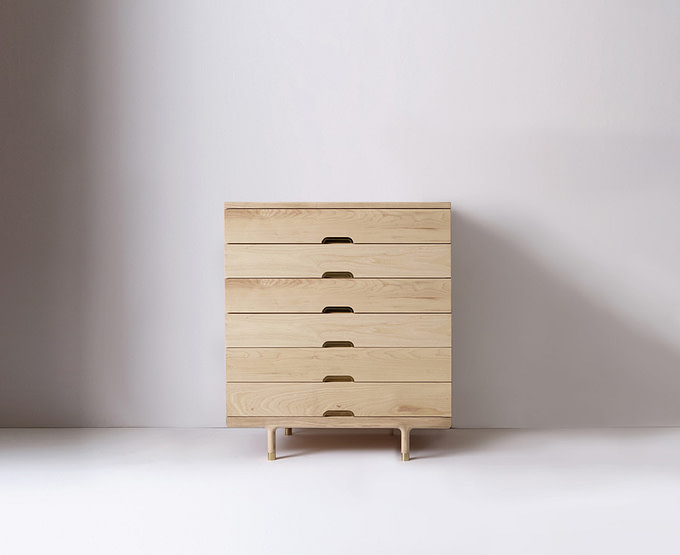
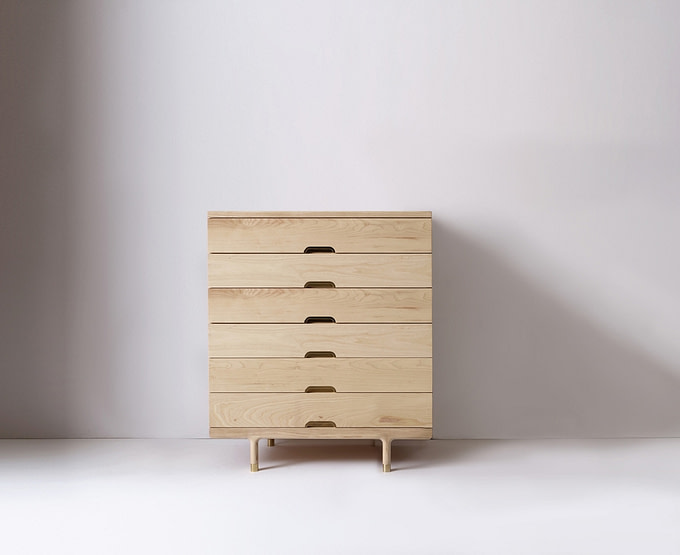
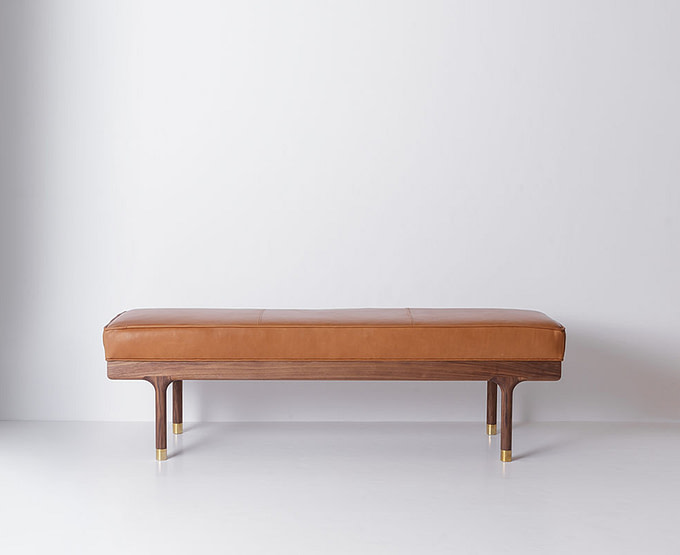
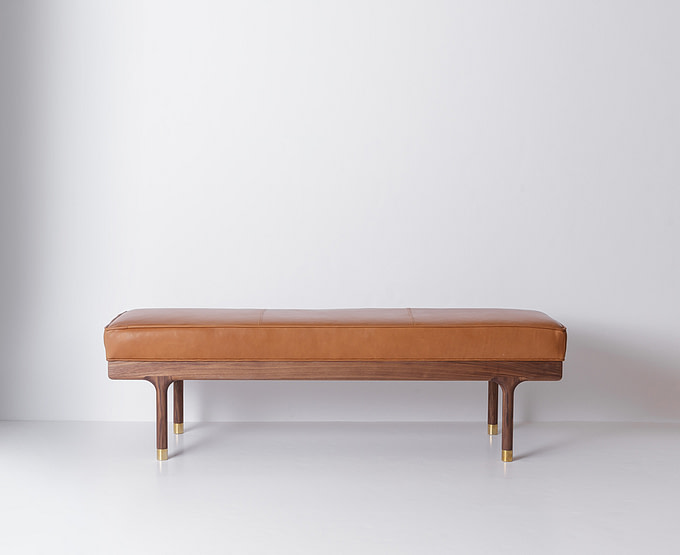
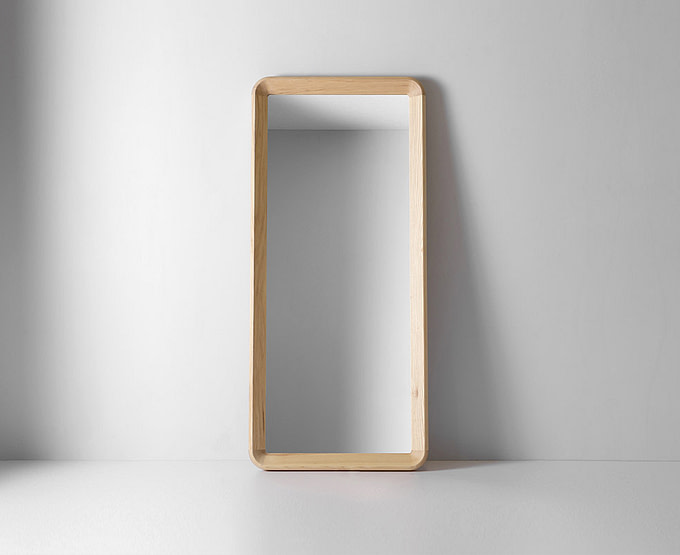
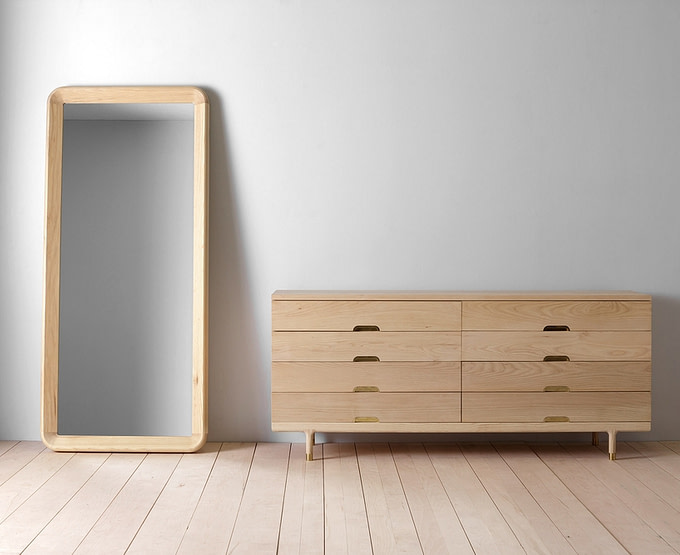
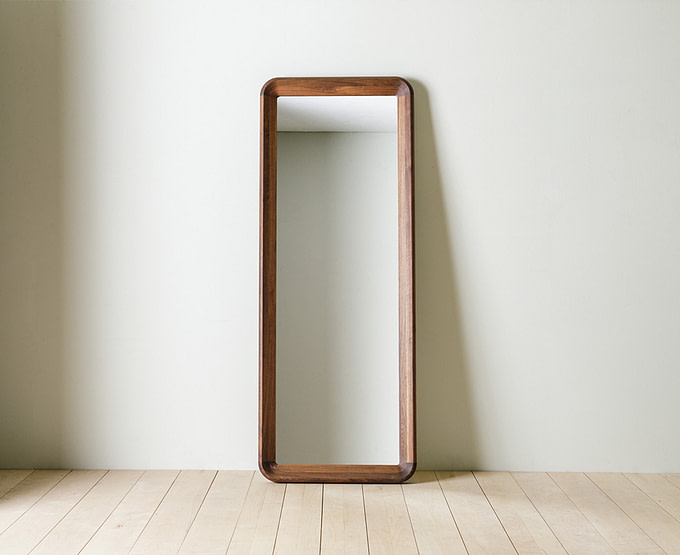
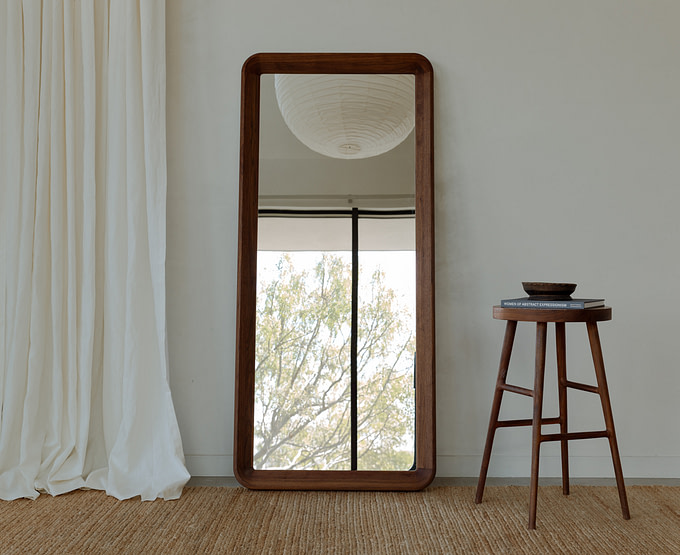
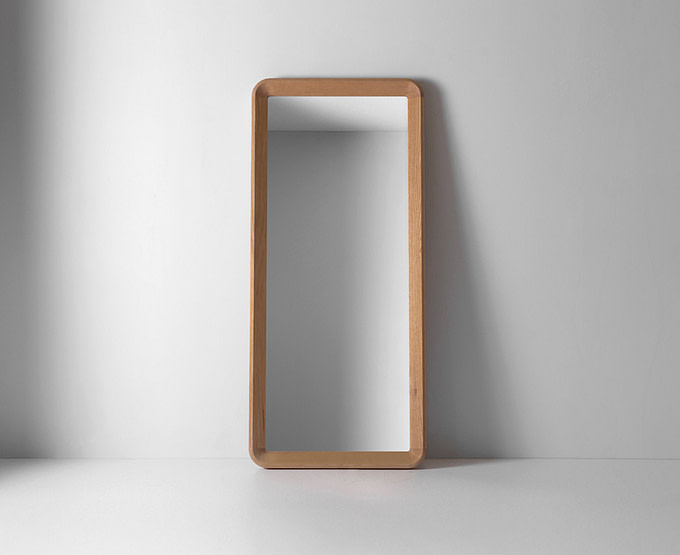
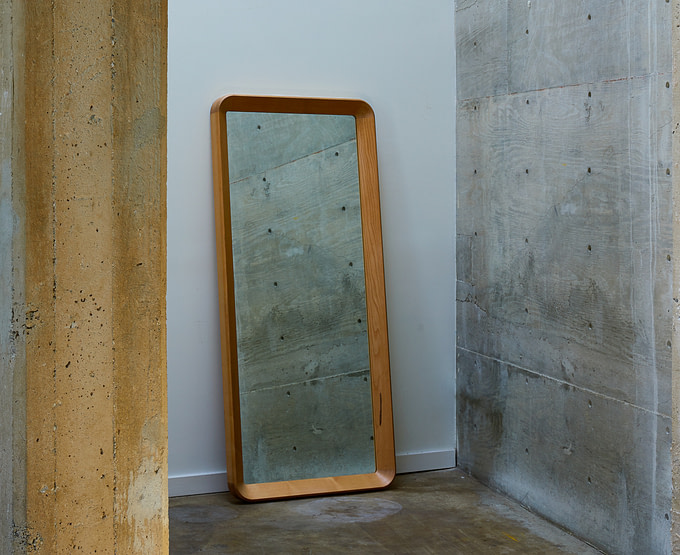
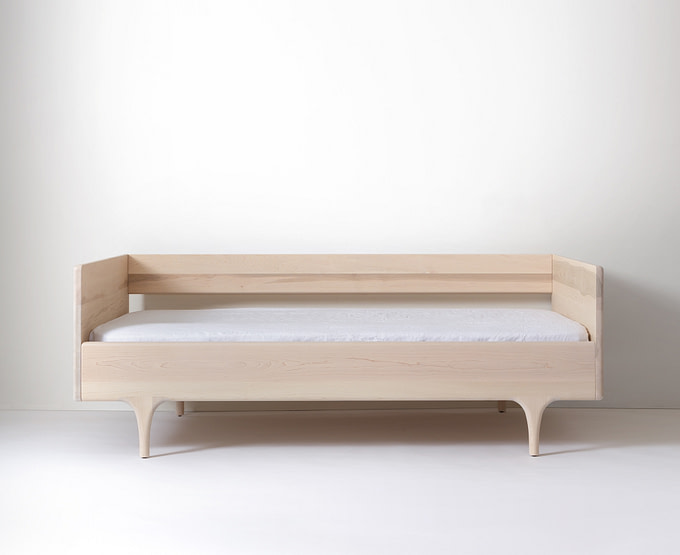
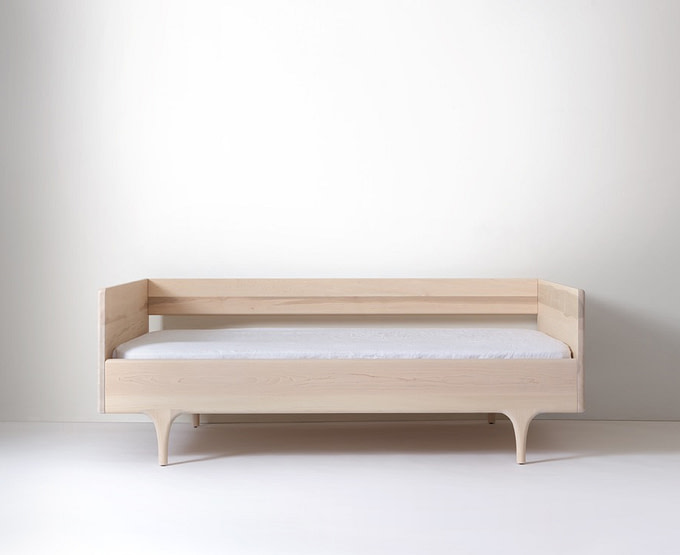
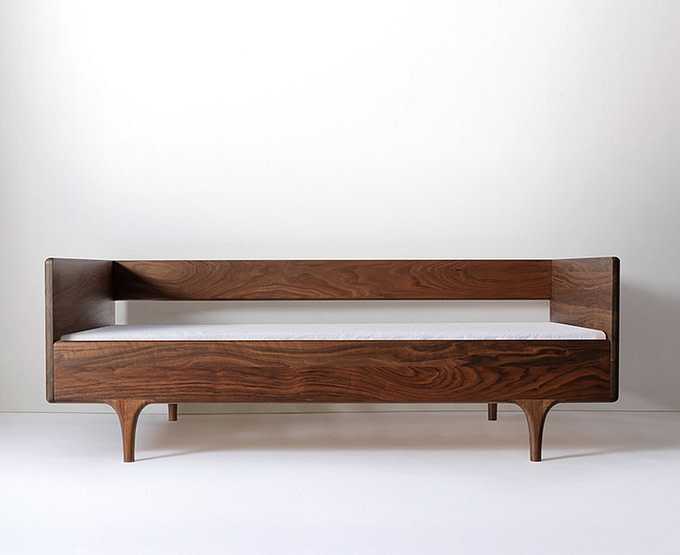
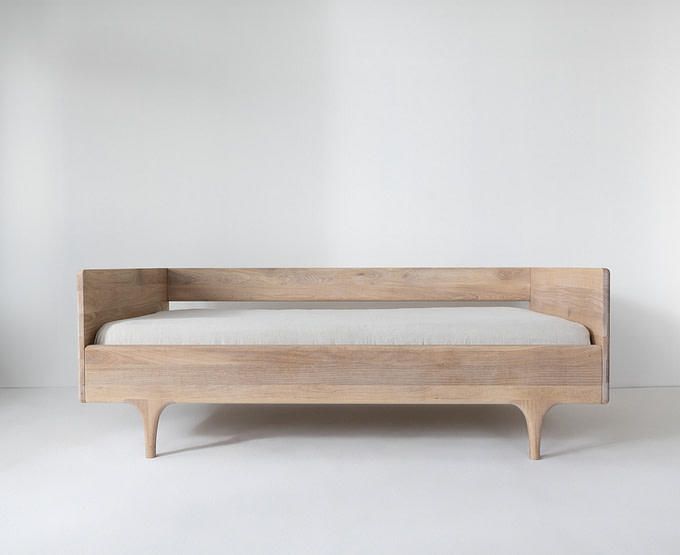
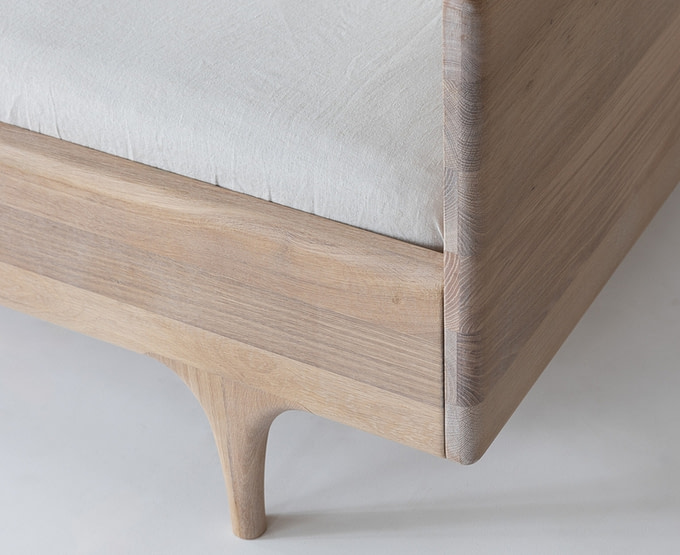
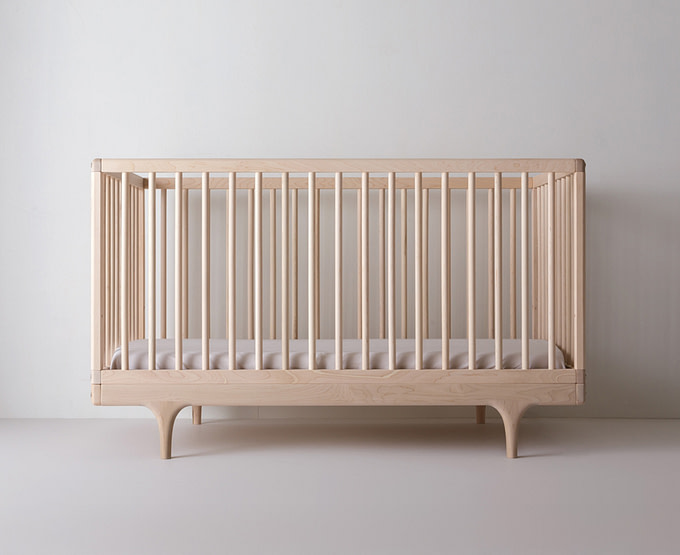
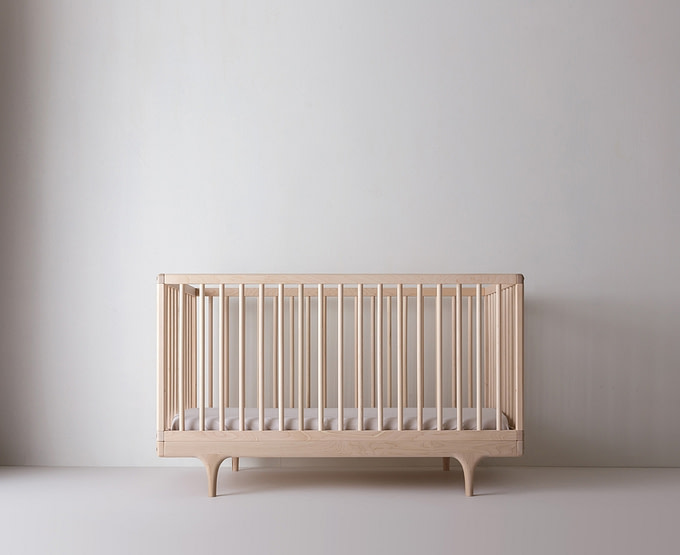
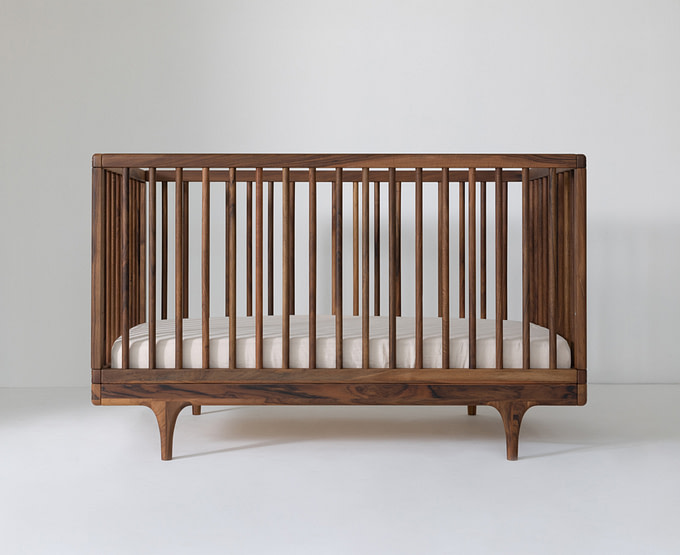
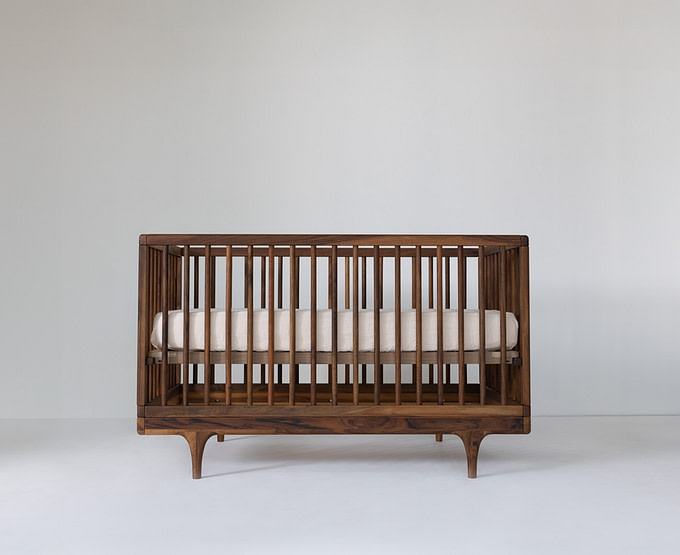
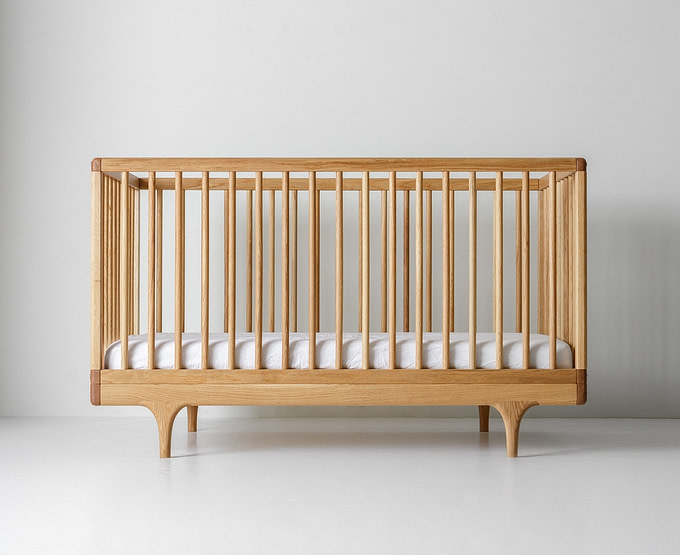
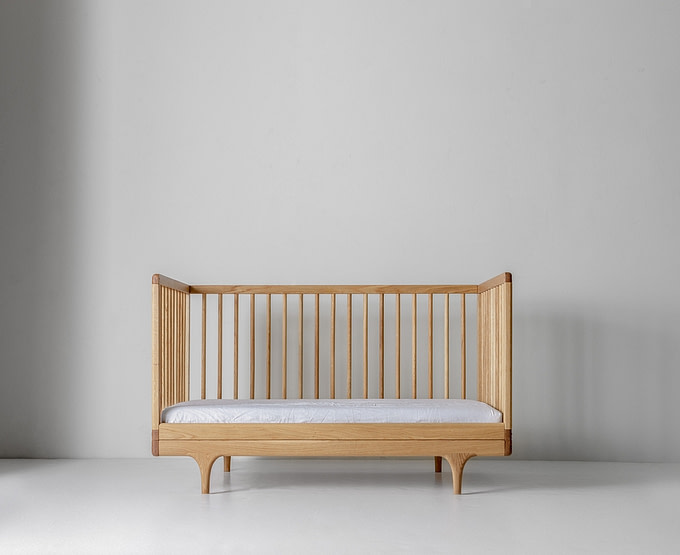
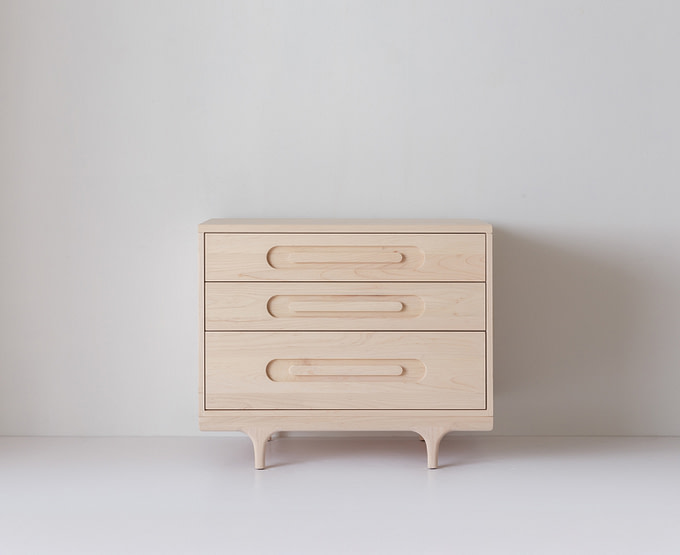
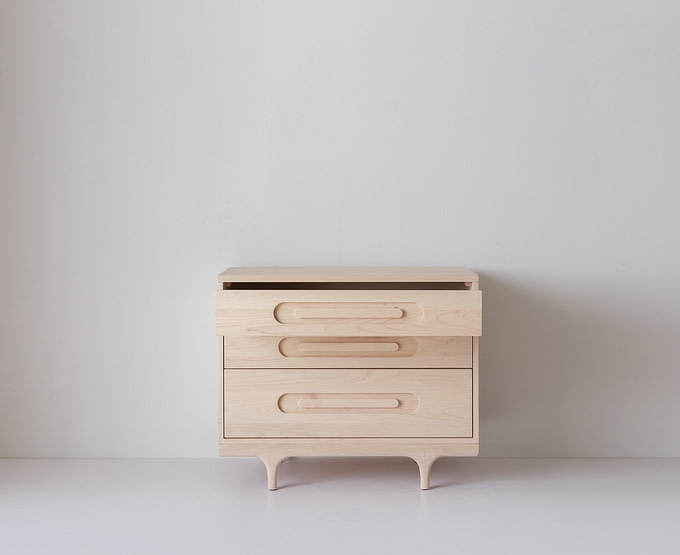
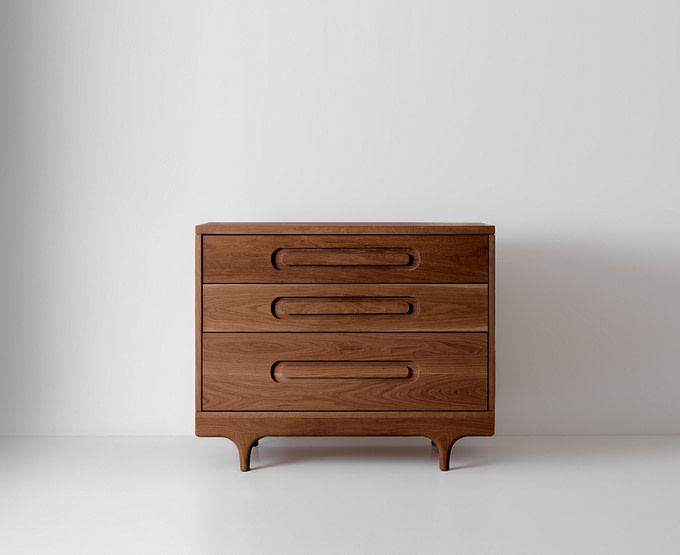
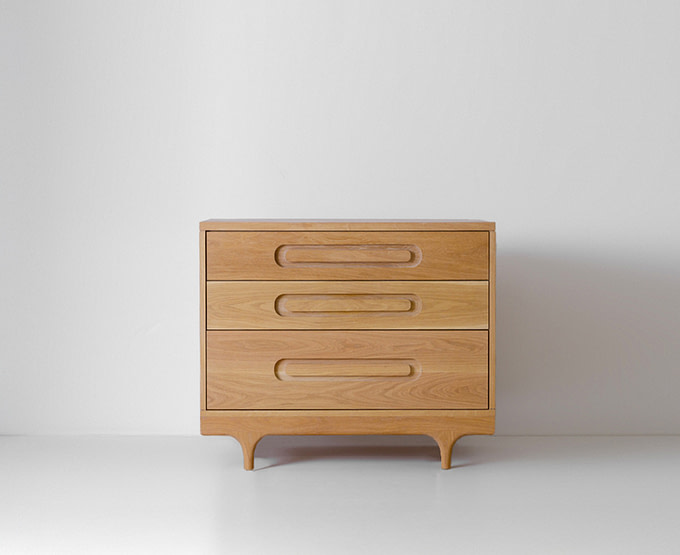
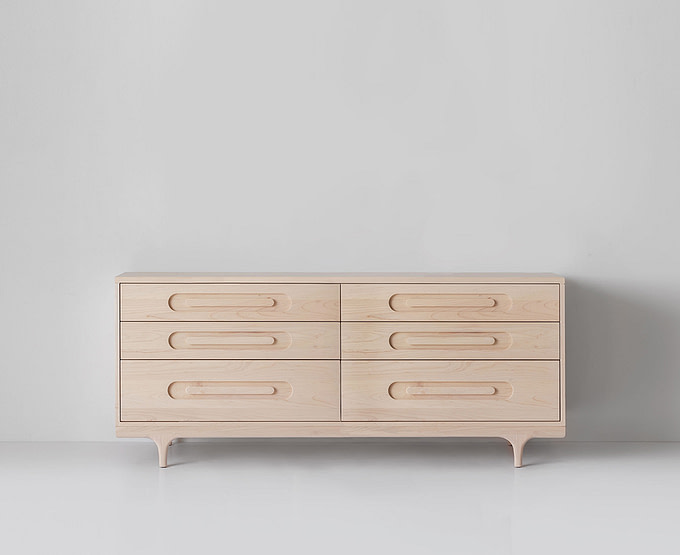
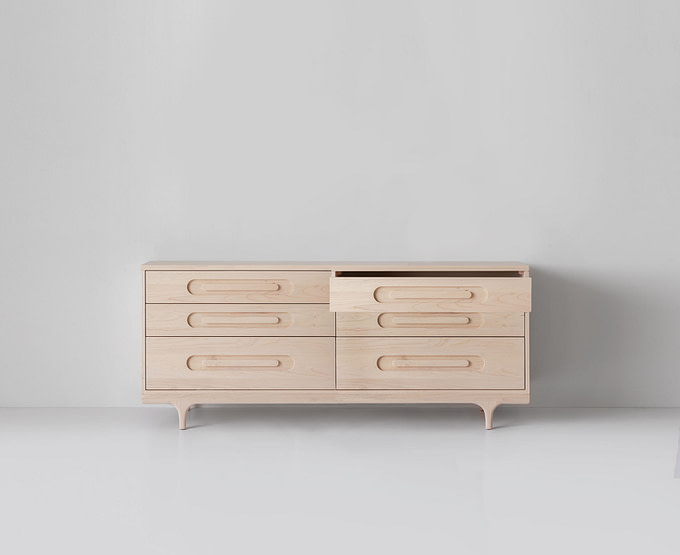
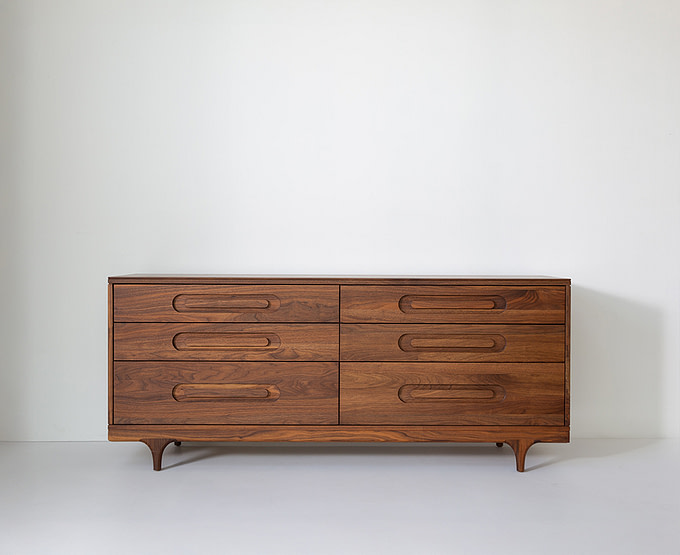
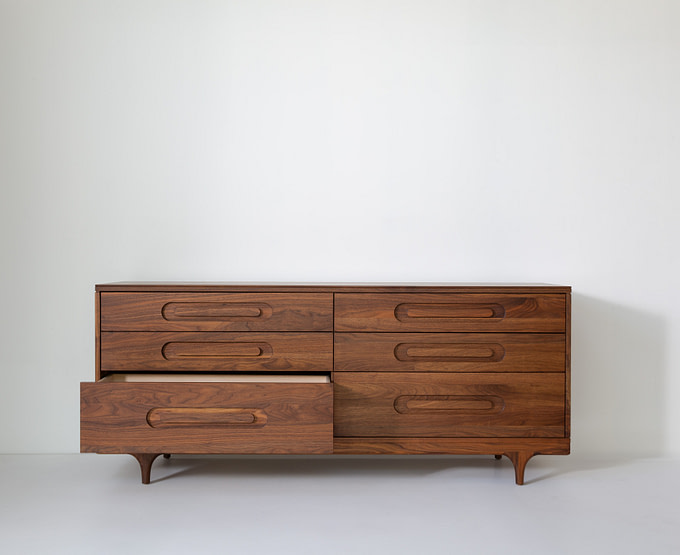
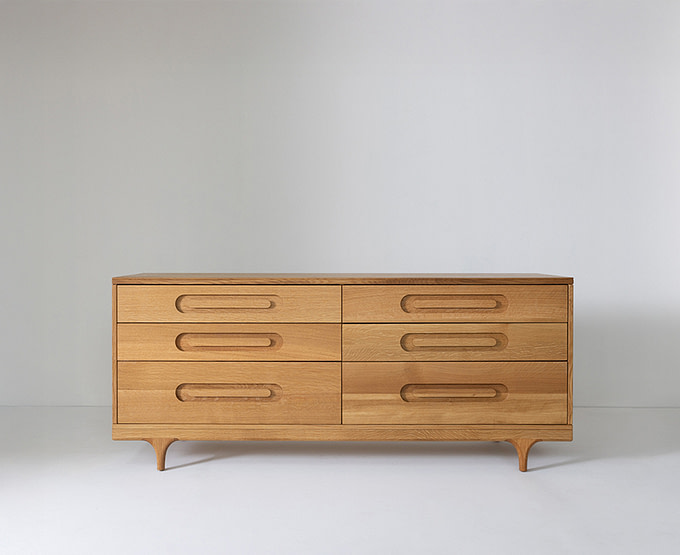
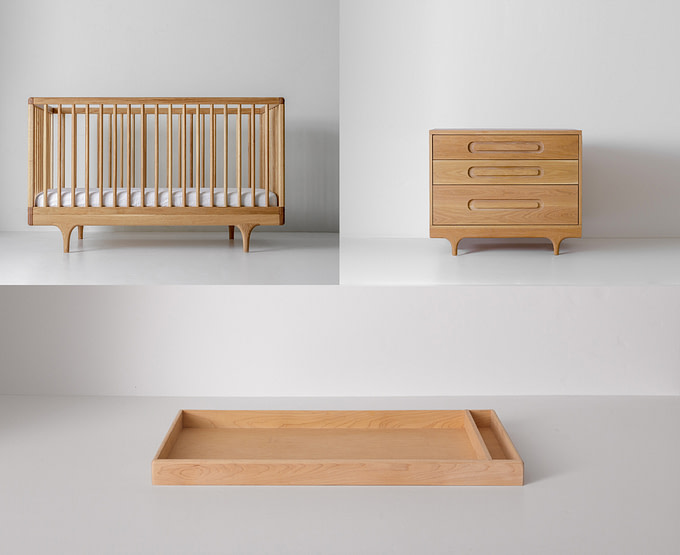
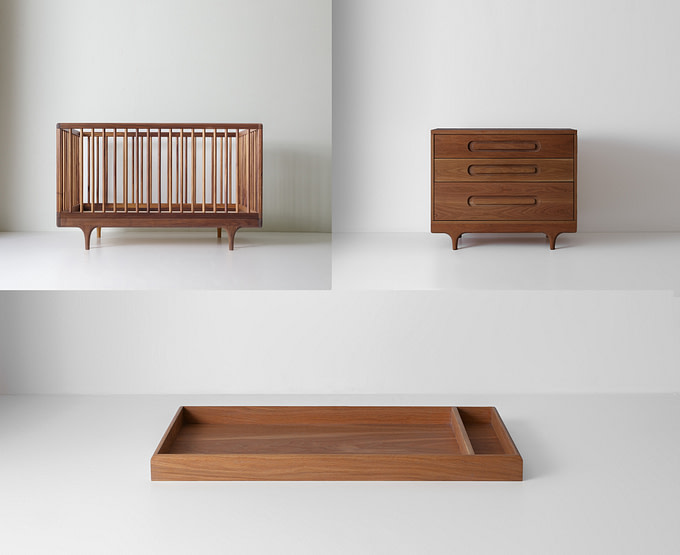
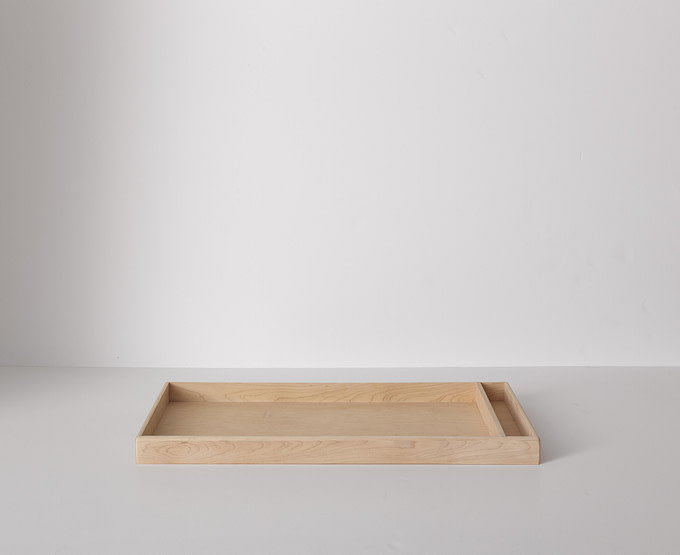
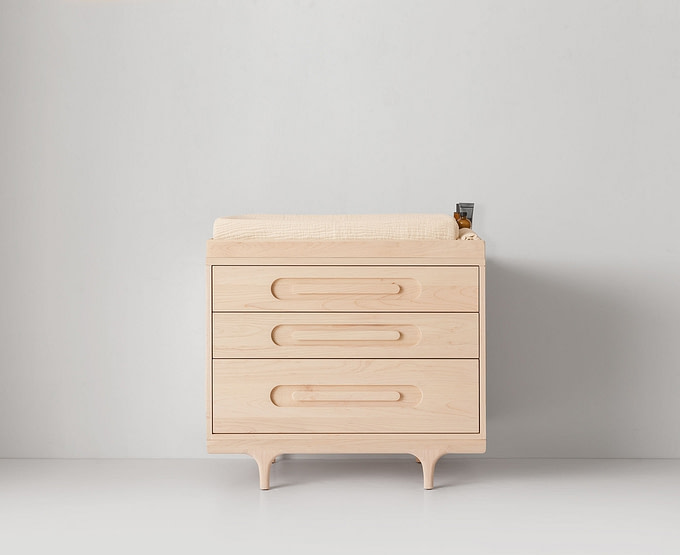
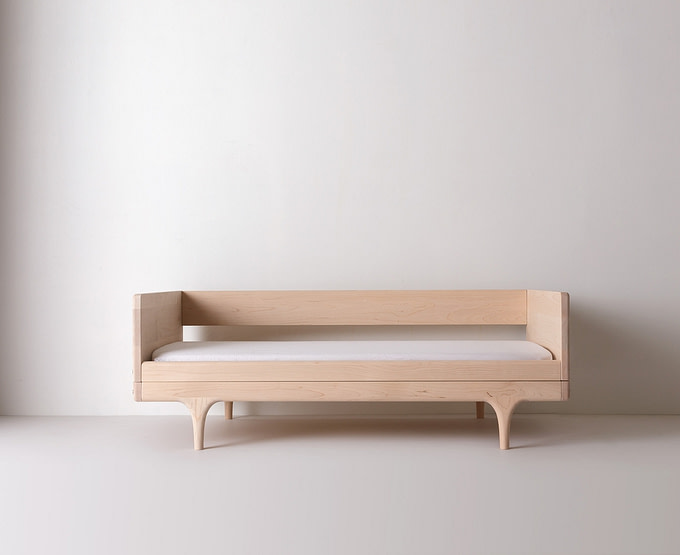
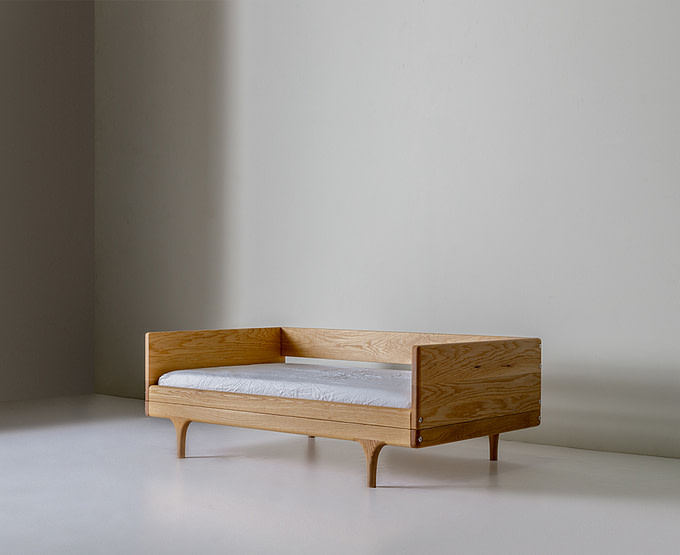
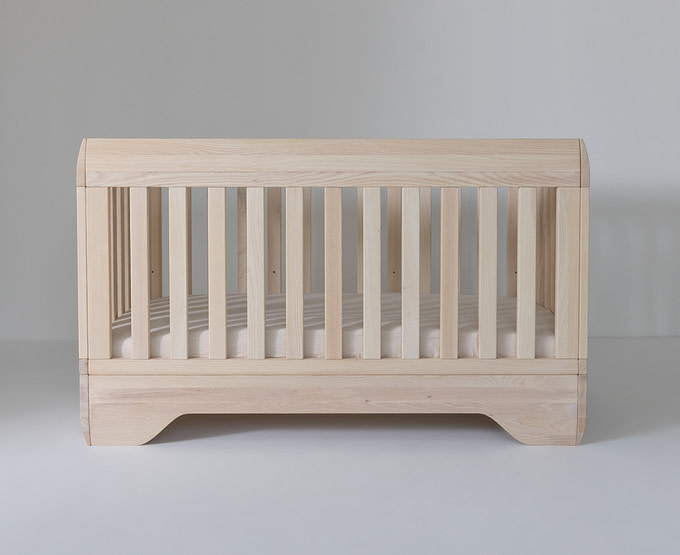
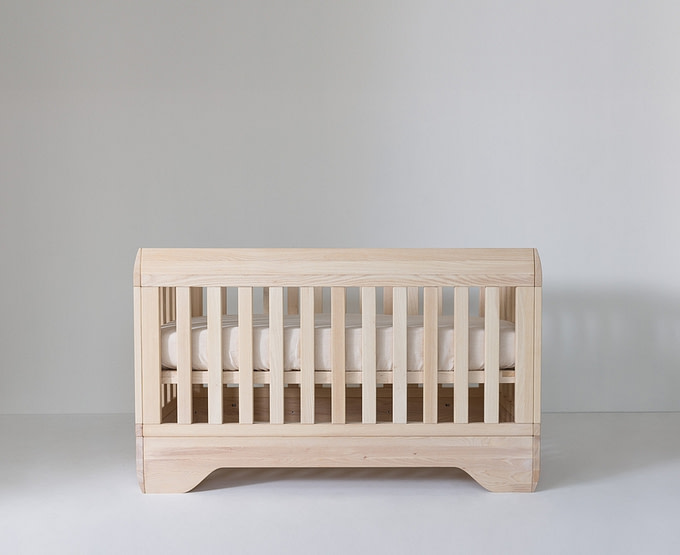
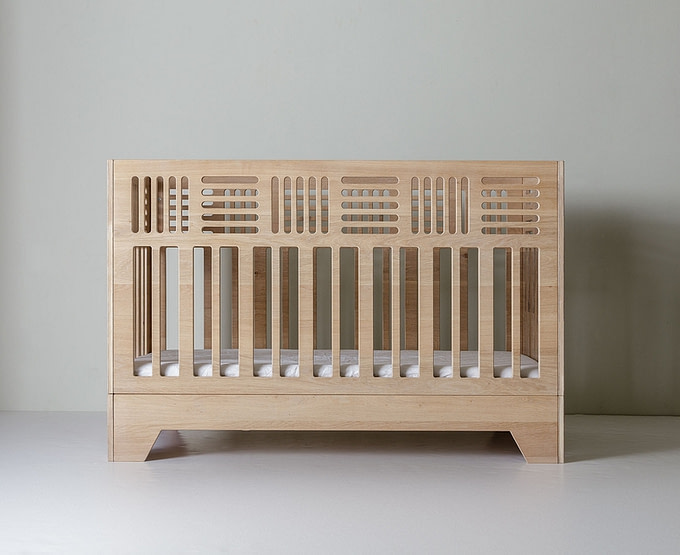
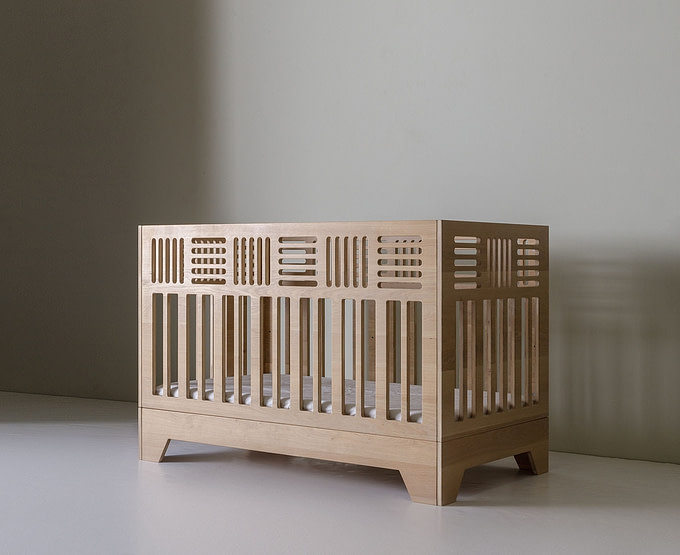
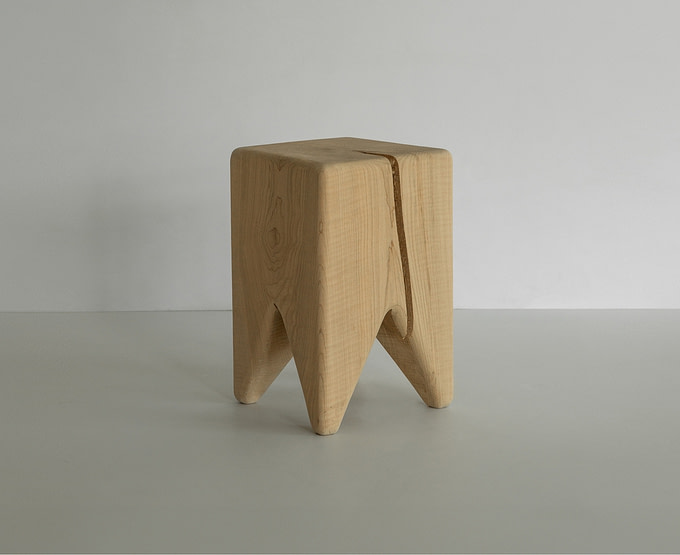
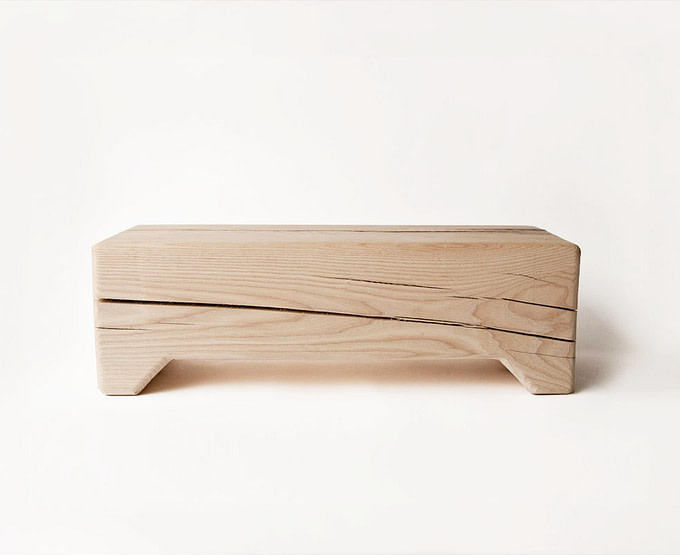
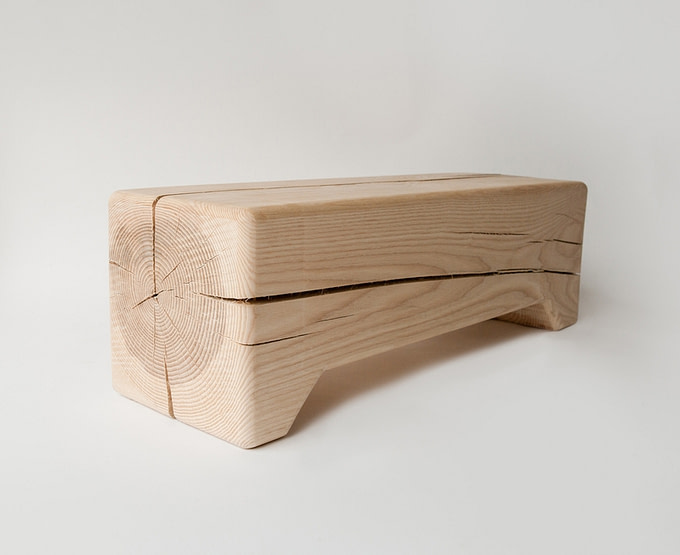
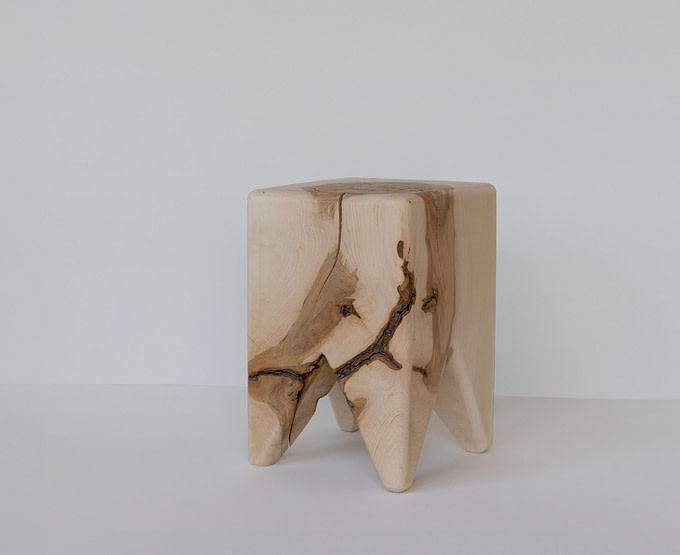
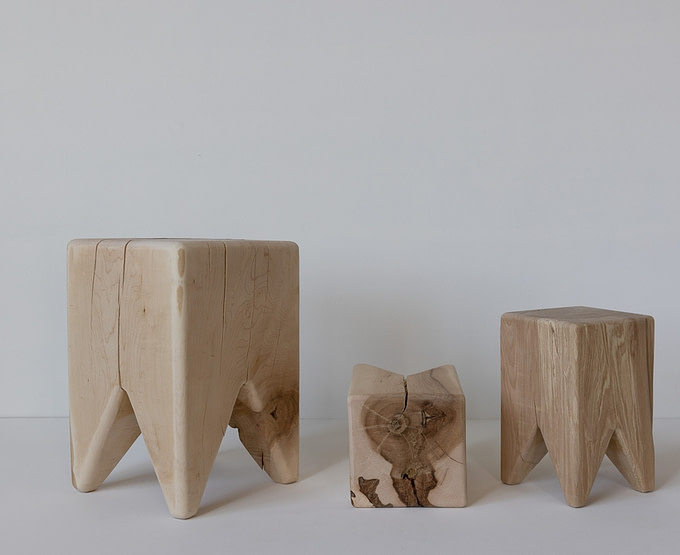
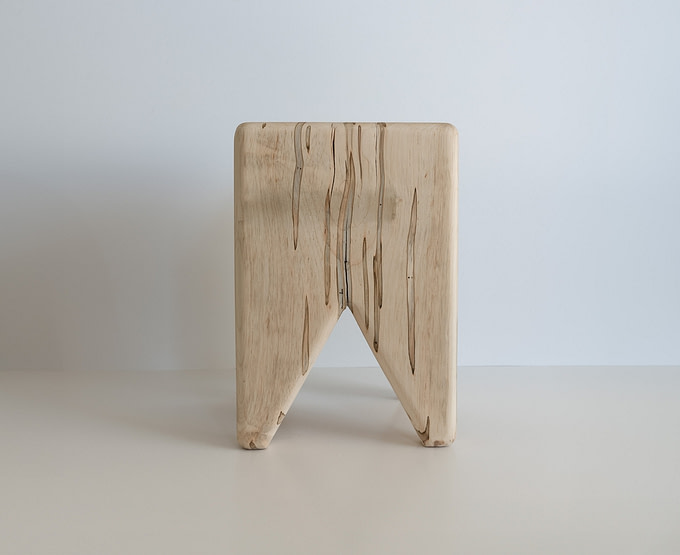
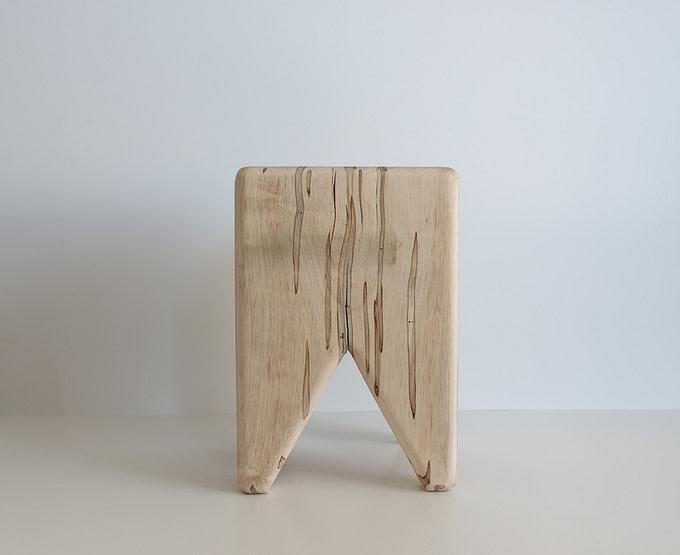
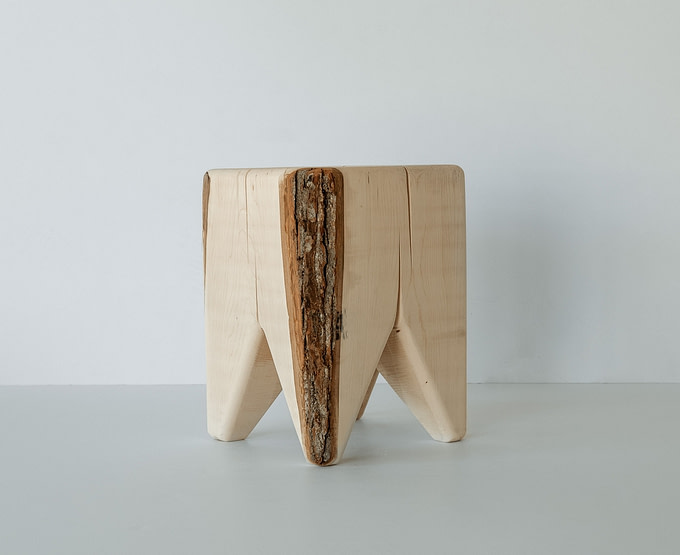
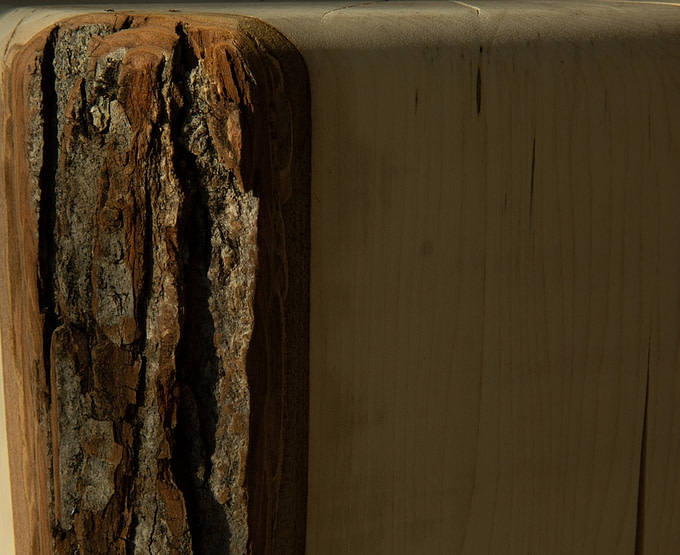
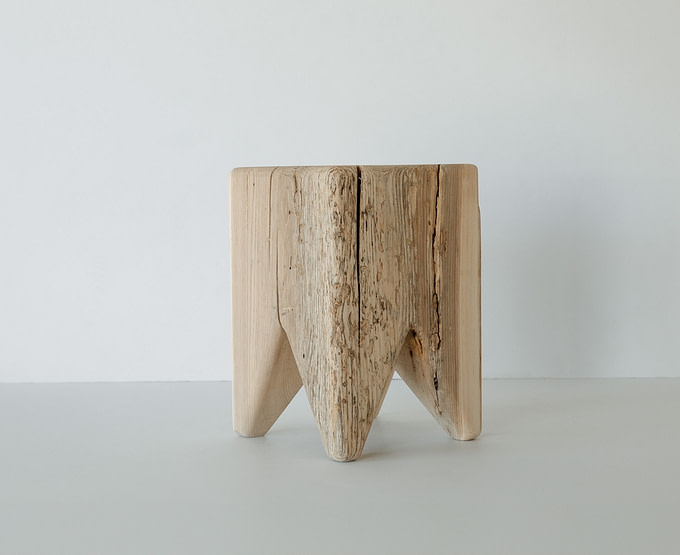
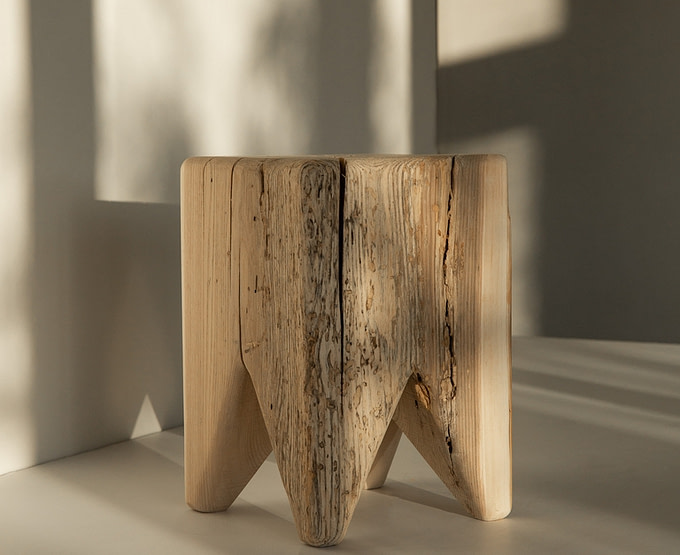
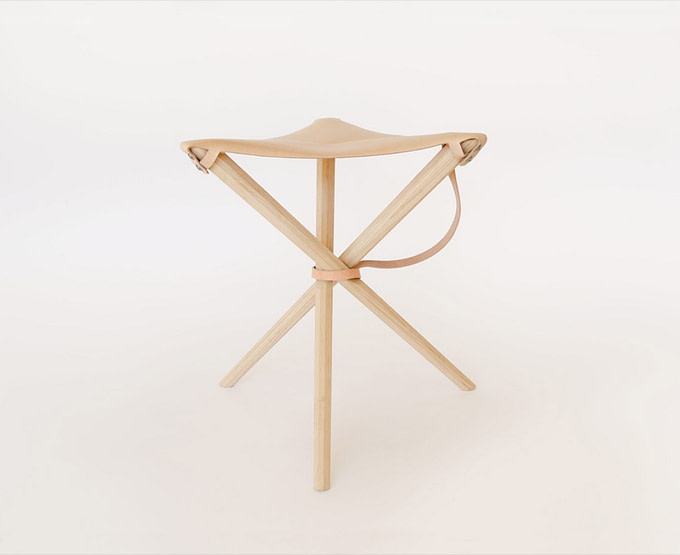
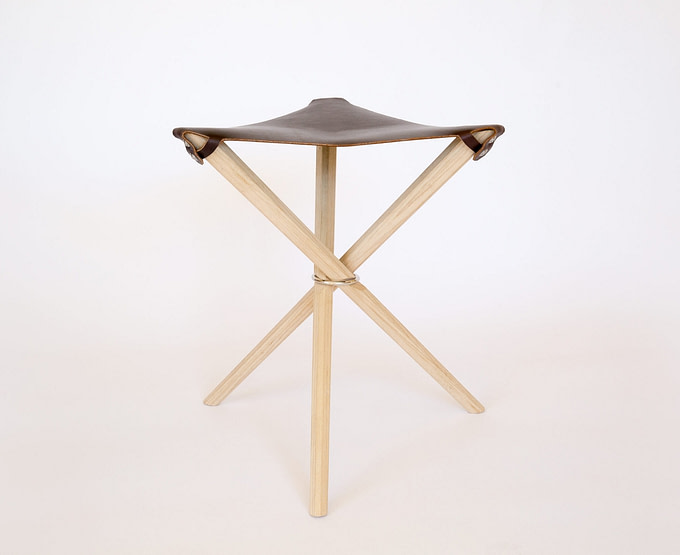
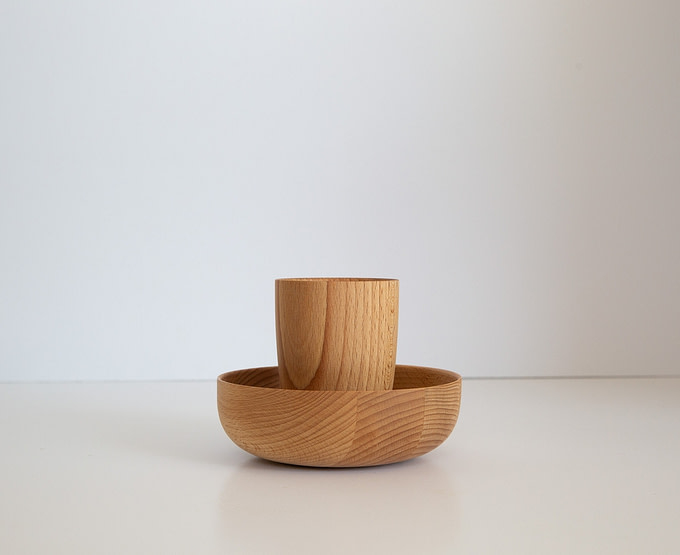
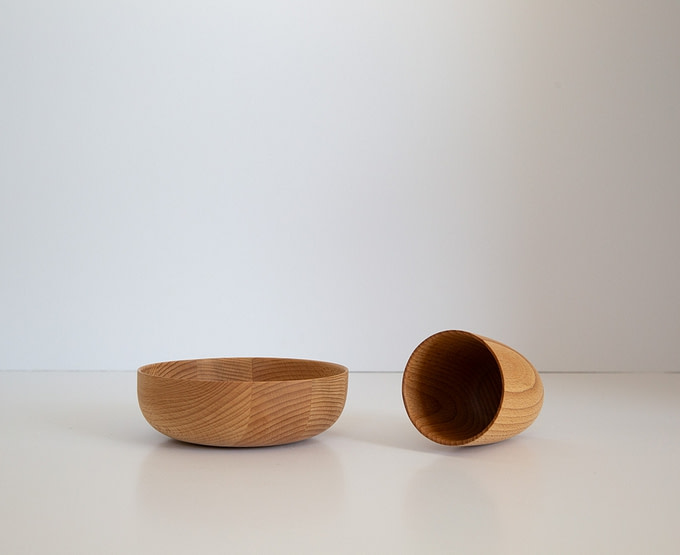
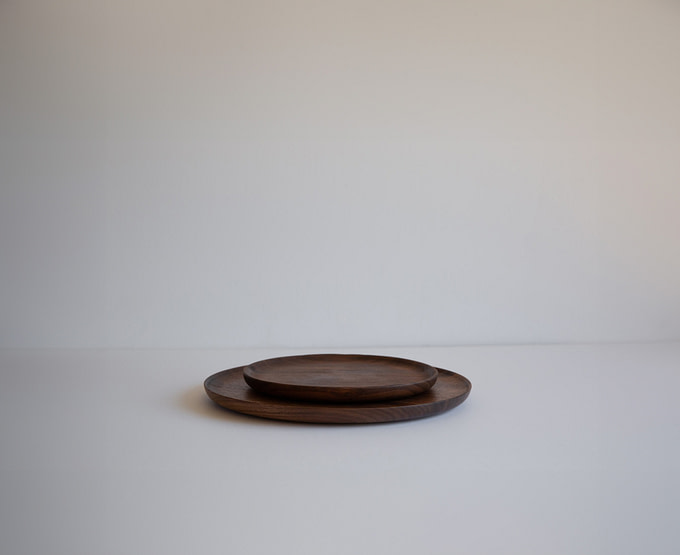
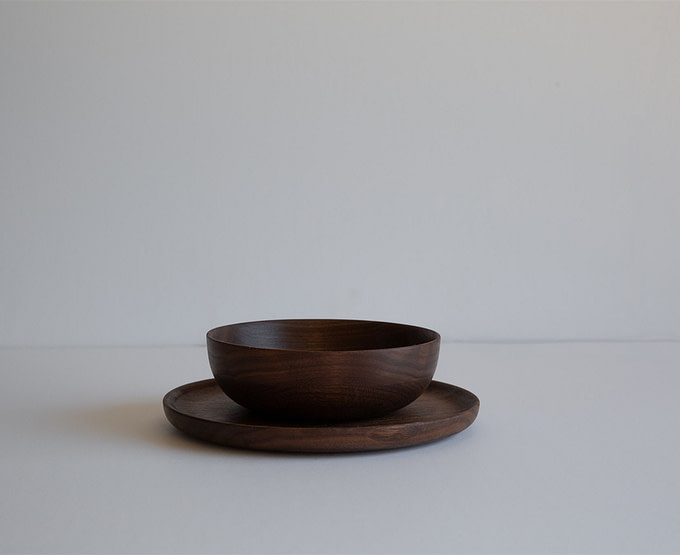
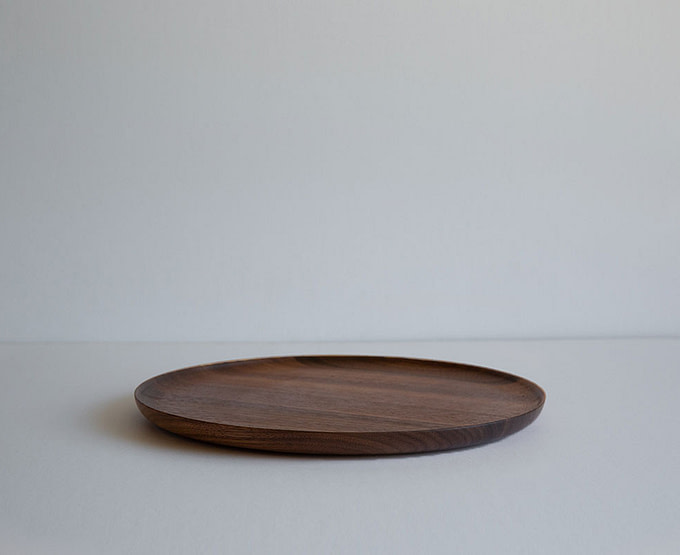
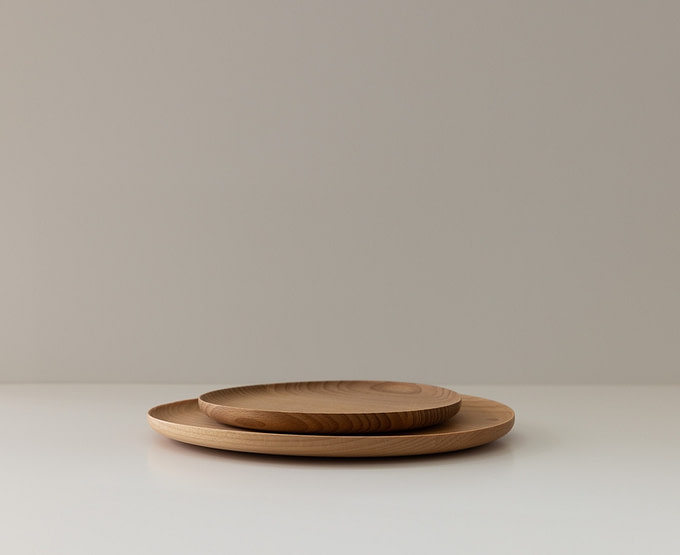
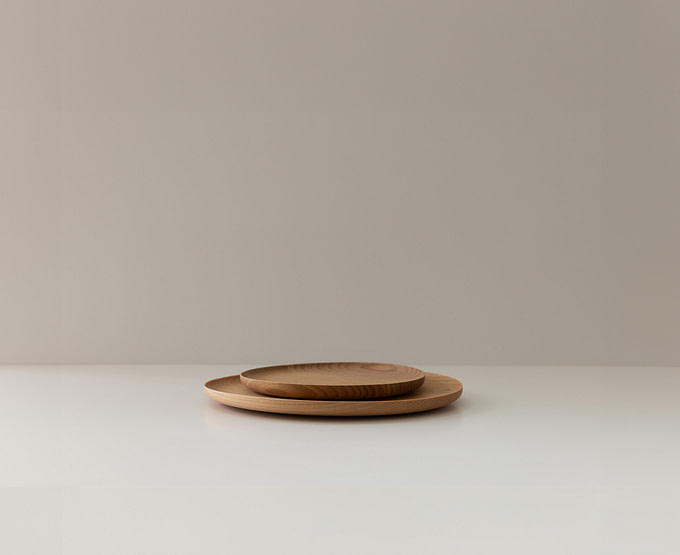
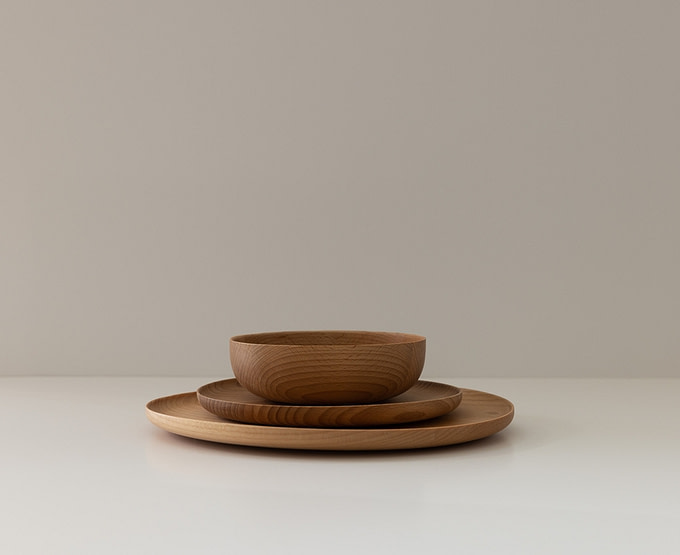
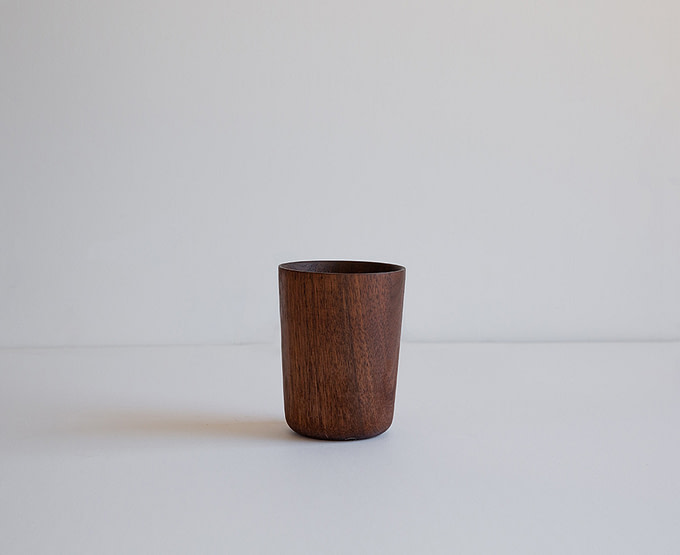
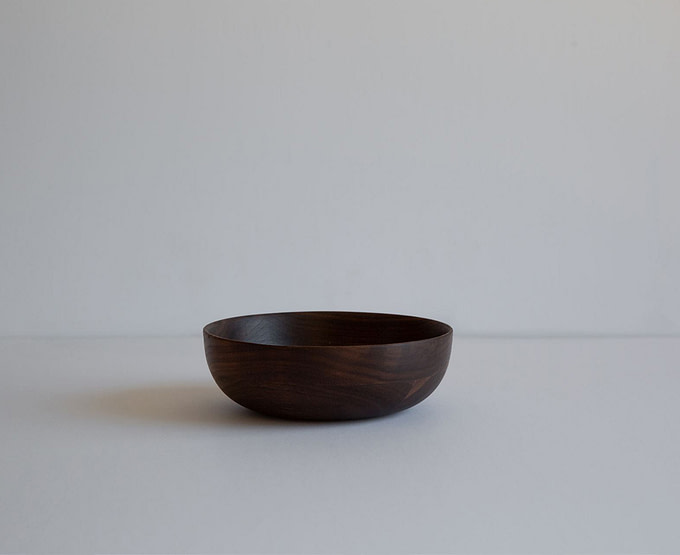
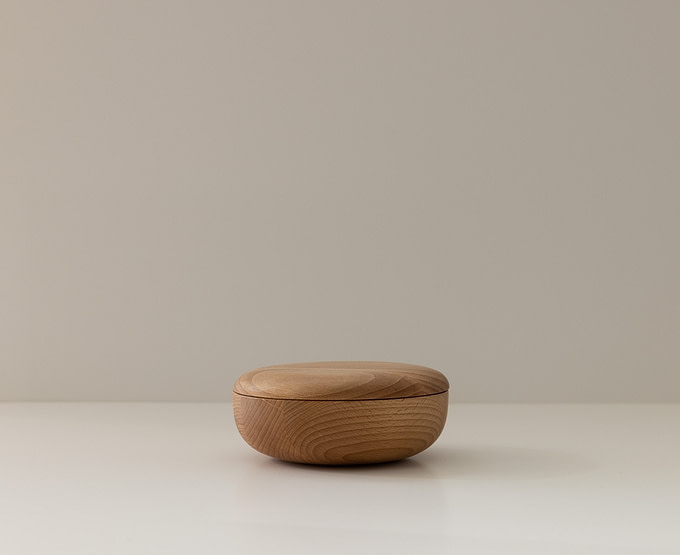
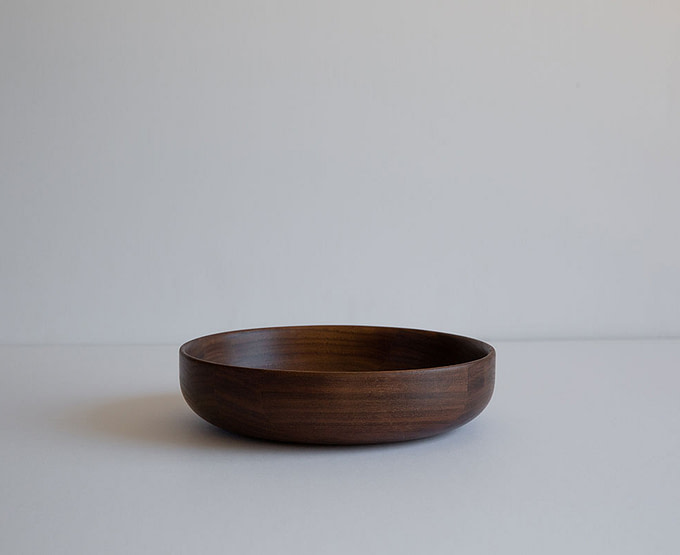
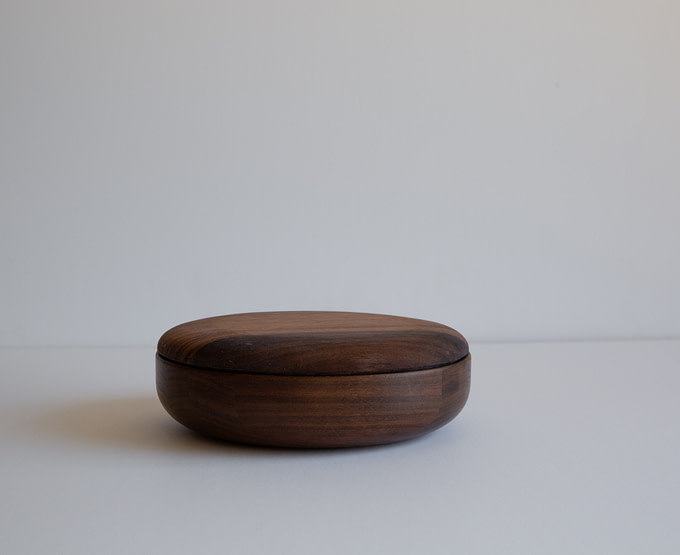
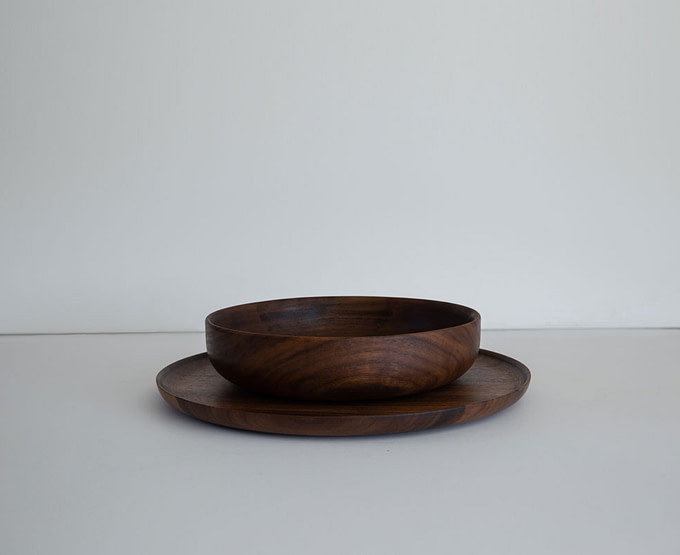
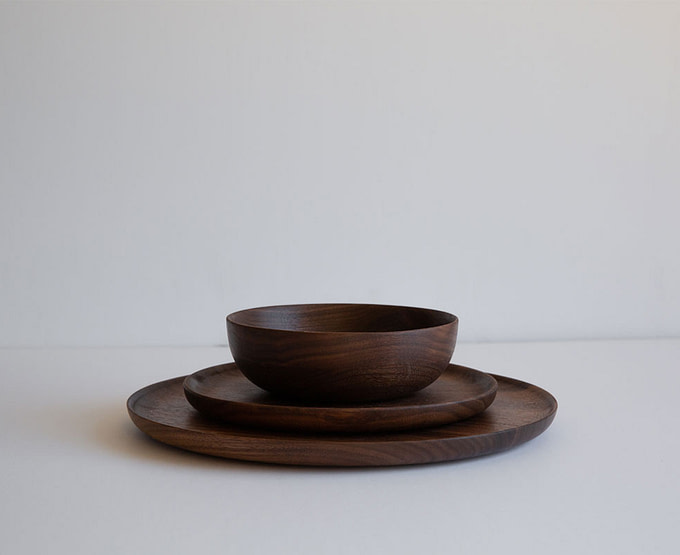
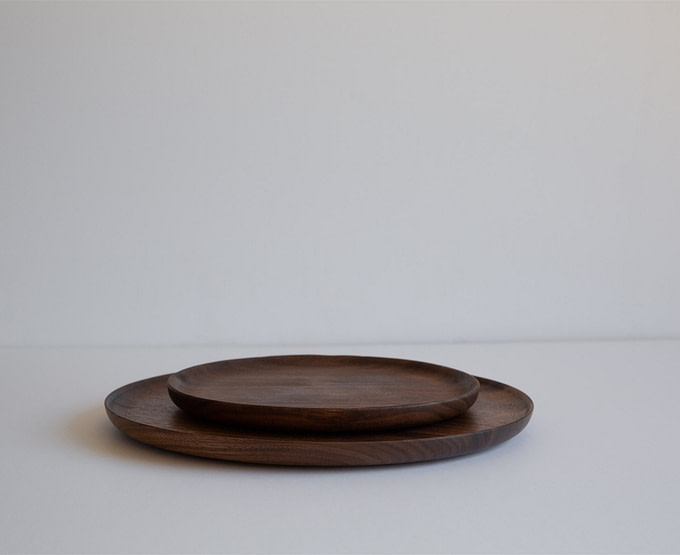
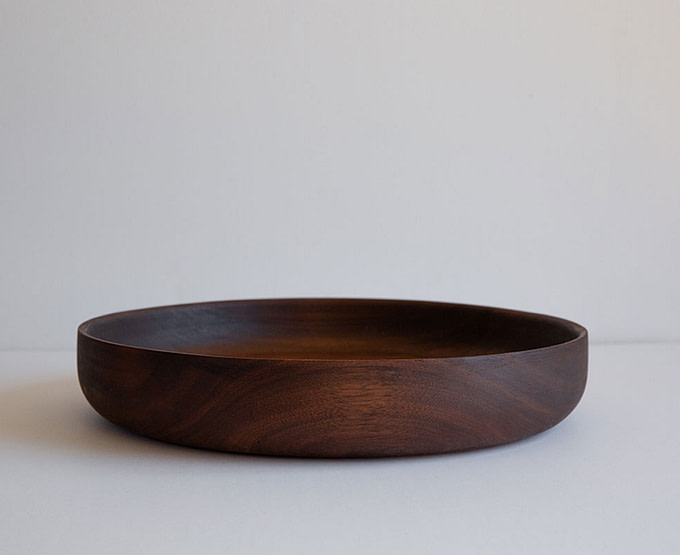
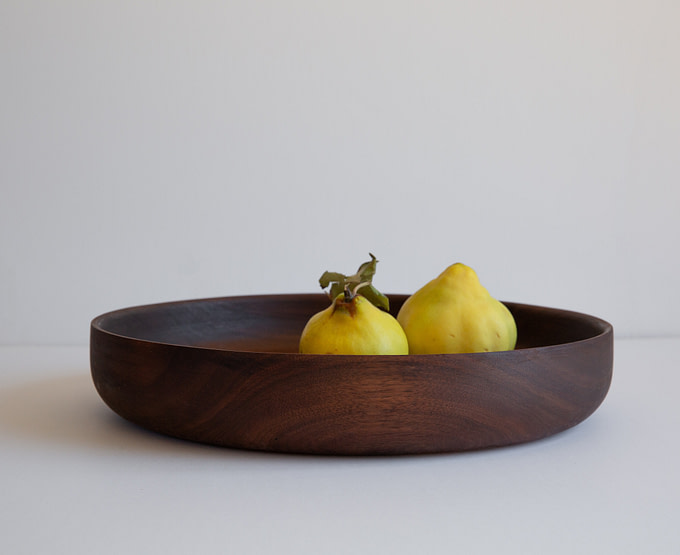
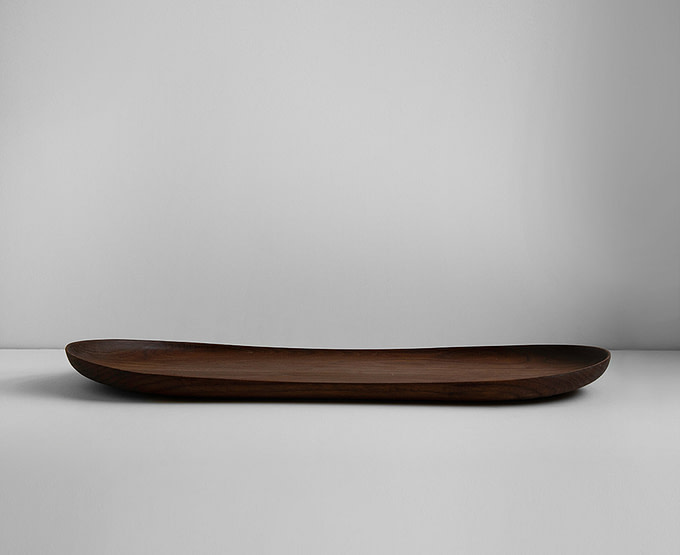
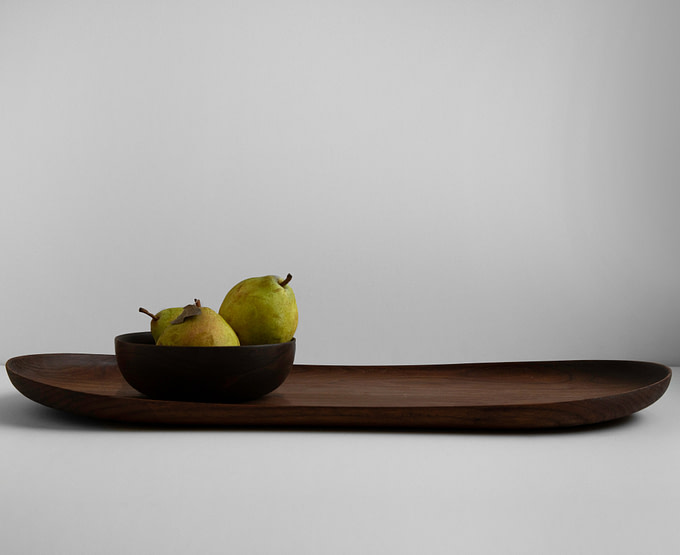
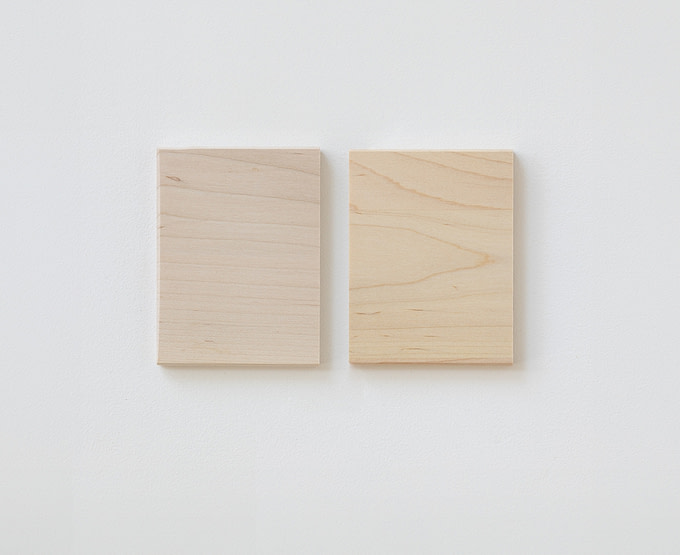
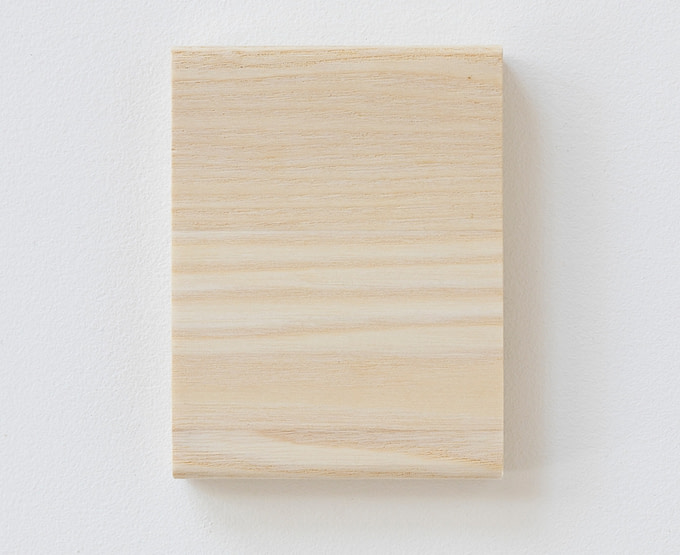
Working like artists, craftspeople make decisions essential to a piece’s structure, longevity, and presence. Wood is selected board by board. Color, grain, density, and individual character determine where each plank belongs—whether in the components that bear weight or in the surfaces meant to reveal the material itself. These choices draw on deep expertise in solid wood craft, traditional joinery, and the complex behavior of natural materials—knowledge that cannot be replicated by speed or scale.
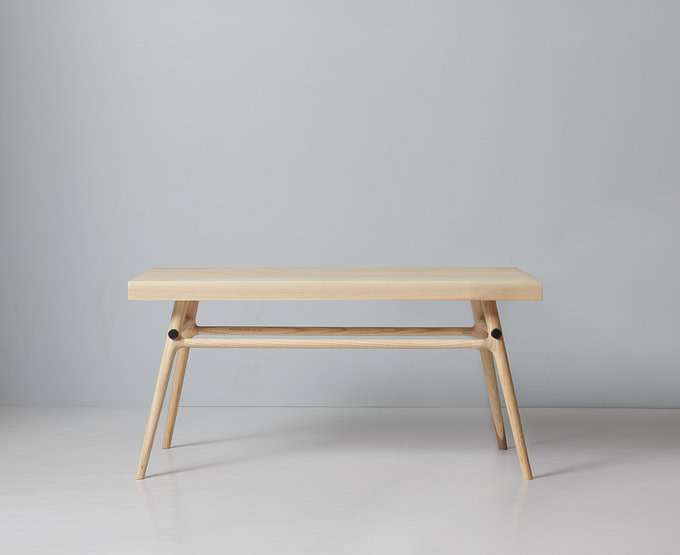
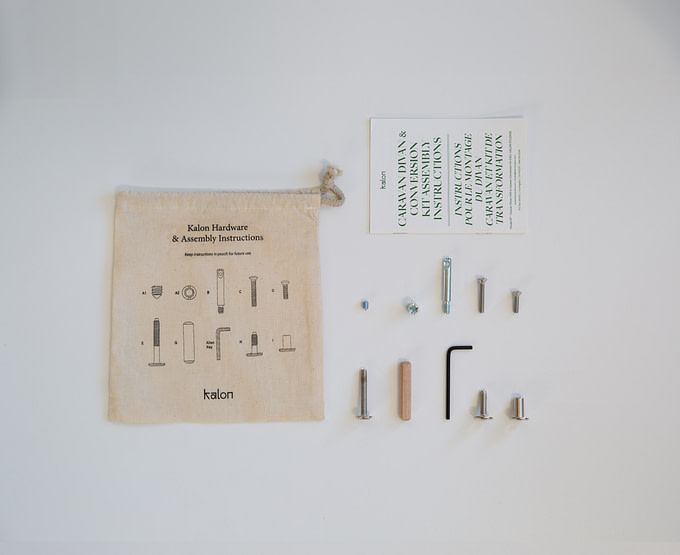
Metalwork carries its own discipline. When hardware is carved from solid brass, machinists work with a precise understanding of how the metal heats, expands, and changes under the tool. Cutting techniques shift with temperature; sound becomes information; adjustments are constant. This is not assembly-line repetition. It is practiced judgment, skill accumulated over years, shaping every component an object depends on. The craftsperson’s job isn’t to simply build the piece—it’s to realize each design to the highest standard.
Such decisions are shaped by years of practice—the depth of knowledge that cannot be rushed or replicated. Across many workshops, this knowledge spans generations. Tools evolve, methods refine, and new technologies integrate, yet the core remains unchanged: a close engagement with material and the intelligence required to work with it well. This is what gives a piece its integrity. It is what allows an object to endure, to age with grace, and to stay in a home for decades rather than seasons.
To understand this work is to understand value—not as ornament or trend, but as the sum of experience, intention, and the practiced skill of the people who bring an object into being. Their contribution is not peripheral. It is the foundation upon which every piece built to last stands.