Shaker Design
The Kalon Library Vol. 07
From our studio shelves — volumes that trace the ideas, influences, and cultural undercurrents behind our work.
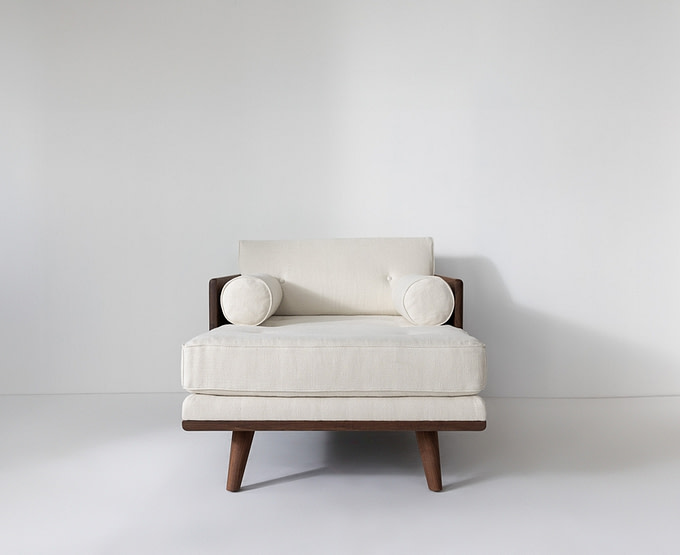
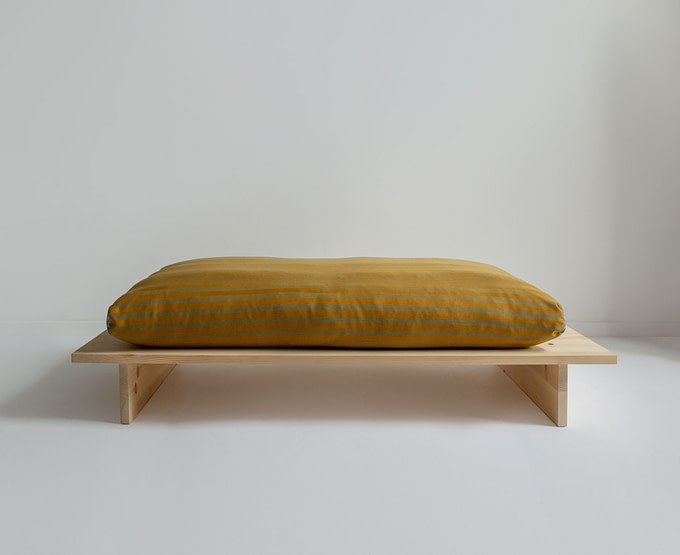
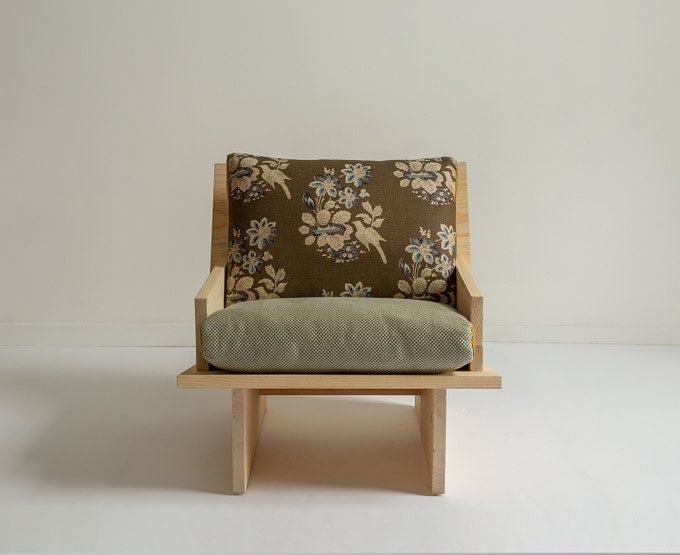
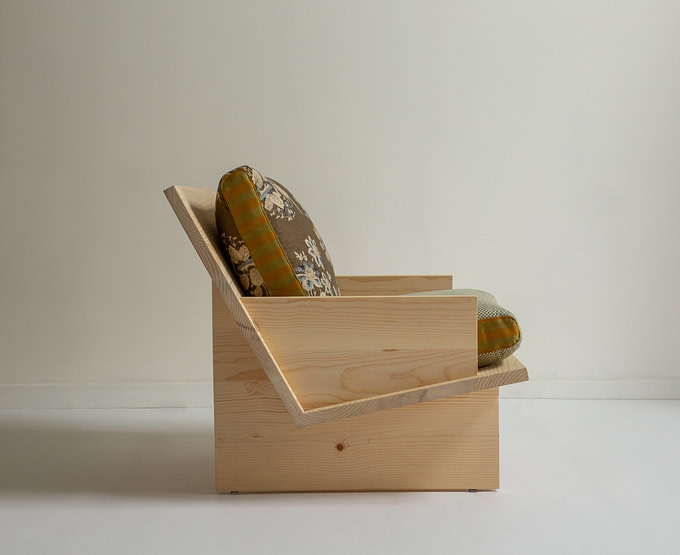
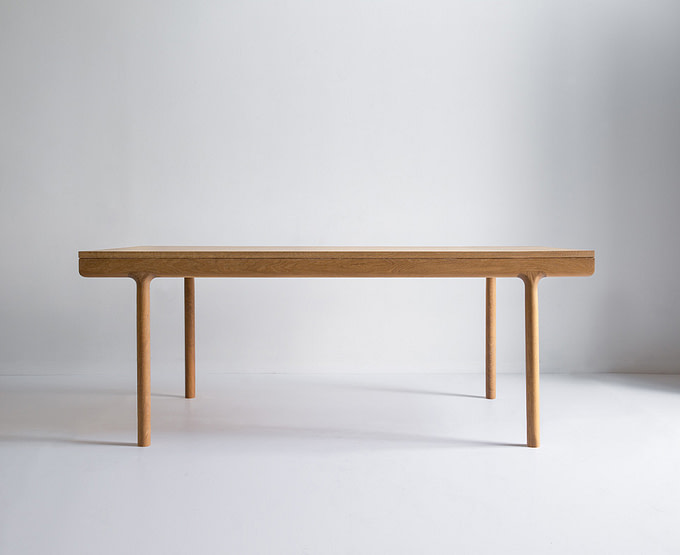
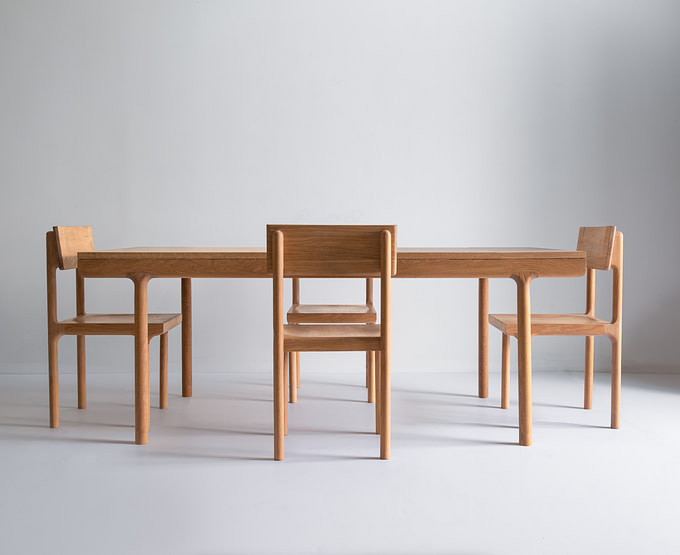
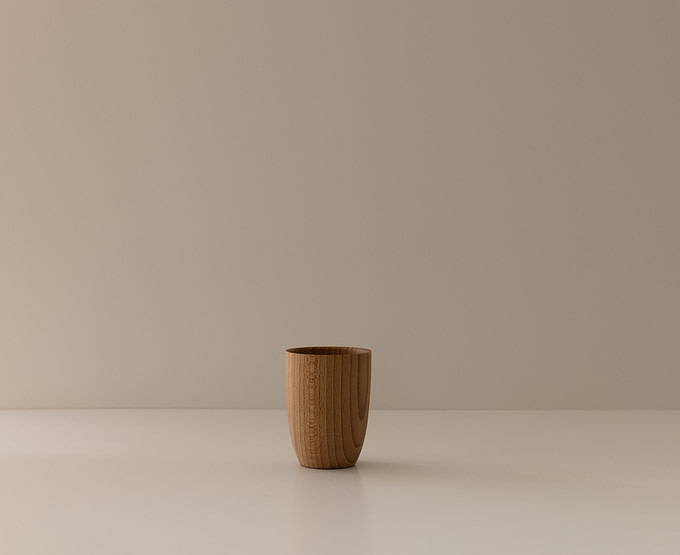
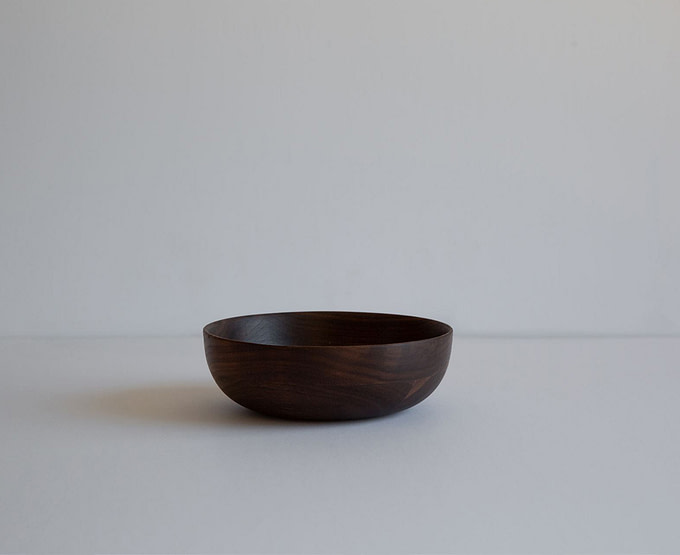
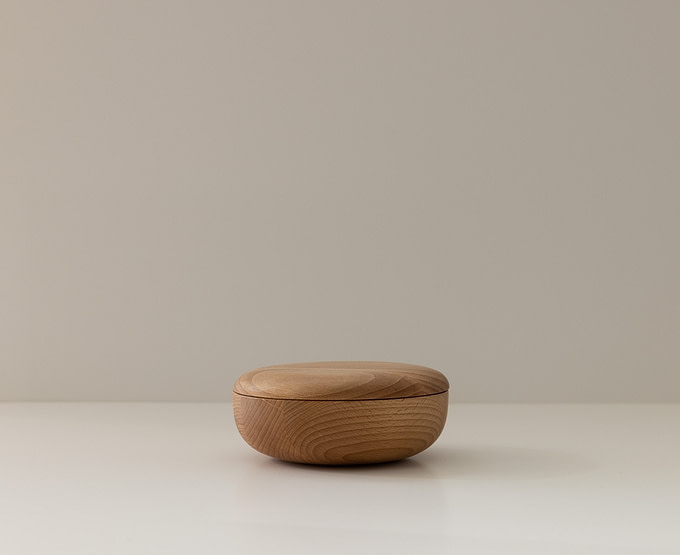
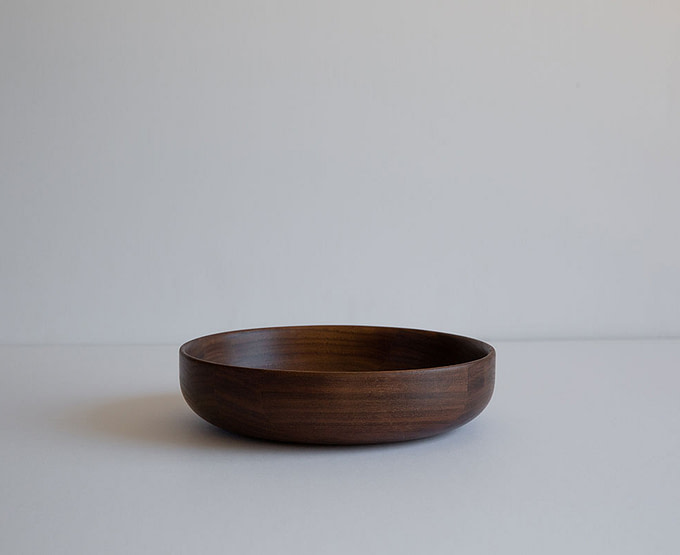
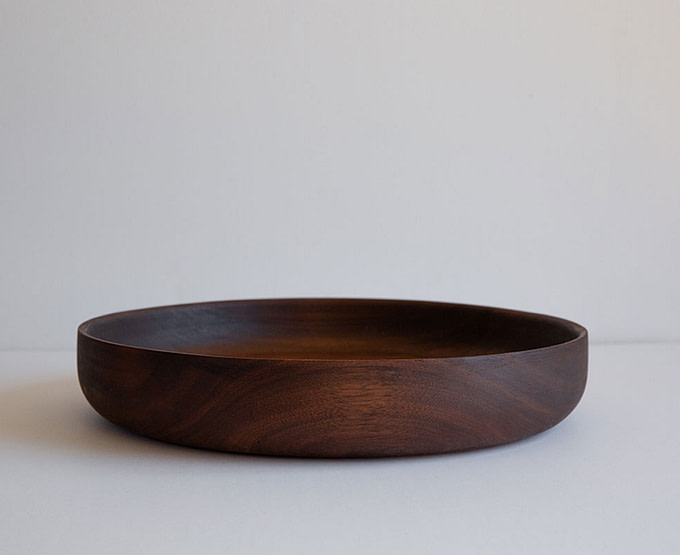
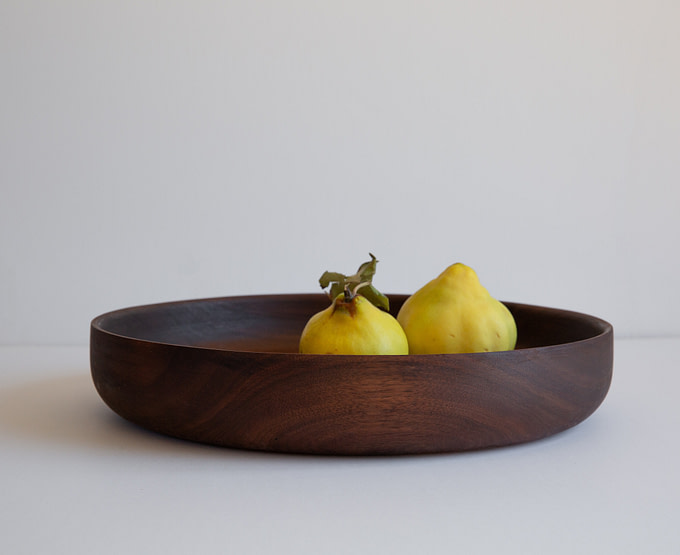
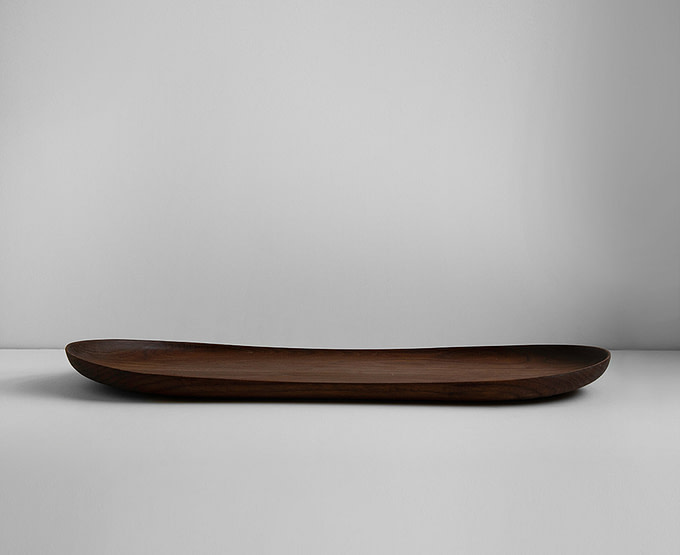
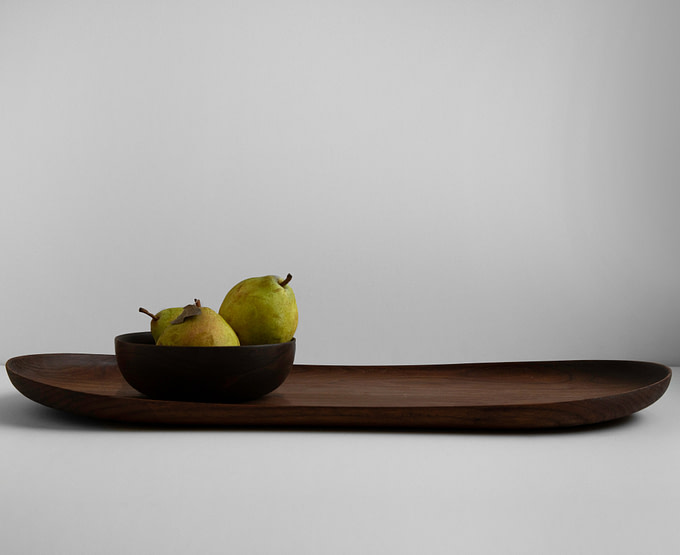
The Shaker movement in America began in 1774. For two hundred years, the Shakers lived across the United States in large, celibate and communal families where they sought to create heaven on earth. Rejecting mainstream society, they prioritized gender and racial equality, environmental stewardship, and saw the making of near-perfect structures, furniture and objects as a spiritual practice. As they created this new, more perfect society, they also produced a visual environment of quiet power, one centered on quality of workmanship, simplicity, and usefulness.
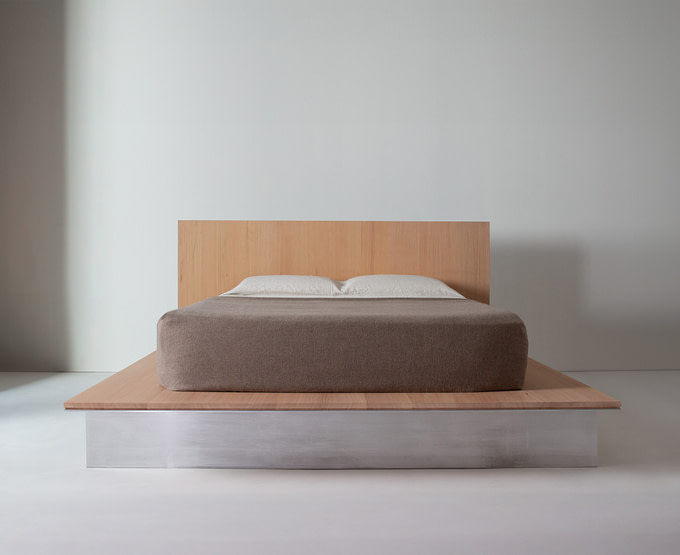
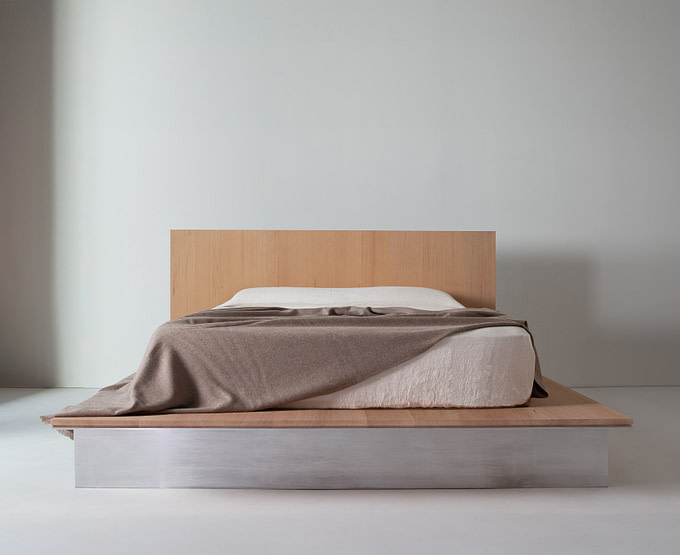
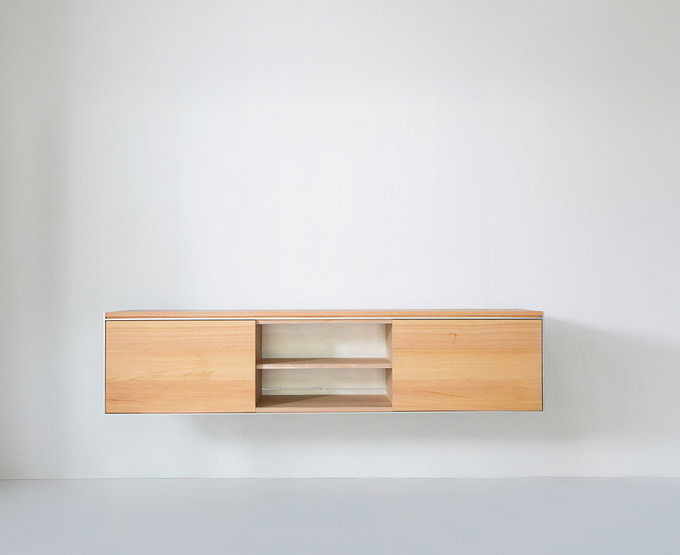
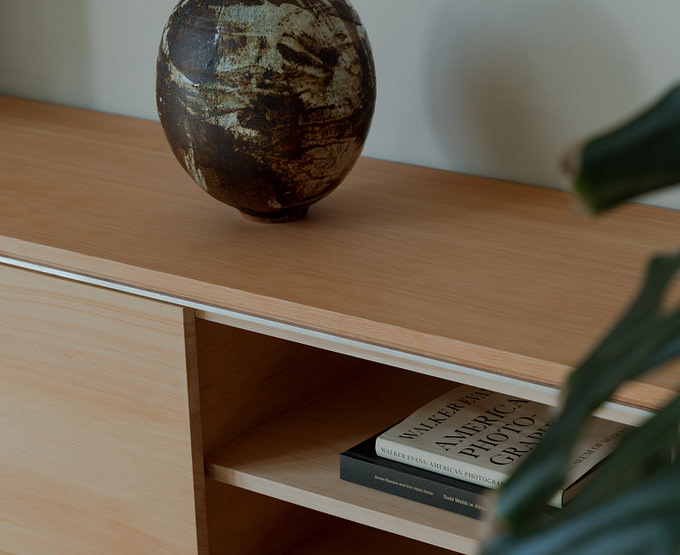
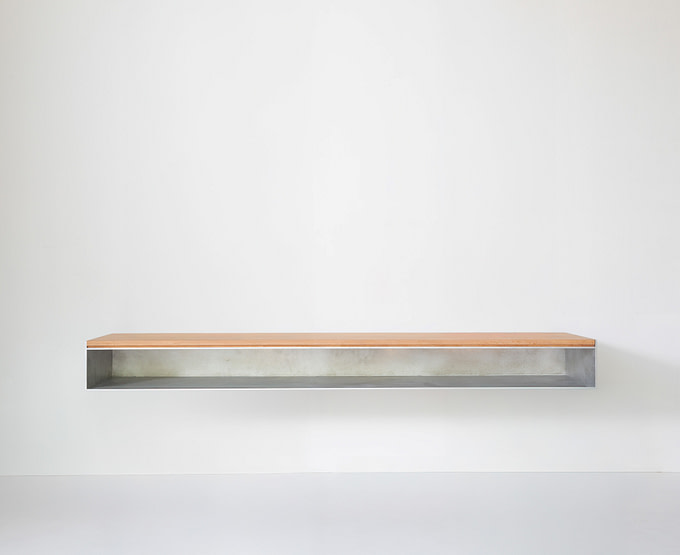
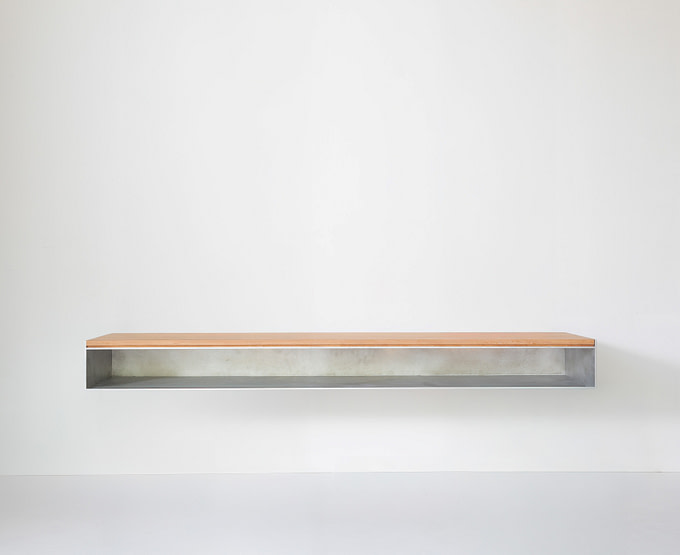
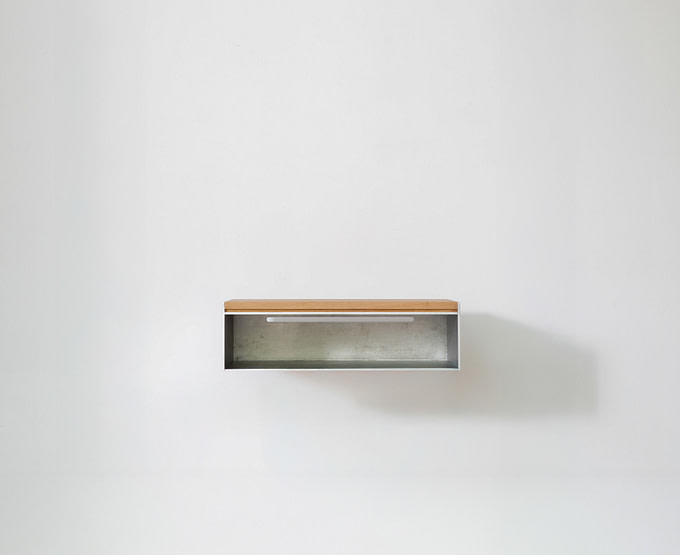
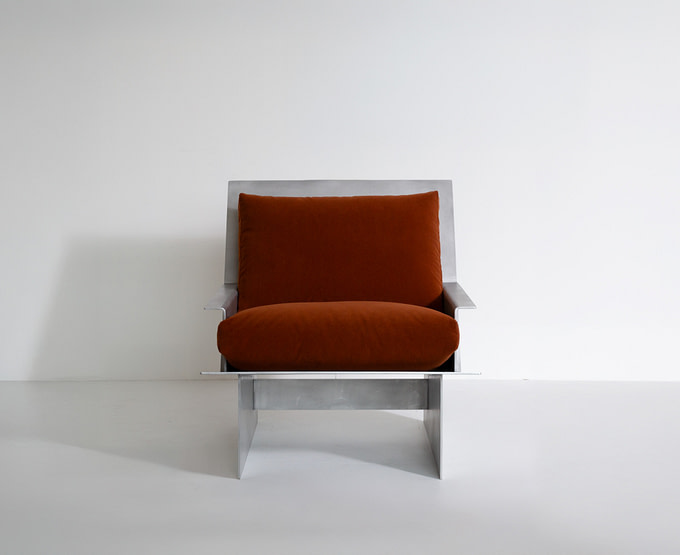
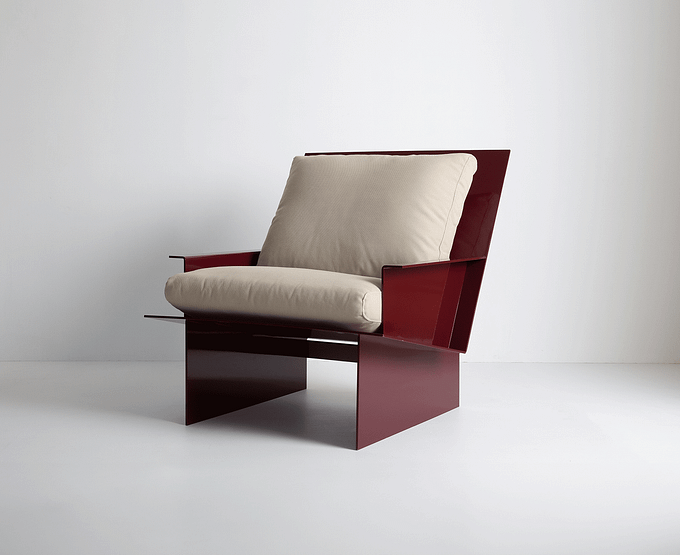
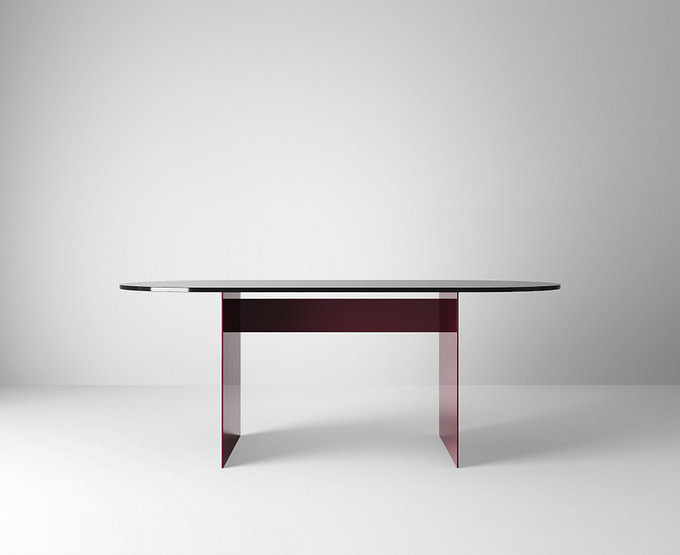
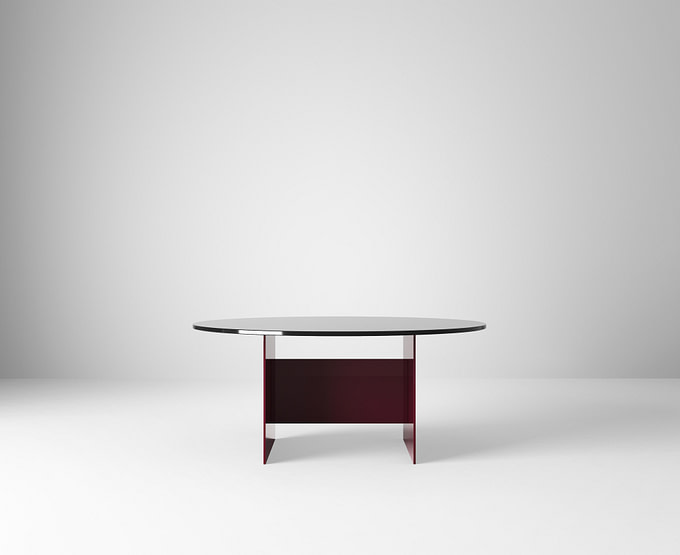
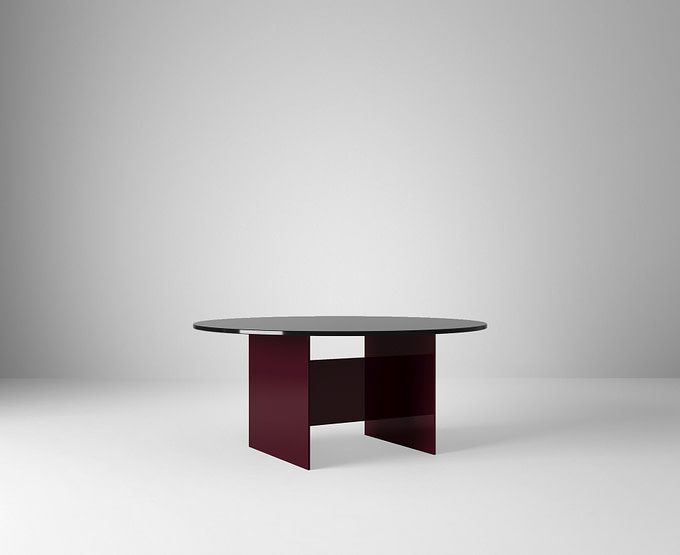
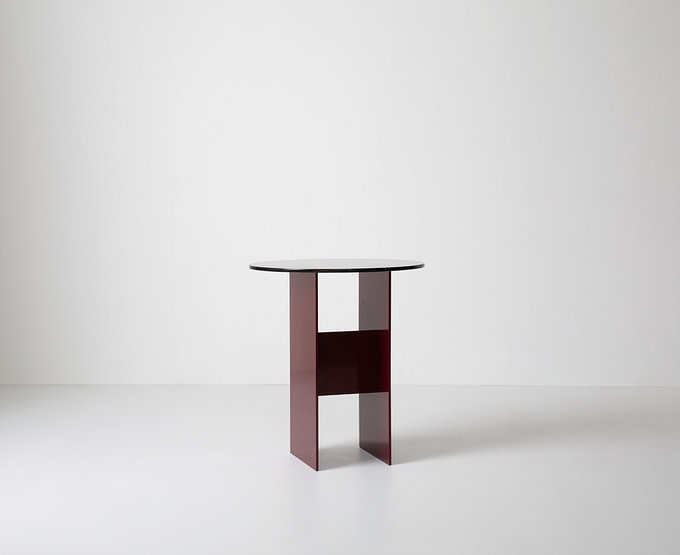
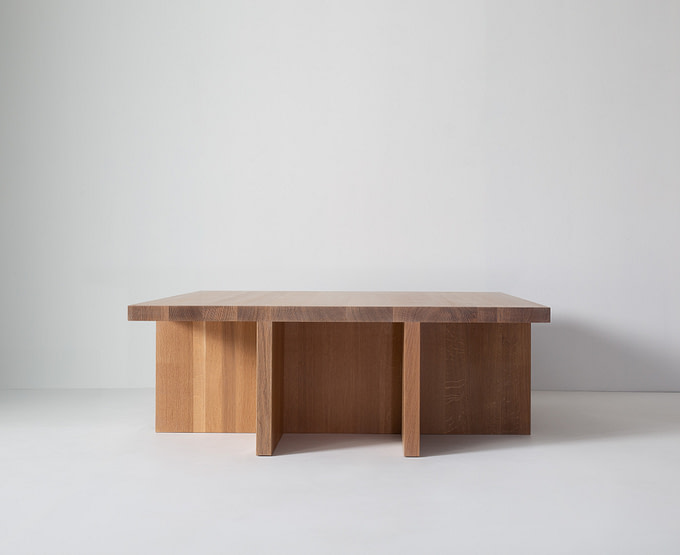
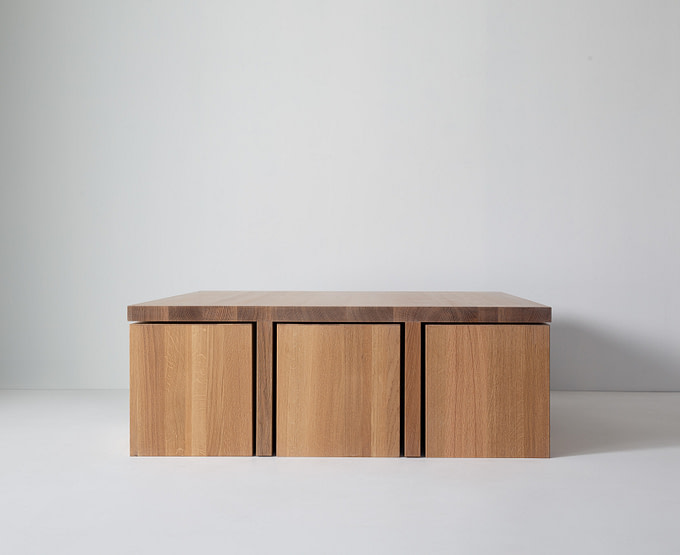
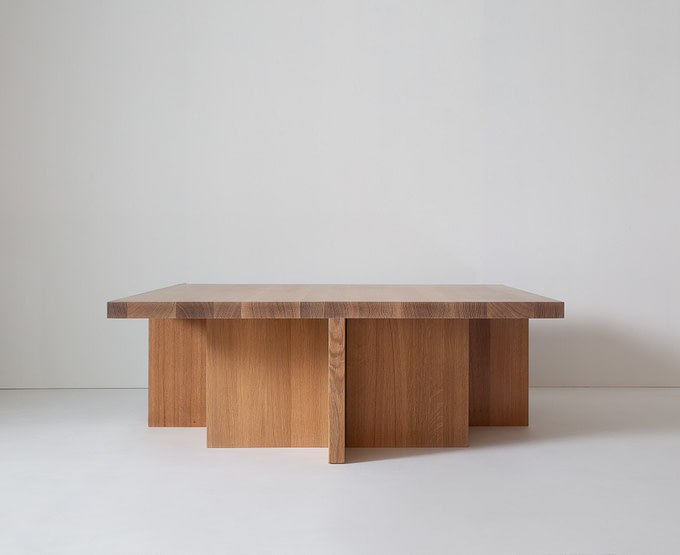
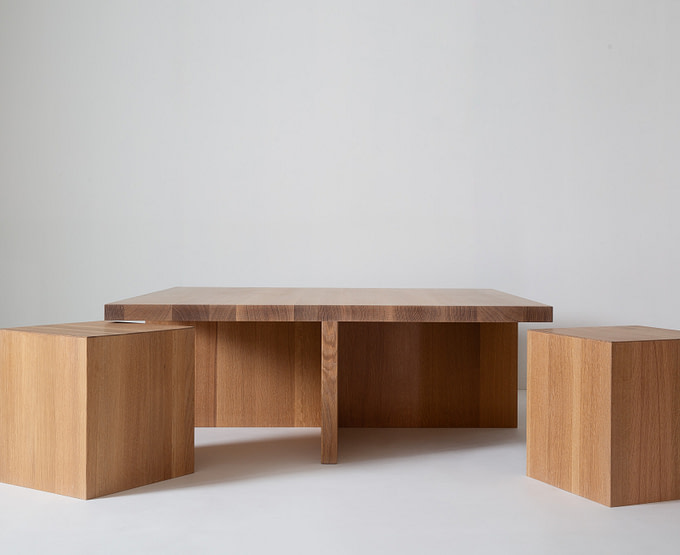
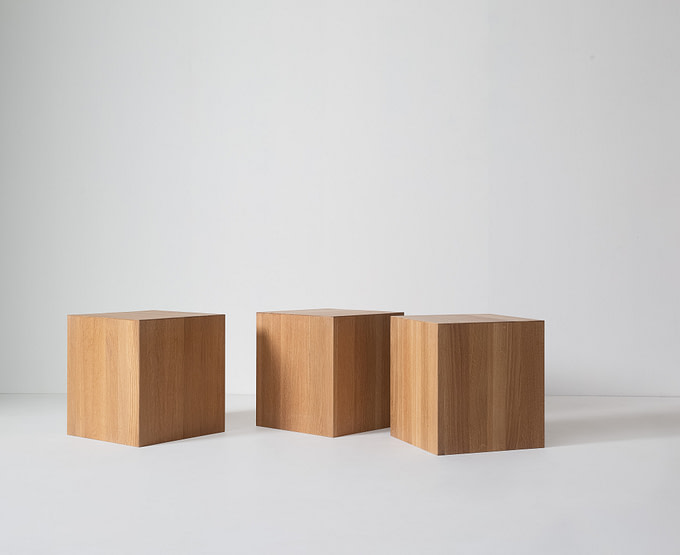
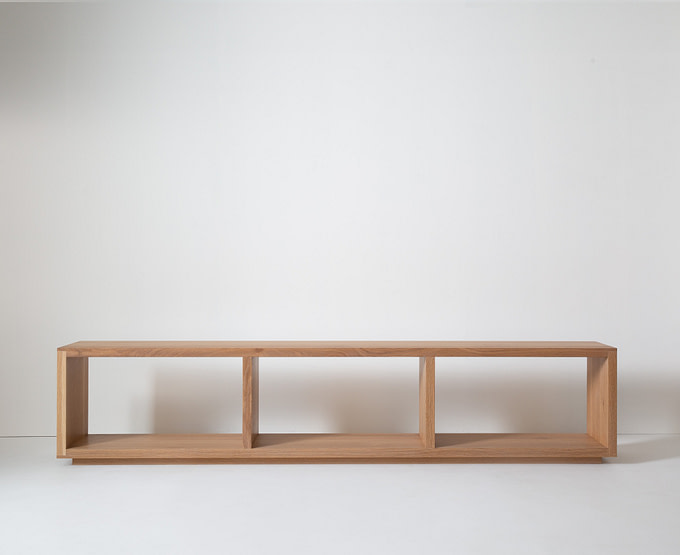
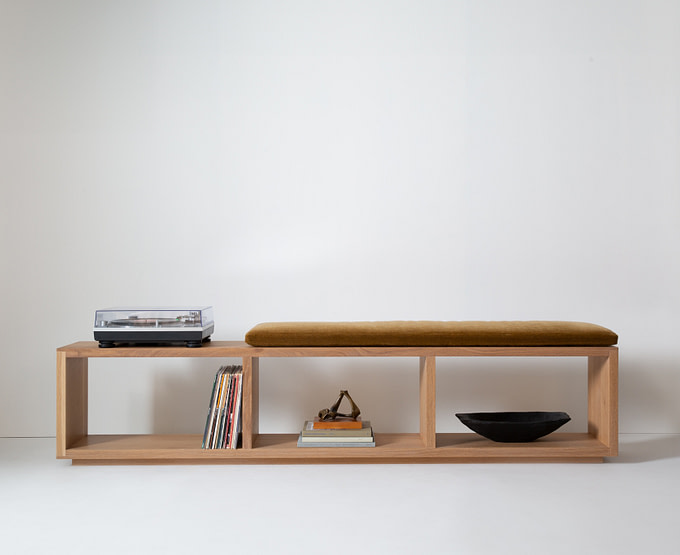
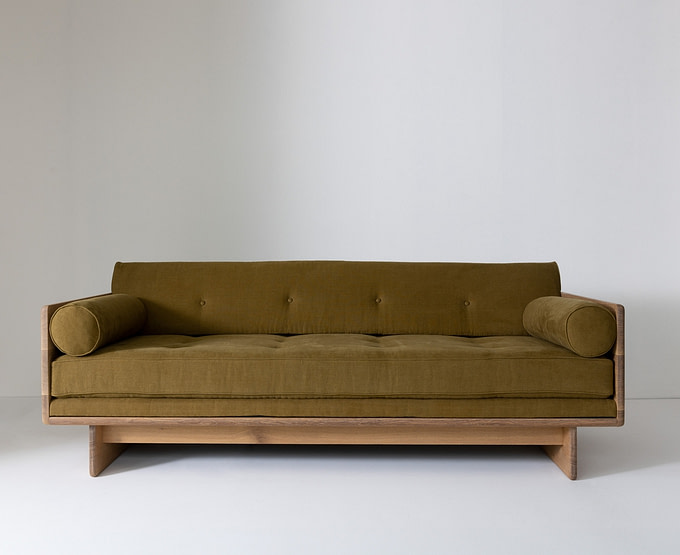
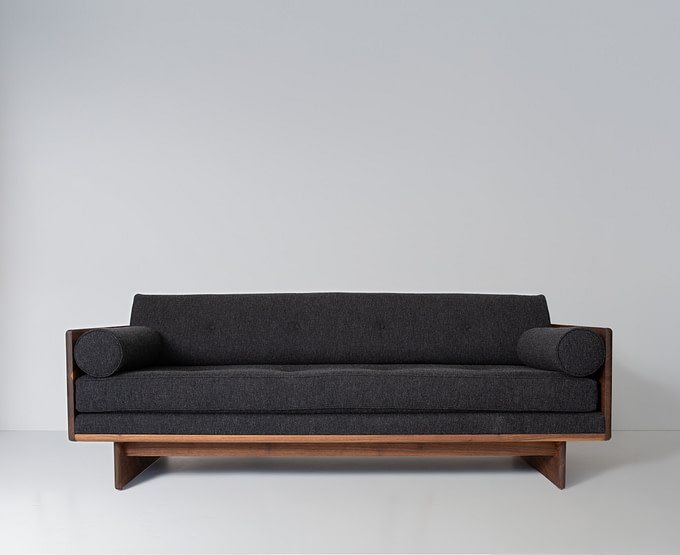
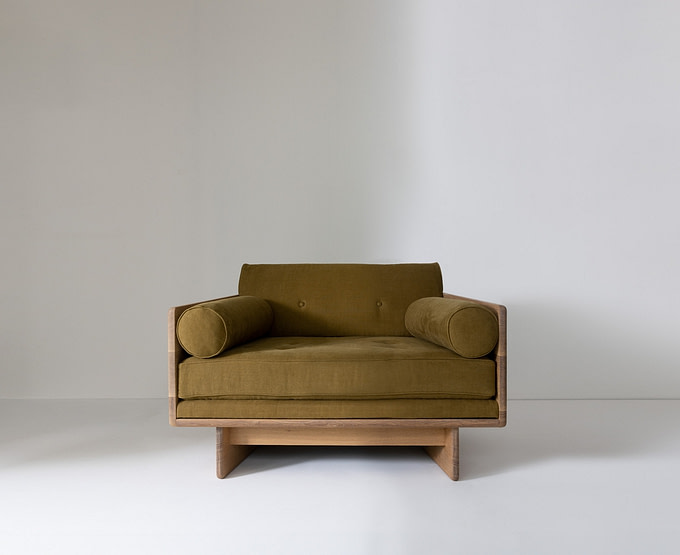
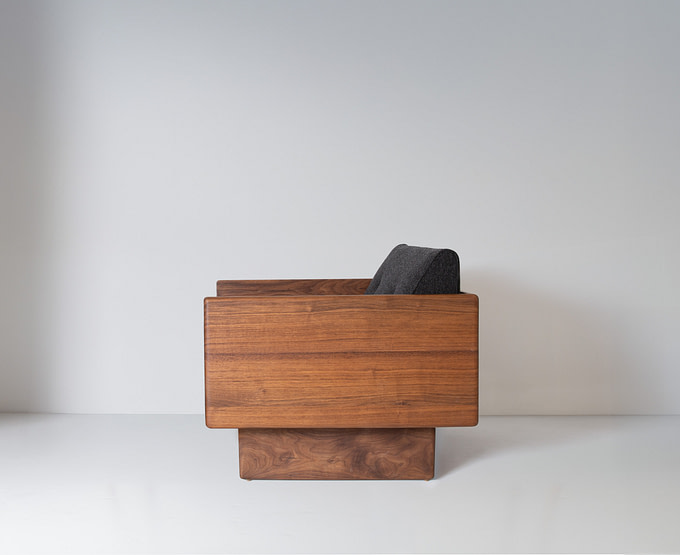
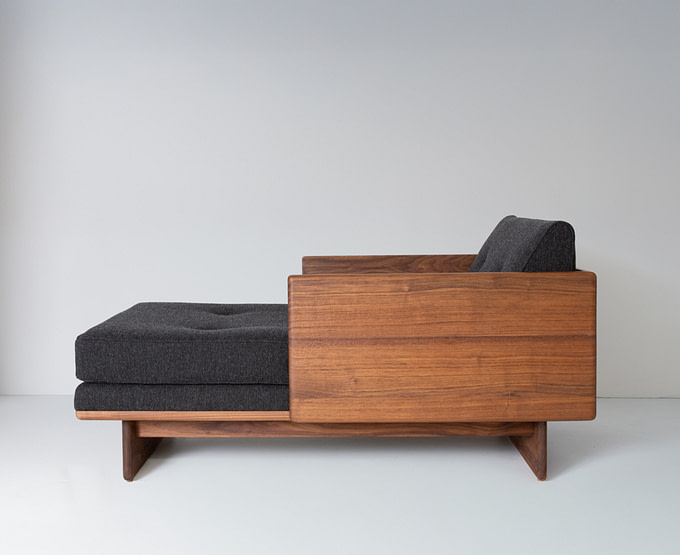
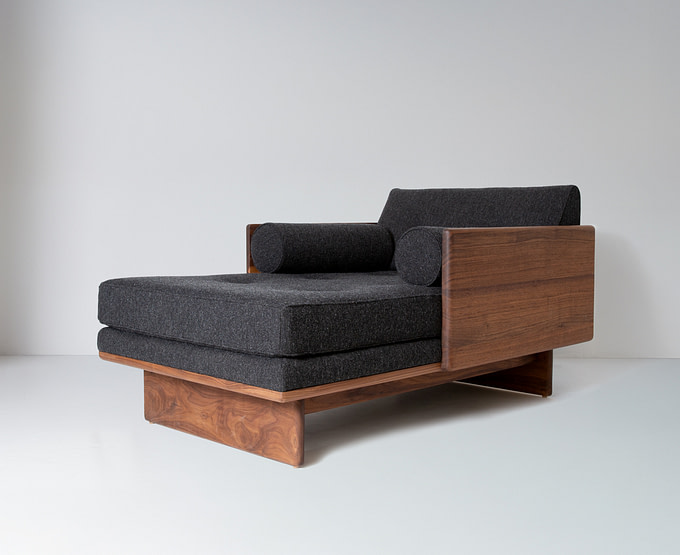
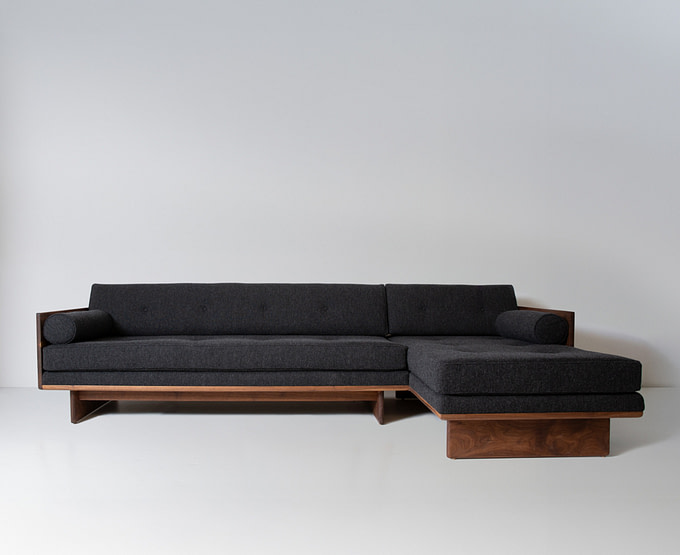
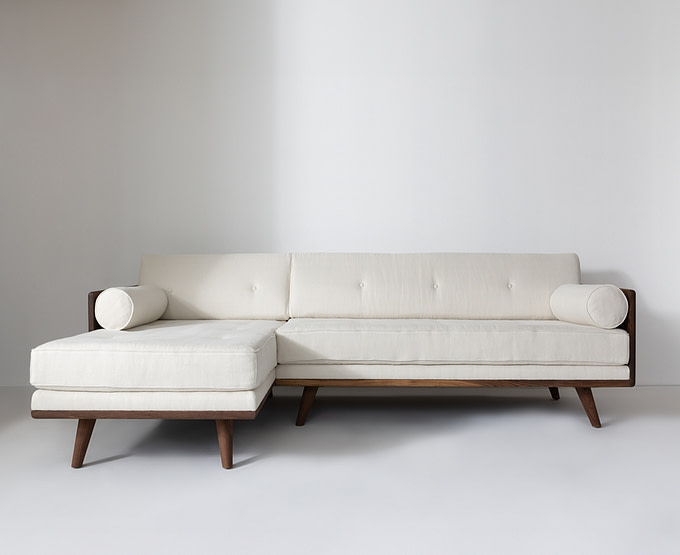
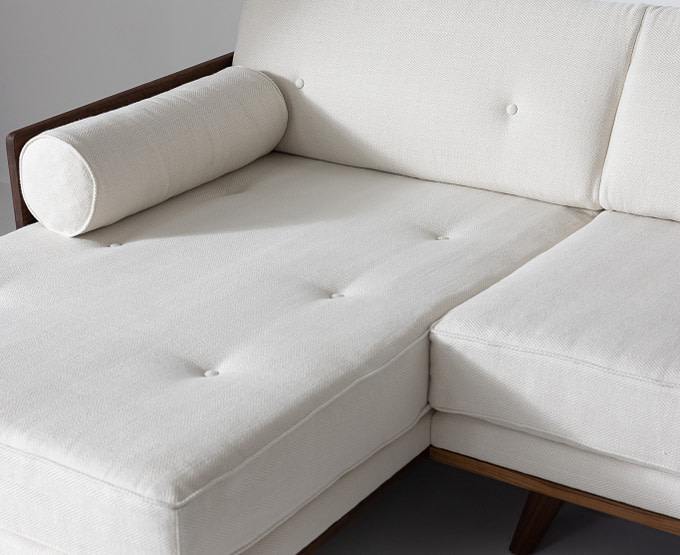
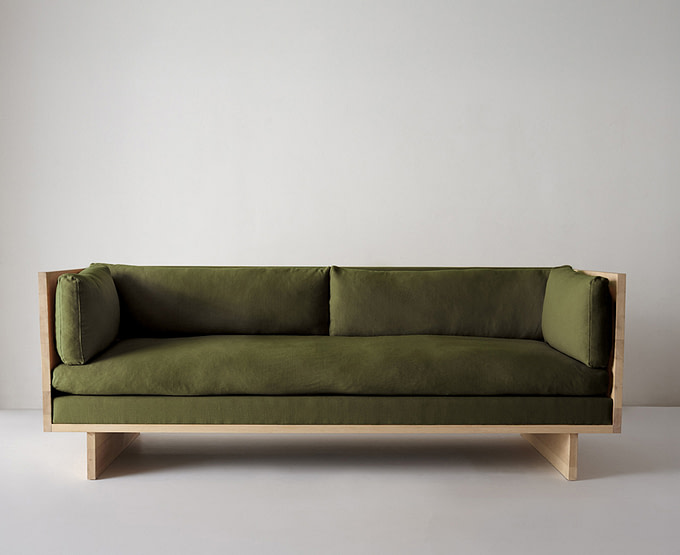
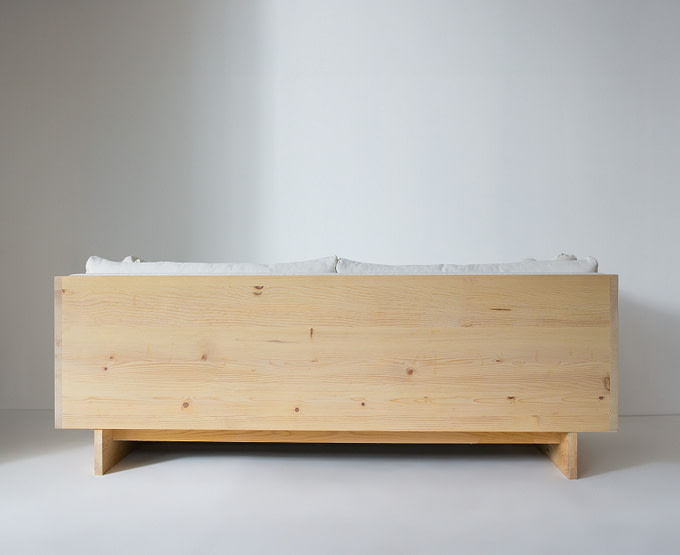
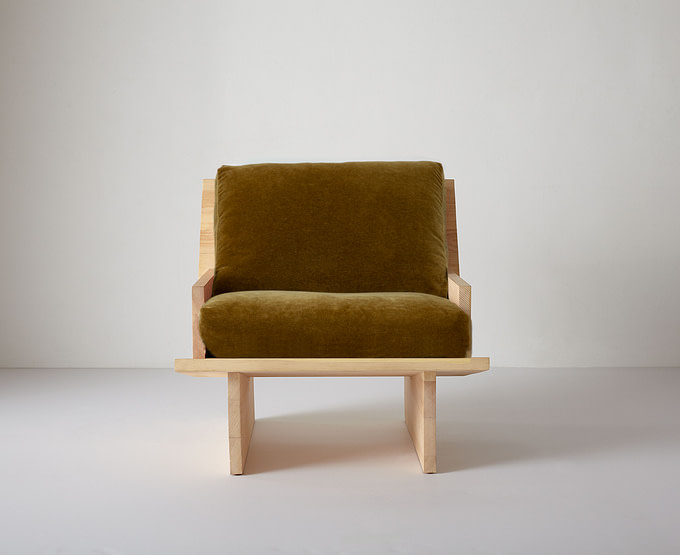
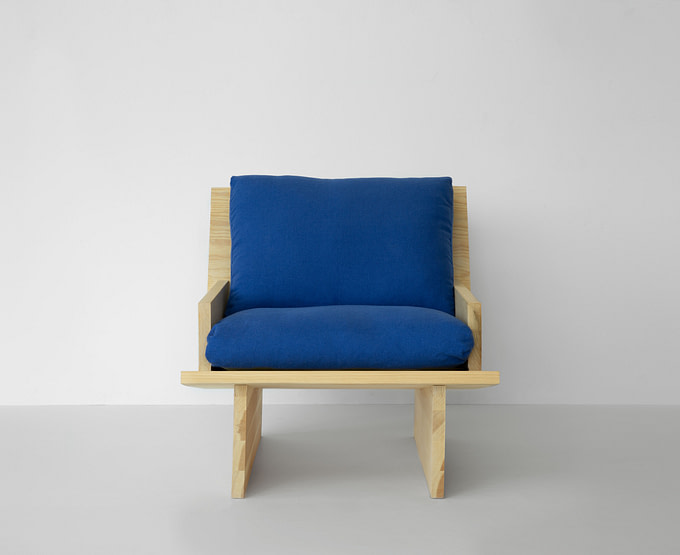
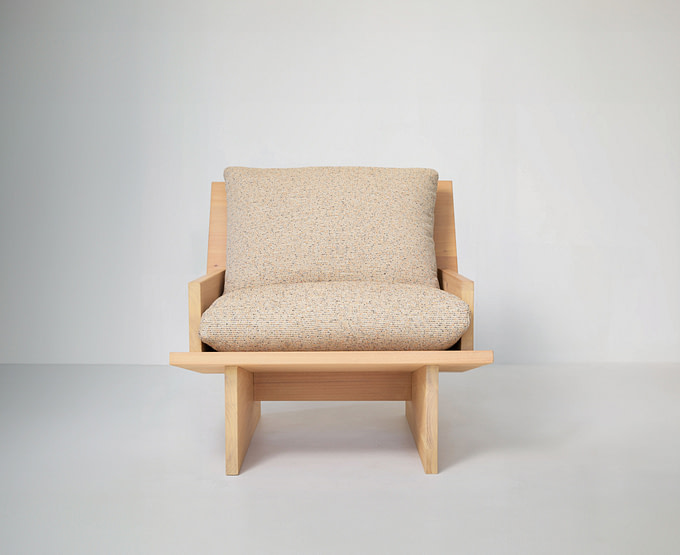
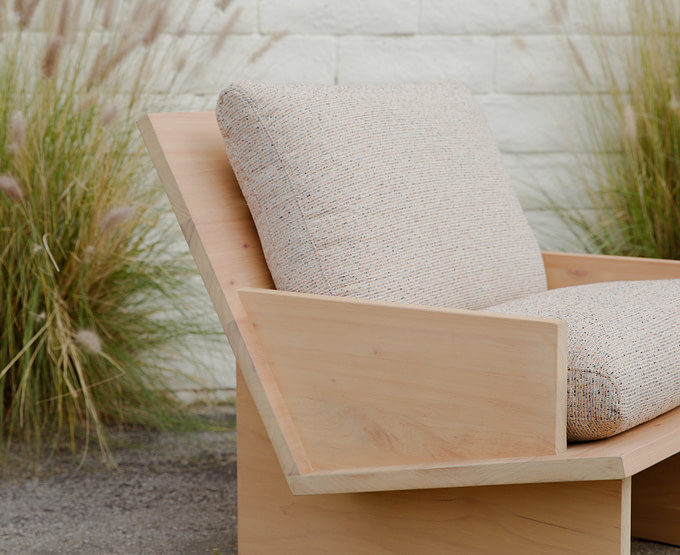
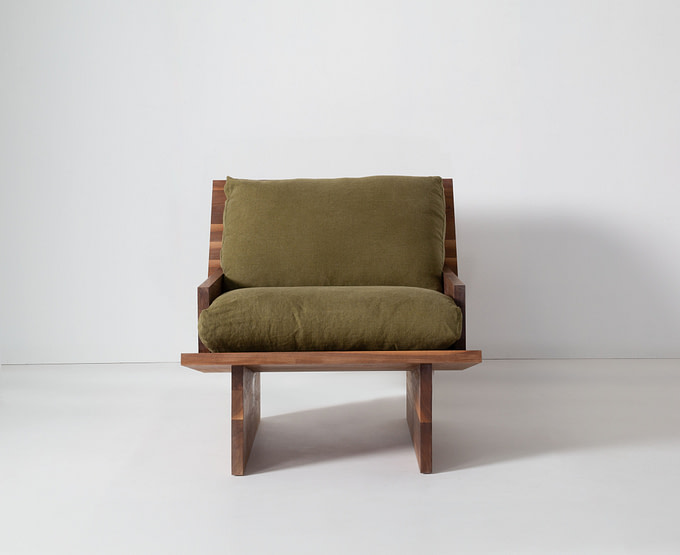
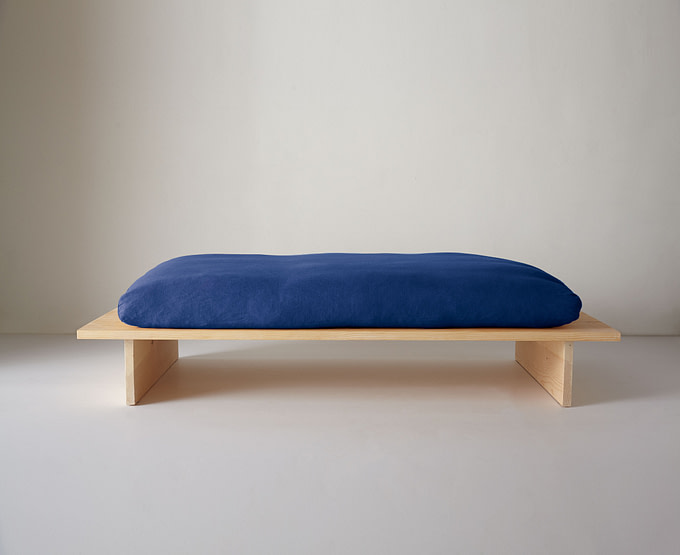
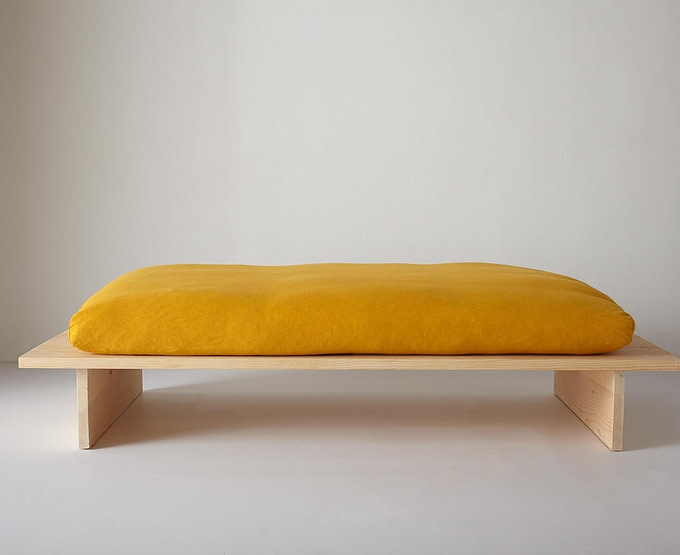
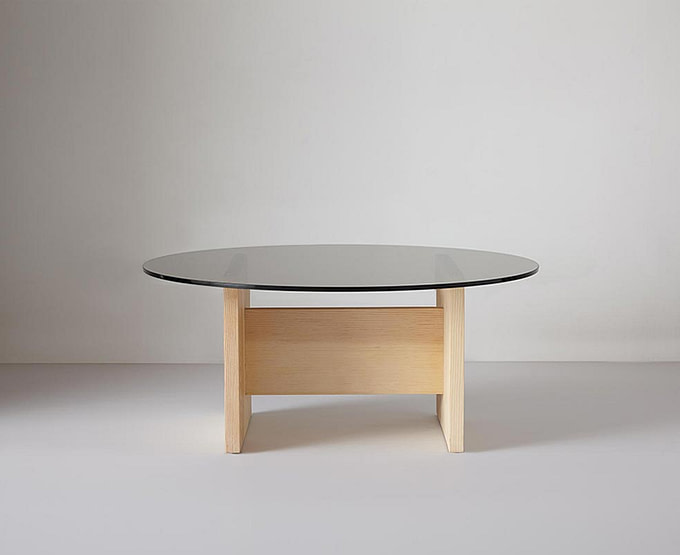
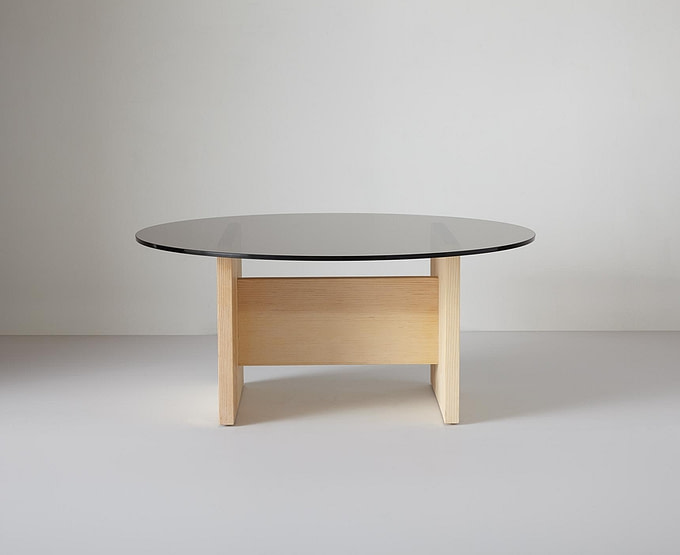
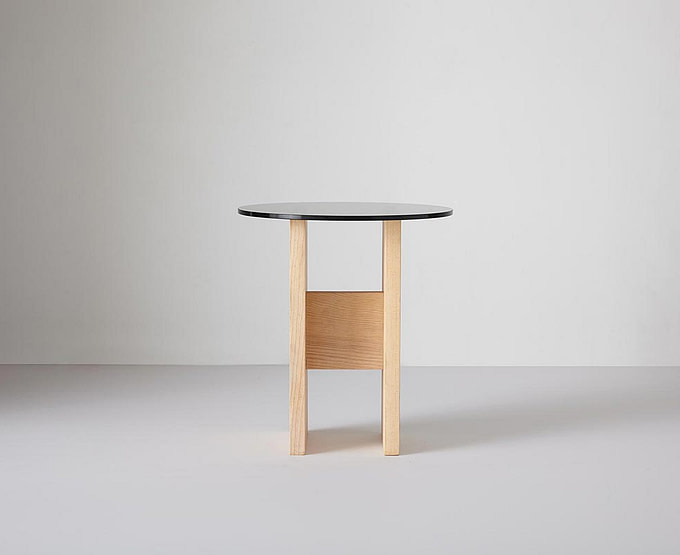
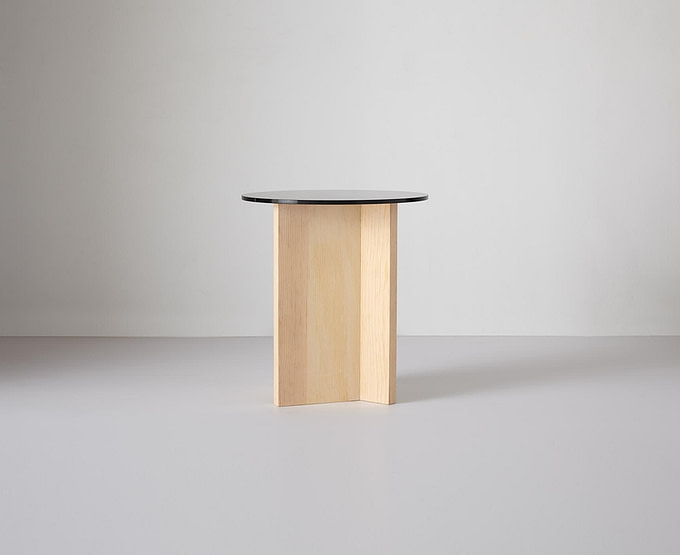
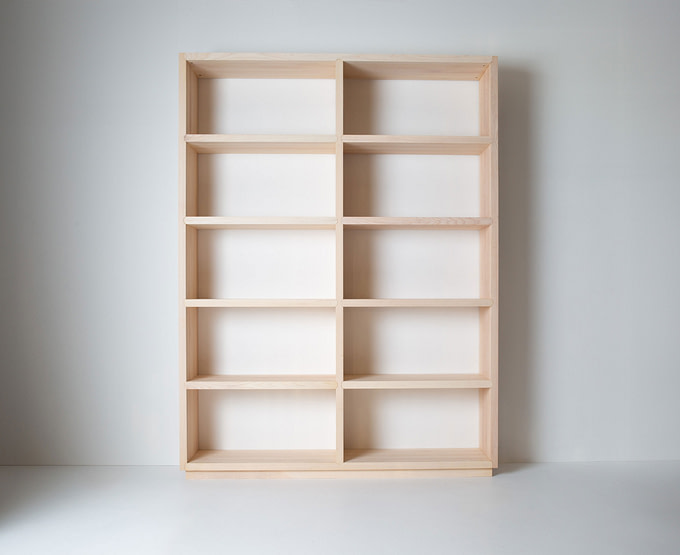
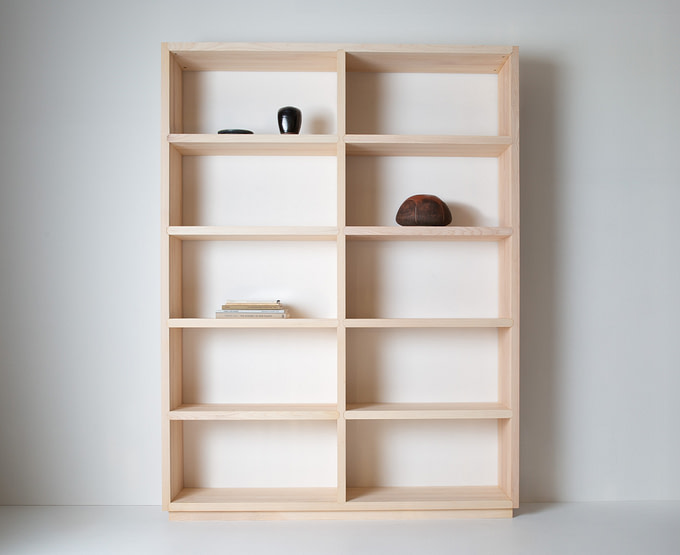
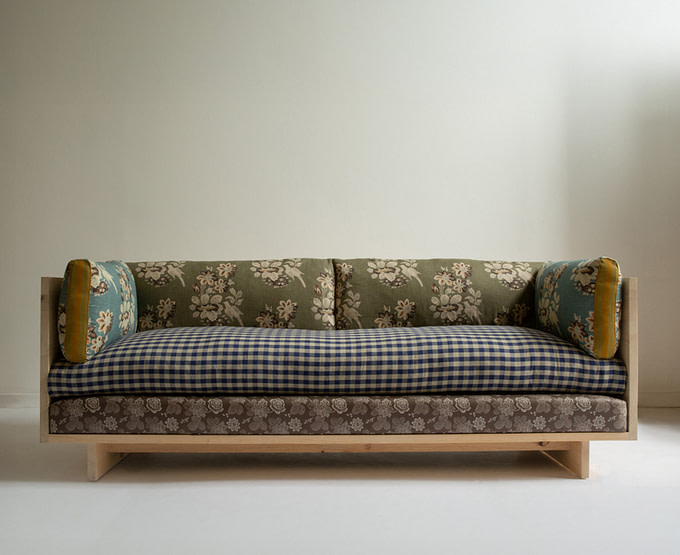
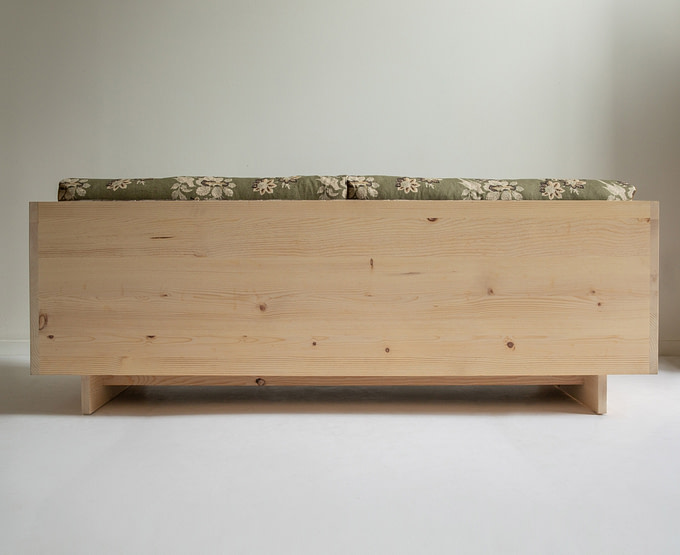
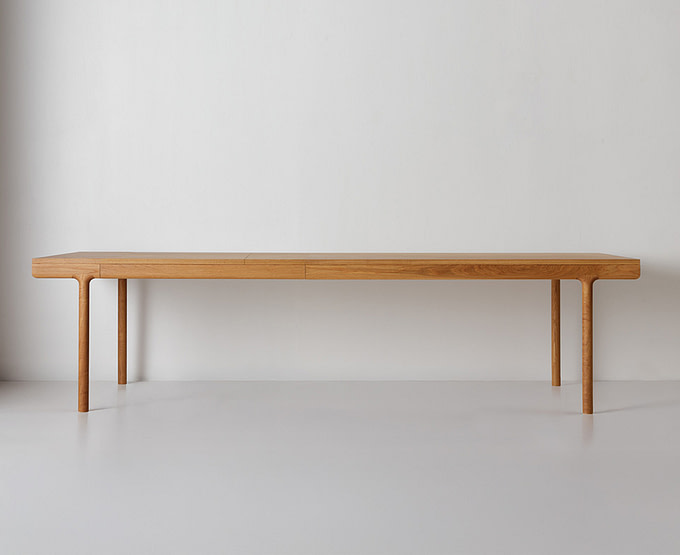
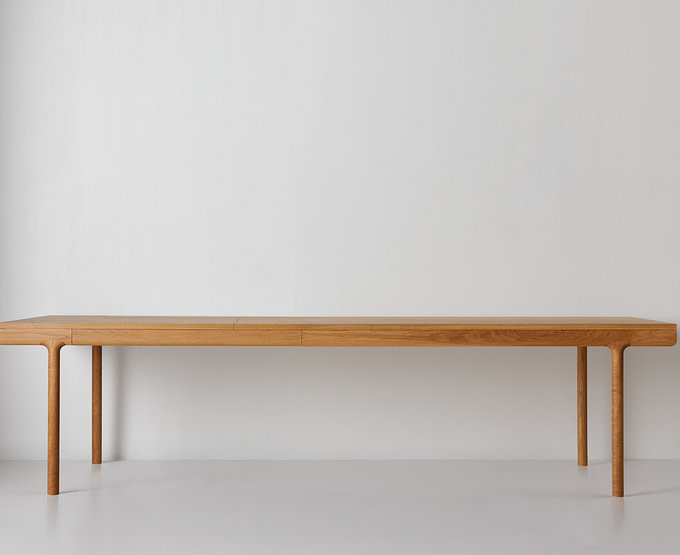
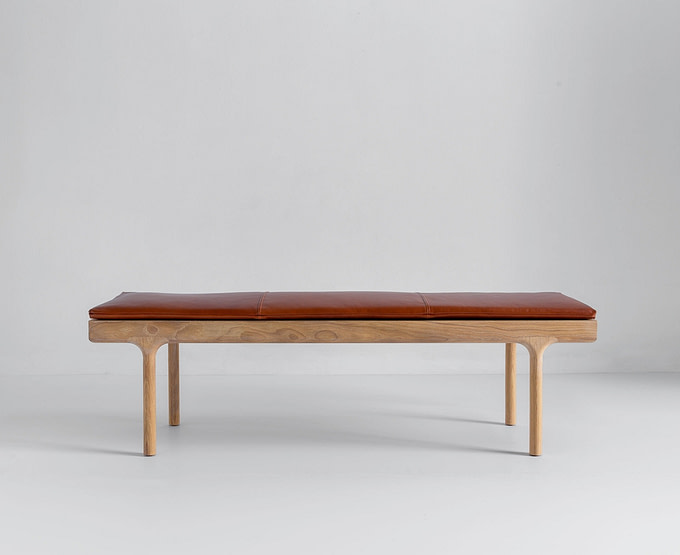
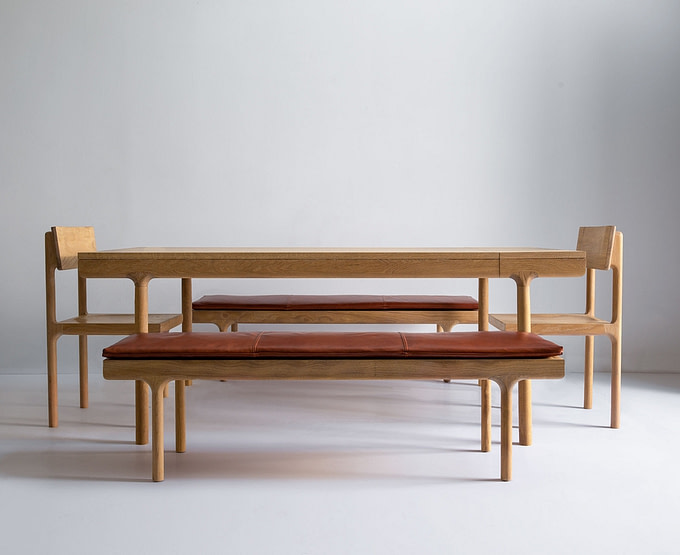
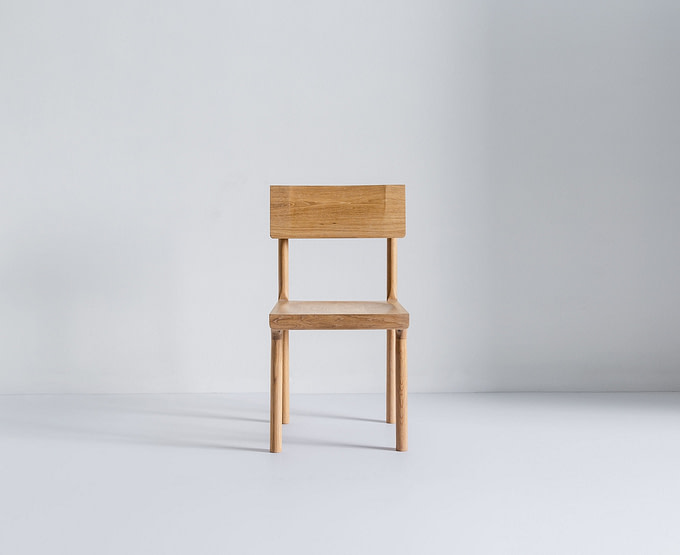
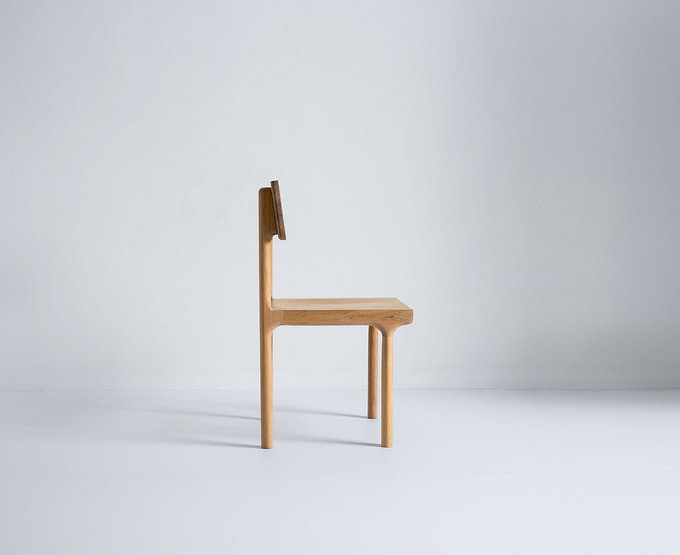
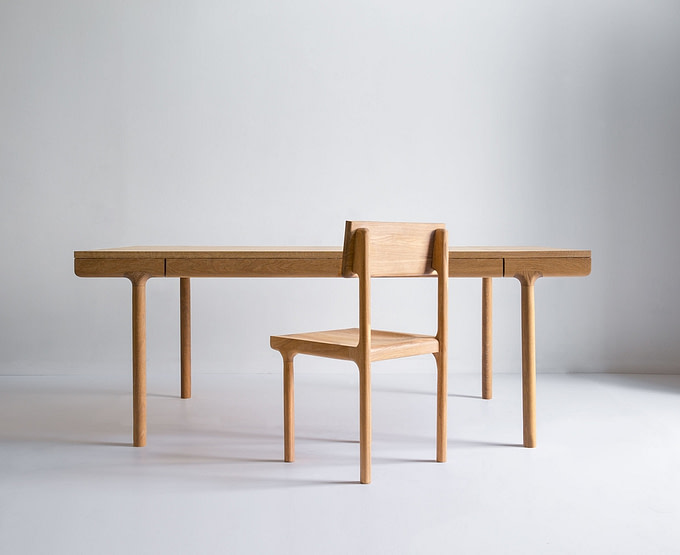
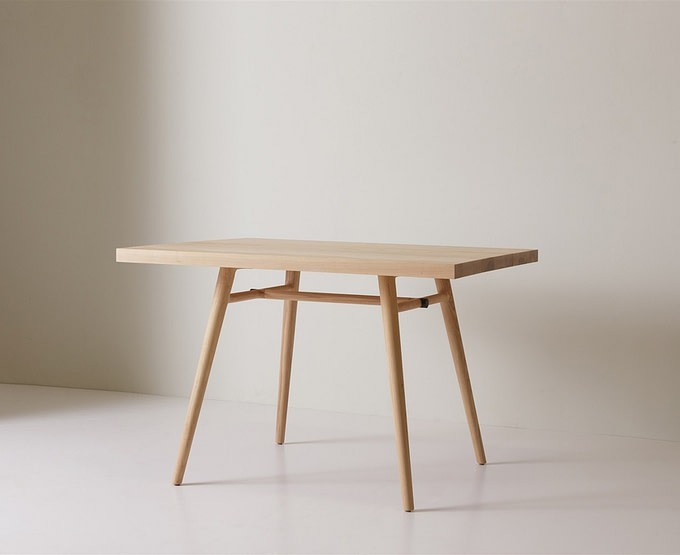
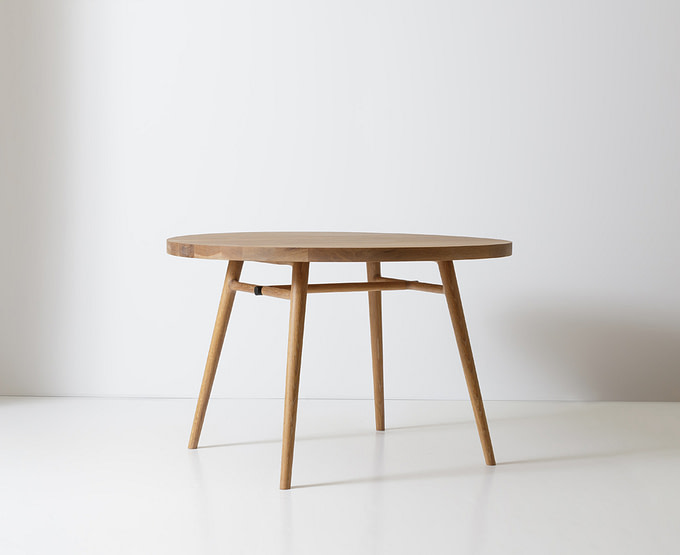
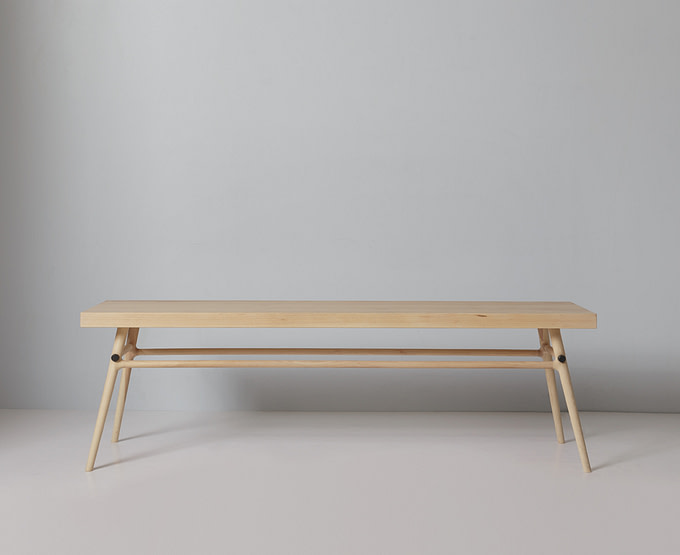
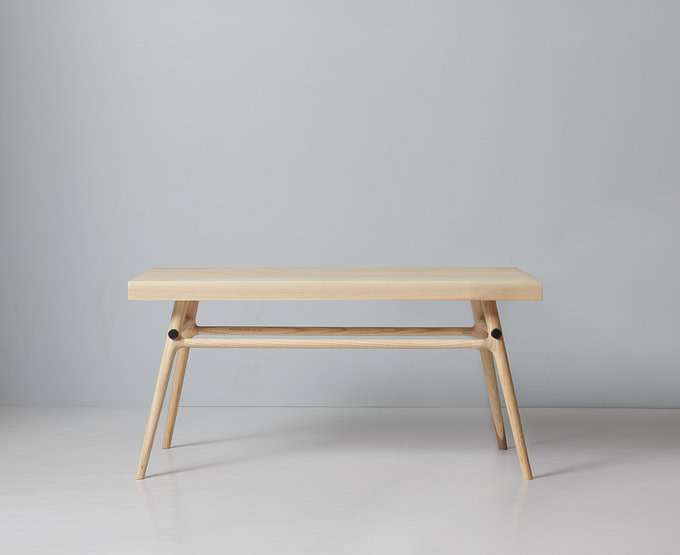
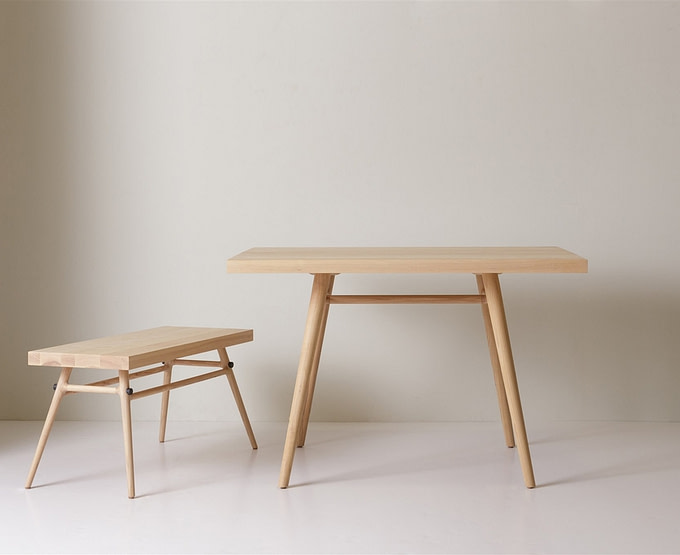
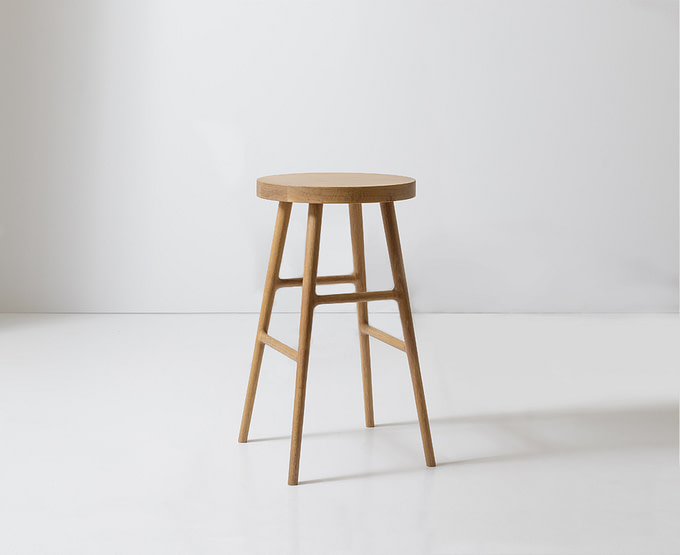
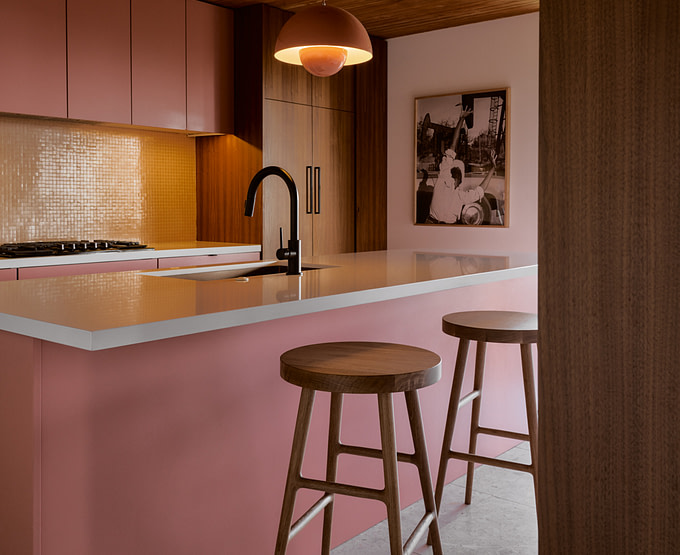
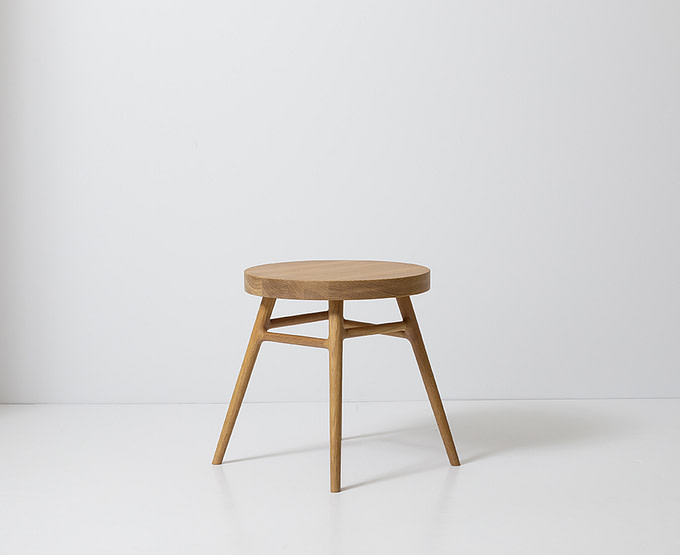
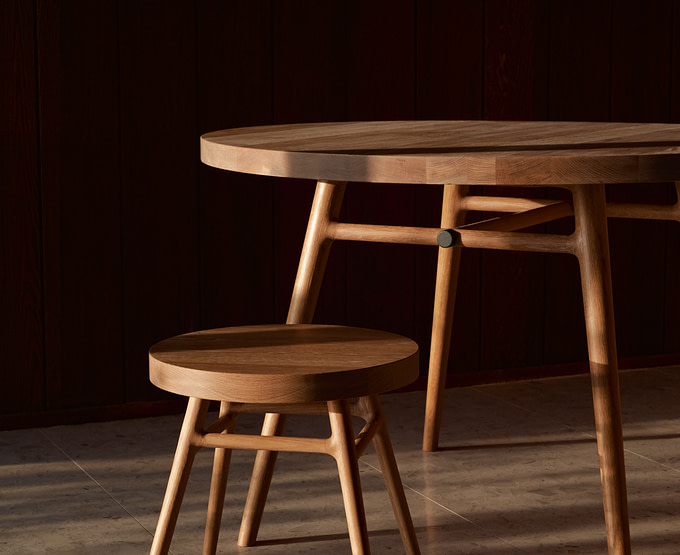
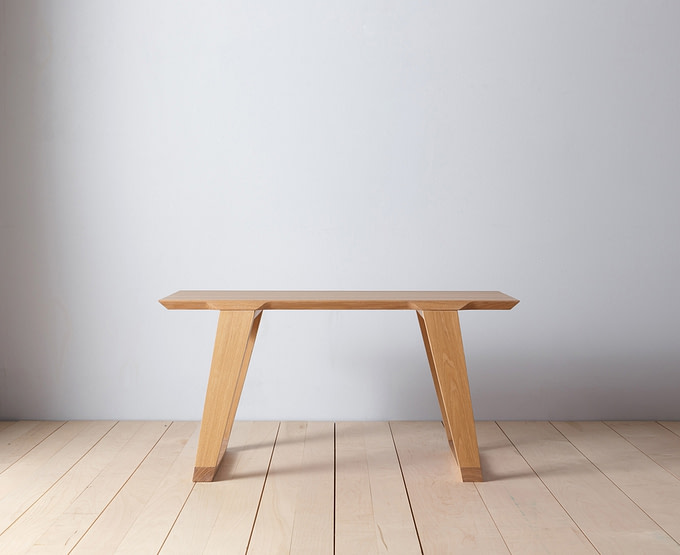
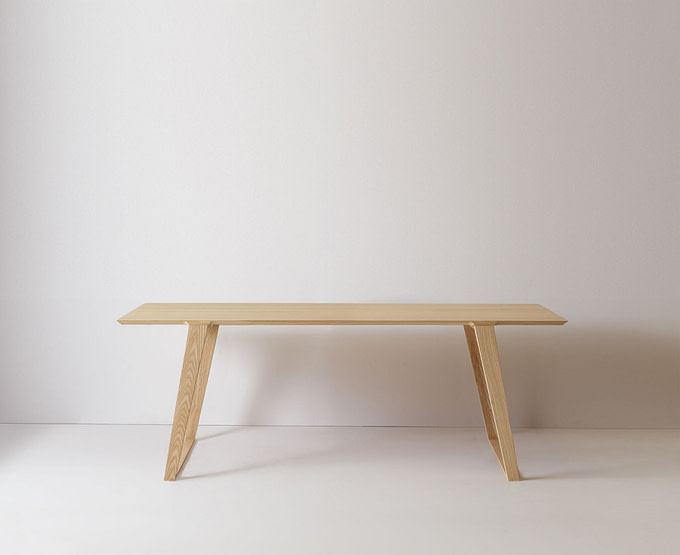
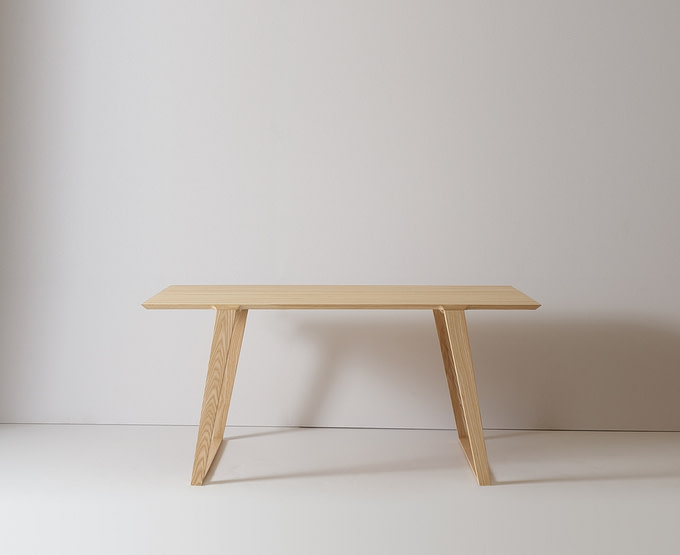
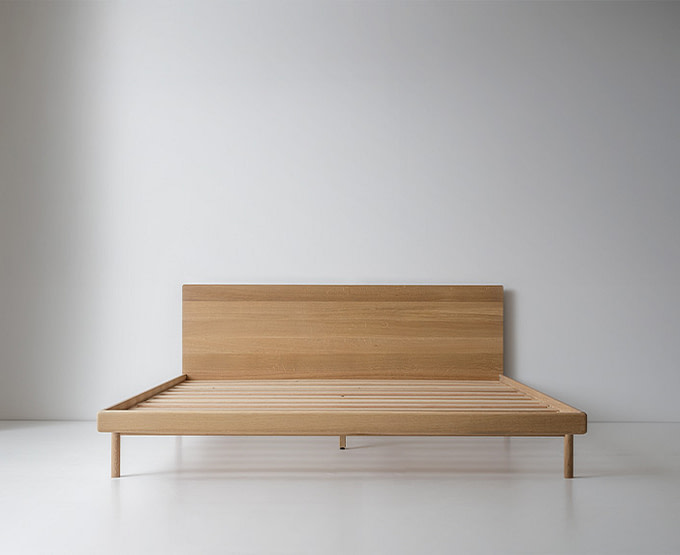
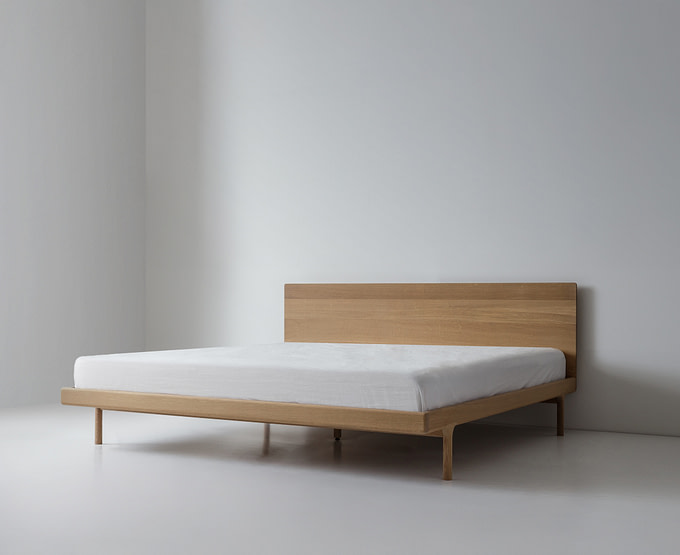
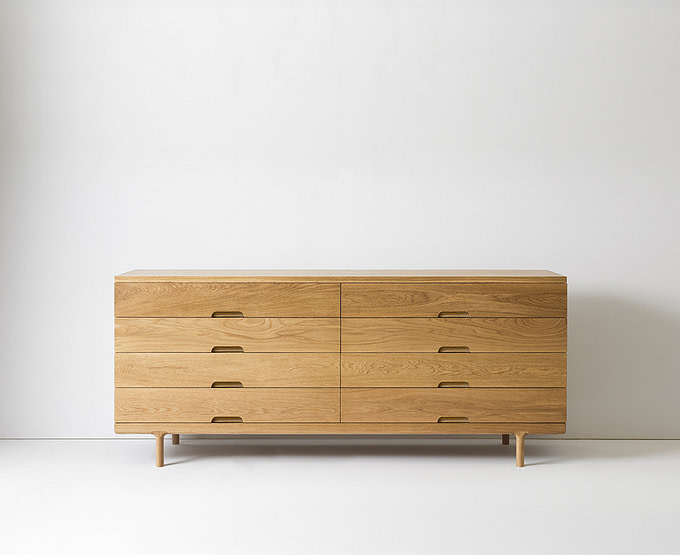
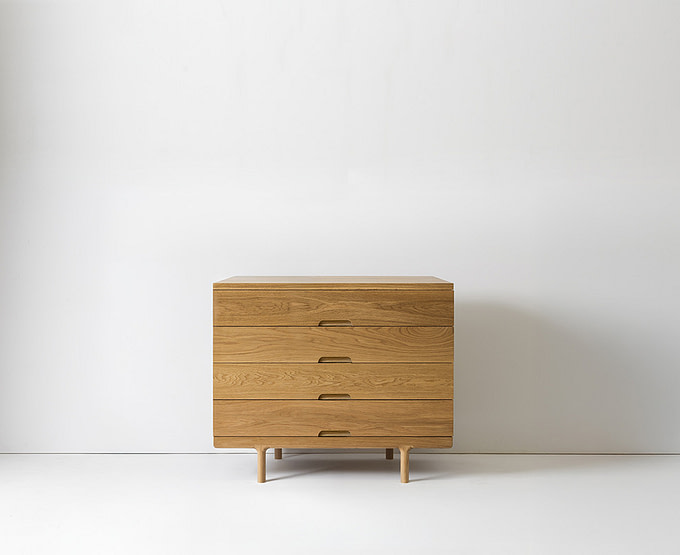
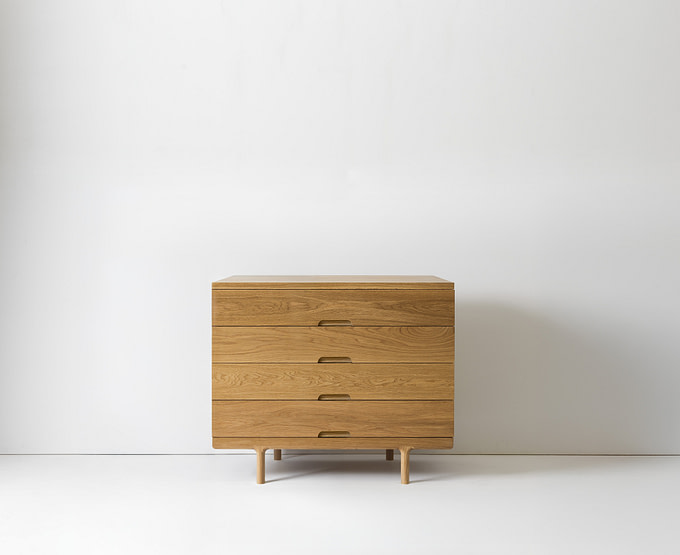
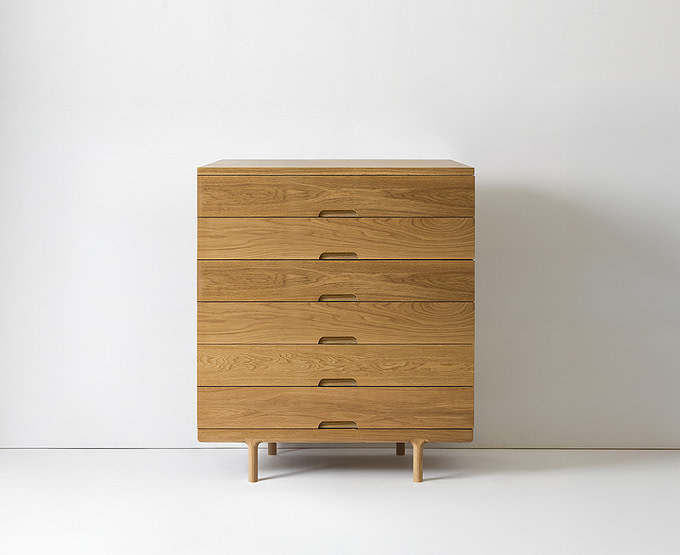
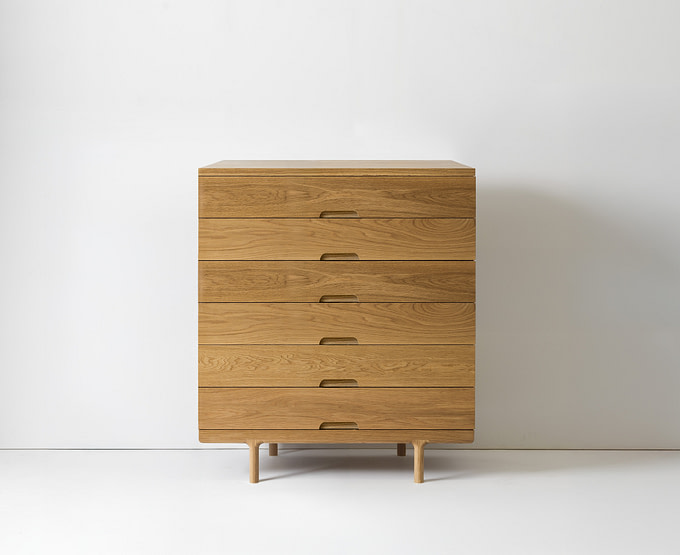
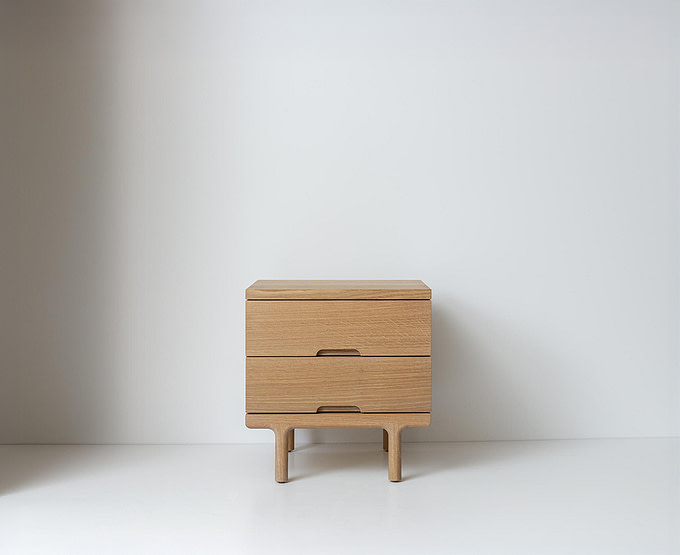
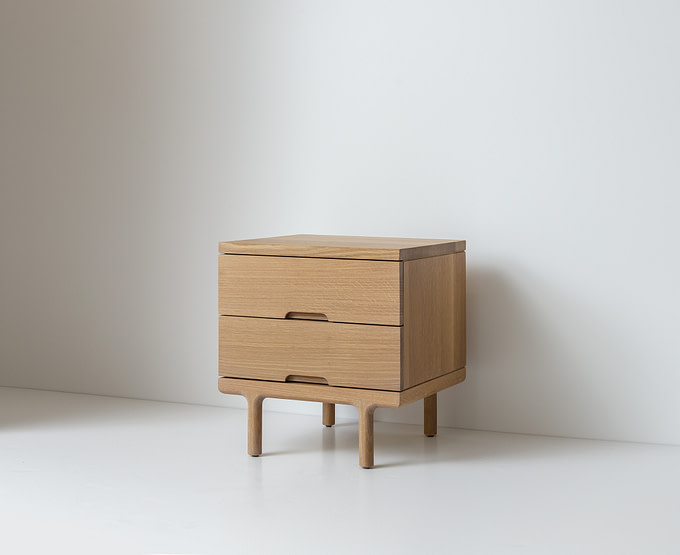
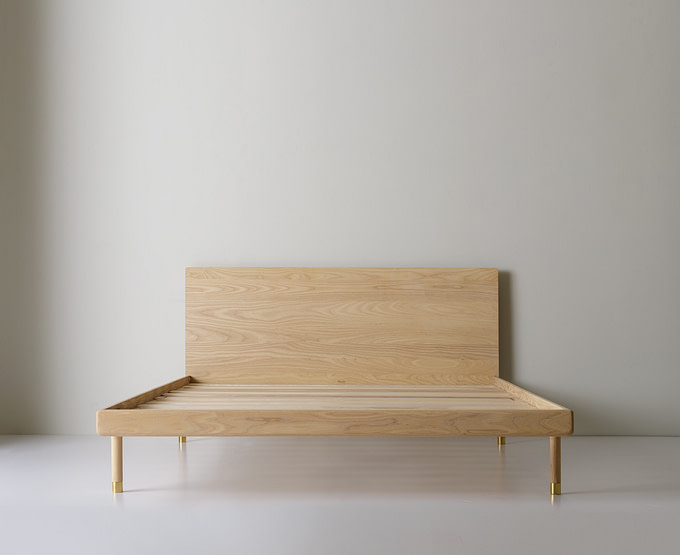
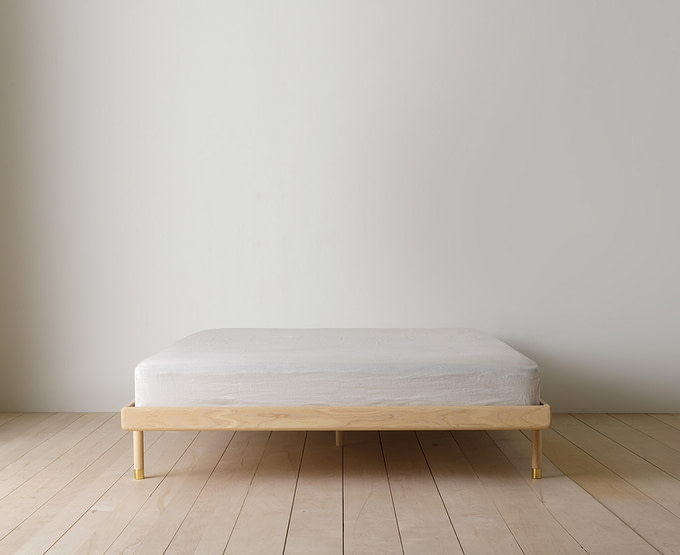
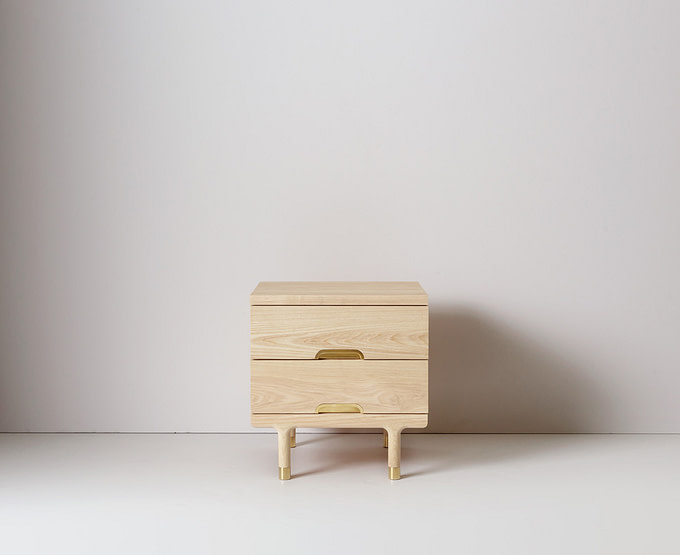
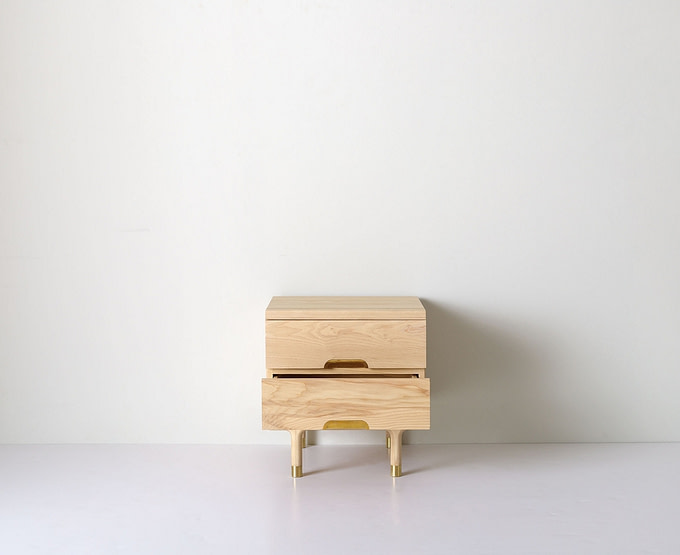
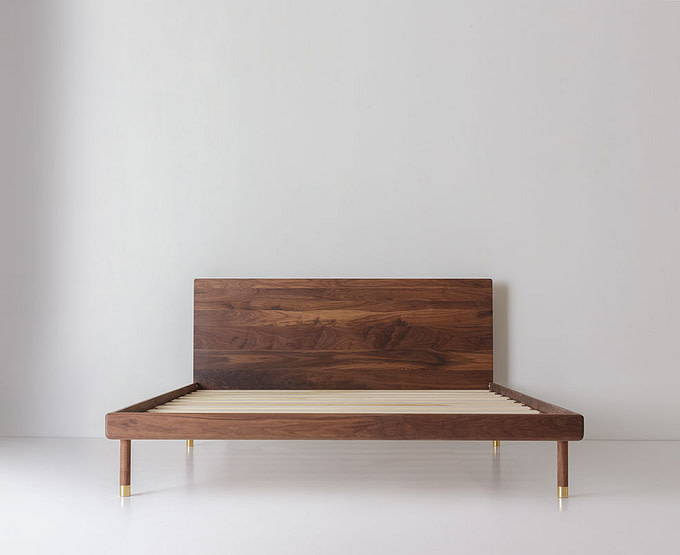
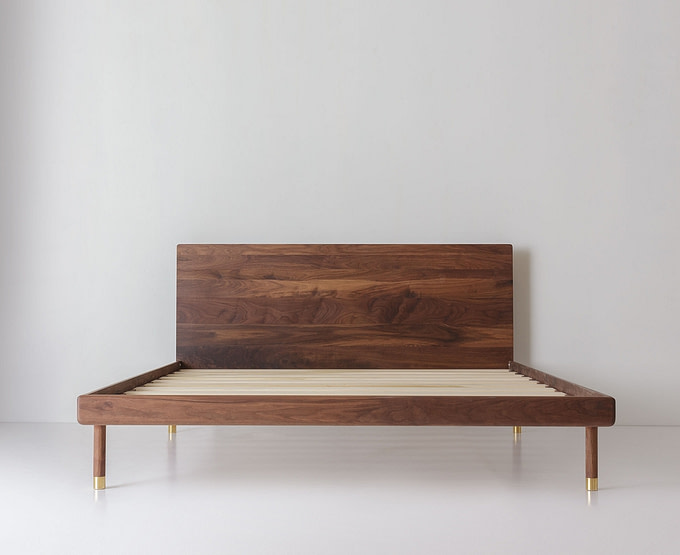
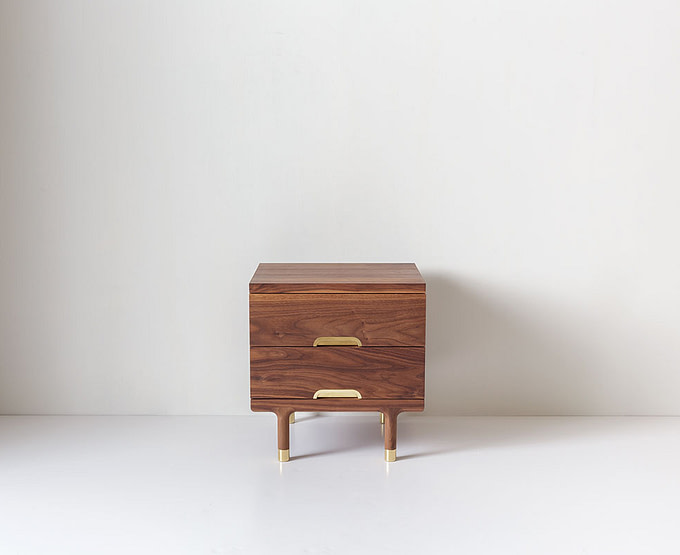
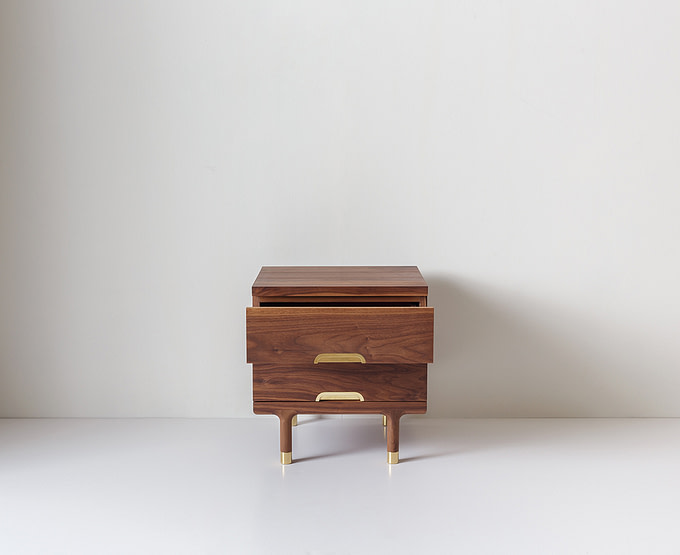
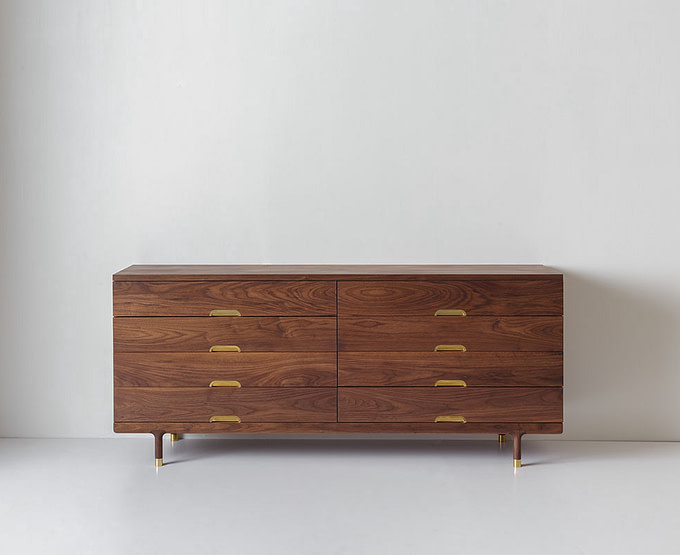
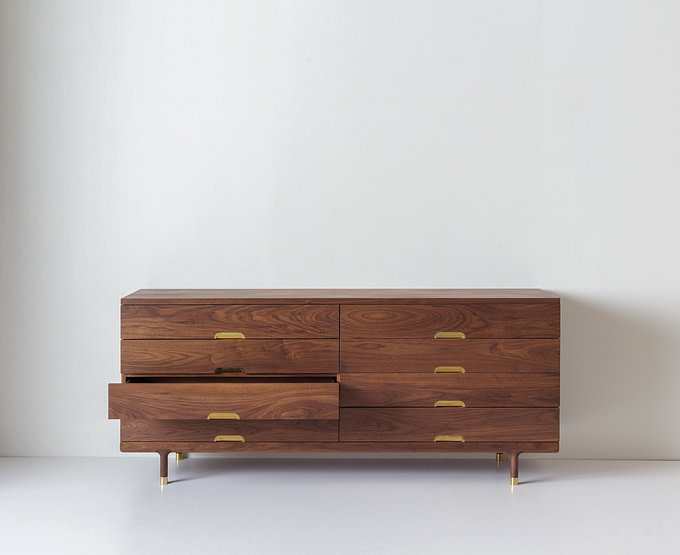
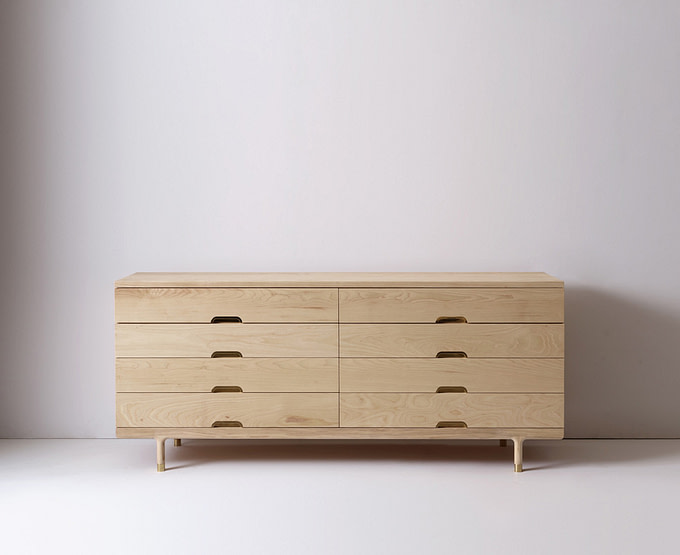
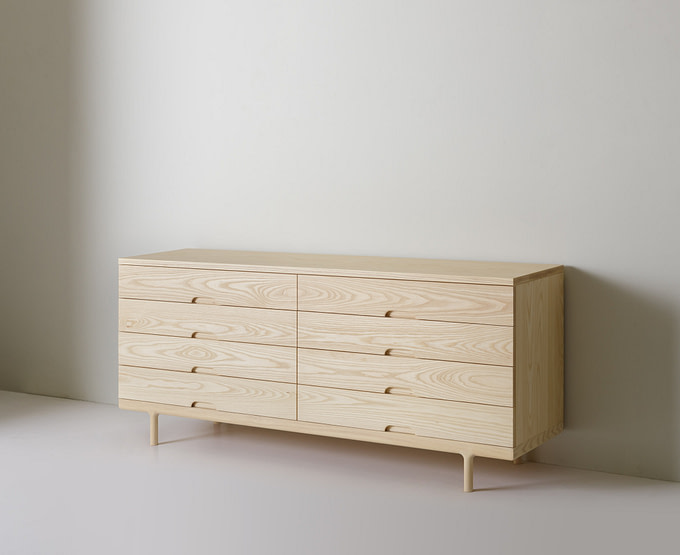
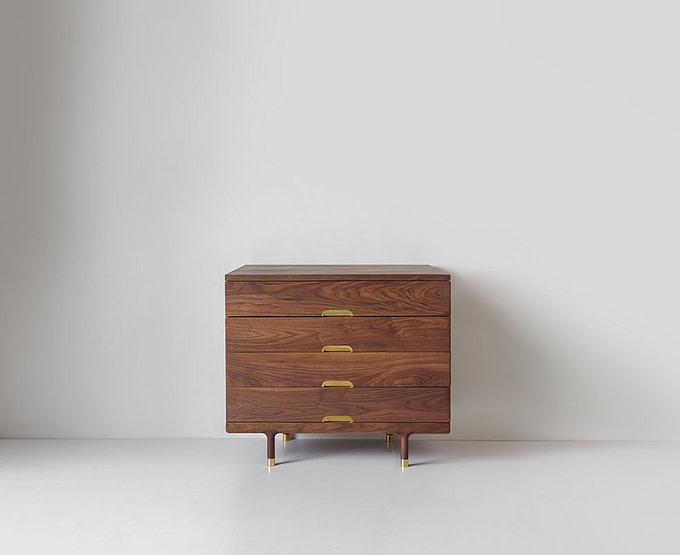
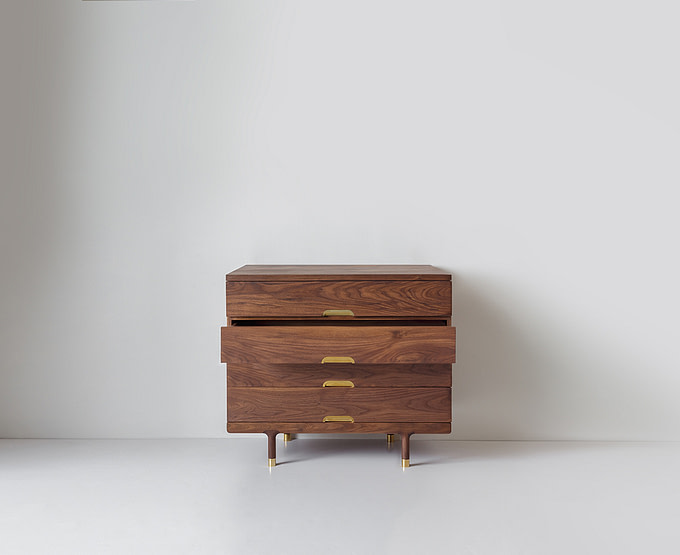
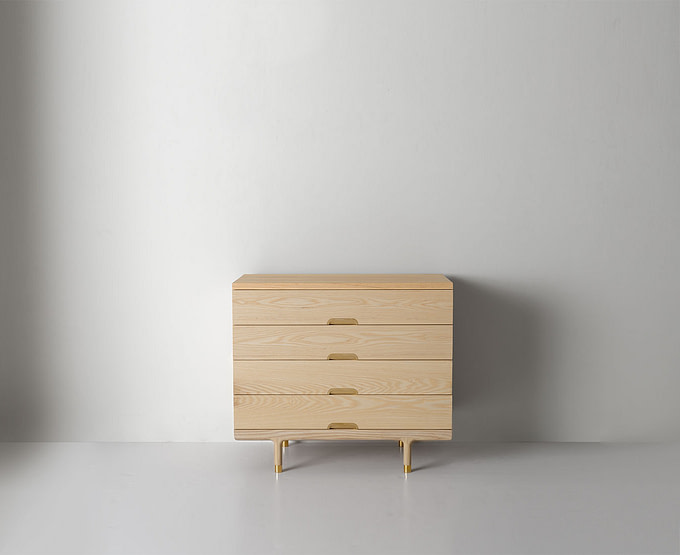
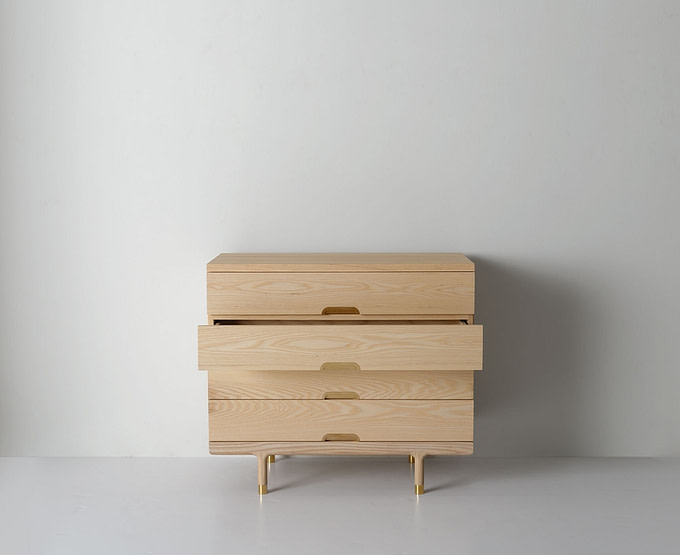
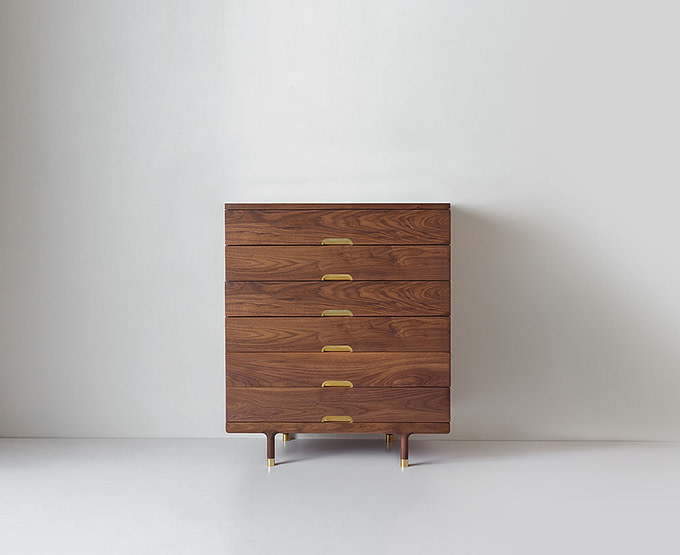
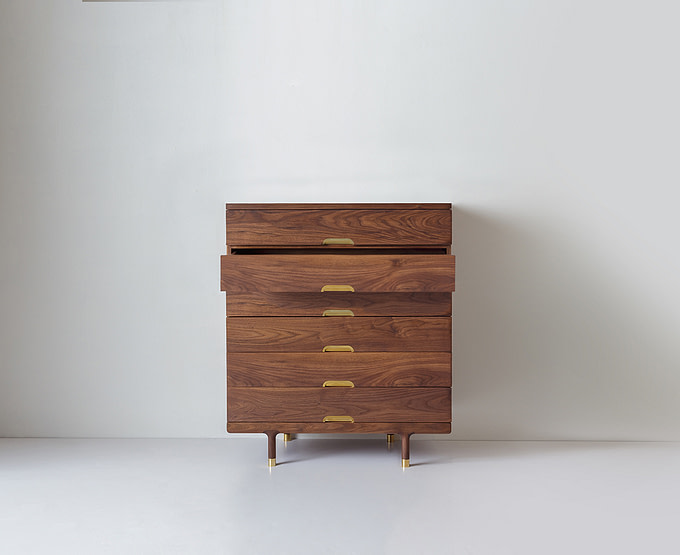
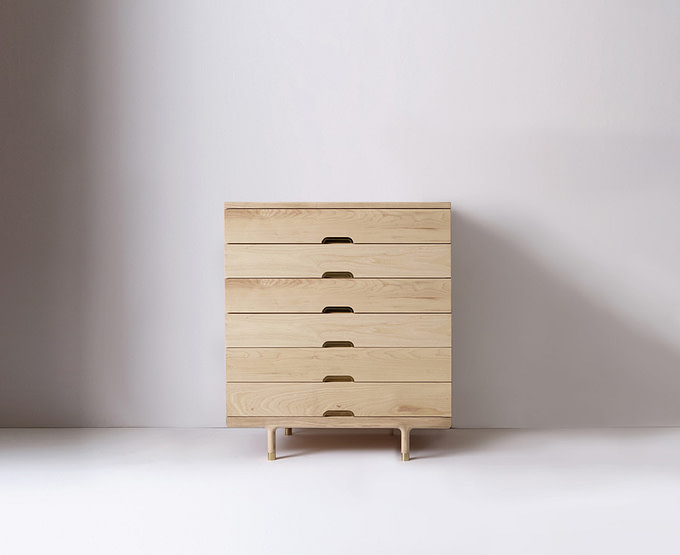
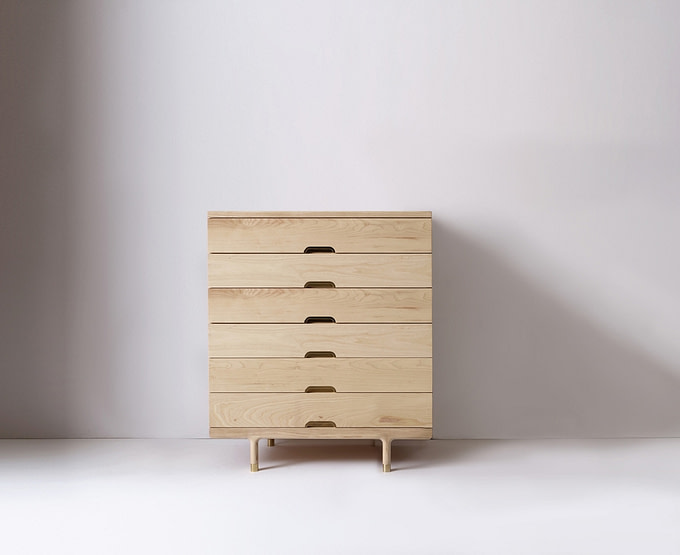
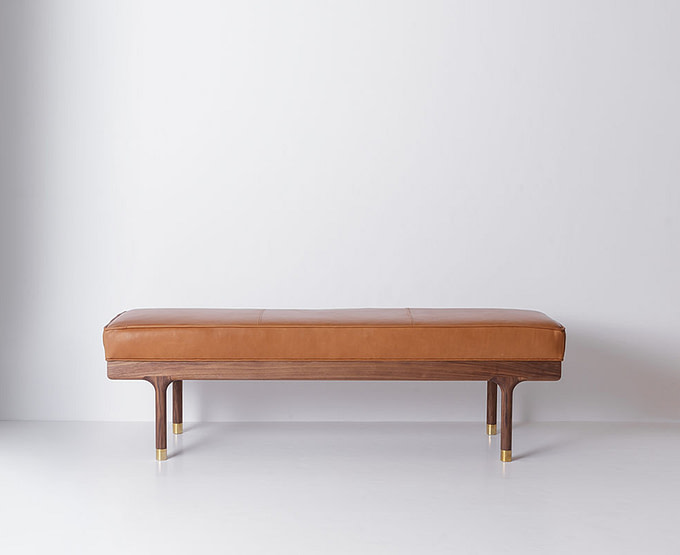
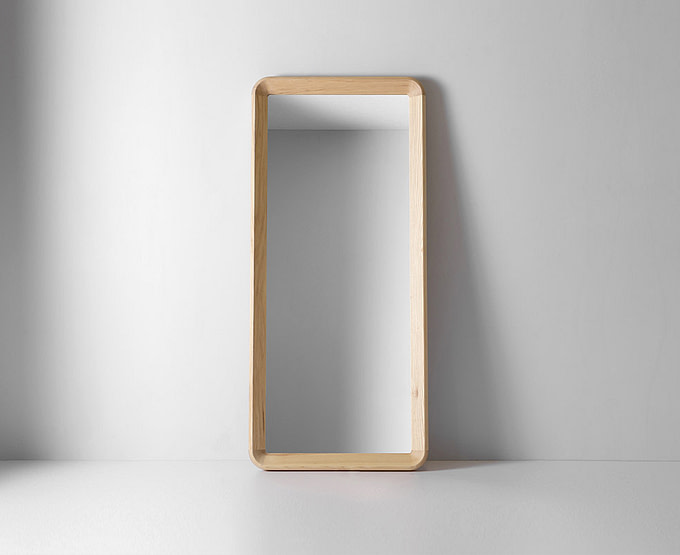
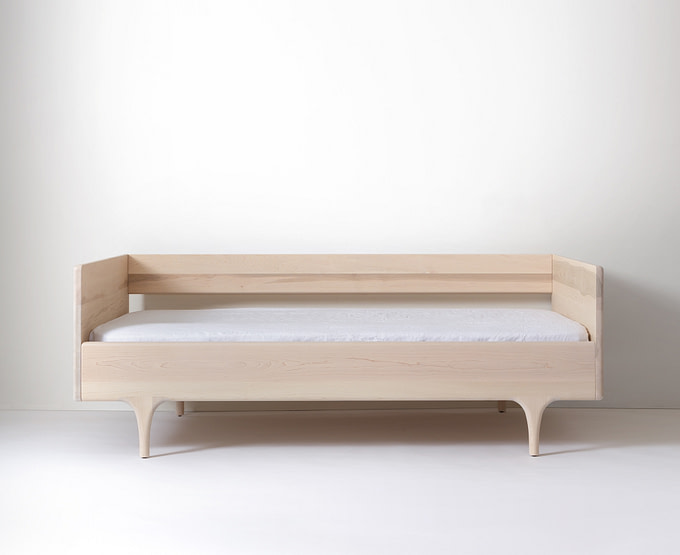
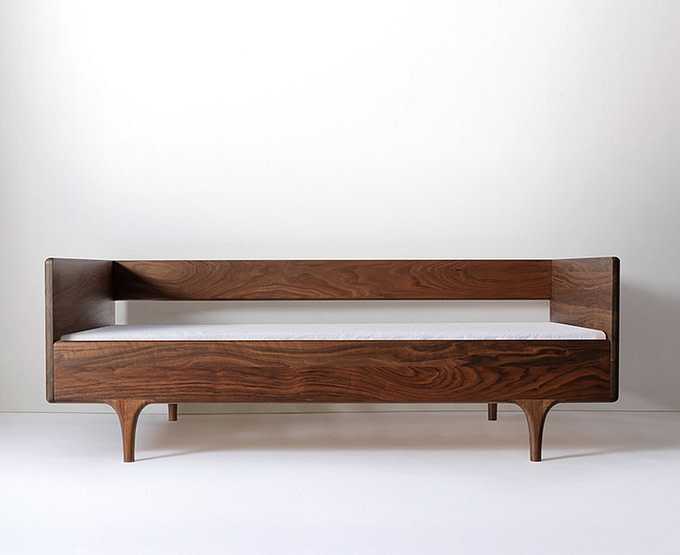
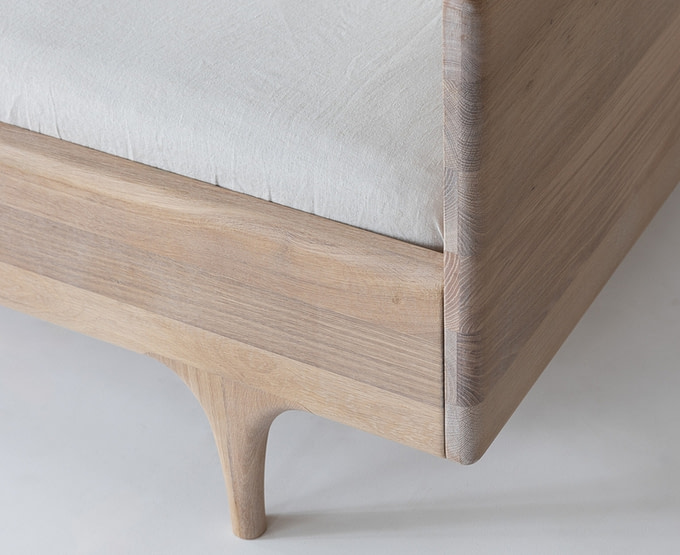
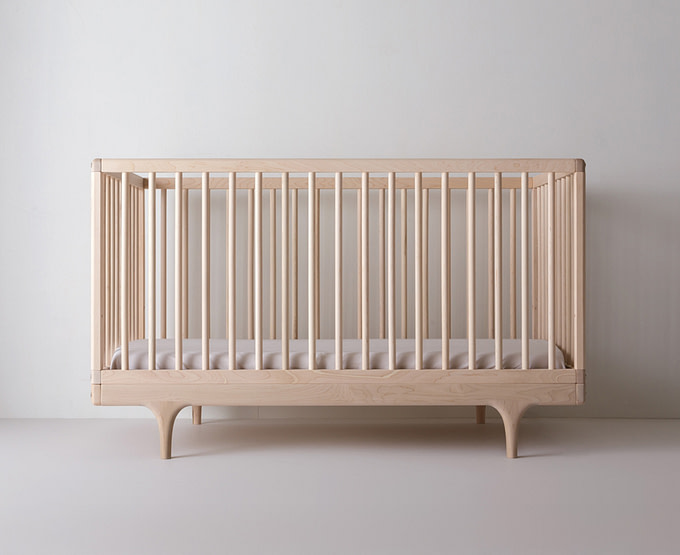
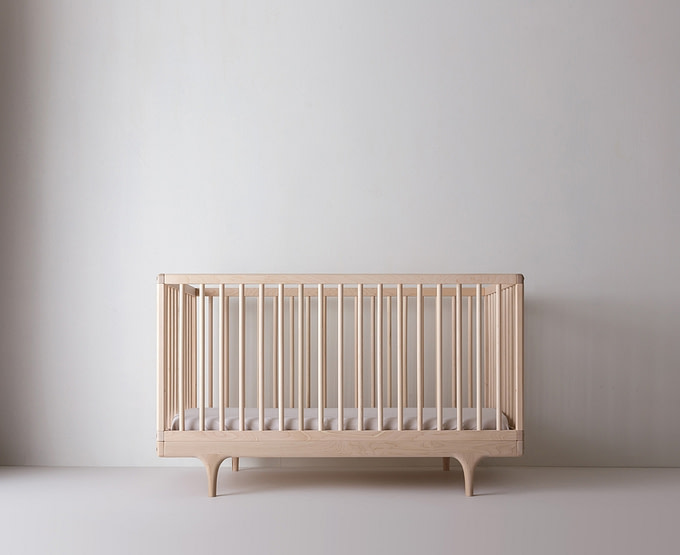
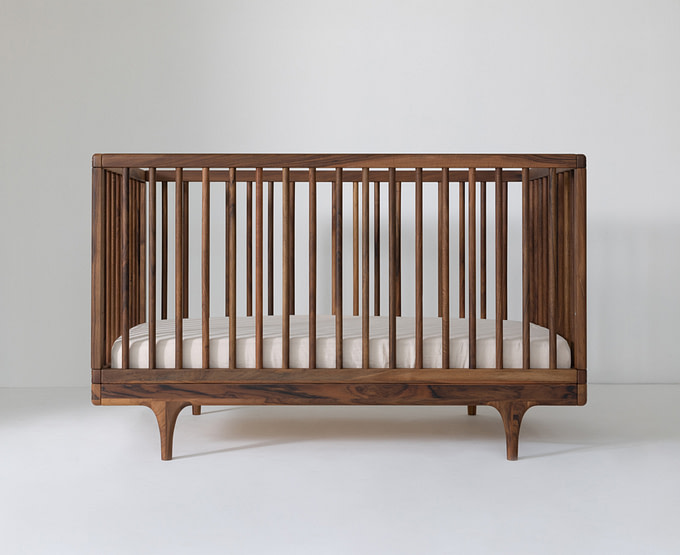
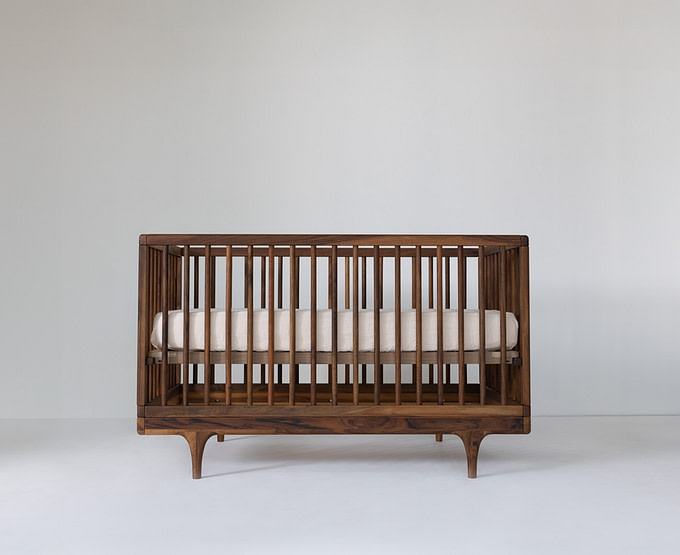
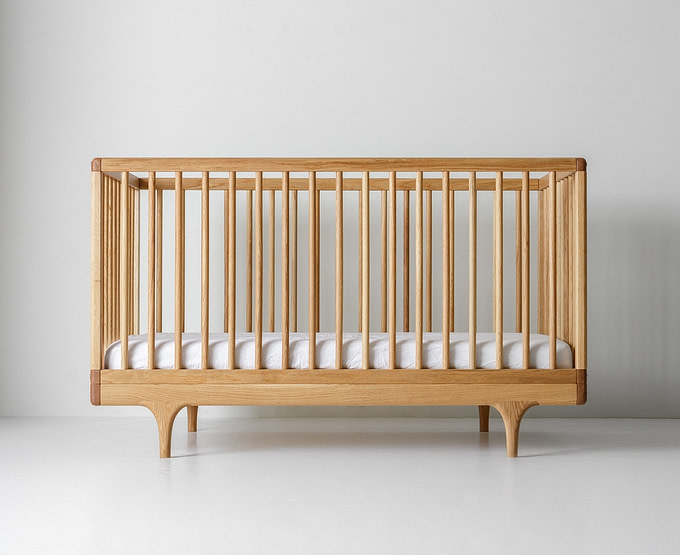
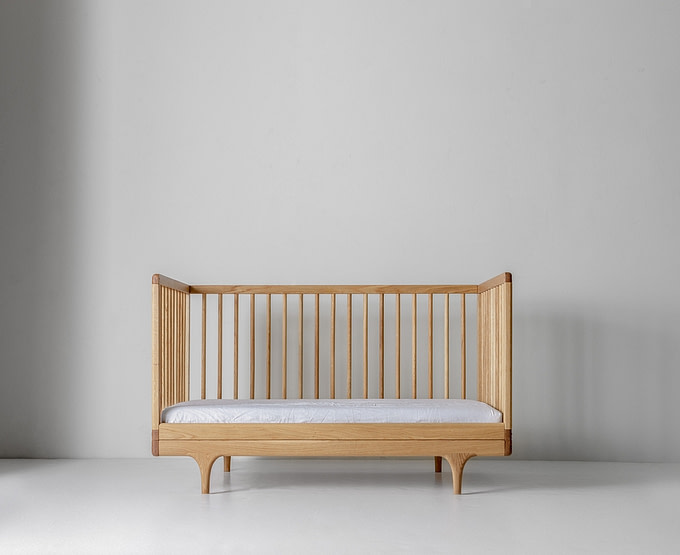
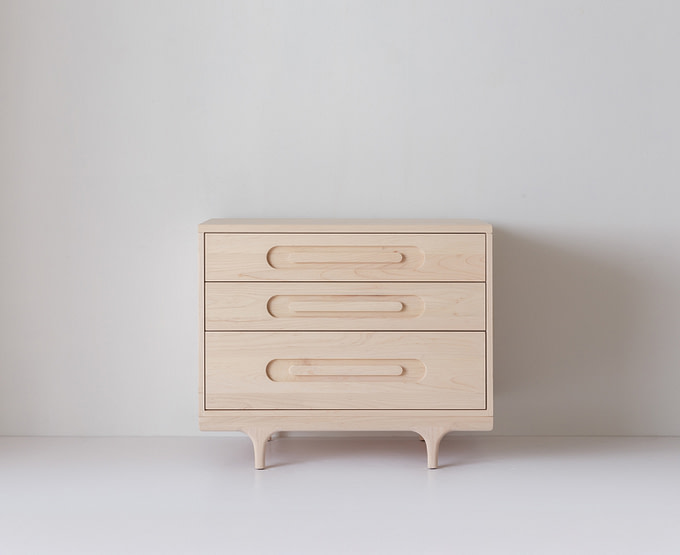
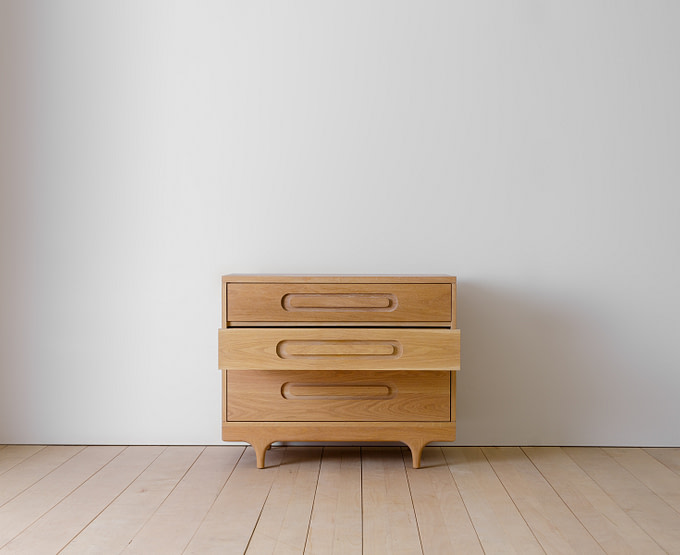
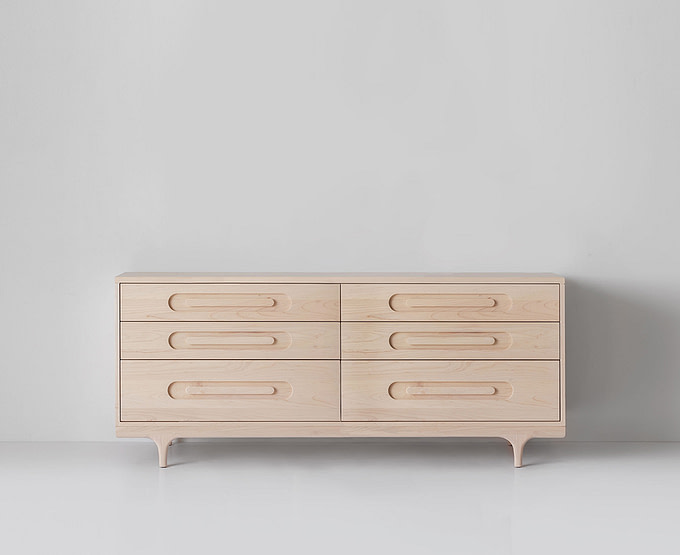
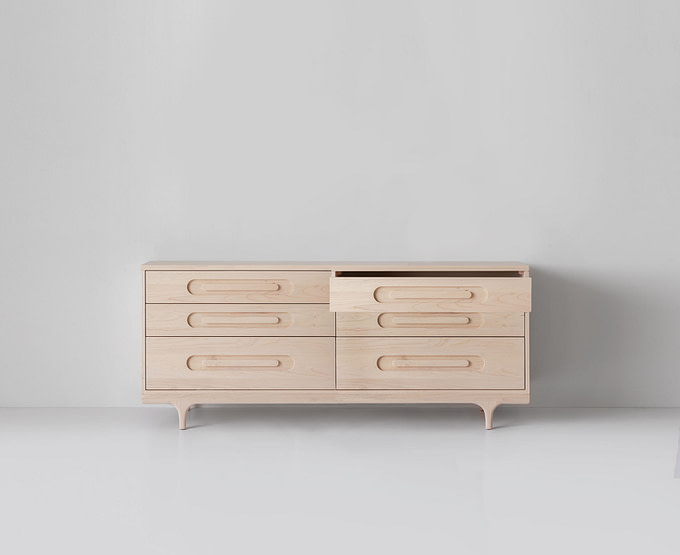
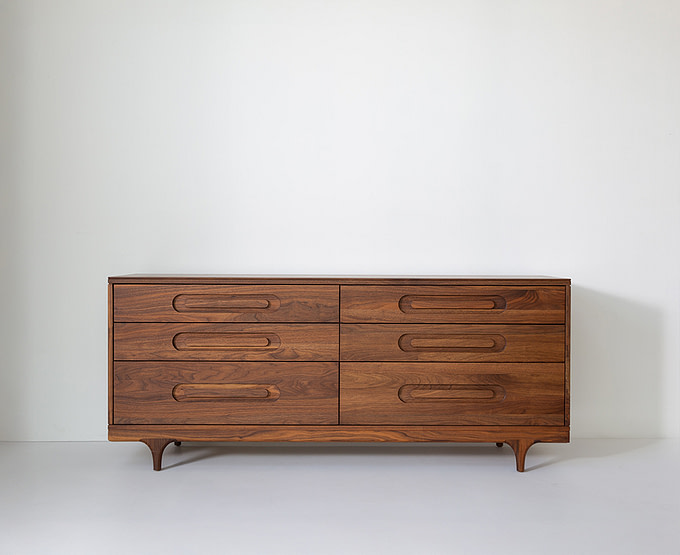
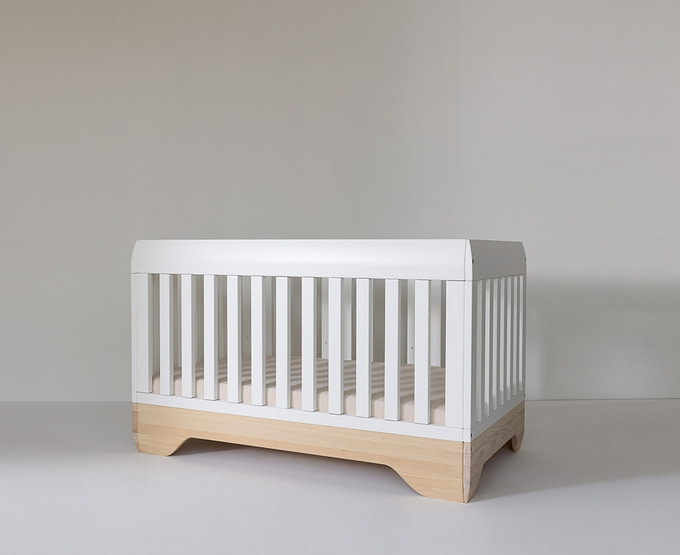
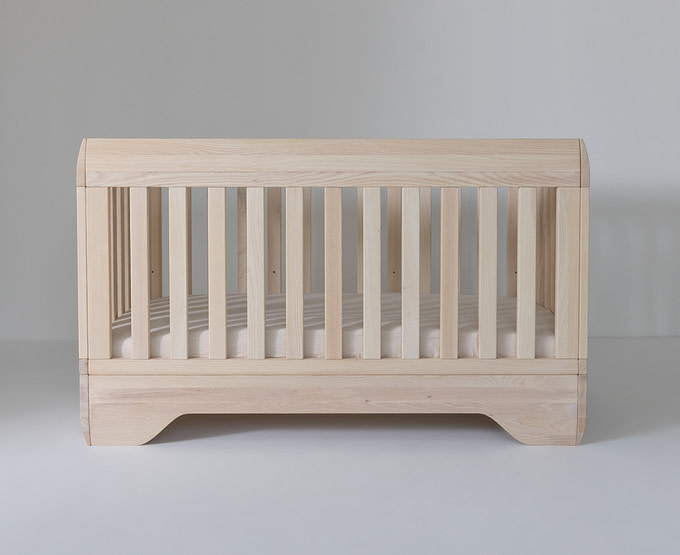
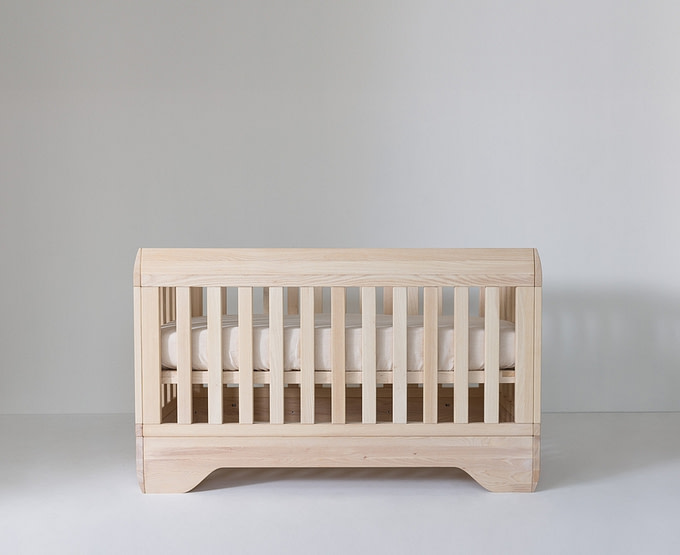
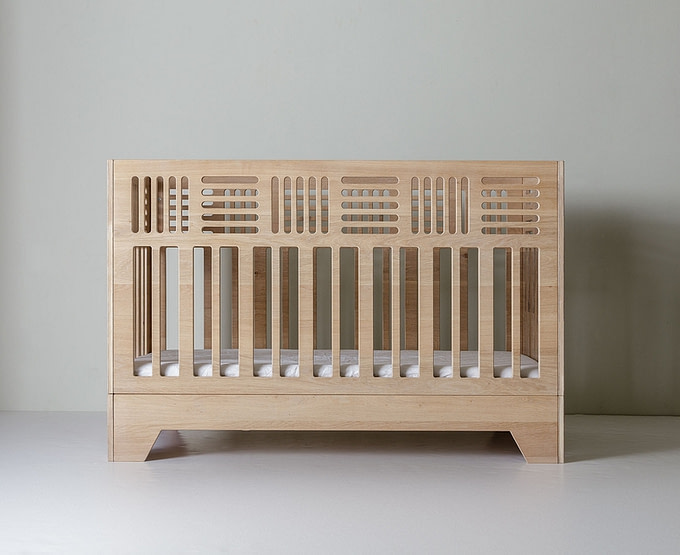
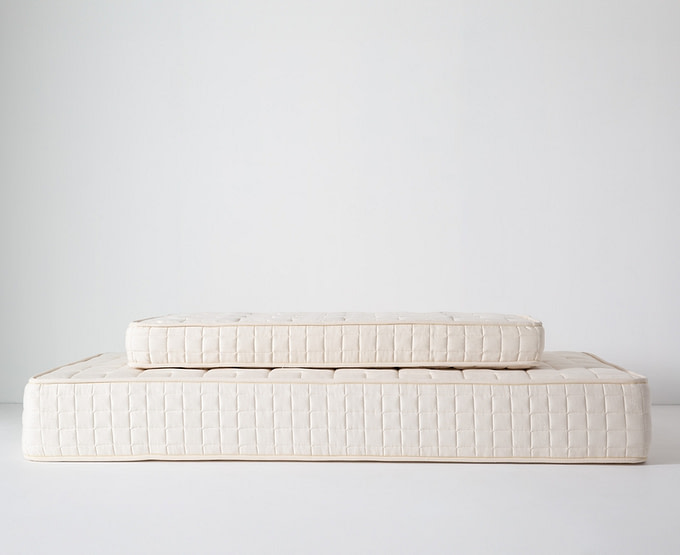
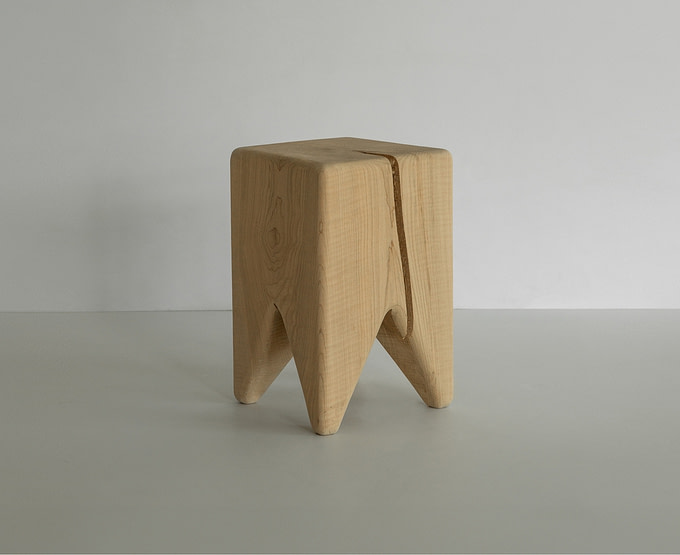
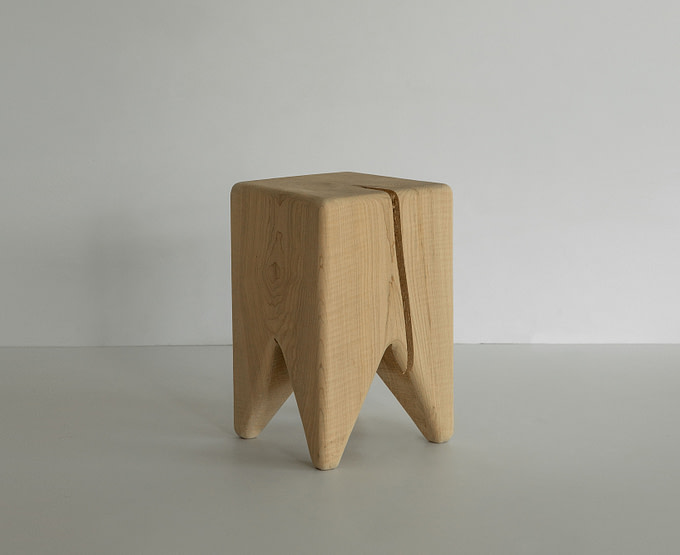
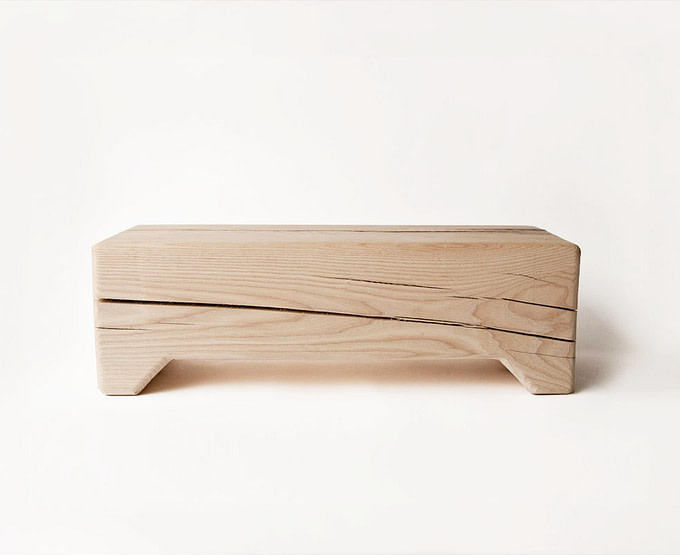
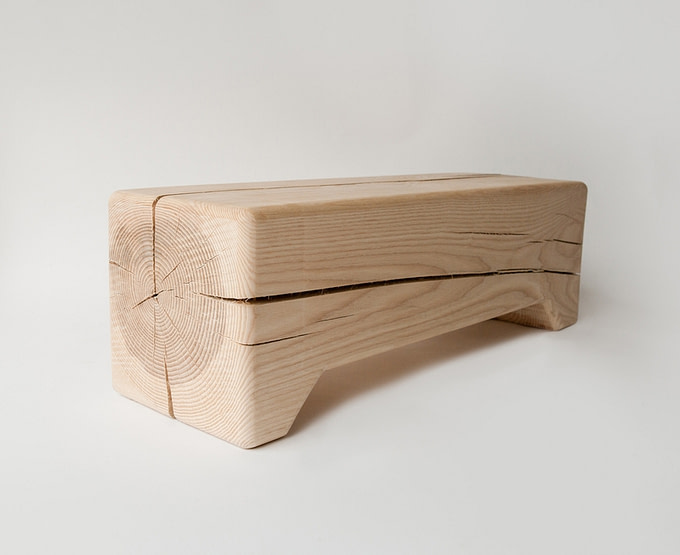
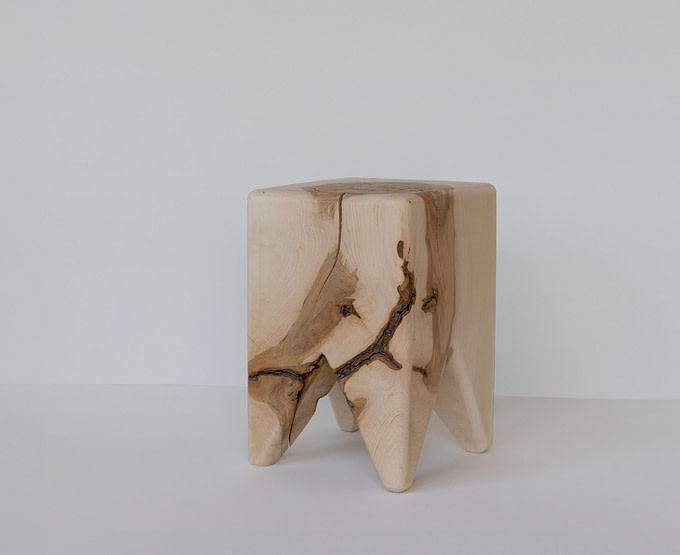
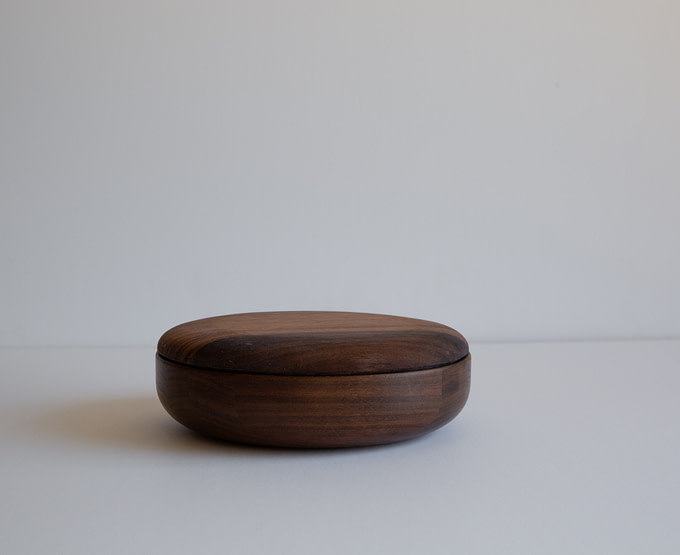
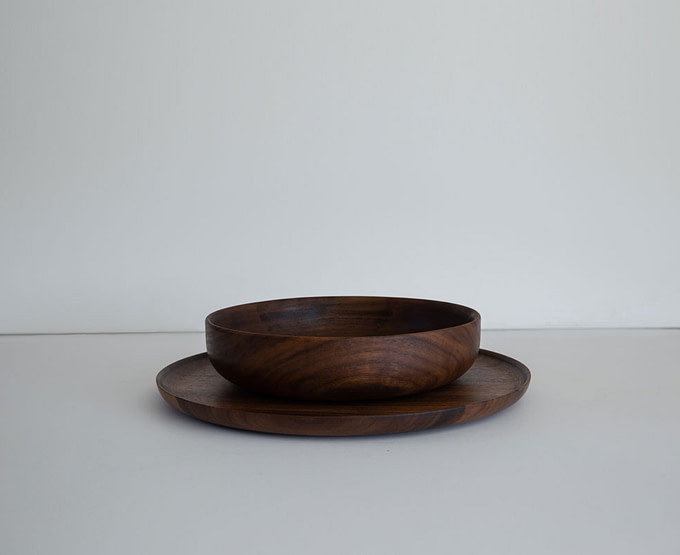
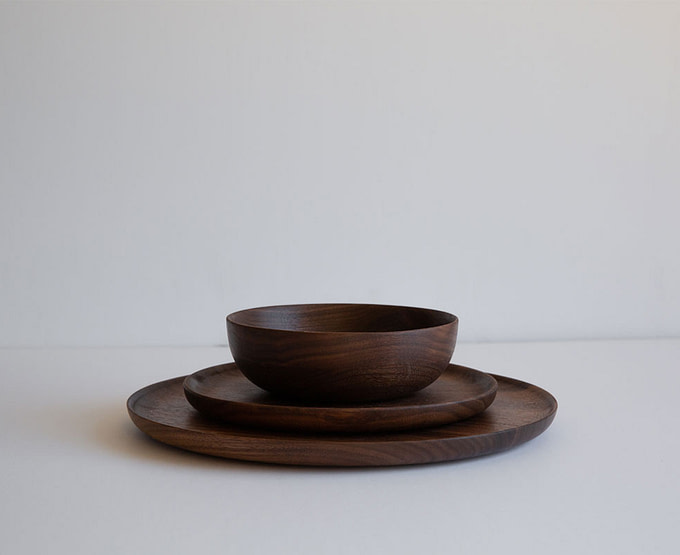
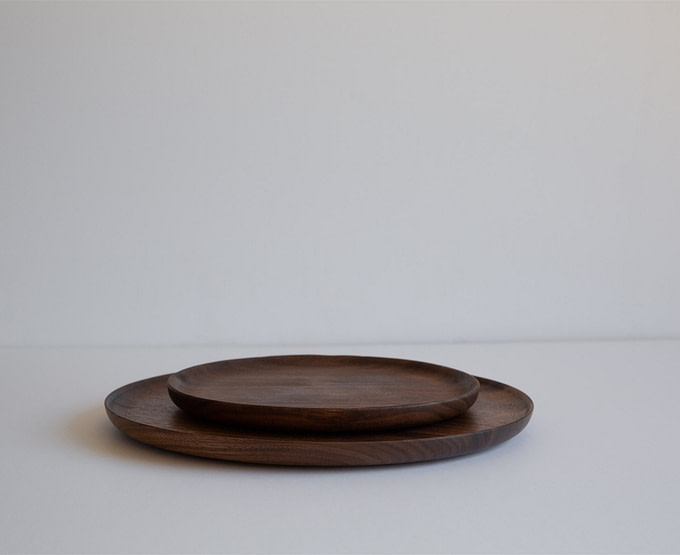
Shaker design — its elegant proportions, simple materiality, functional rigor matched by aesthetic appeal — has been one of the most persistent inspirations of our work. June Sprigg’s Shaker Design is one of our favorite books about the objects created by this utopian American society.
“The Shakers did not spurn beauty; they simply reinvented it. It is wrong to suppose that Shaker design was bound by endless restrictions. The Shakers had just one: do not make what is not useful. They saw every reason to make necessary things beautiful, according to their own understanding of beauty.”
“The Shakers were not conscious of themselves as “designers” or “artists,” as those terms are understood in modern times. But they clearly worked to create a visible world in harmony with their inner life: simple, excellent, stripped of vanity and excess. Work and worship were not separate in the Shaker world.”
“Shaker work endures. It is unadorned, functional, and well made. But these qualities by themselves do not account for the excellence of design…What really distinguishes Shaker design is something that transcends utility, simplicity, and perfection a subtle beauty that relies almost wholly on proportion. There is harmony in the parts of a Shaker object.”
We hope you’ll consider supporting local, independent bookstores and publishing houses. You can purchase Shaker related books and objects from the Hancock Shaker Village, supporting keepers of the Shaker legacy.
If you enjoyed this, consider subscribing to Matter & Meaning — our monthly digest of culture, design, and studio perspectives. [Subscribe →]