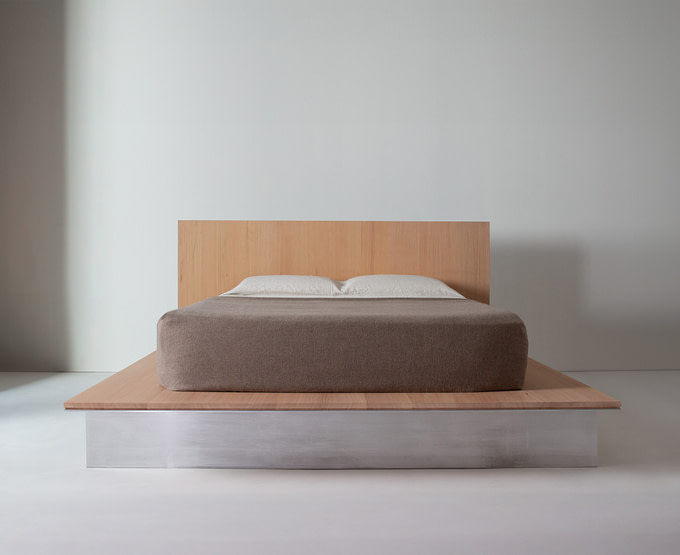
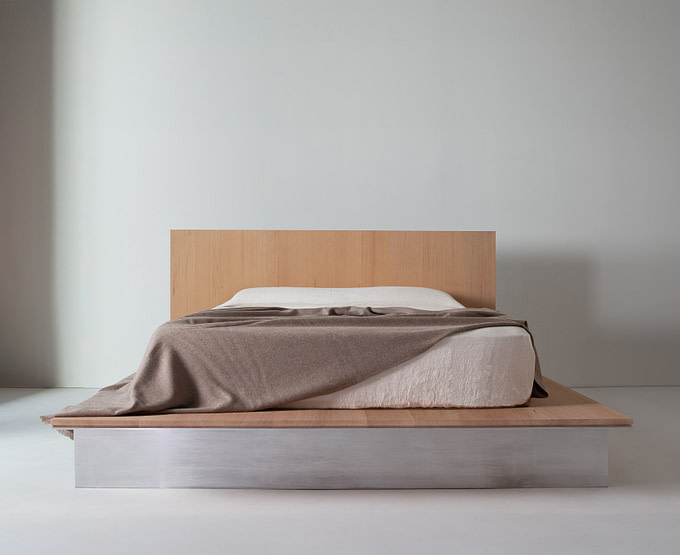
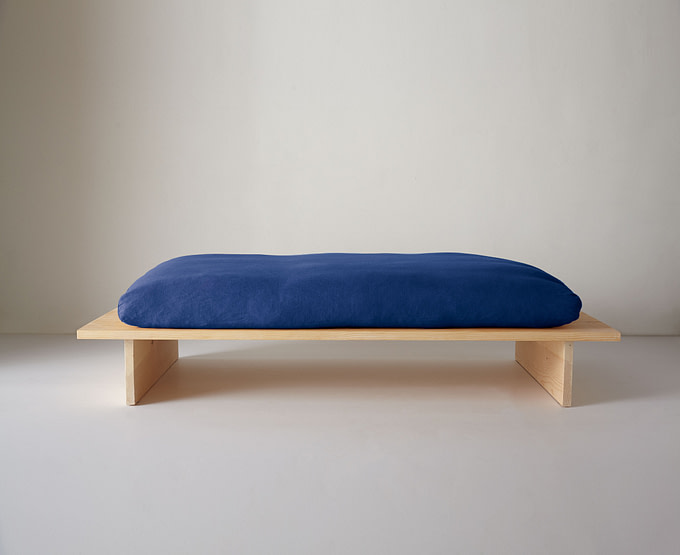
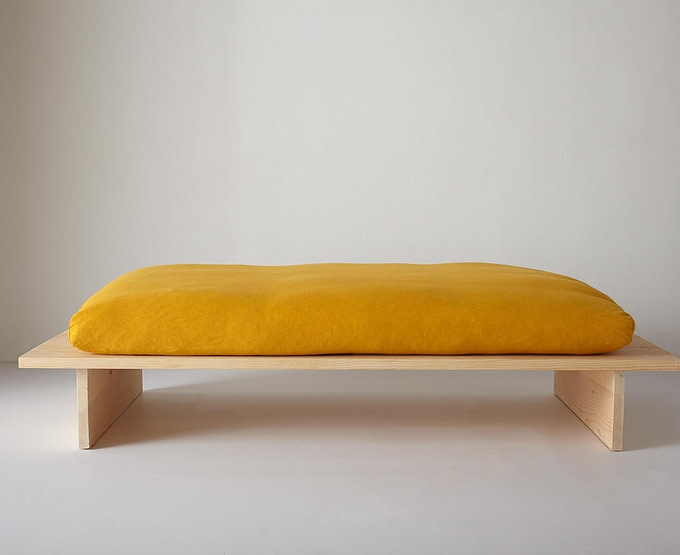
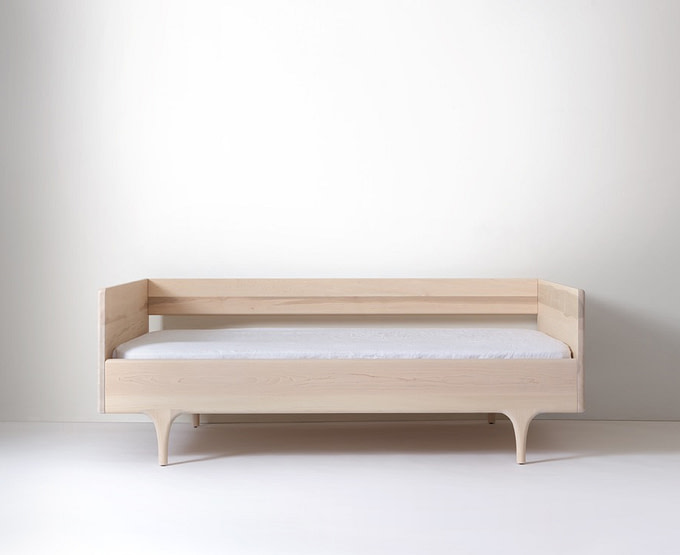
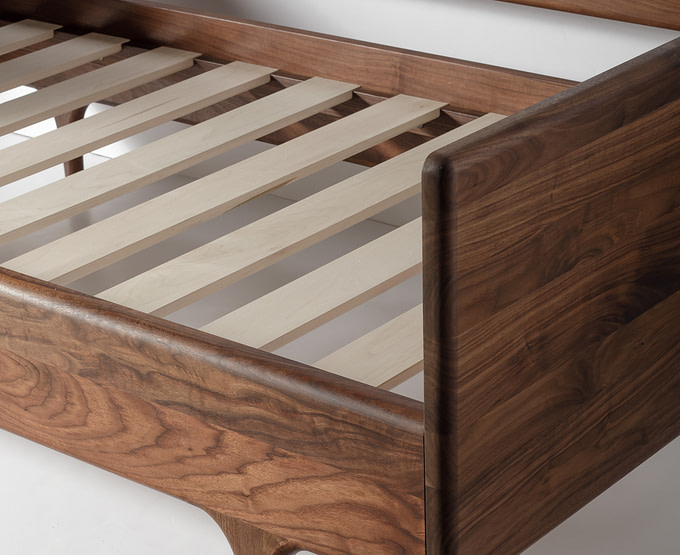
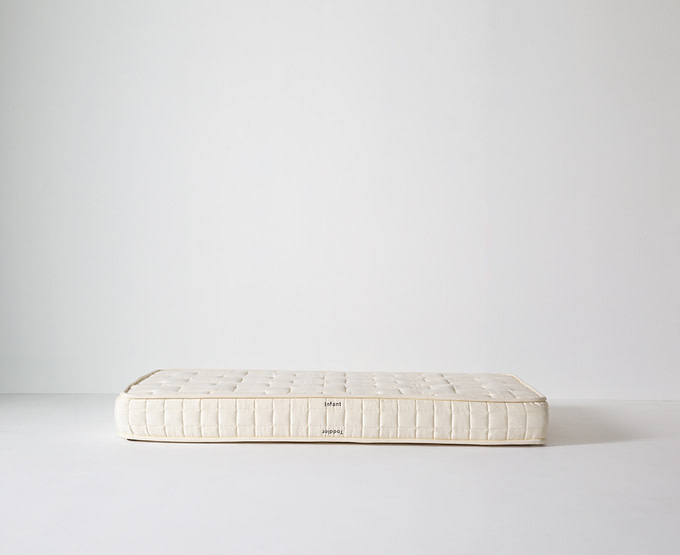
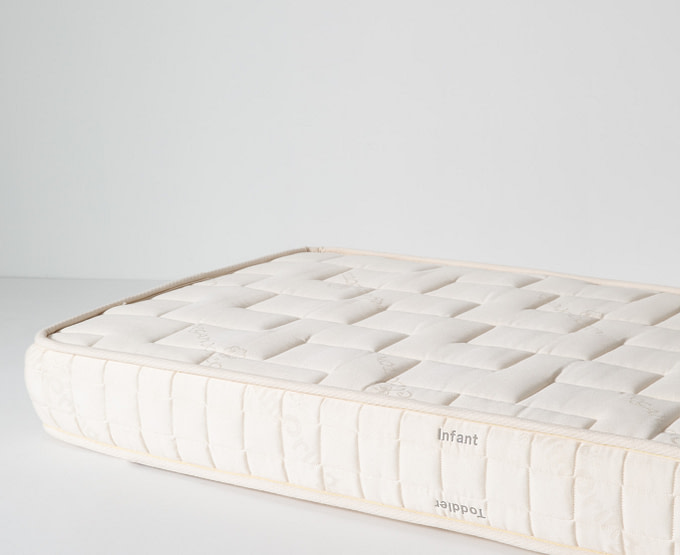
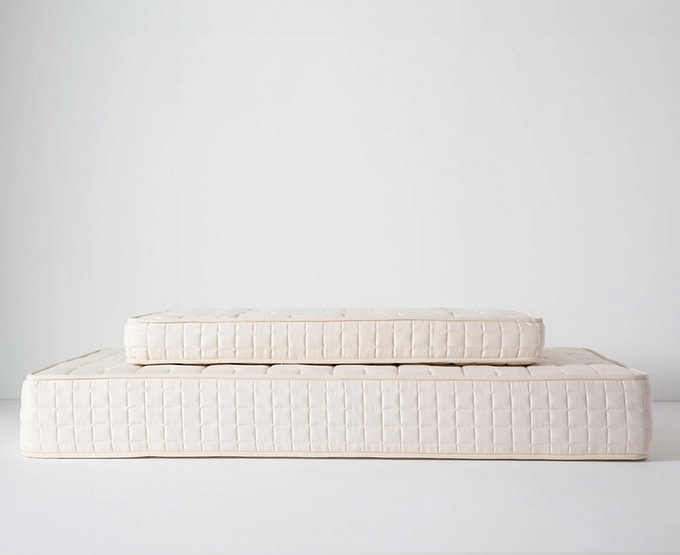
Simple, Better: The Kalon Organic Bed
An elemental approach to bedding
Part of our ongoing documentation of natural materials and the standards behind our work.
The Organic Bed collection began with a straightforward question: what would it take to make a mattress that is truly, entirely organic?
In the bedding industry, “organic” most often refers only to the outer ticking—the fabric that wraps the mattress. The interior layers are typically proprietary, undisclosed, and largely unregulated in their use of the terms “natural” or “organic.” We wanted to build a piece in which every component—from the core materials to the outer layers—could be verified, traced, and certified.
The result is a collection made in the United States from a short, transparent list of certified organic materials. Each component is selected for its provenance, performance, and integrity, without additives, chemical treatments, or composite blends. All components are free of chemical processing and do not off-gas.
What follows is a primer on the materials used across the Organic Bed Collection and the ways they support healthy sleep for adults, children, and infants.
Natural Materials for Healthy Sleep
The materials used in the Organic Bed Collection were chosen for their clarity, traceability, and the ways they support healthy sleep. Each is used in its simplest form, without synthetic foams, composite fillers, or chemical treatments.
Taken together, they create a sleep environment that is breathable, supportive, temperature-stable, and free of off-gassing.
Organic Latex
Adaptive support and pressure distribution
Natural Dunlop latex, made from the sap of organic rubber trees, provides even, responsive support across the body. Its structure allows the surface to compress where needed and remain buoyant elsewhere, helping maintain natural spinal alignment without the collapse associated with petrochemical foams.
Latex is also one of the most breathable sleep materials available. Its open-cell structure disperses heat, resists moisture buildup, and offers a naturally hygienic environment — qualities especially beneficial for children and sensitive sleepers.
Organic Cotton
Breathability and temperature balance
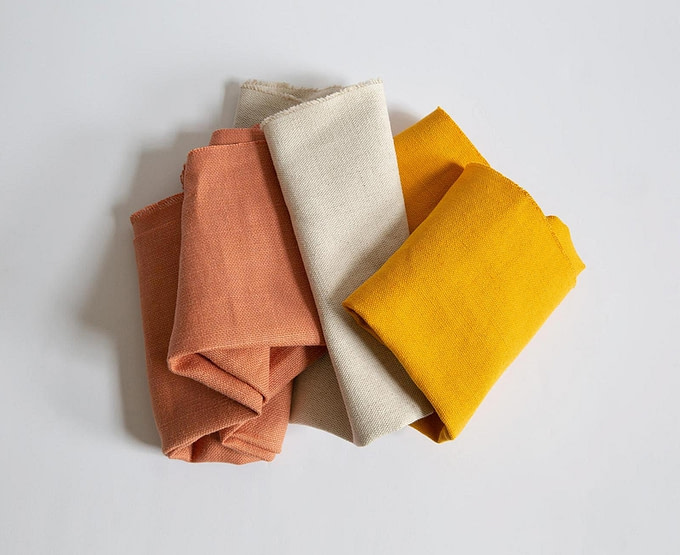
Organic cotton is used in the ticking, batting, and as a liner. Free from synthetic coatings or petrochemical fibers, it allows air to move naturally around the body and helps regulate temperature throughout the night.
Cotton’s softness and breathability provide comfort for adults and are especially suited to young children, whose bodies are more sensitive to heat and humidity during sleep.
Organic Wool
Moisture control and natural fire protection
Wool fibers can absorb and release moisture vapor without feeling damp, keeping the sleep surface dry and temperate in both warm and cool environments.
This prevents overheating — one of the most common causes of disrupted sleep across all age groups.
Wool is also naturally flame-resistant, eliminating the need for chemical fire retardants. This is particularly important for infant and children’s sleep environments.
Organic Coir
Firm structure and internal airflow
Coir, made from coconut husk fibers bound with natural latex, forms a firm, resilient support layer. It maintains an even sleeping surface over time and complements the adaptability of latex — a combination that supports neutral posture and spinal alignment.
The inherent ventilation channels within coir promote airflow through the mattress core, dispersing heat and humidity.
Why These Materials Matter
Used together, these materials create a sleep system that supports the body evenly, maintains natural spinal alignment, stays breathable through the night, and manages moisture without relying on chemical treatments or synthetic foams.
They resist bacteria, mold, and dust mites, allow for stable temperature regulation, and remain suitable for sleepers of all ages — infants, children, and adults.
At the end of their life cycle, these materials are biodegradable, reflecting a holistic approach to purity, performance, and environmental responsibility.
For more on standards and certification, see our materials page.