The Architecture of Pause
At Rivian’s charging outpost in Joshua Tree, California.
The American roadside has always made room for interruption. Motels, diners, drive-ins, and gas stations gave shape to the pause between one place and another. In California, where the road is inseparable from landscape and distance, those pauses became part of the mythology itself.
Where fuel once required only minutes, charging asks for time. And time asks for a different kind of place.
Rivian’s Joshua Tree Outpost takes that shift seriously. Near the edge of Joshua Tree National Park, the site is open, exposed, shaped by heat, light, and distance. It offers chargers, coffee, Wi-Fi, restrooms, outdoor seating, a play area, and a climbing wall. It is infrastructure with the tempo of a rest stop: a place to step out of the car, look toward the desert, and remain for a while.
Rivian is not alone in treating charging as an environment rather than a service point. Electrify America’s San Francisco flagship and Porsche’s Charging Lounges point to the same shift, recasting the stop as a place to spend time.
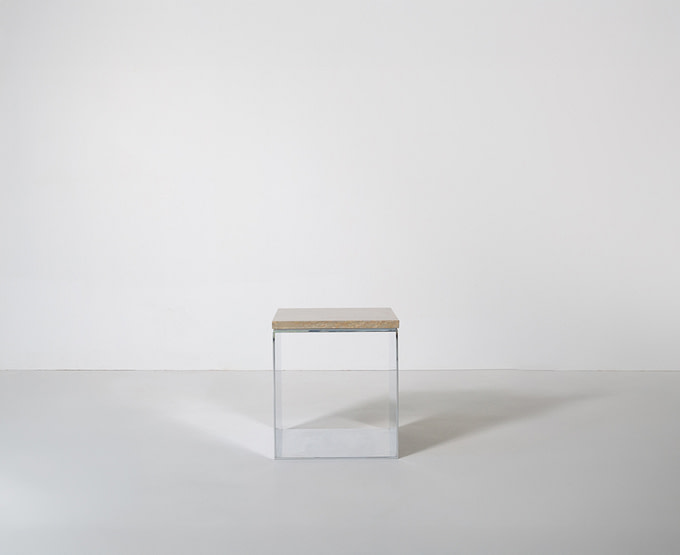
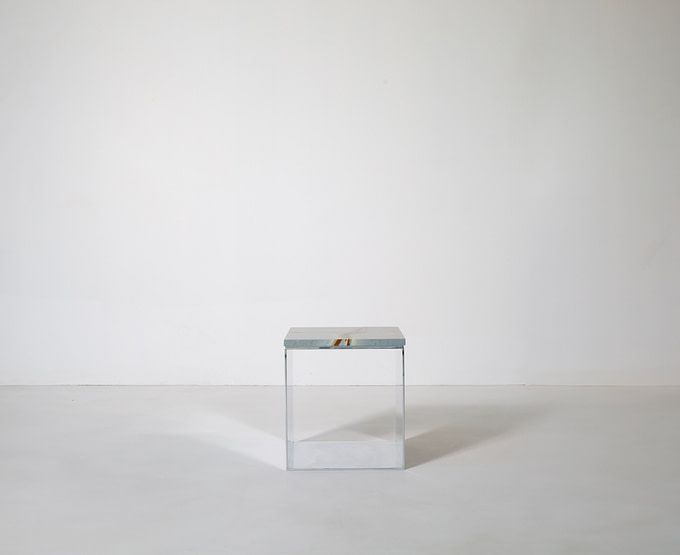
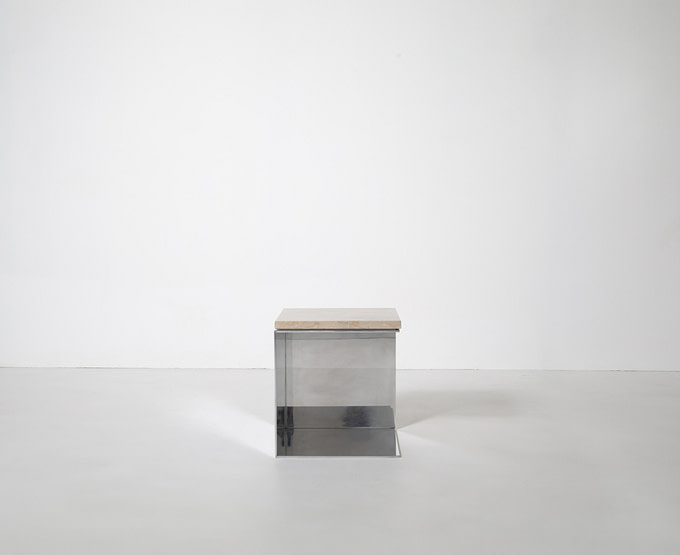
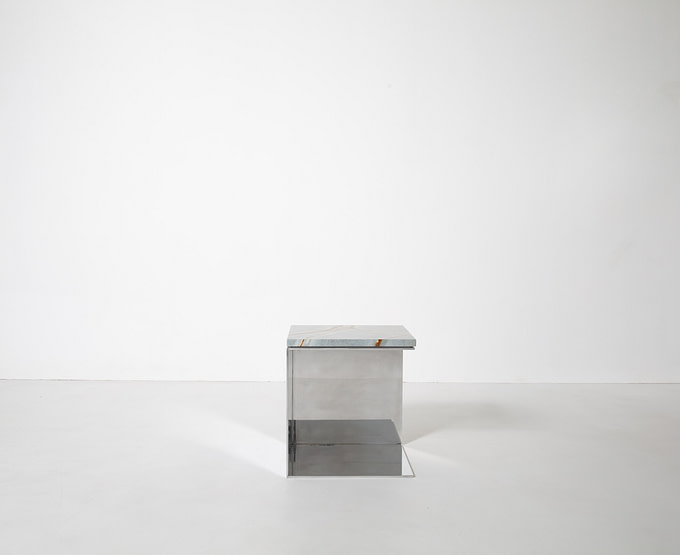
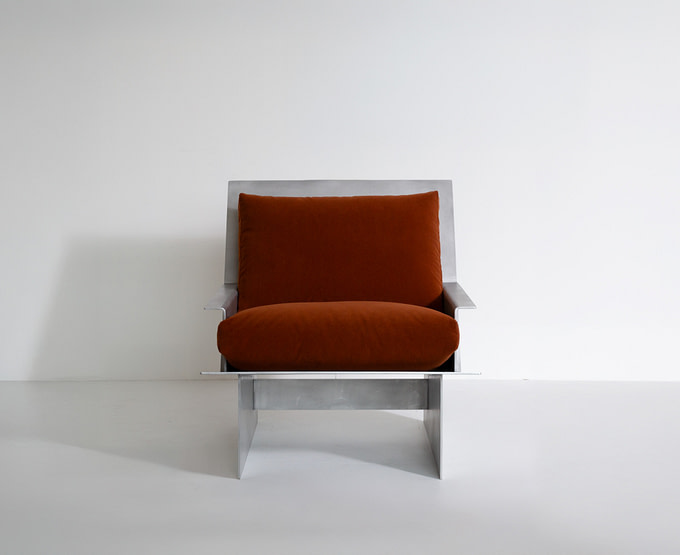
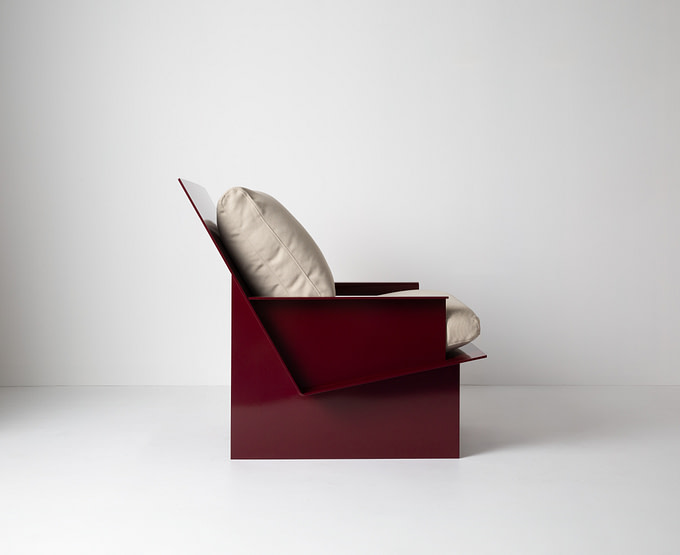
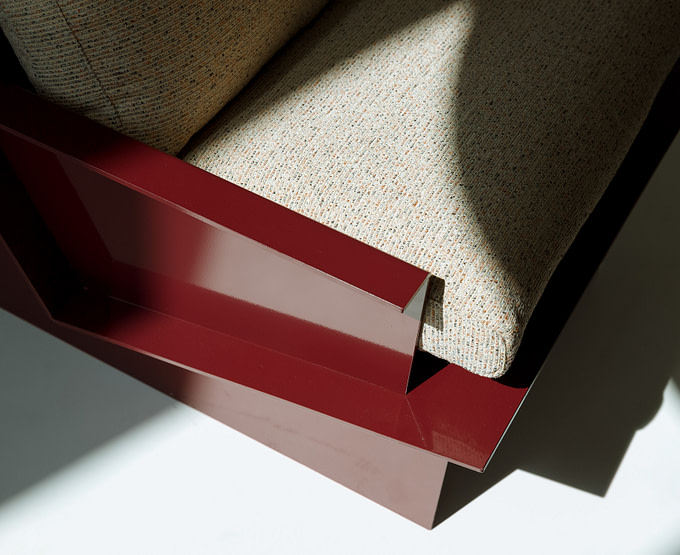
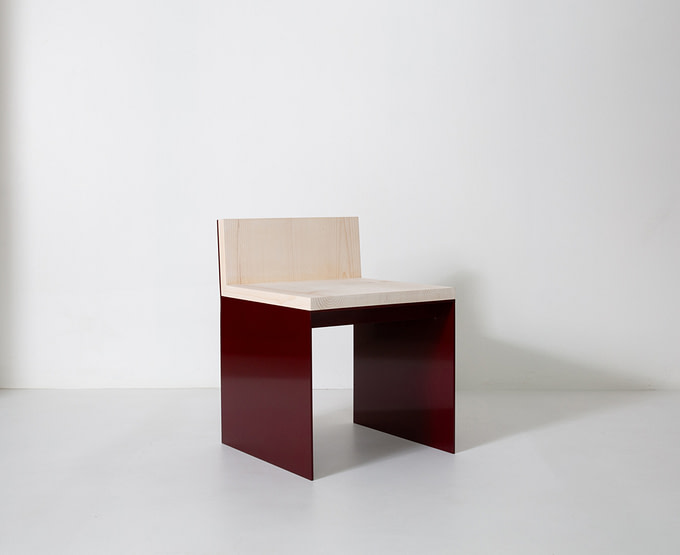
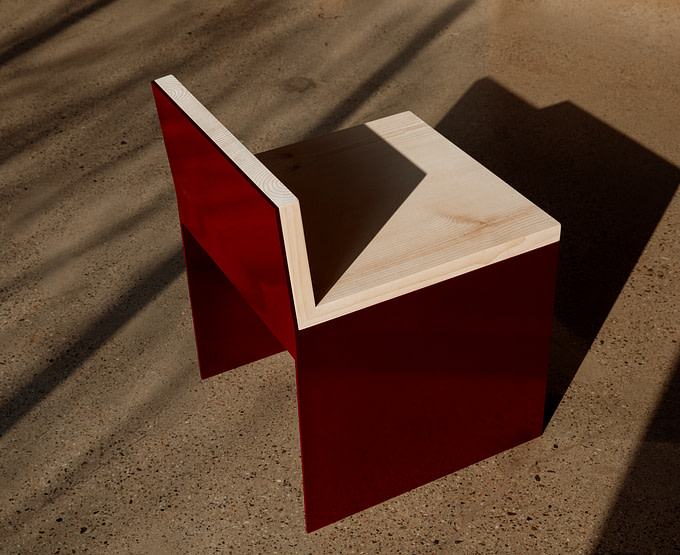
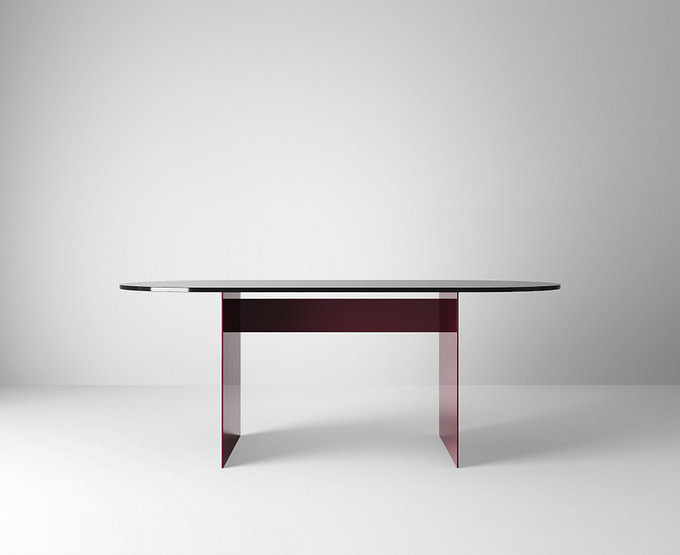
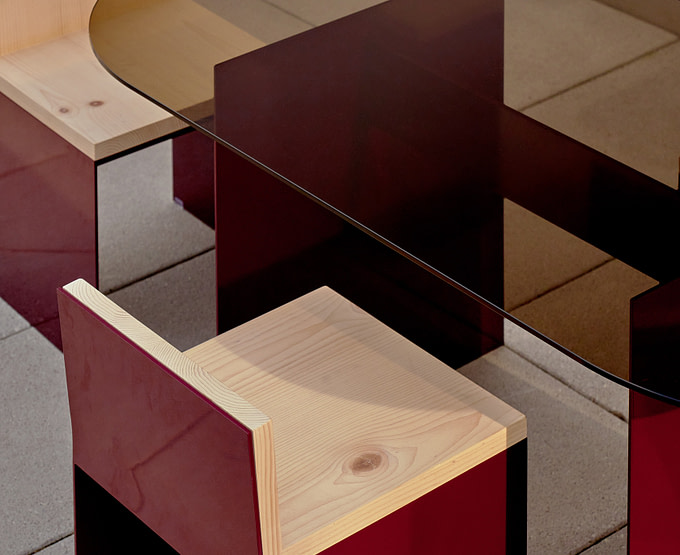
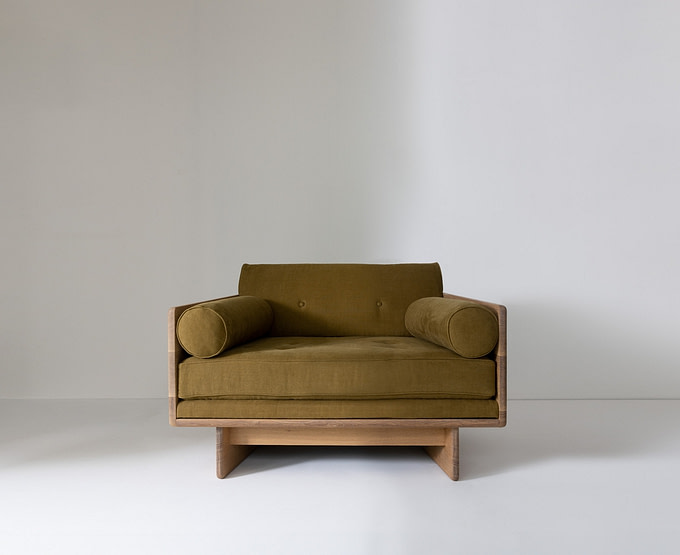
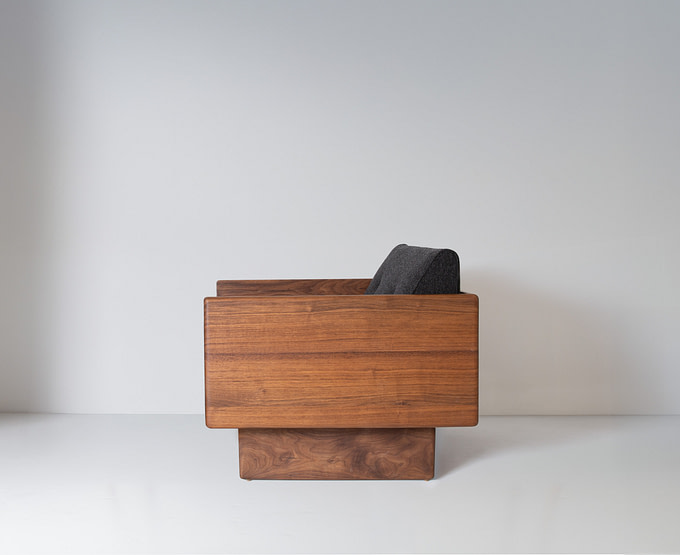
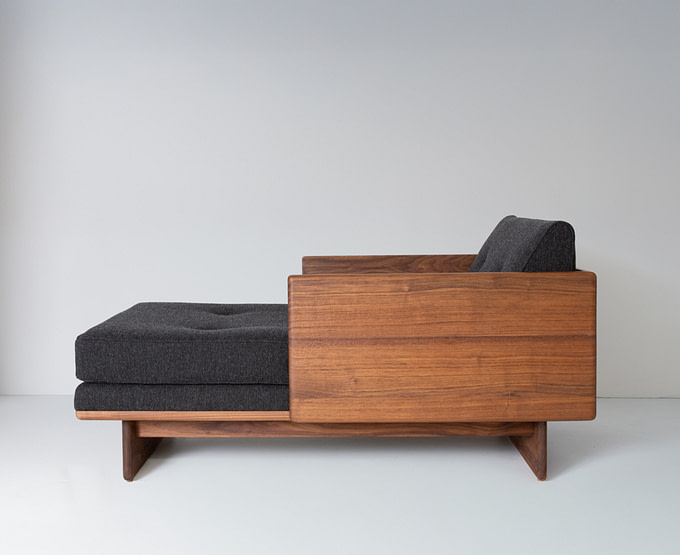
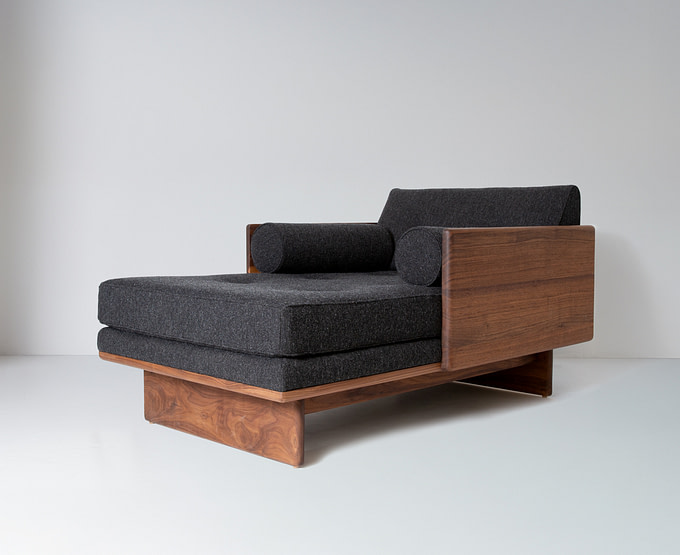
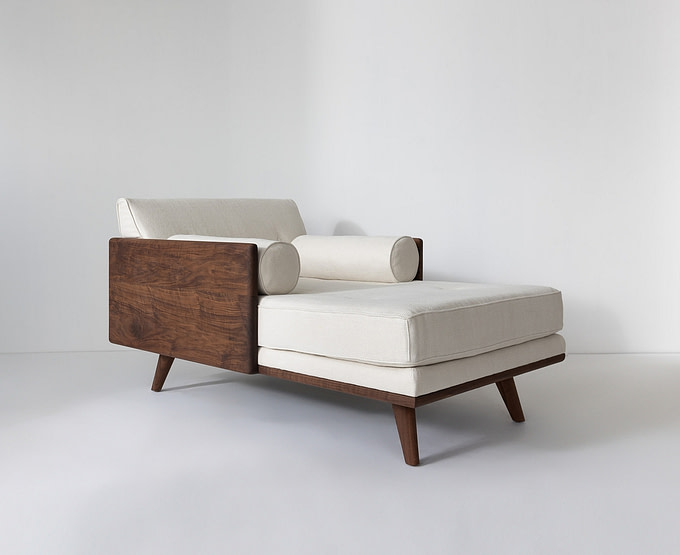
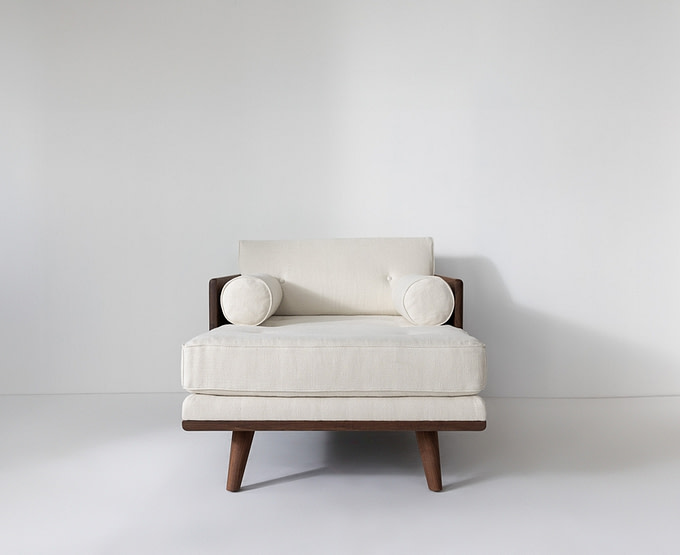
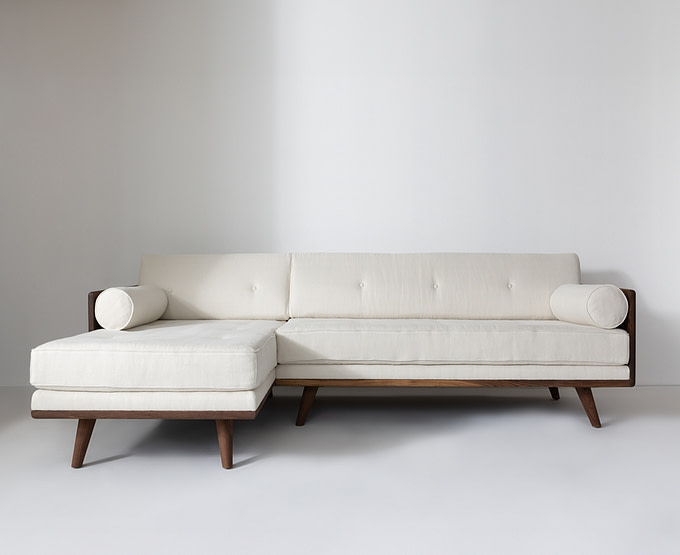
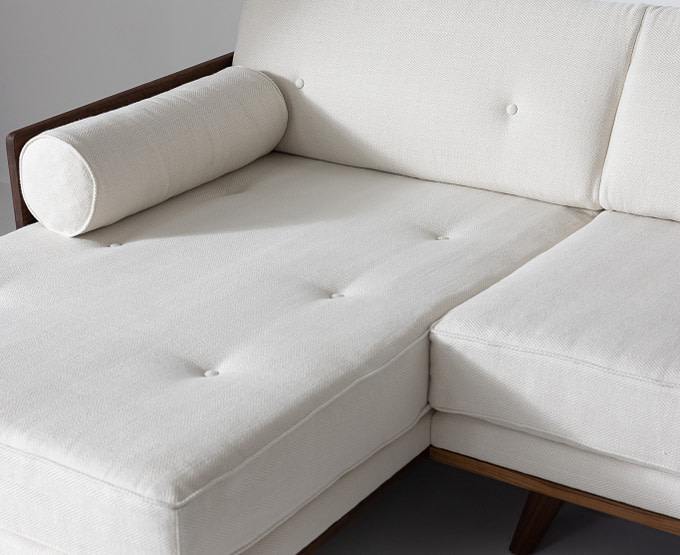
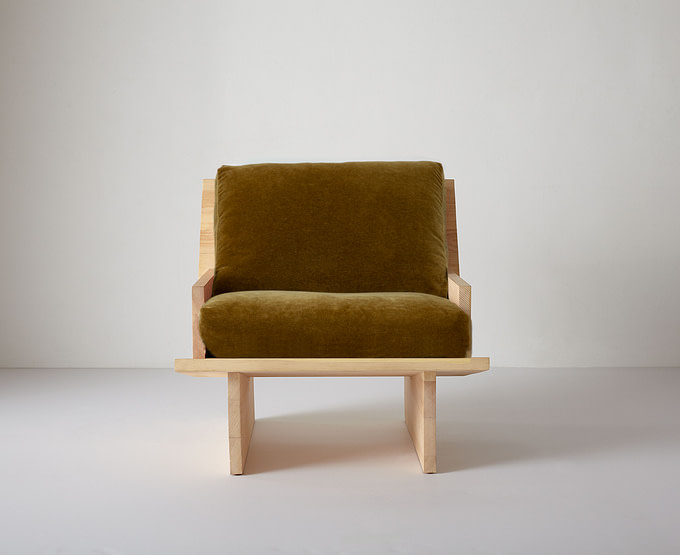
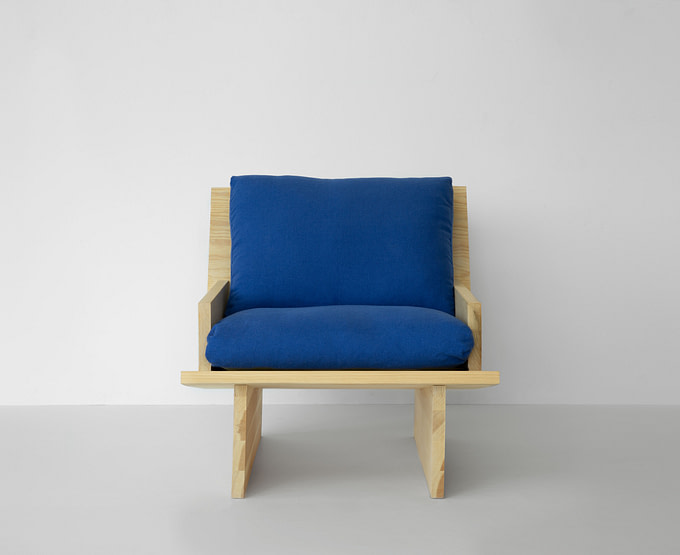
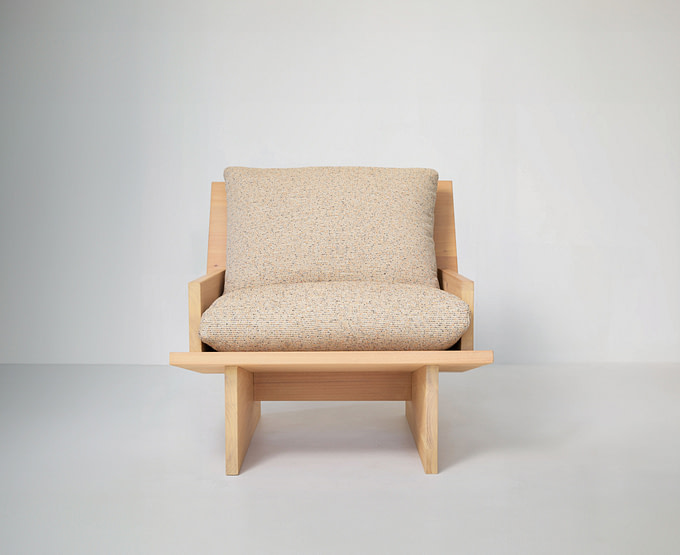
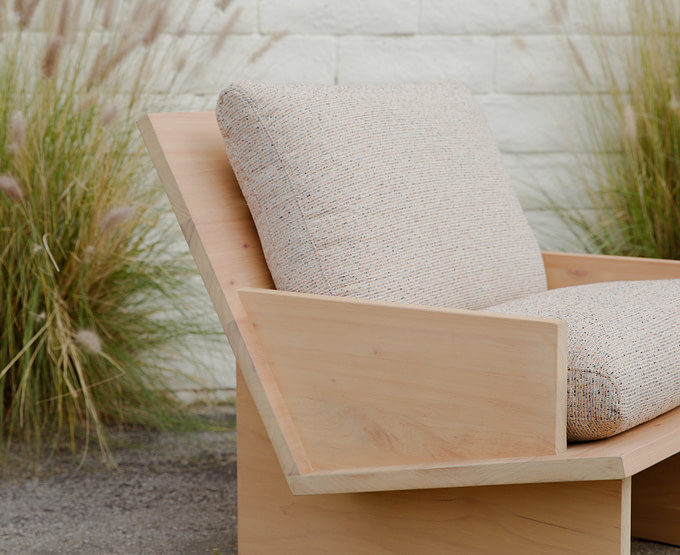
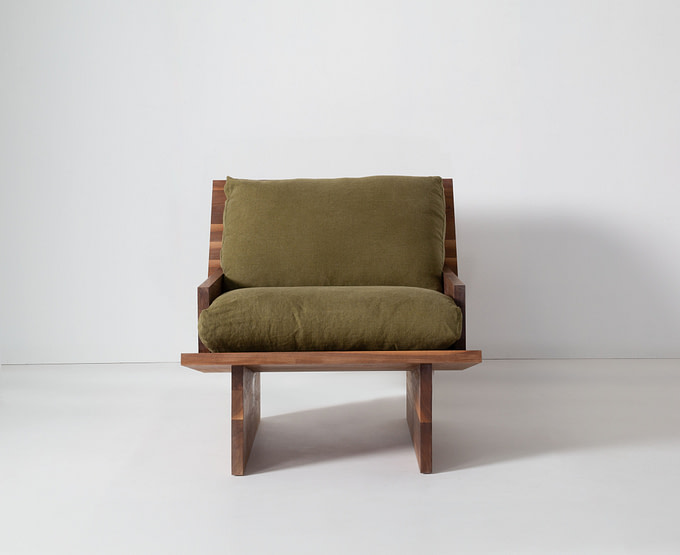
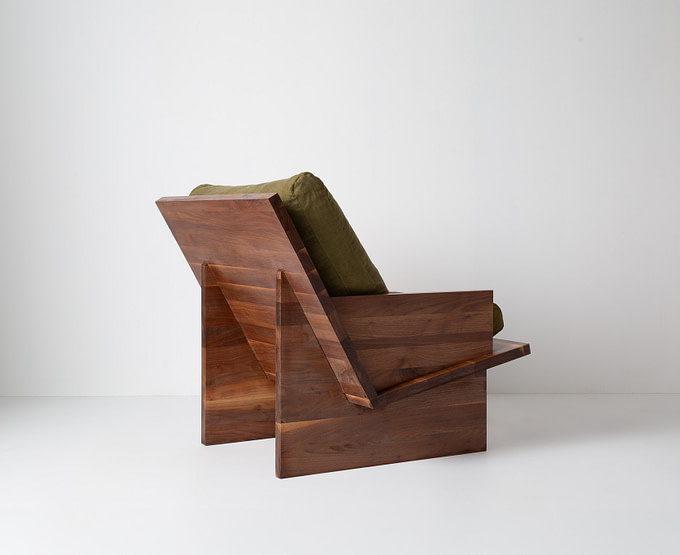
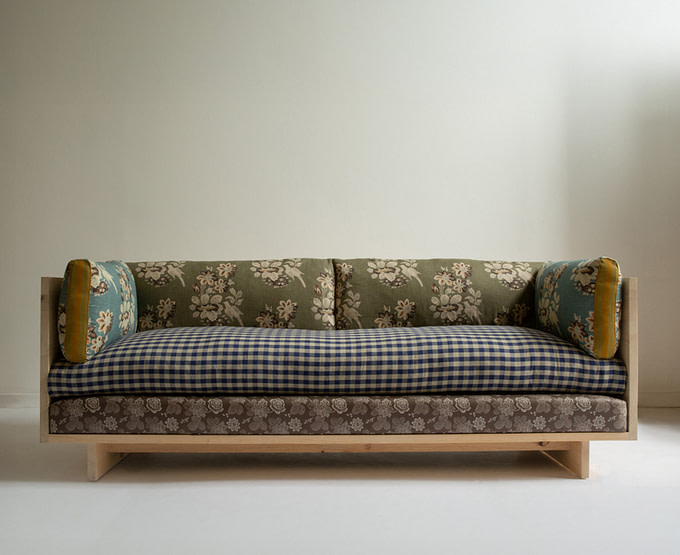
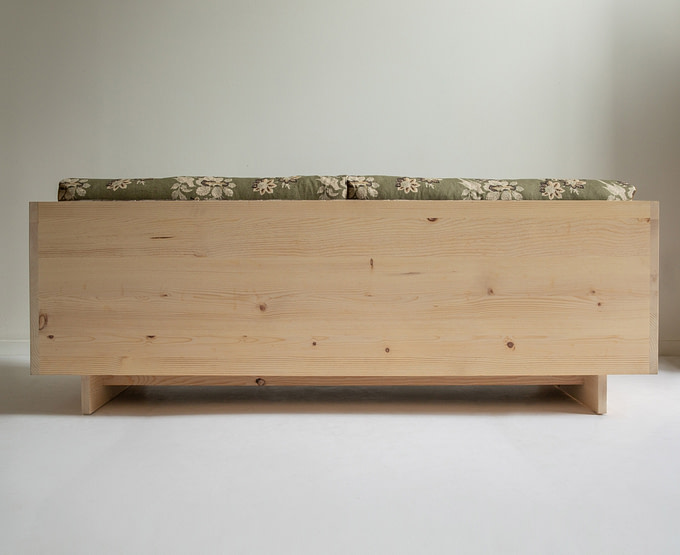
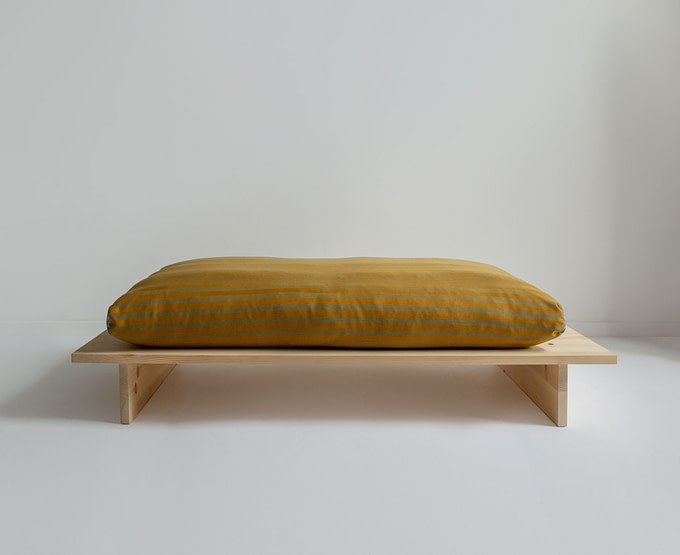
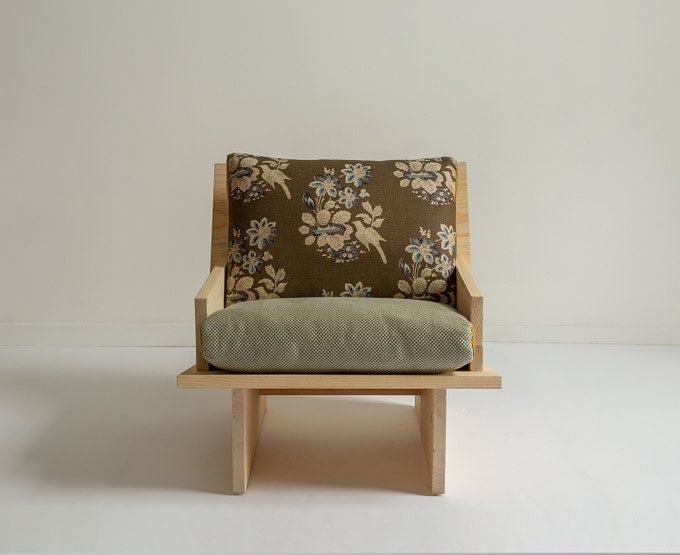
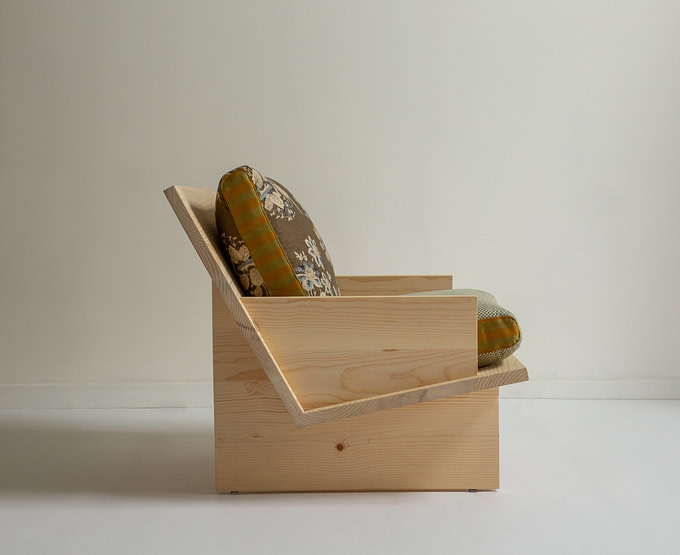
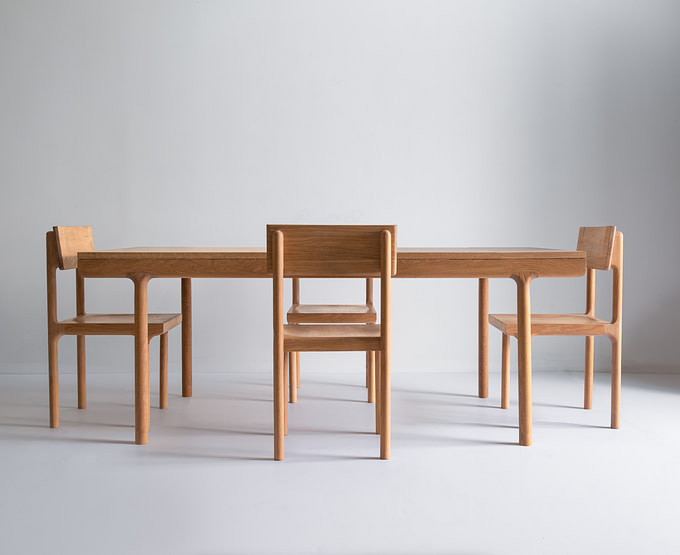
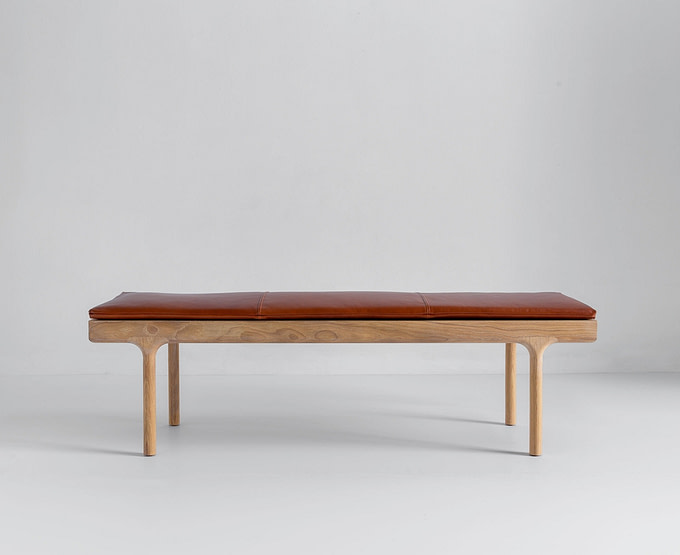
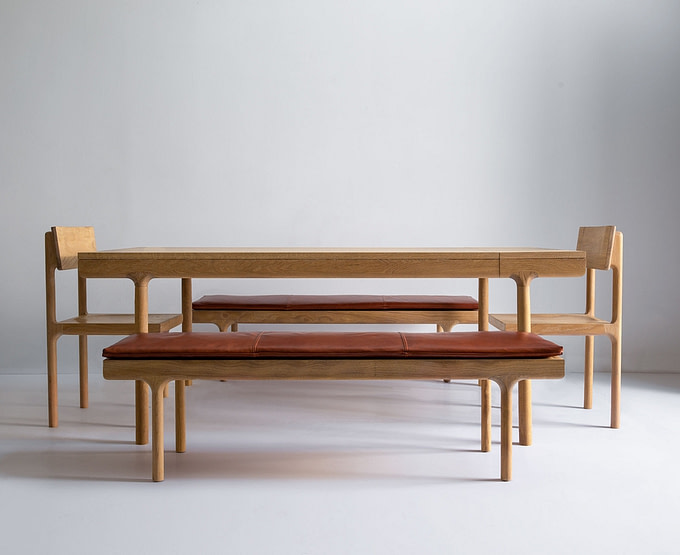
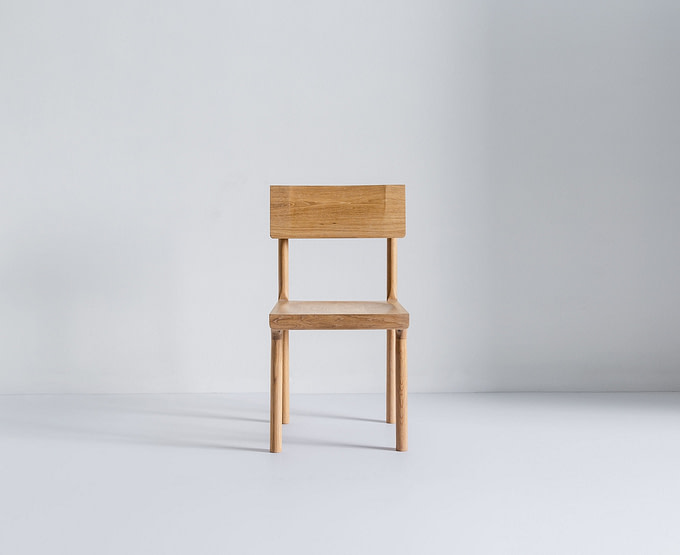
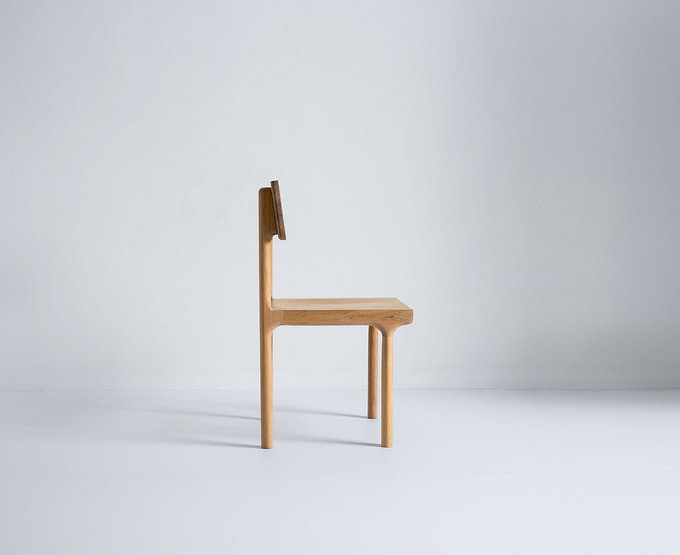
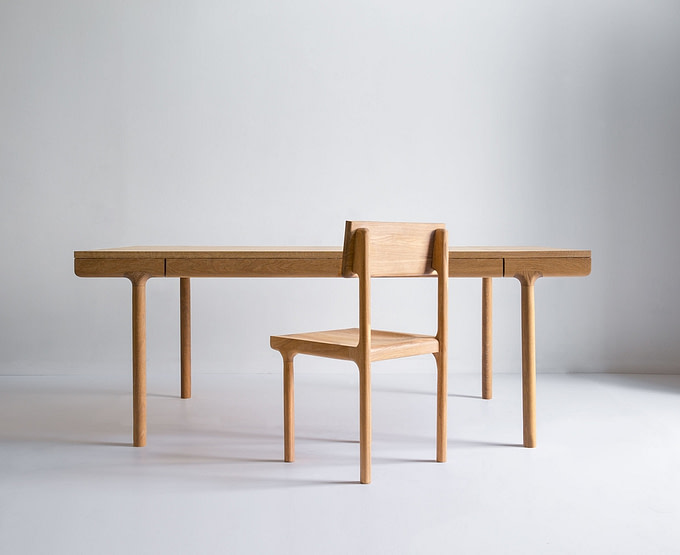
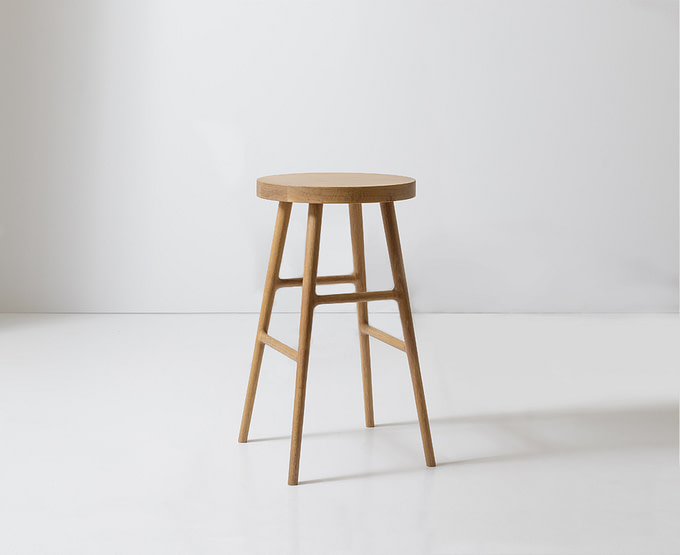
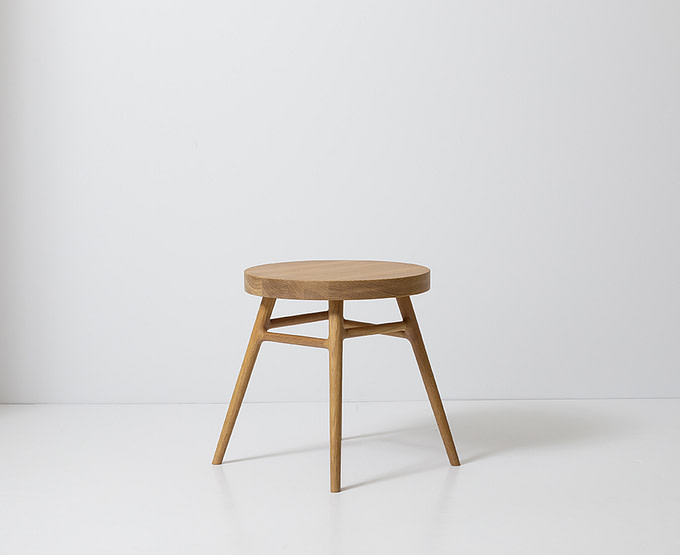
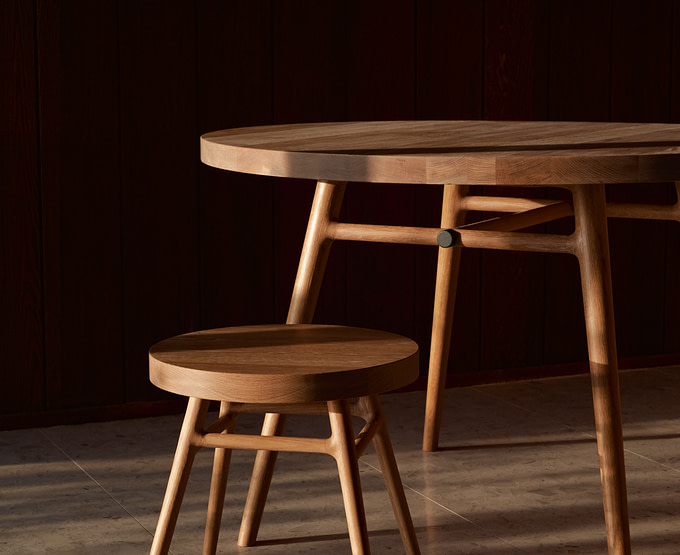
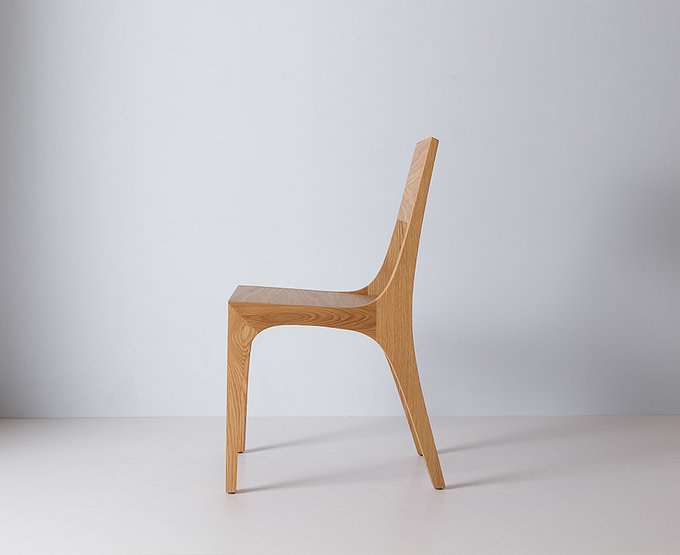
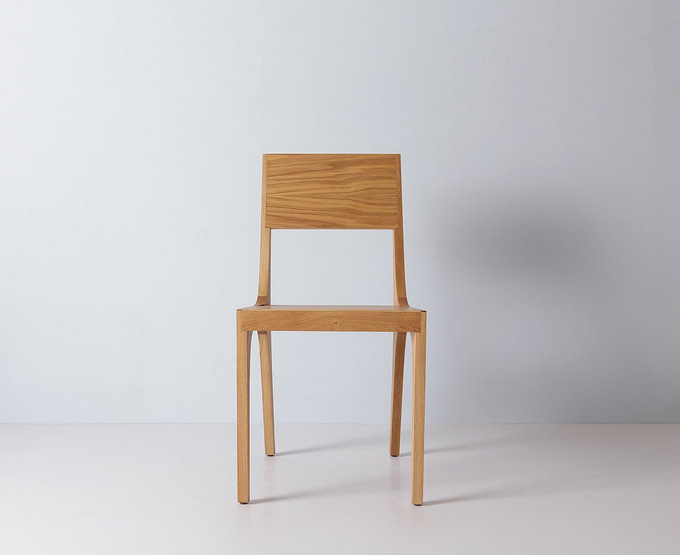
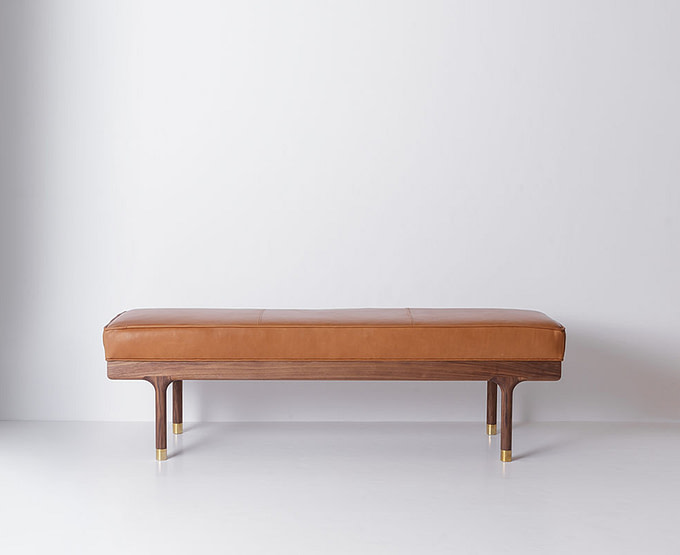
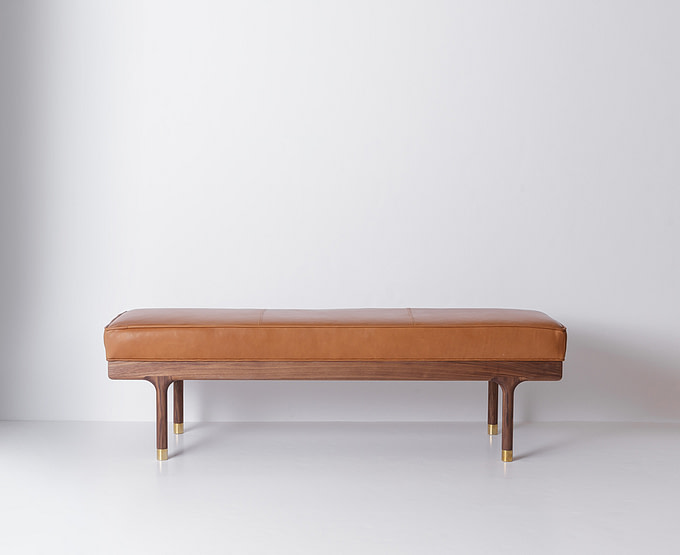
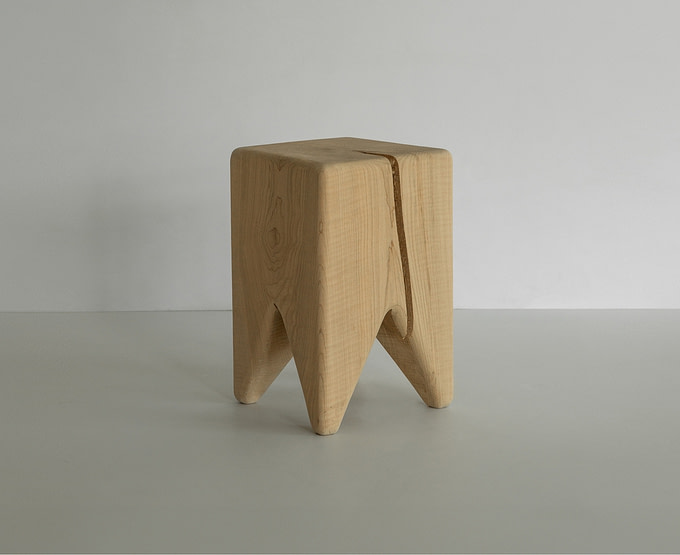
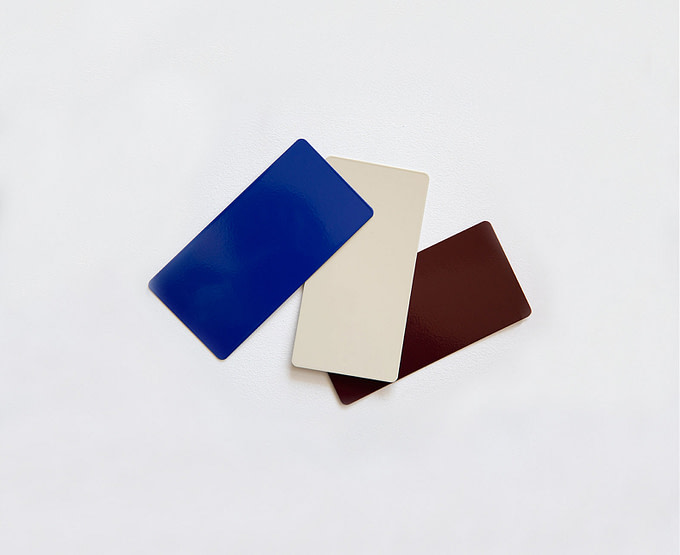
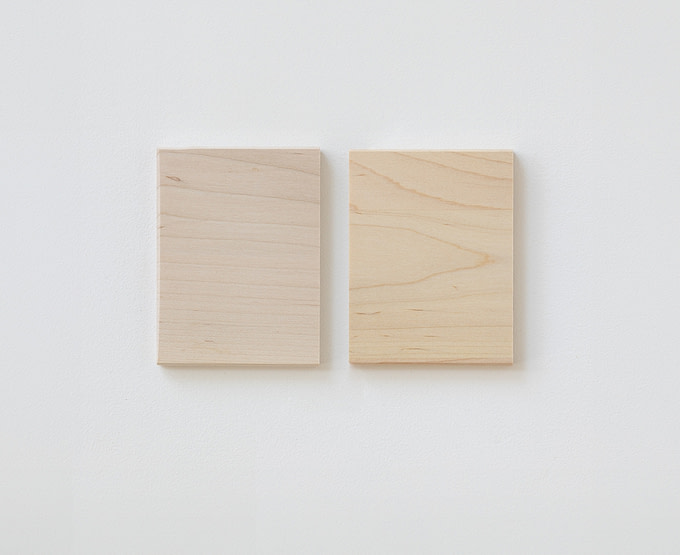
At Joshua Tree, inside the lounge, that interval becomes more intimate. Kalon created custom versions of its Material Studies Chair for the project, adapting the piece with textiles and softened edges that align with Rivian’s more technical language while keeping the original’s material presence and clarity. Arranged around the lounge’s central seating area, the chairs give the room its human scale.
The pairing feels natural. Rivian’s language is future-facing but grounded in the outdoors; Kalon’s work is contemporary but rooted in material, proportion, and use. The custom chairs sit between those positions, neither softening the project into a conventional lounge nor performing as branded spectacle. Instead, they help make the interior feel inhabited: a place to sit, recover, look out, and gather oneself before continuing on.
That may be the real promise of the new roadside. Not simply faster chargers or better amenities, but places that understand waiting as part of the journey. At Joshua Tree, the threshold between road and rest is shaped through light, landscape, shade, and the simple act of sitting down.