The Art of Japanese Joinery — Kiyosi Seike
The Kalon Library Vol. 02
From our studio shelves — volumes that trace the ideas, influences, and cultural undercurrents behind our work.
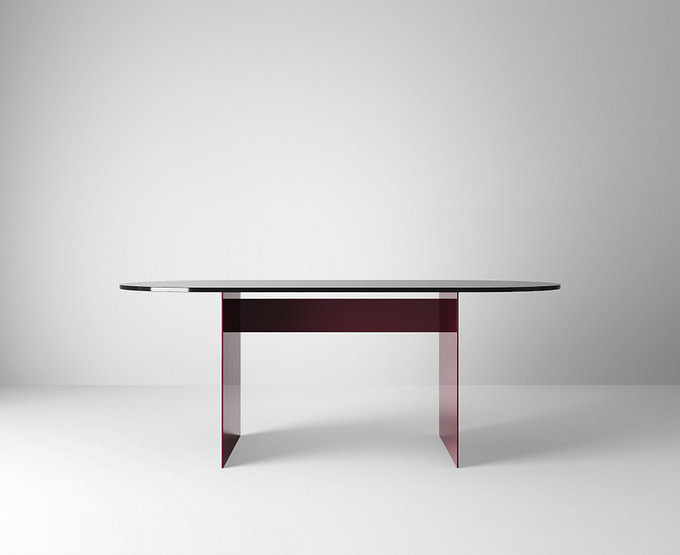
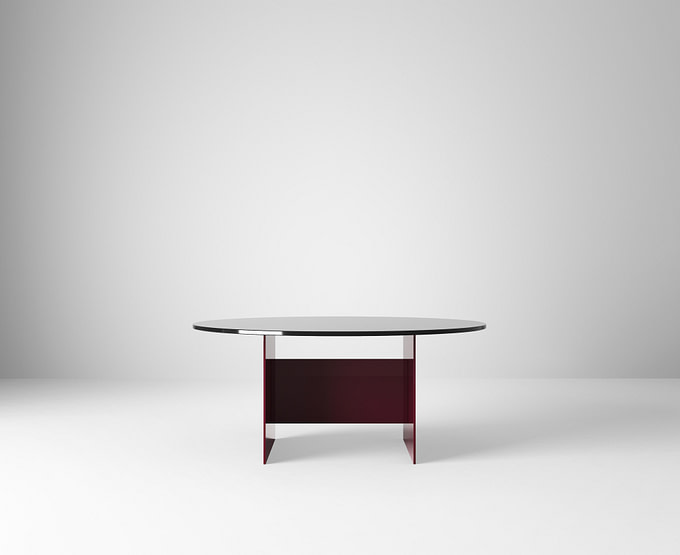
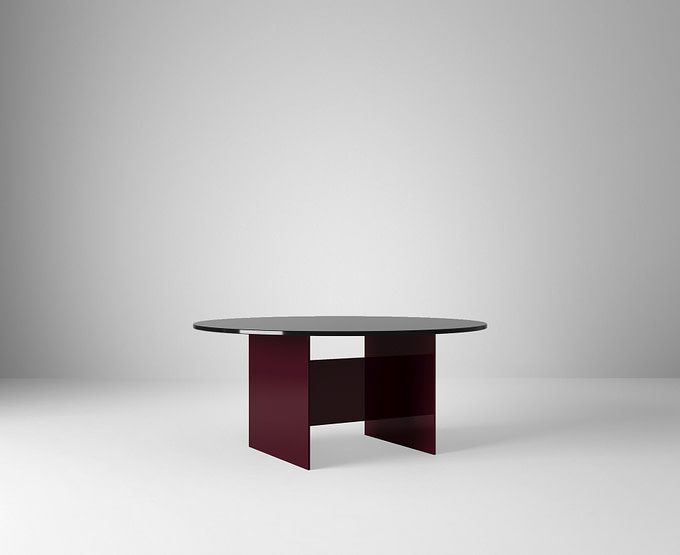
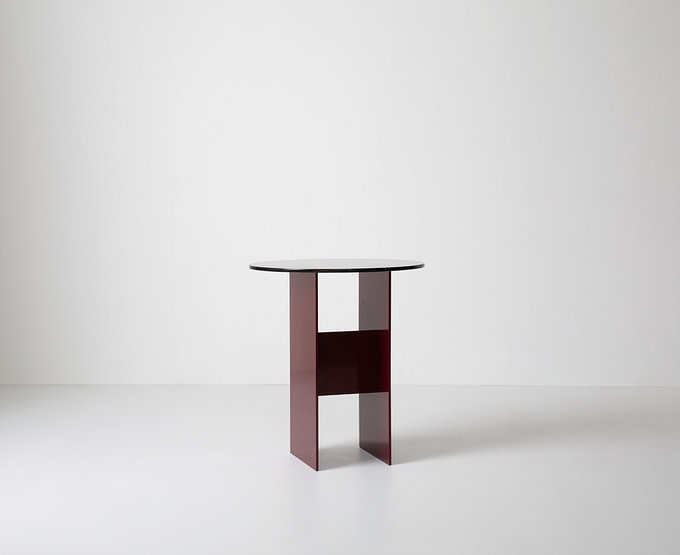
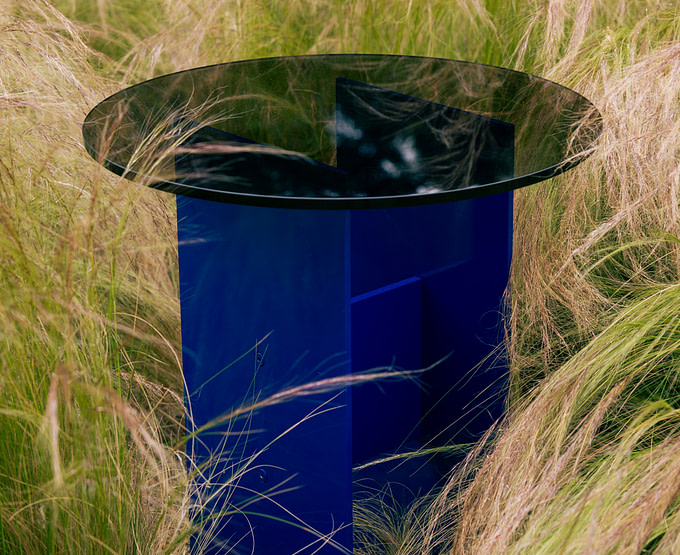
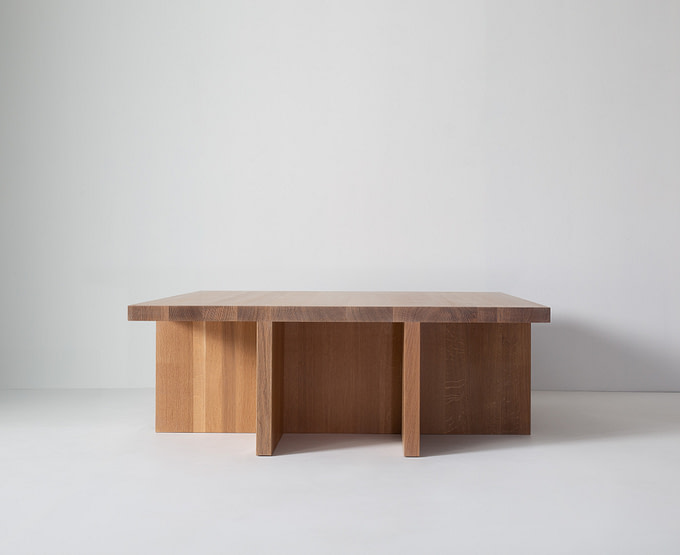
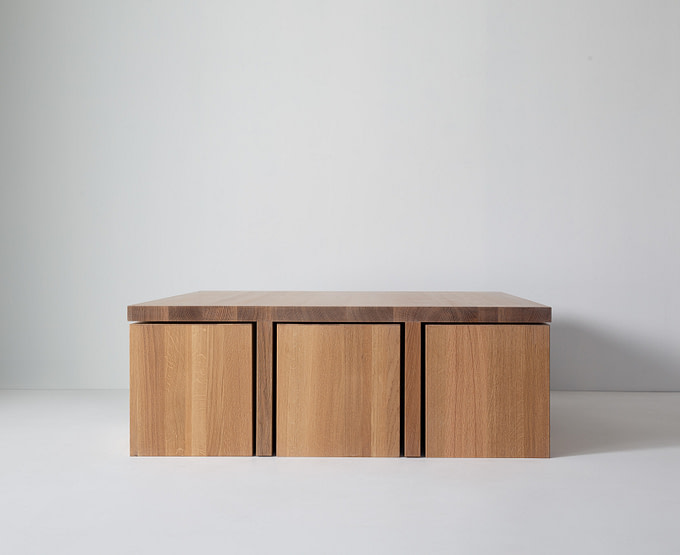
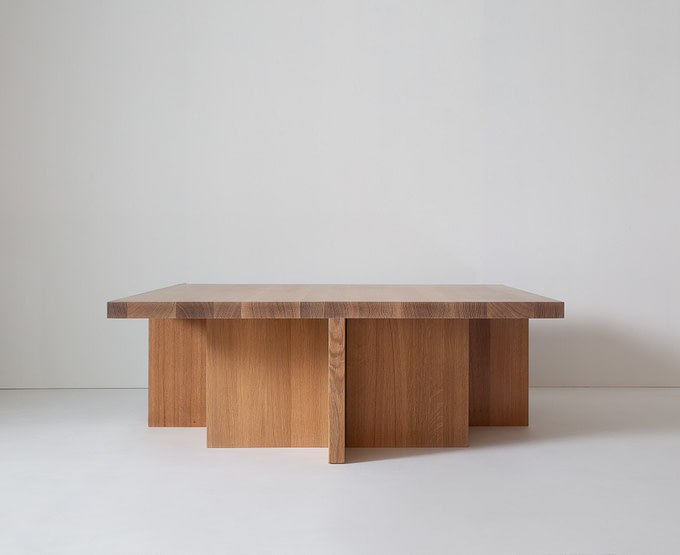
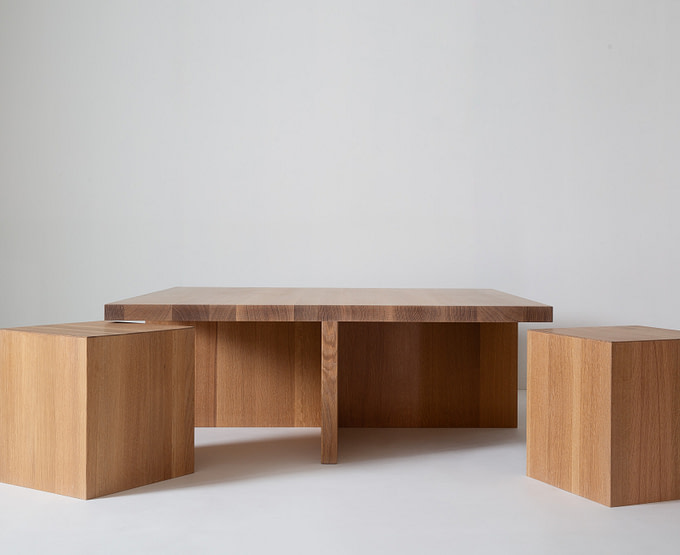
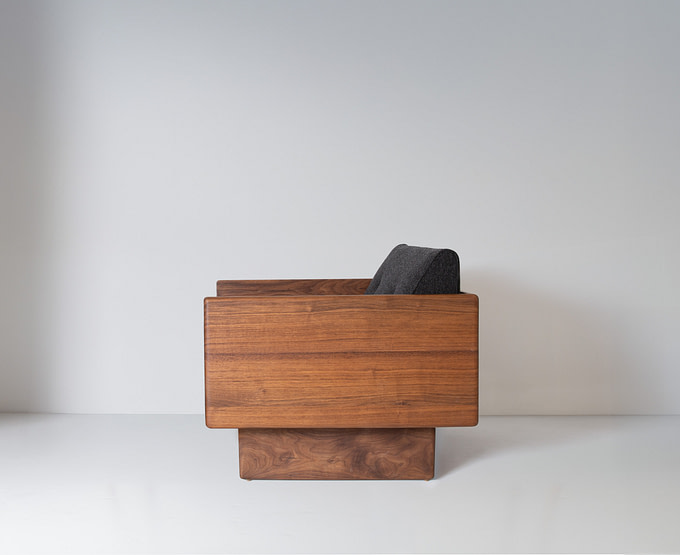
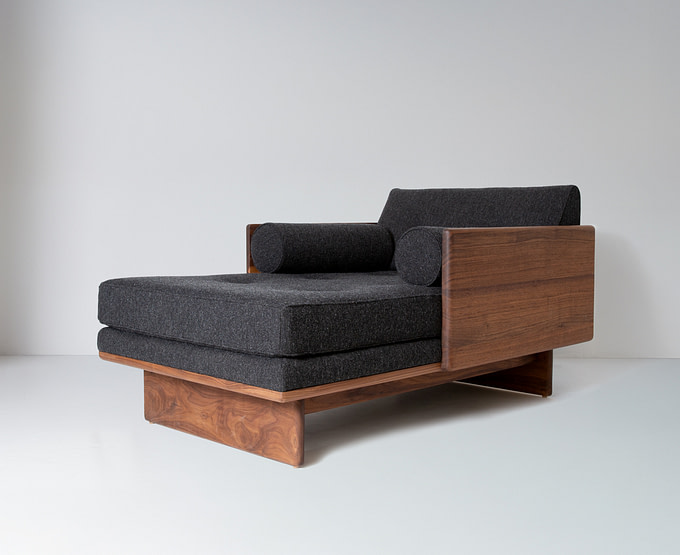
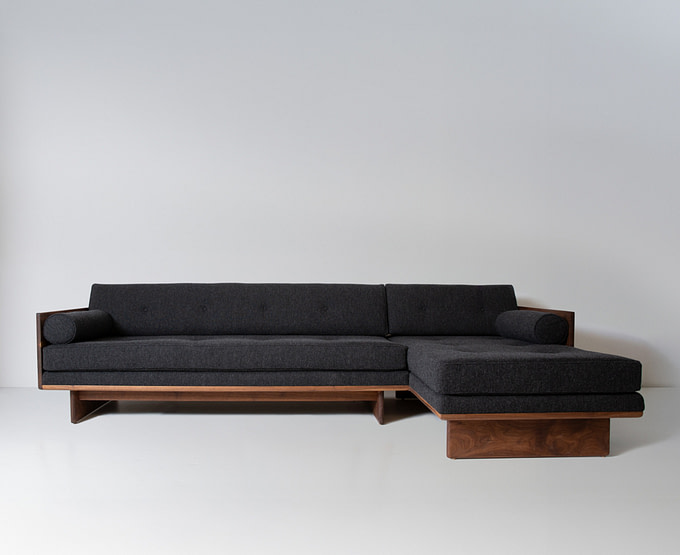
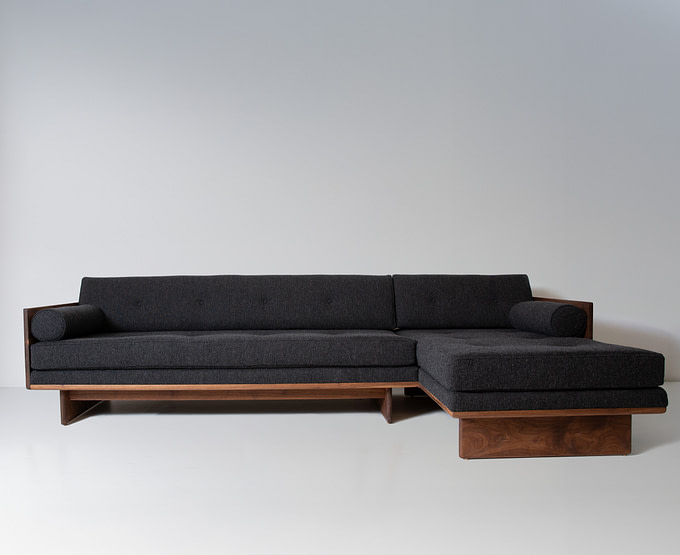
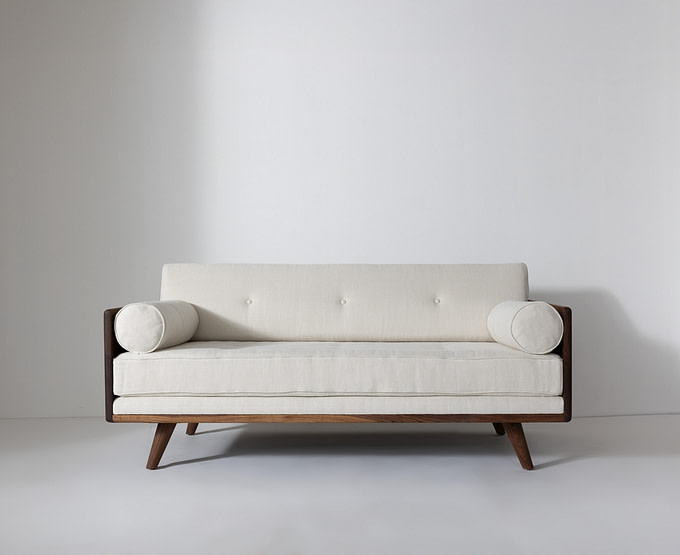
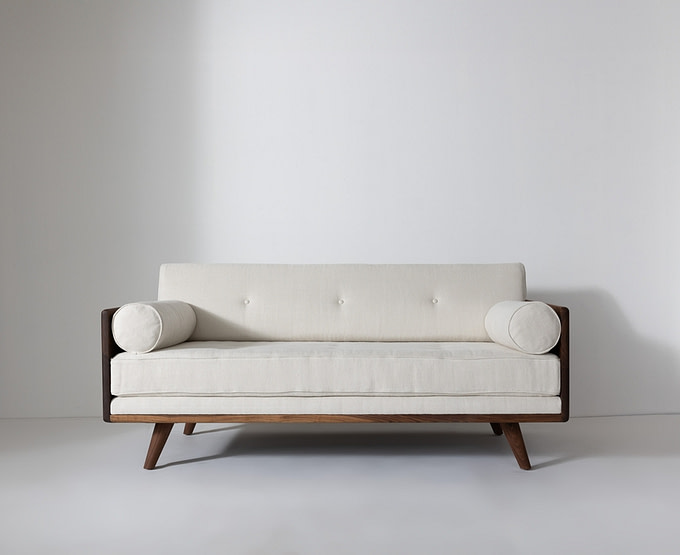
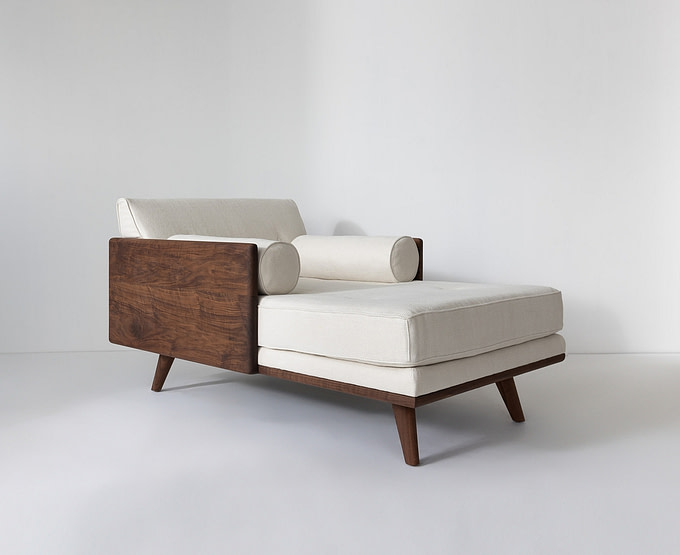
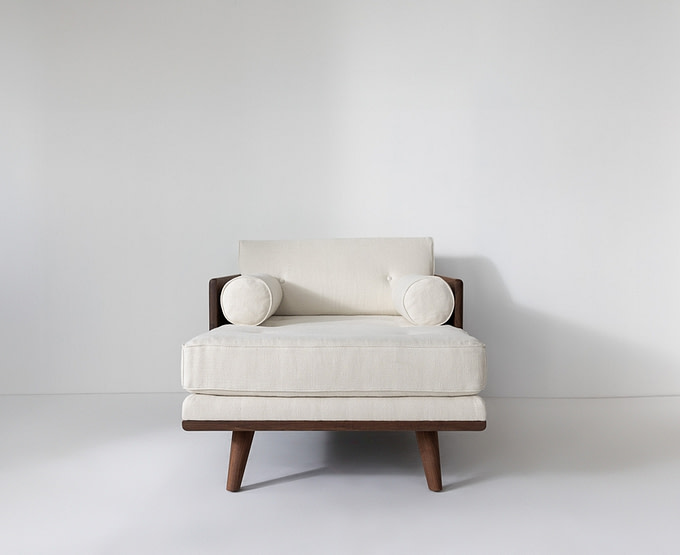
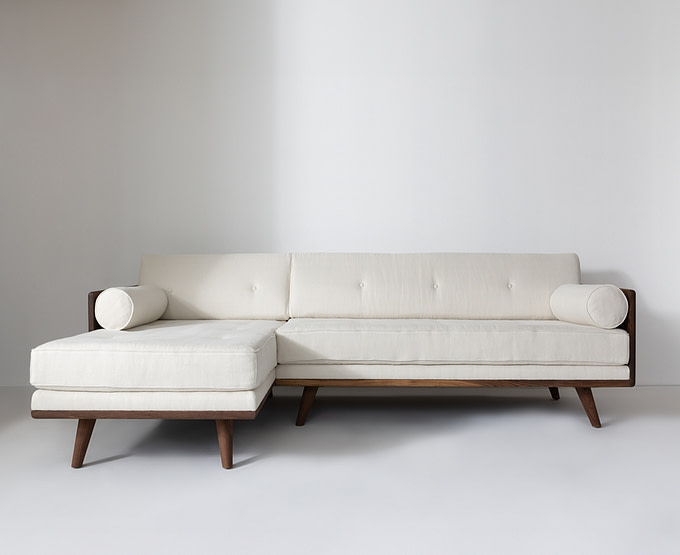
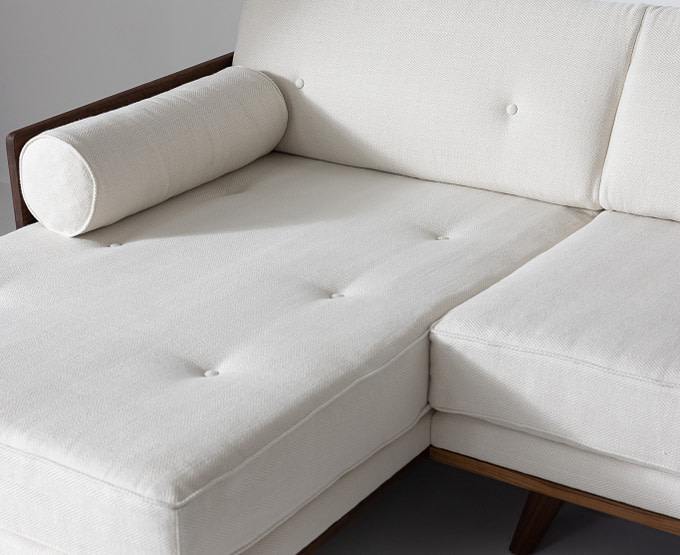
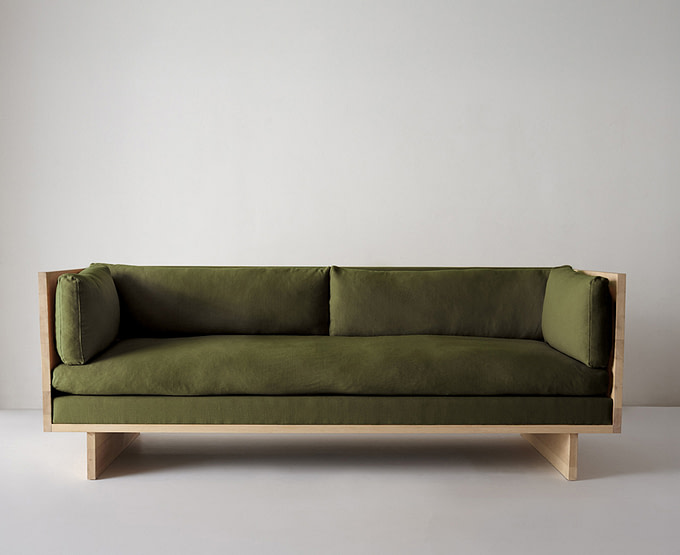
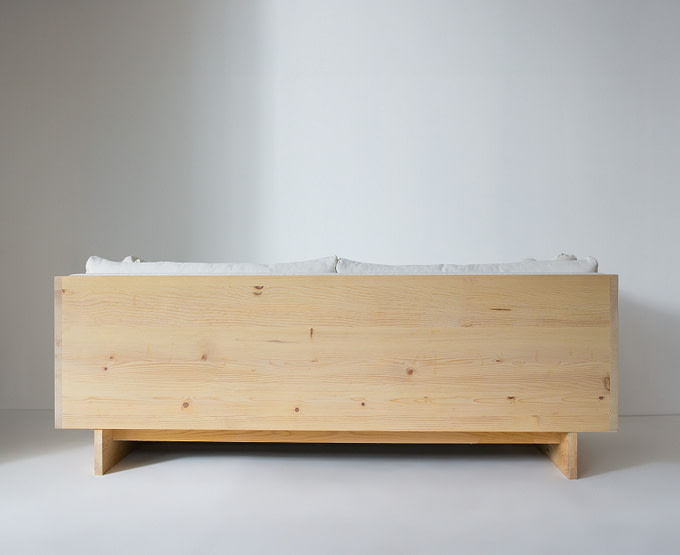
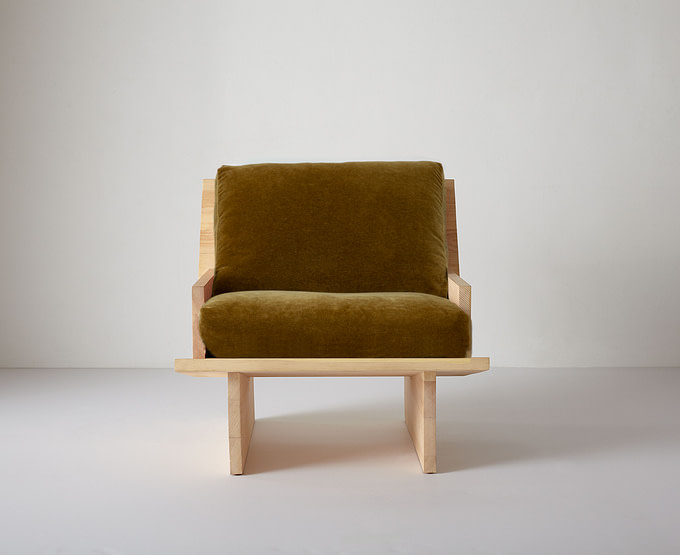
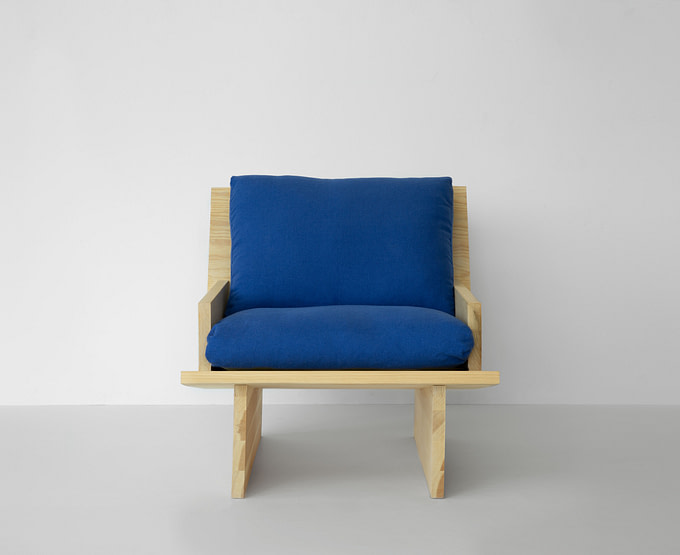
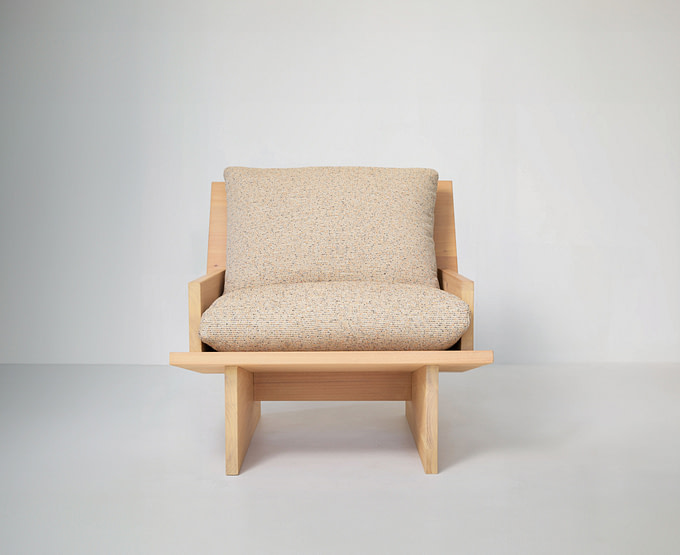
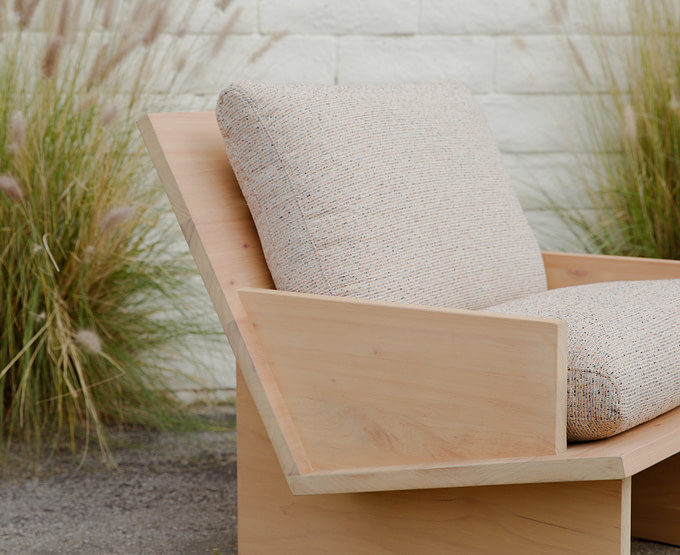
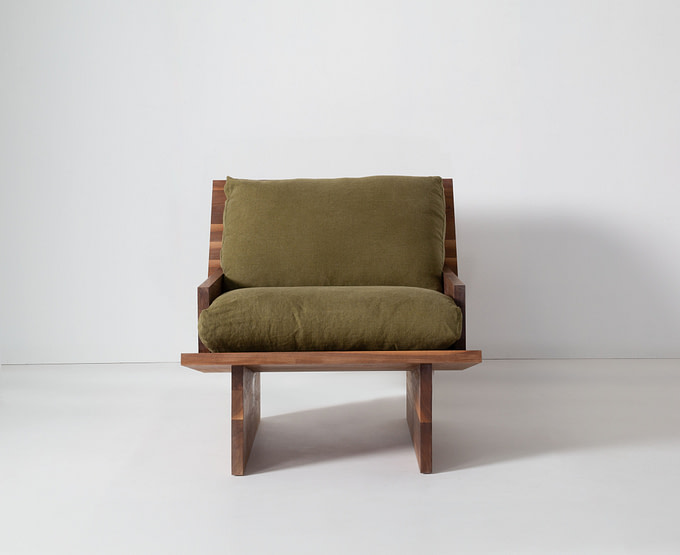
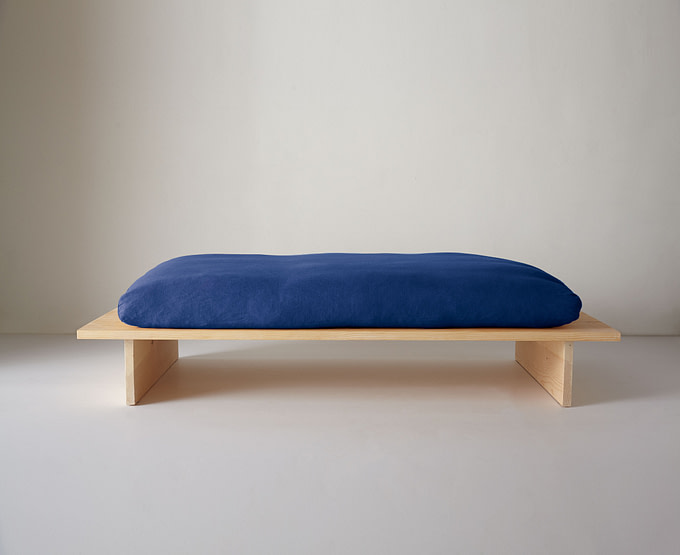
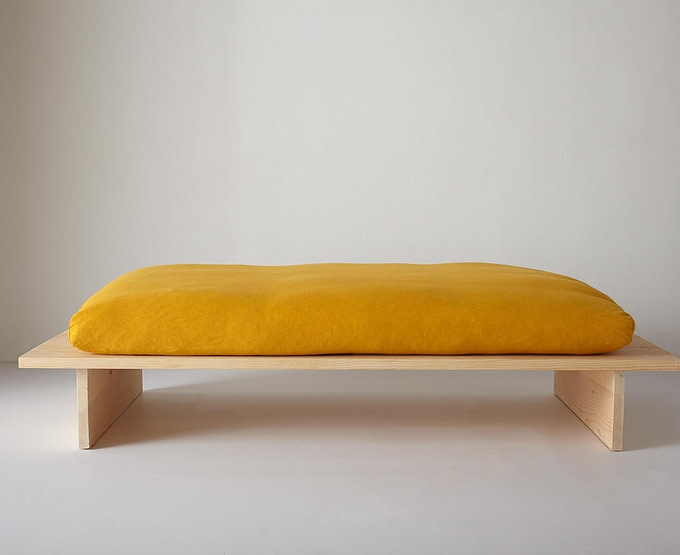
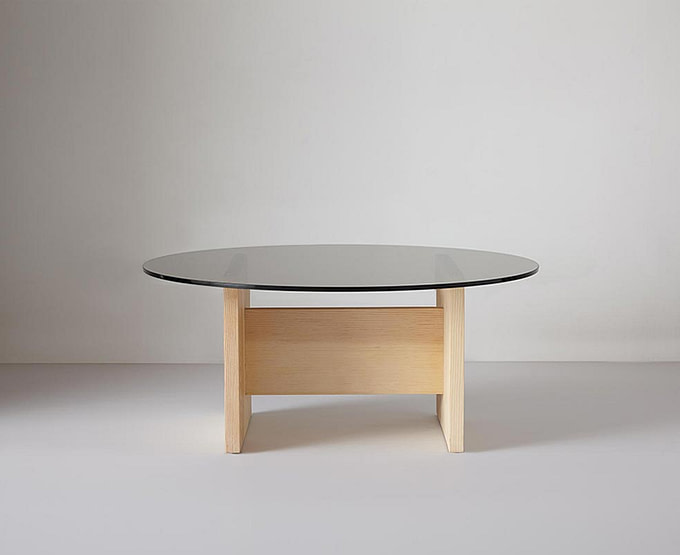
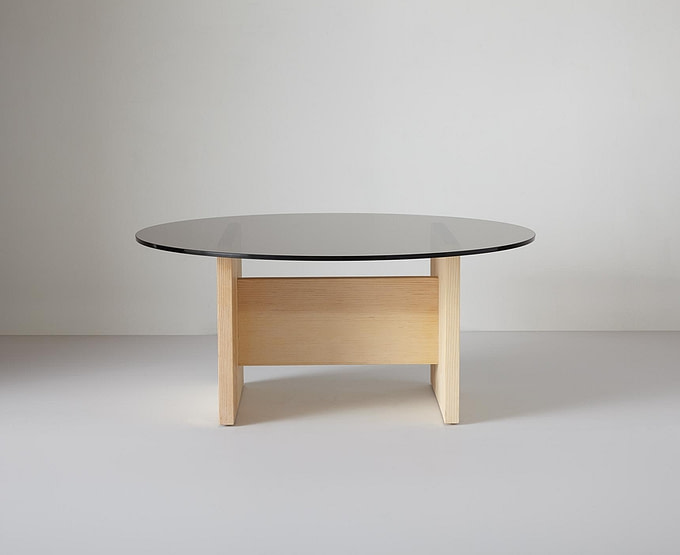
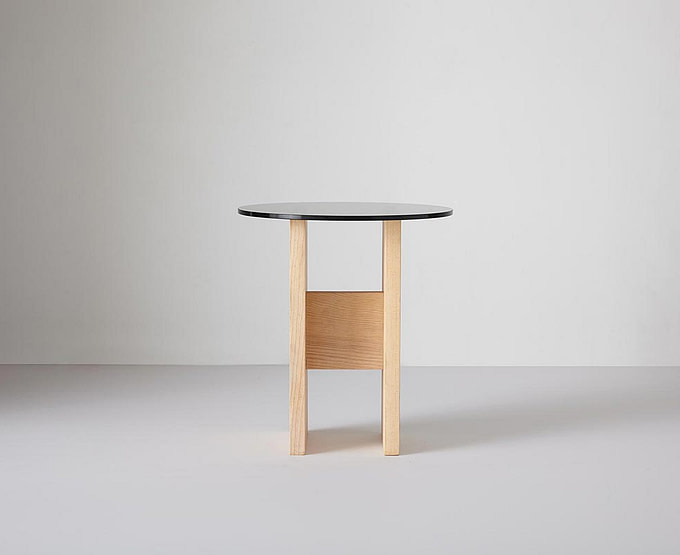
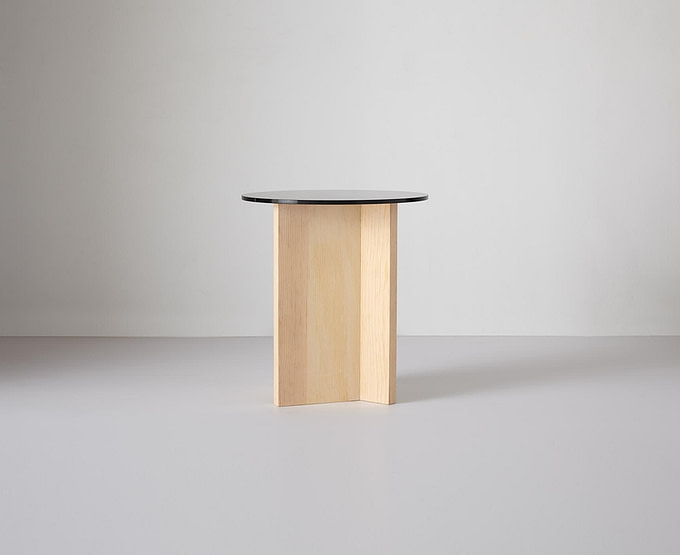
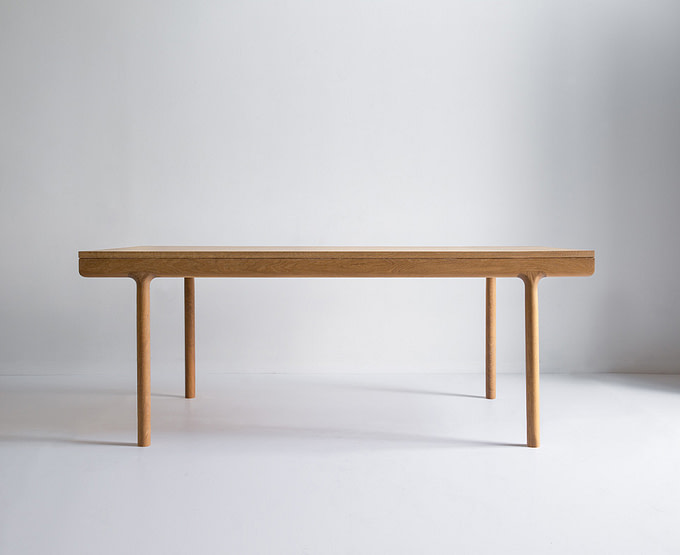
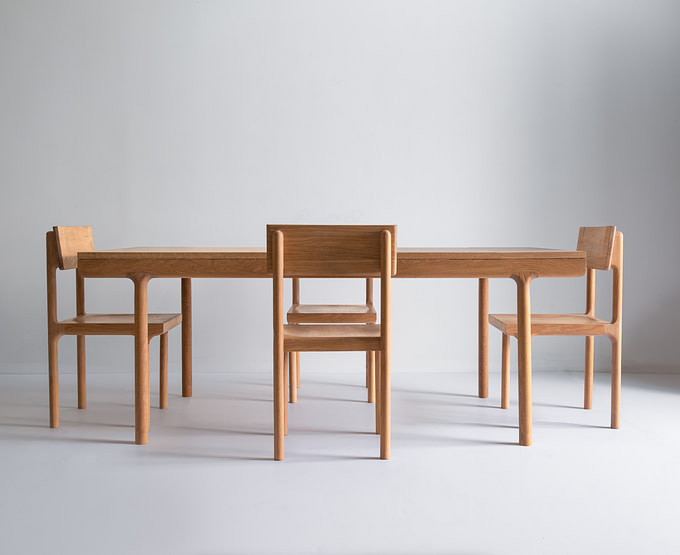
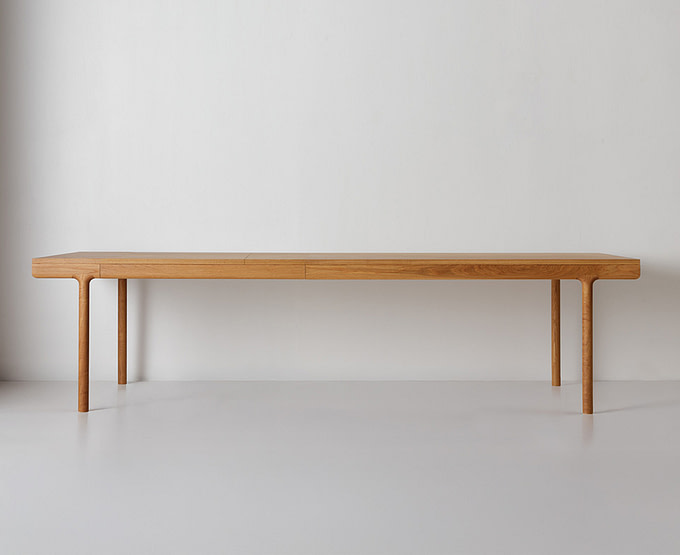
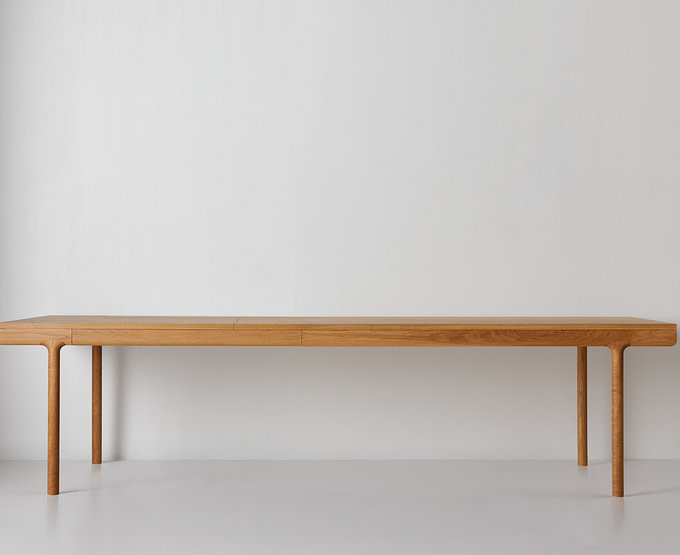
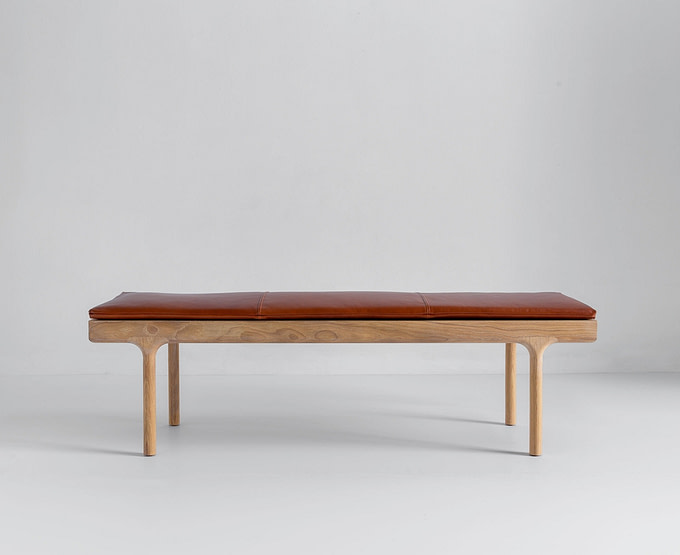
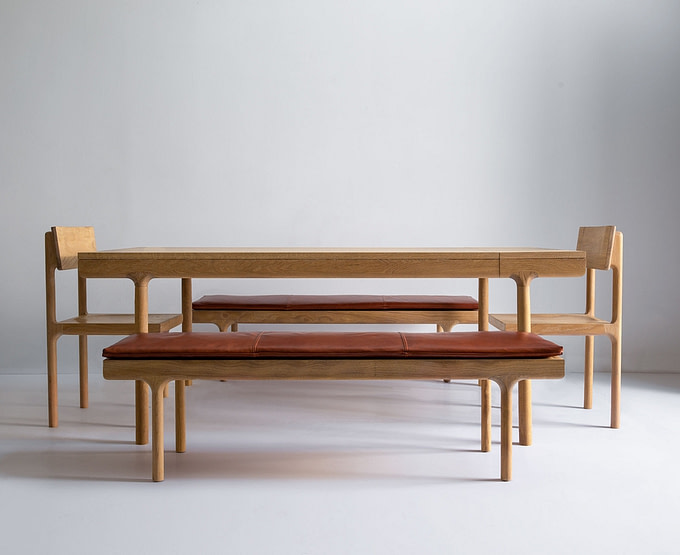
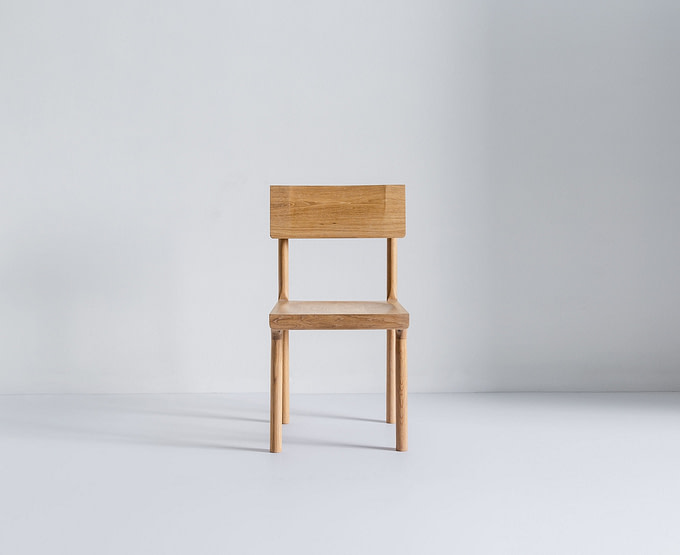
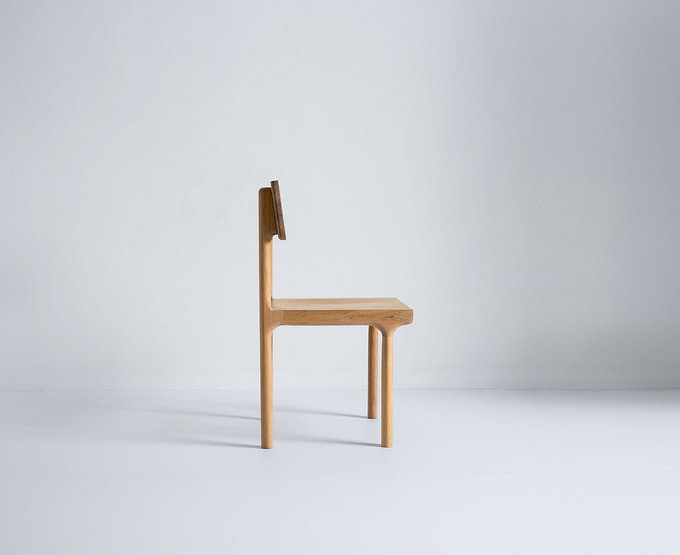
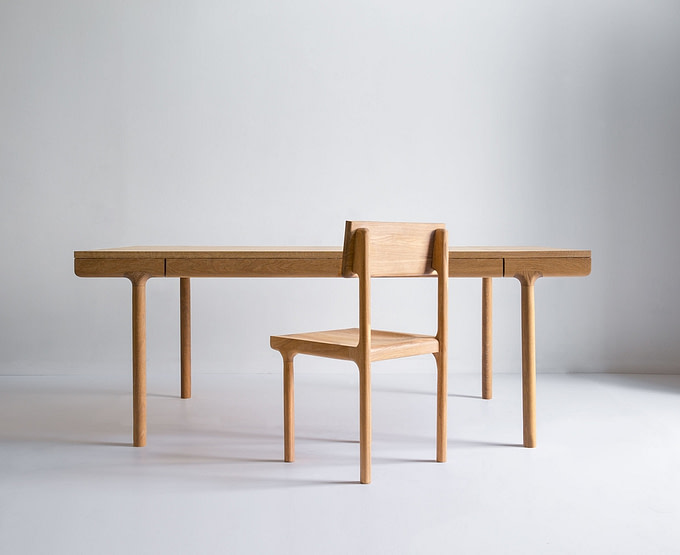
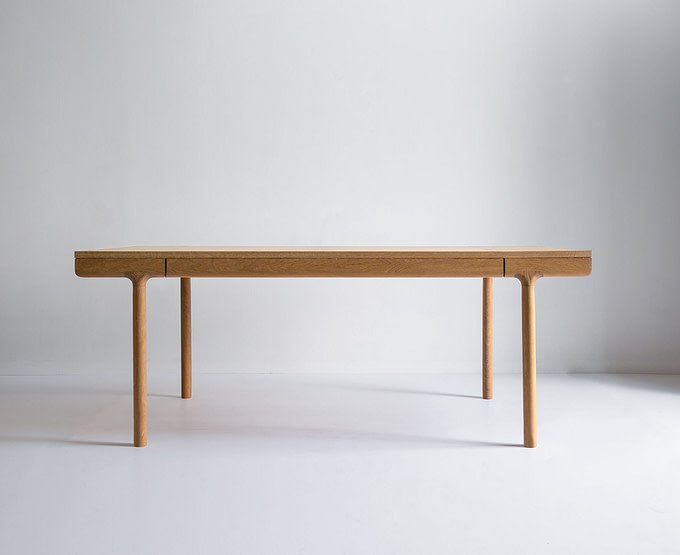
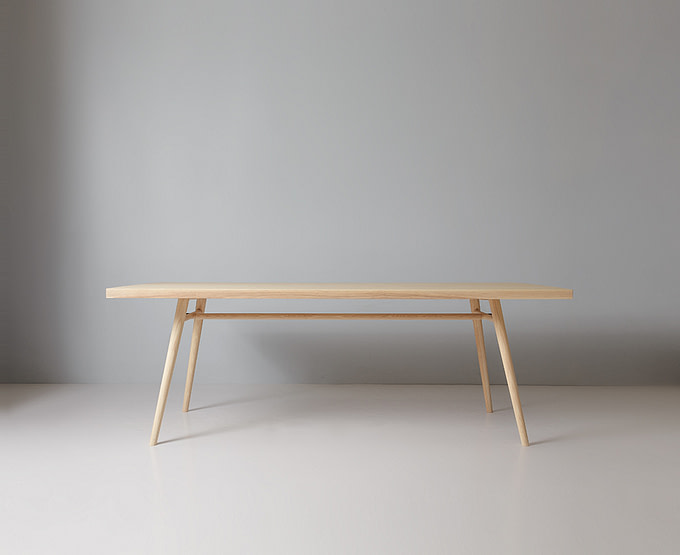
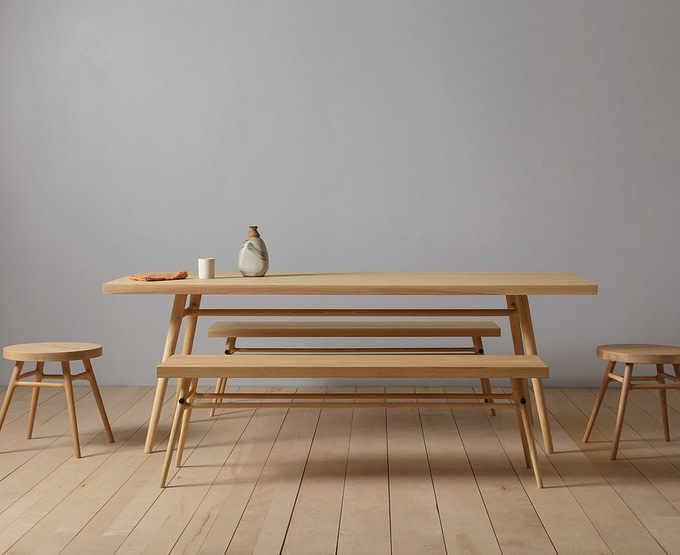
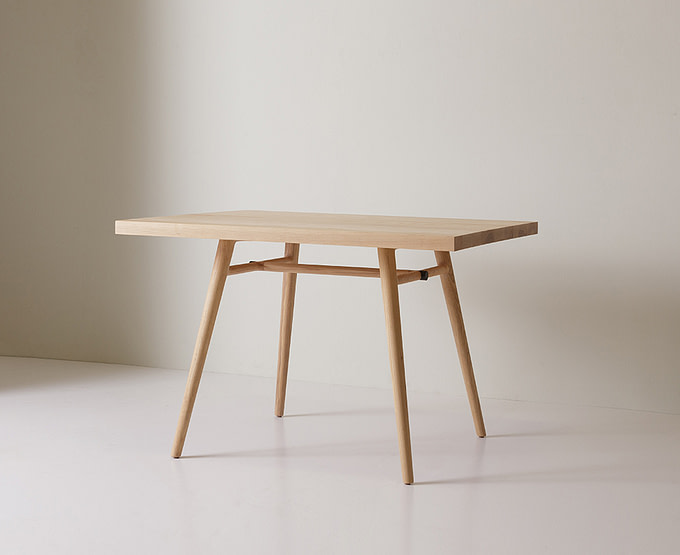
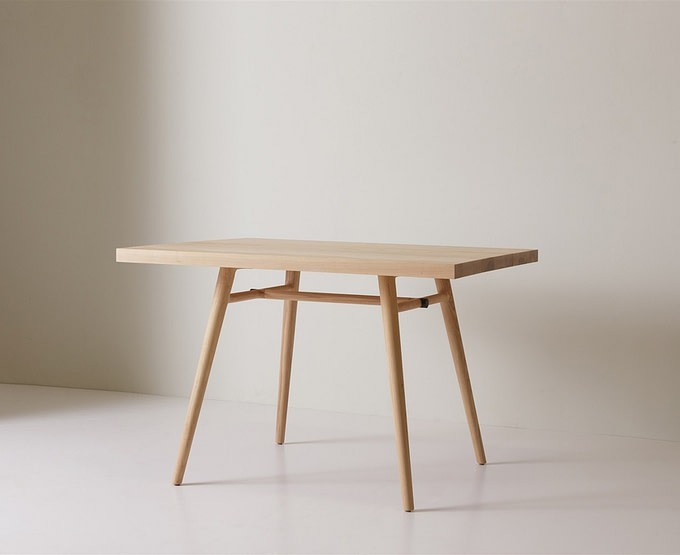
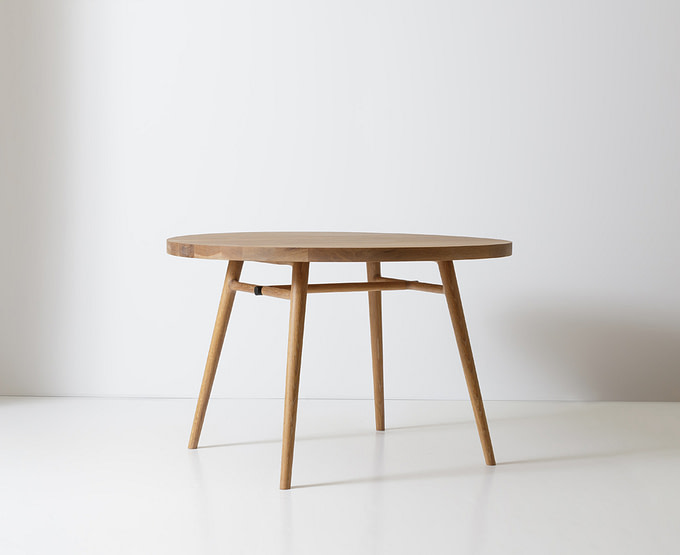
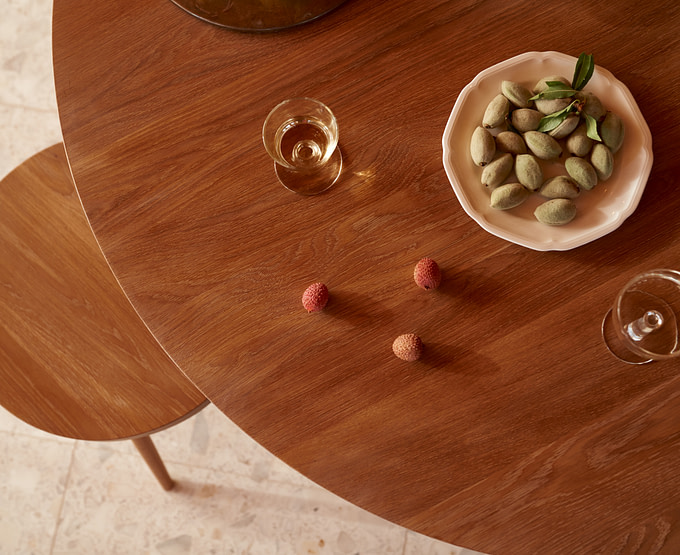
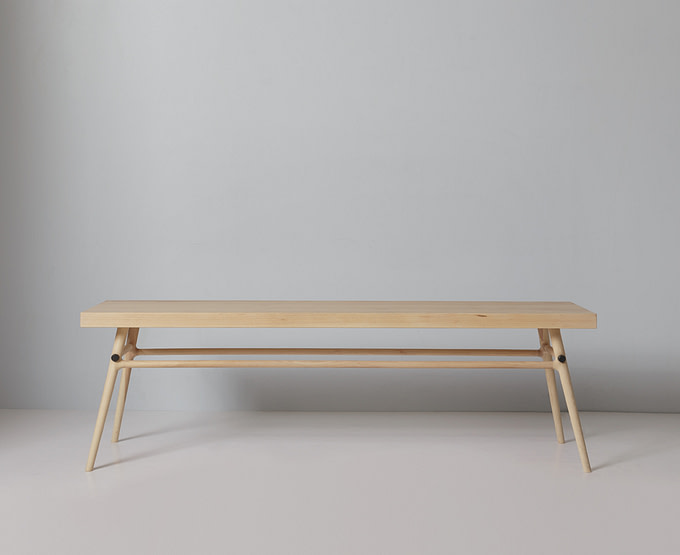
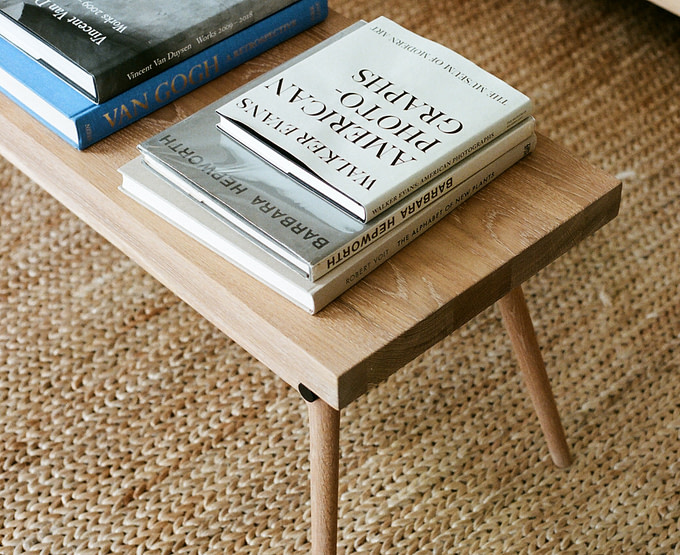
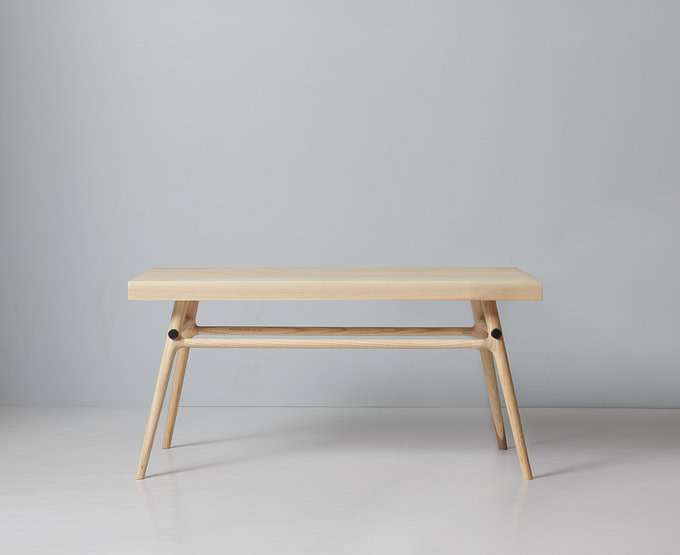
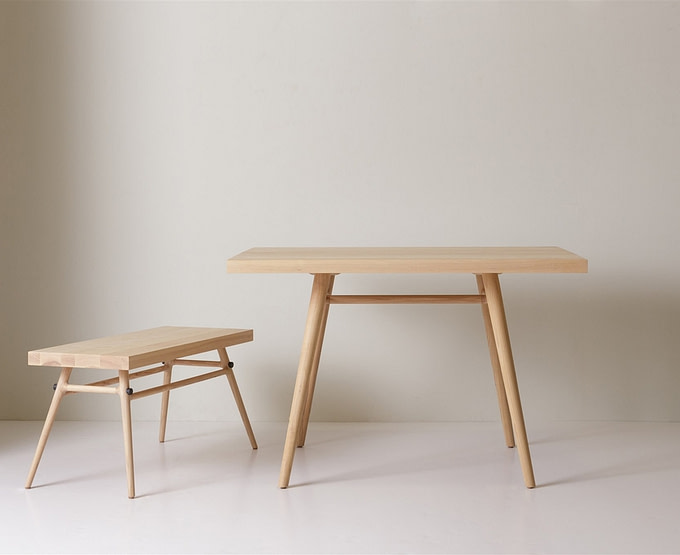
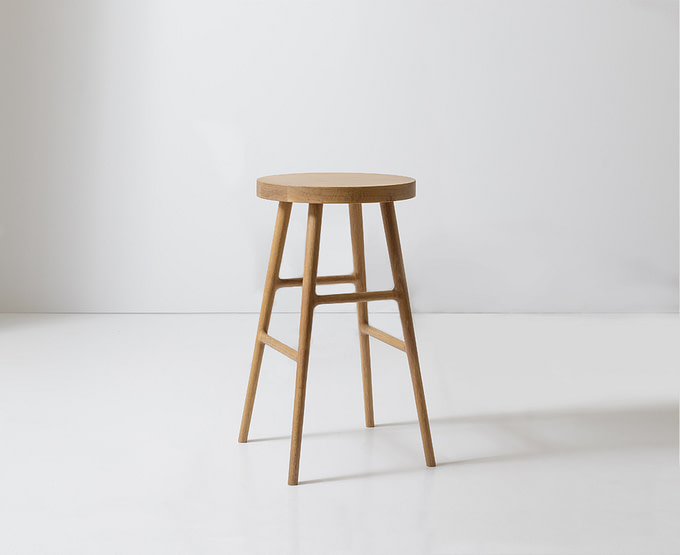
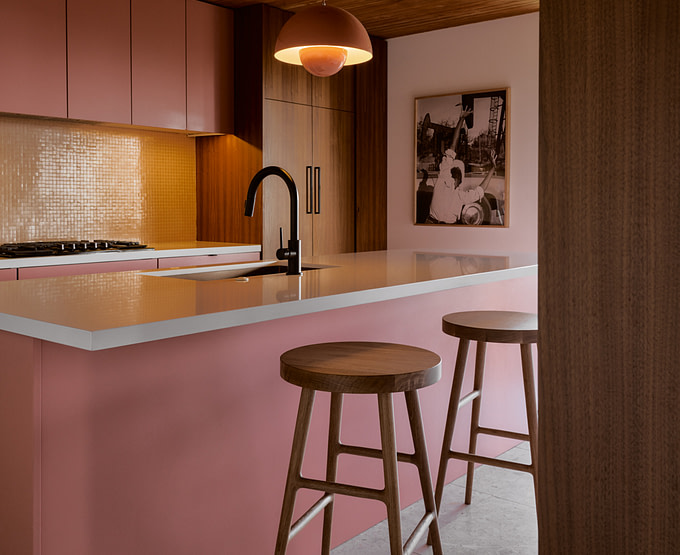
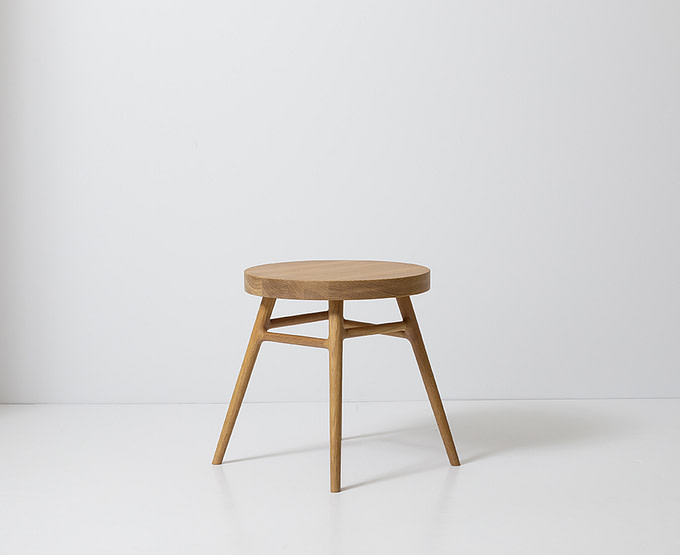
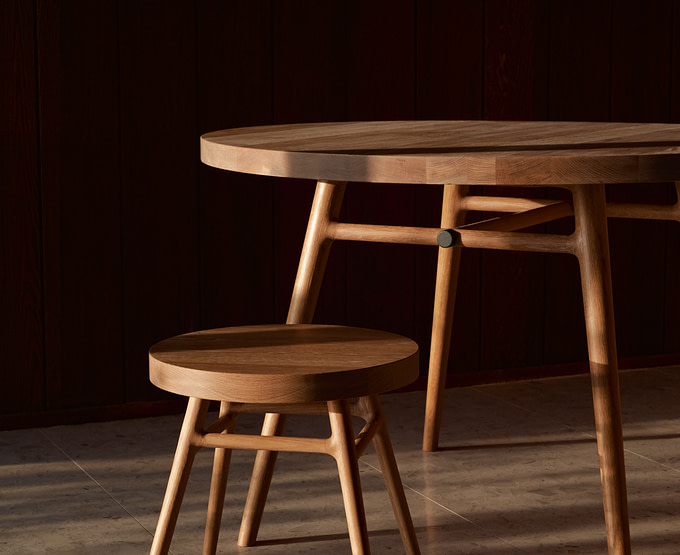
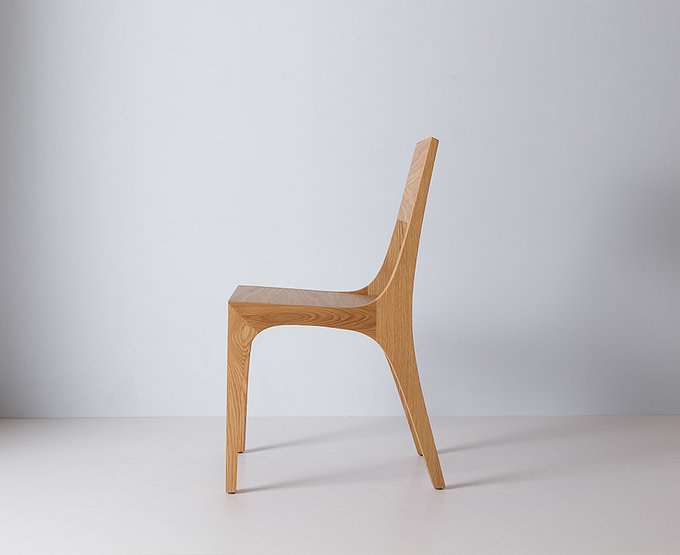
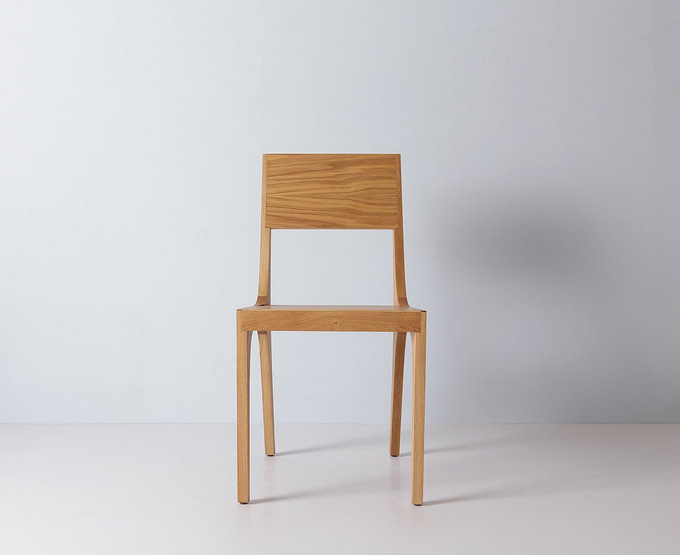
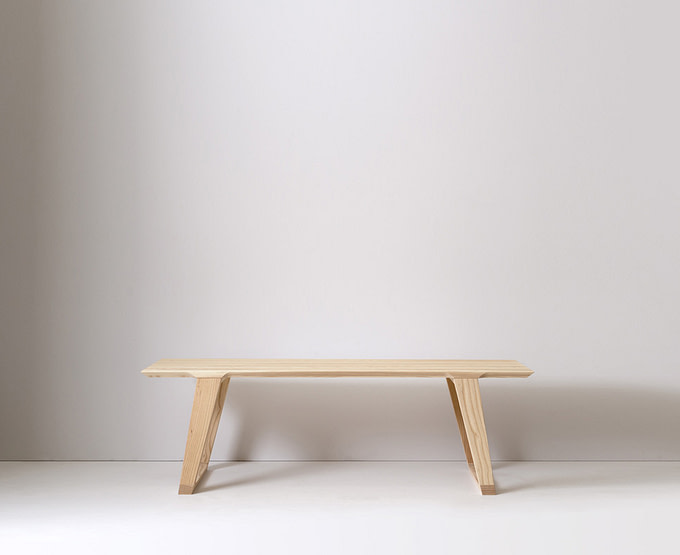
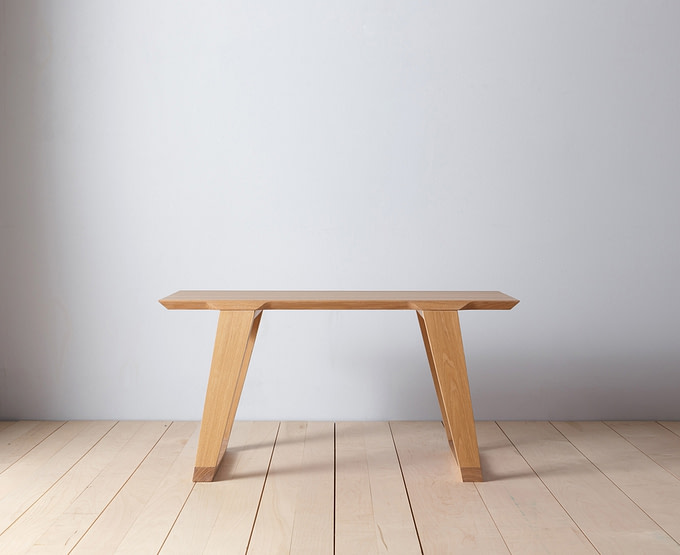
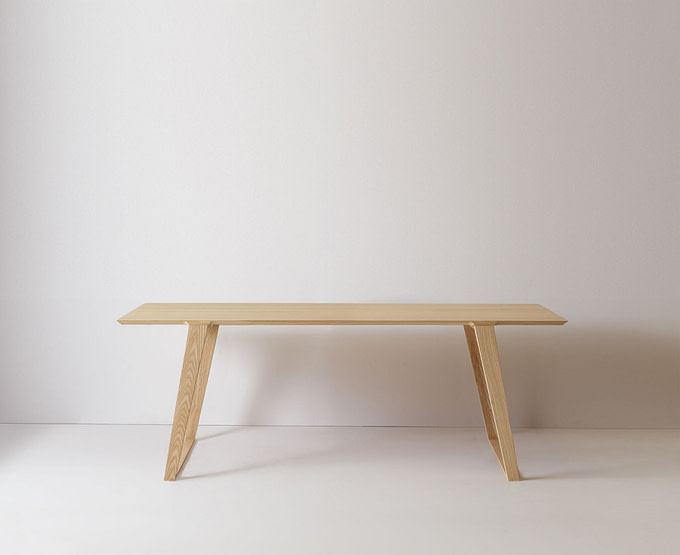
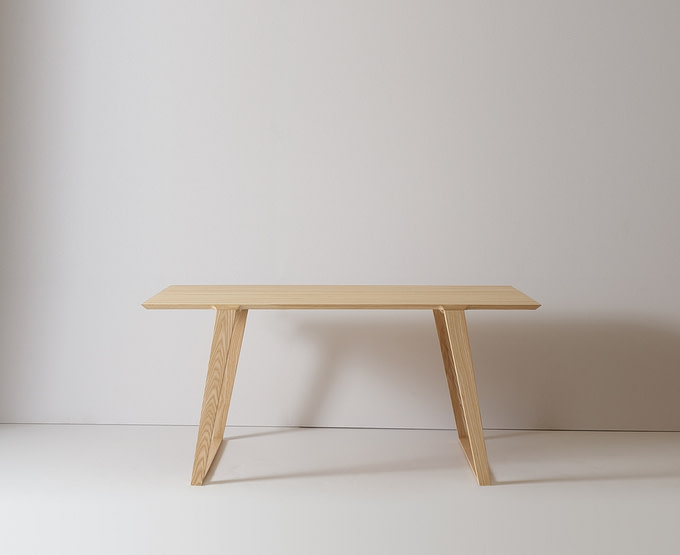
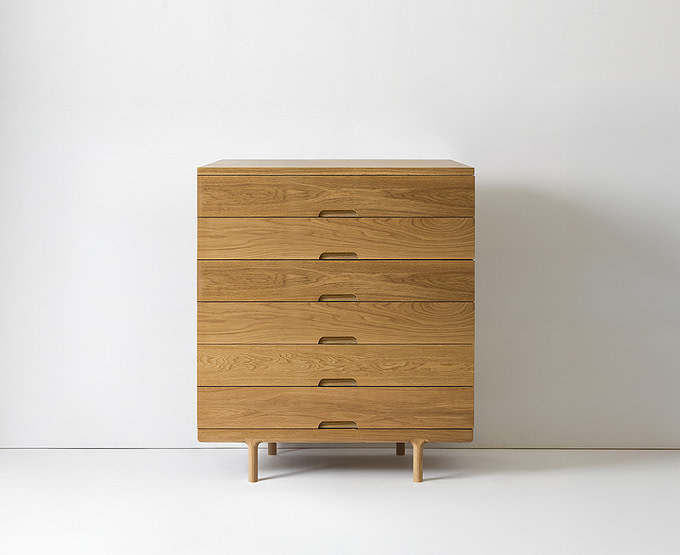
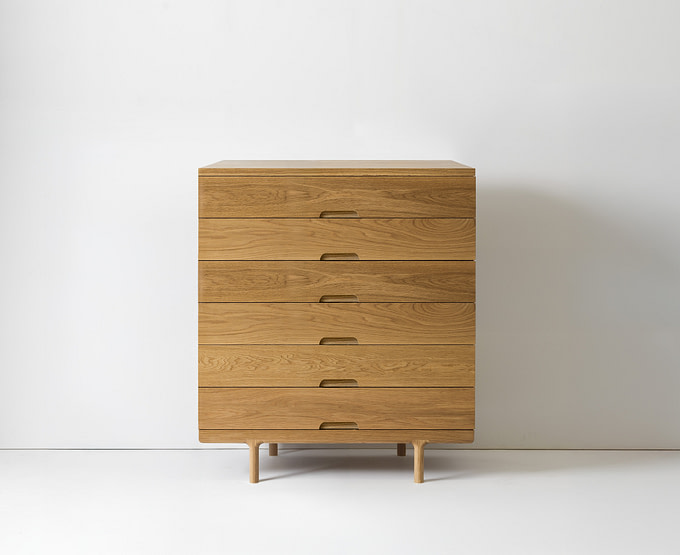
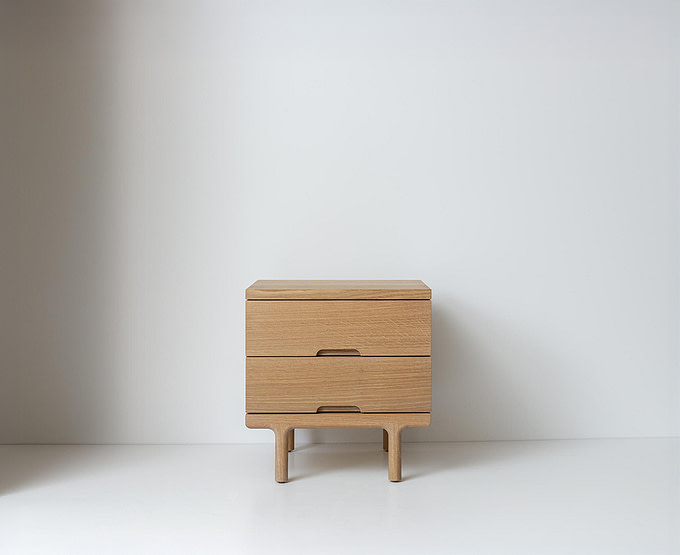
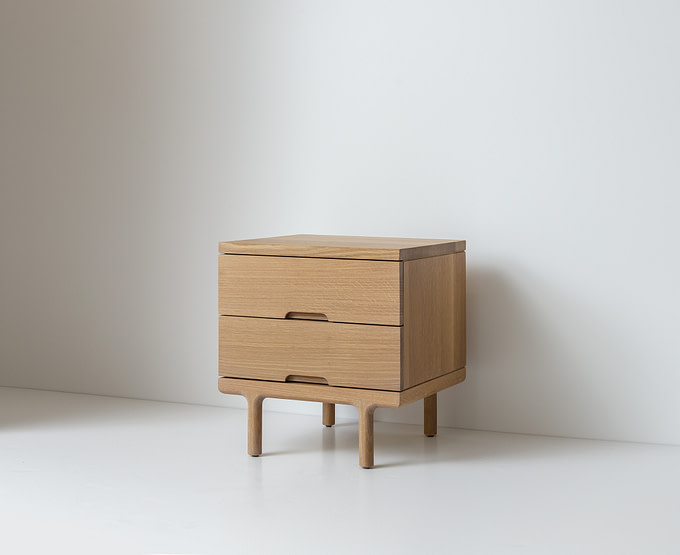
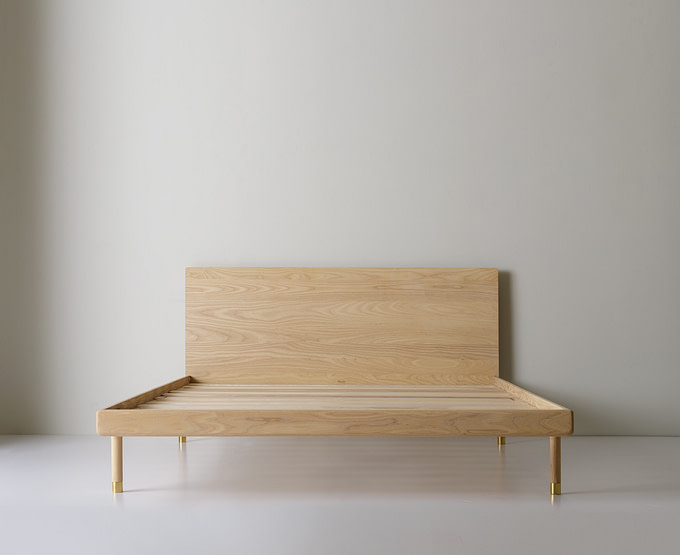
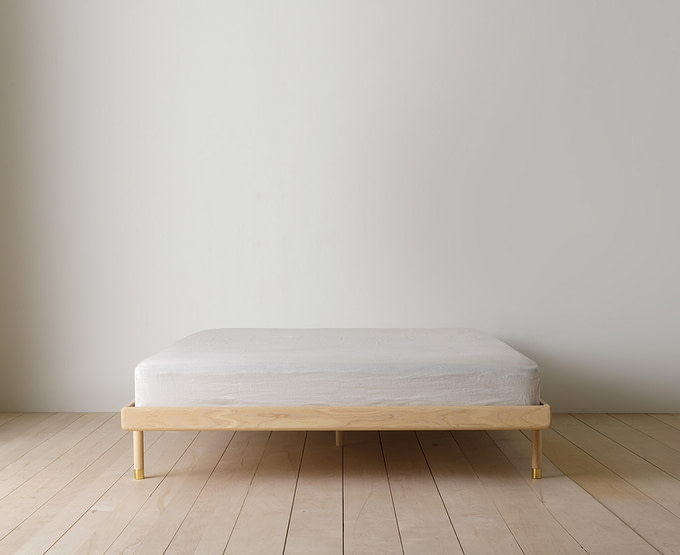
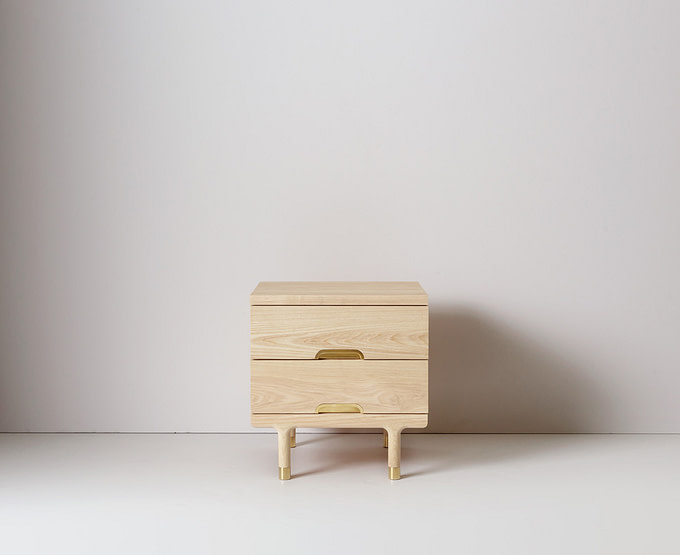
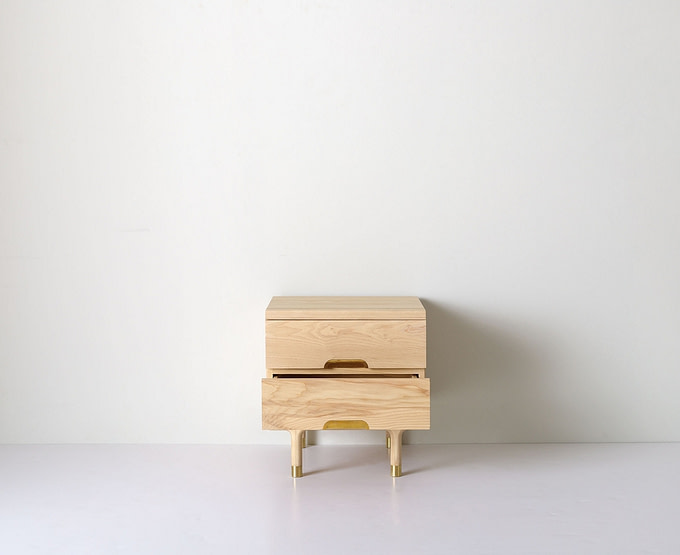
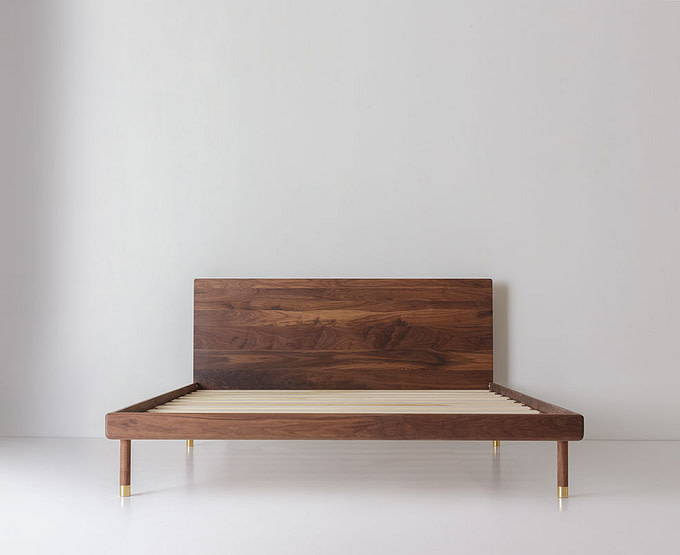
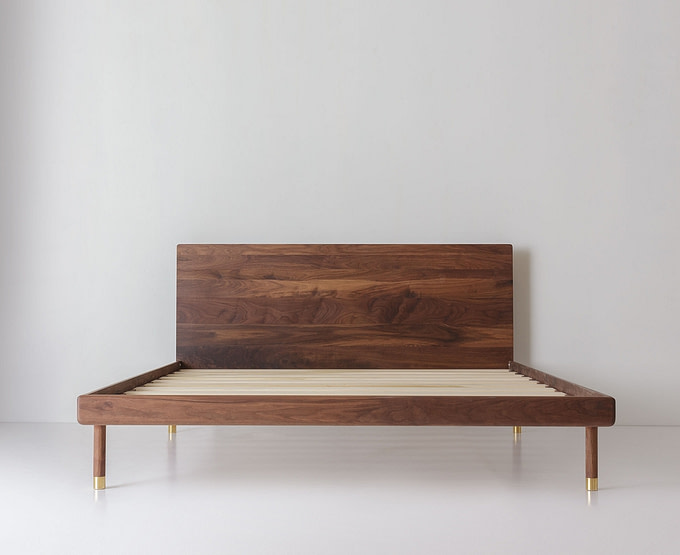
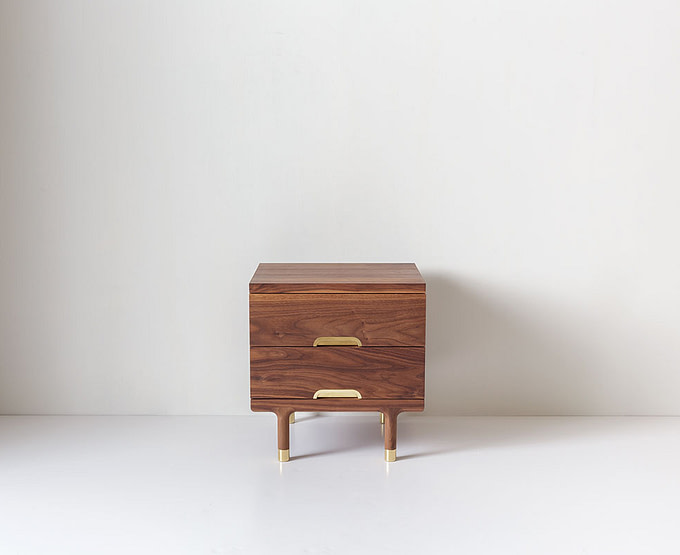
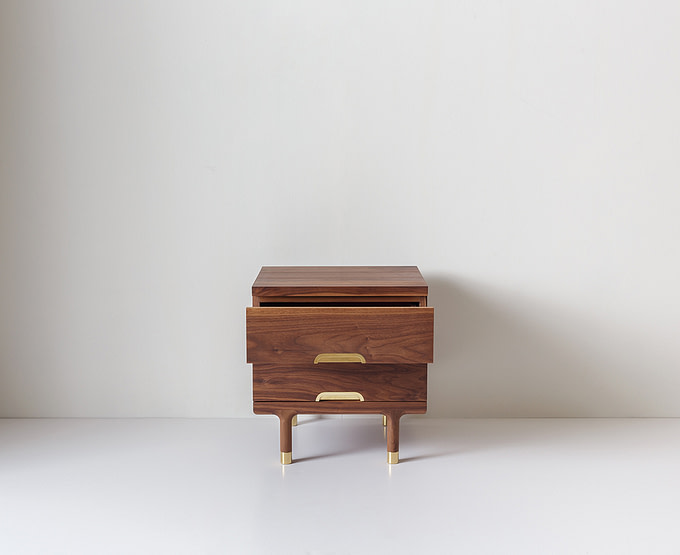
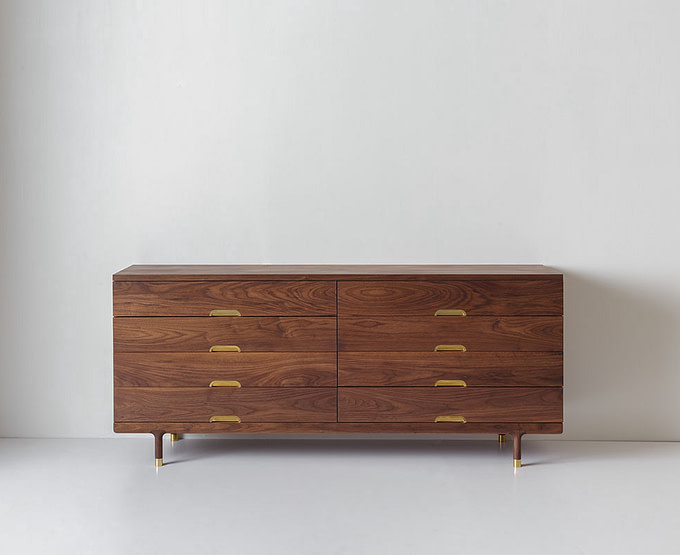
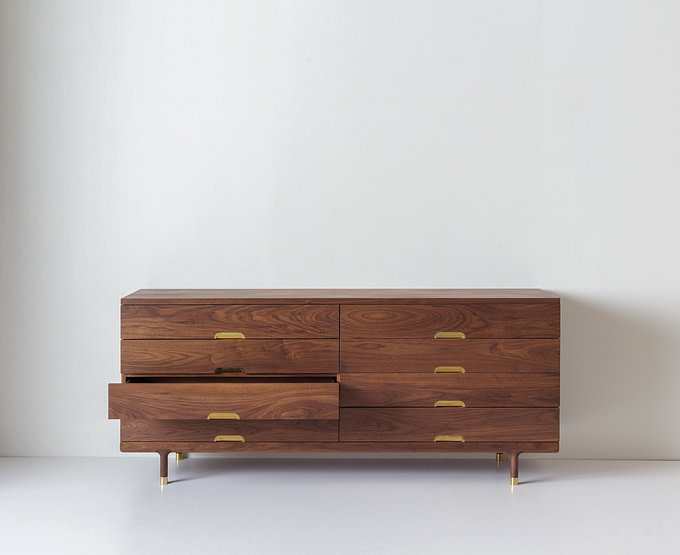
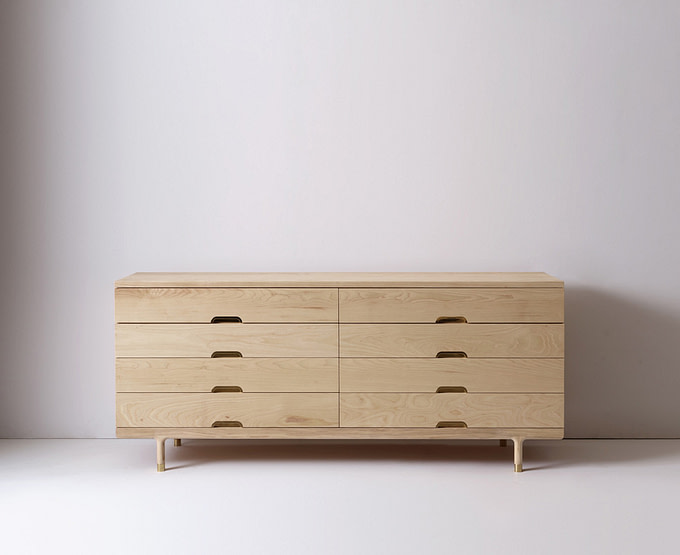
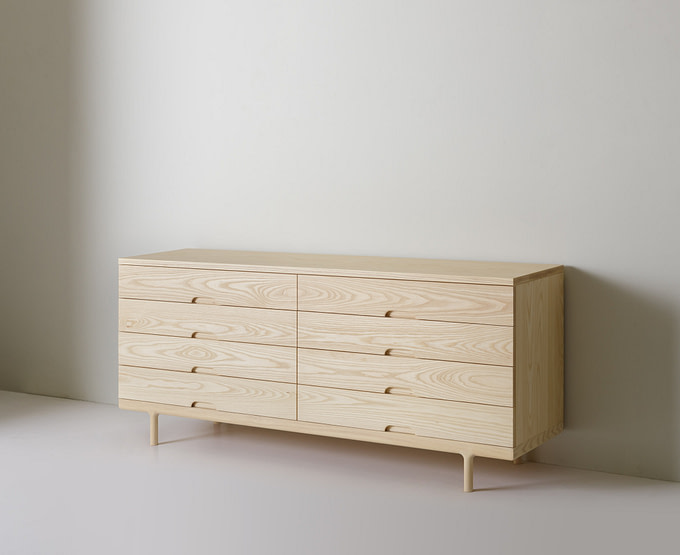
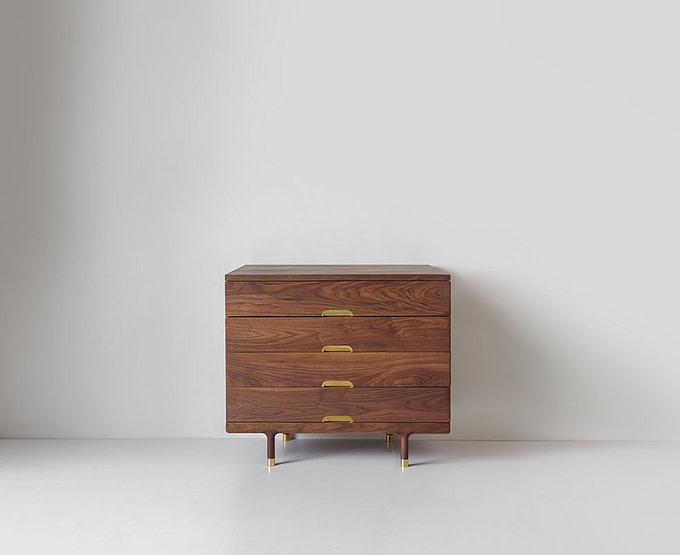
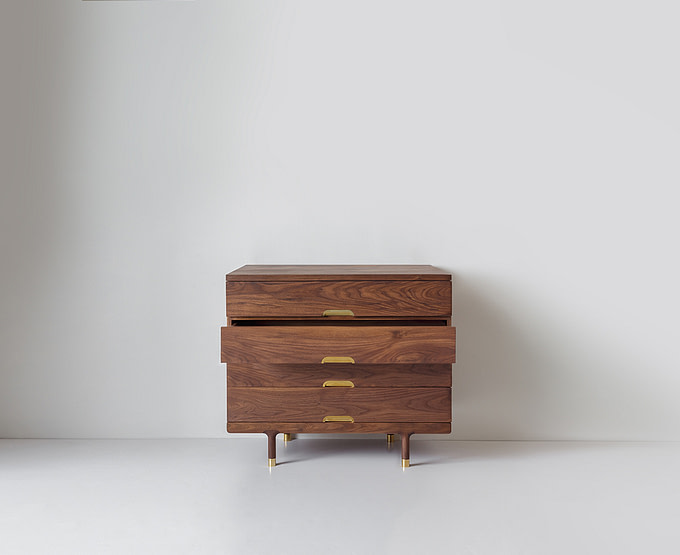
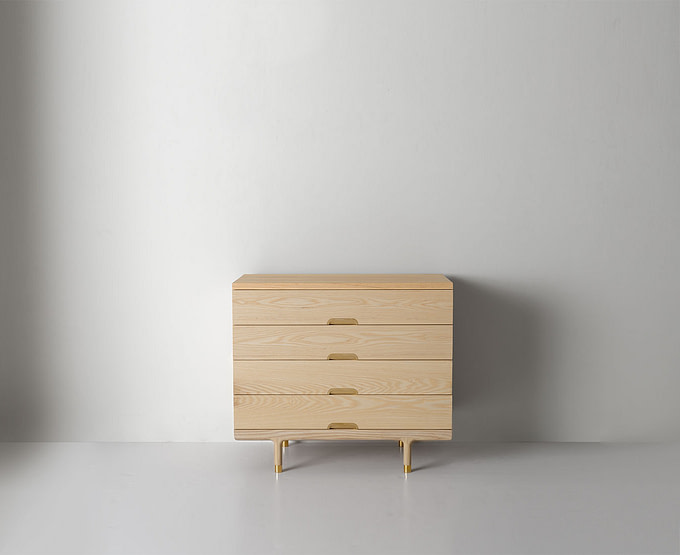
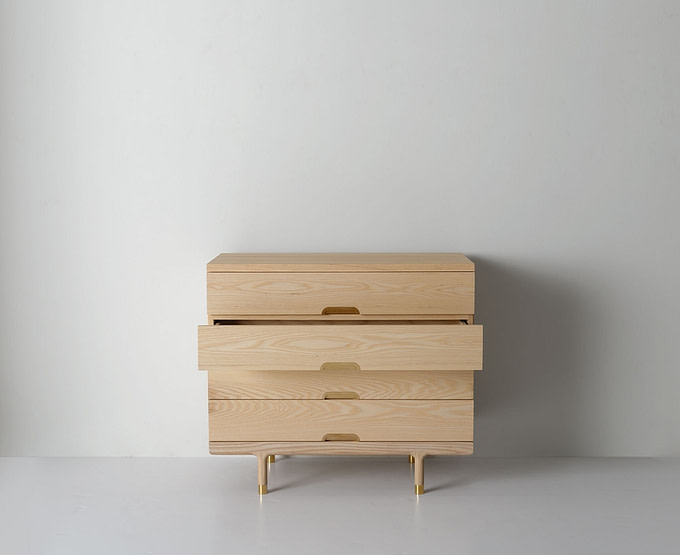
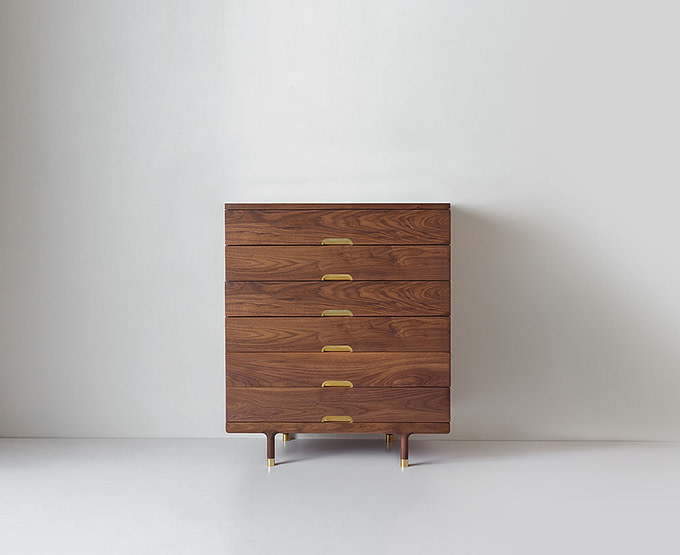
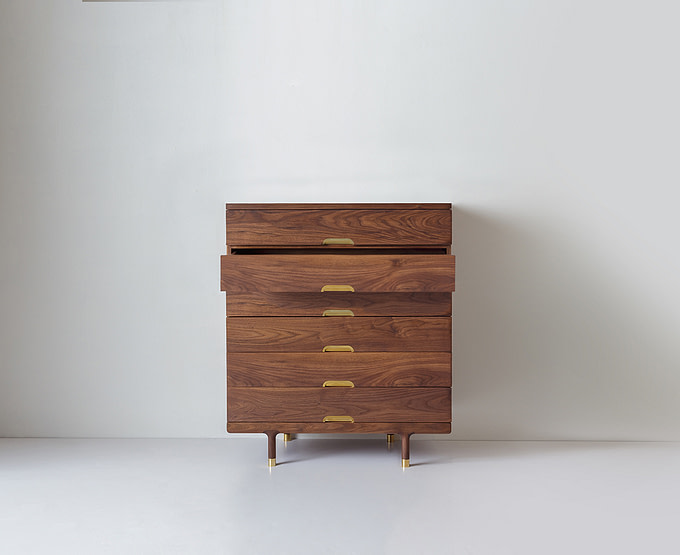
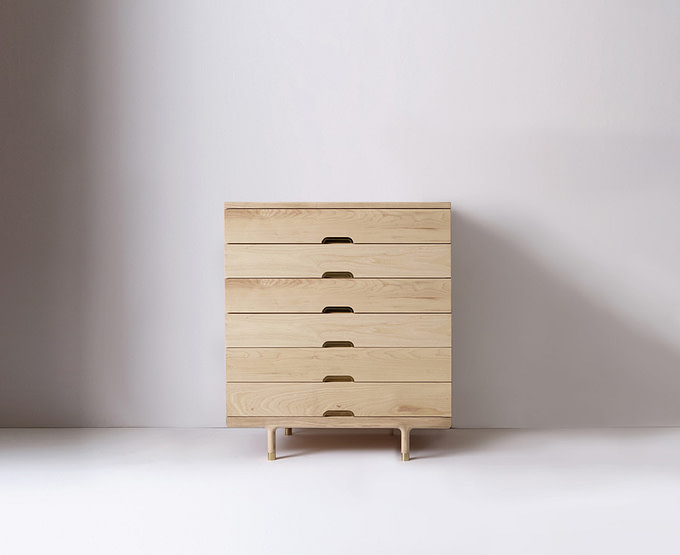
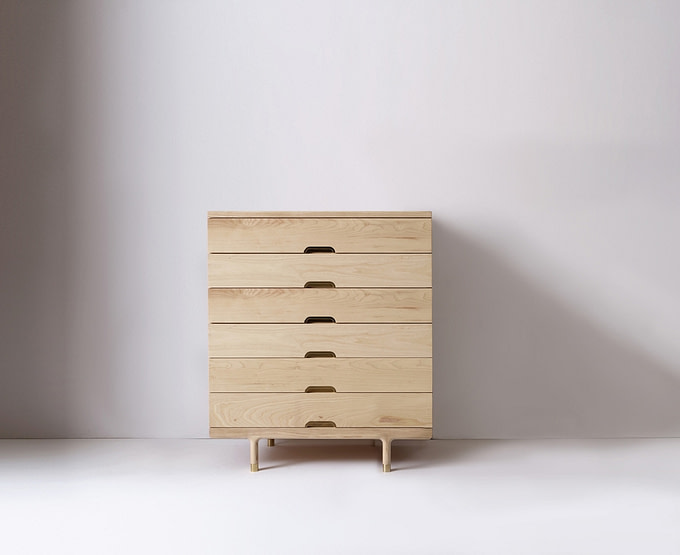
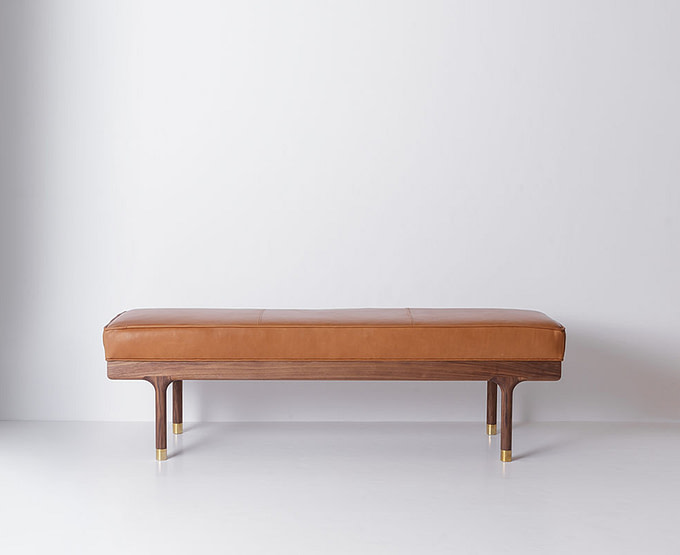
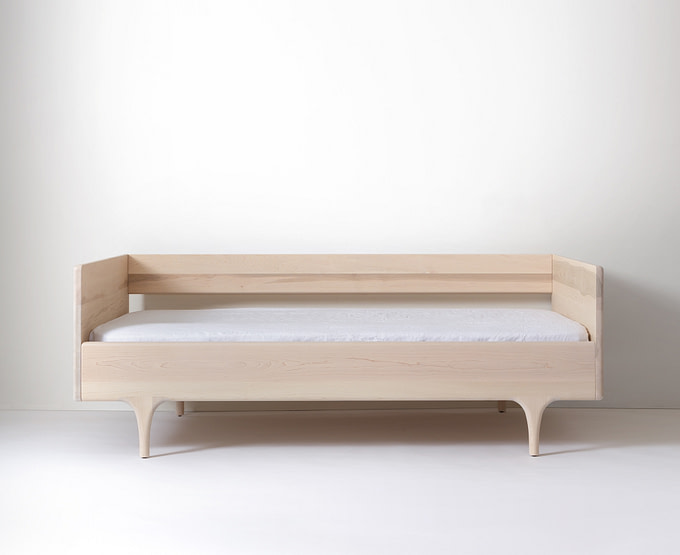
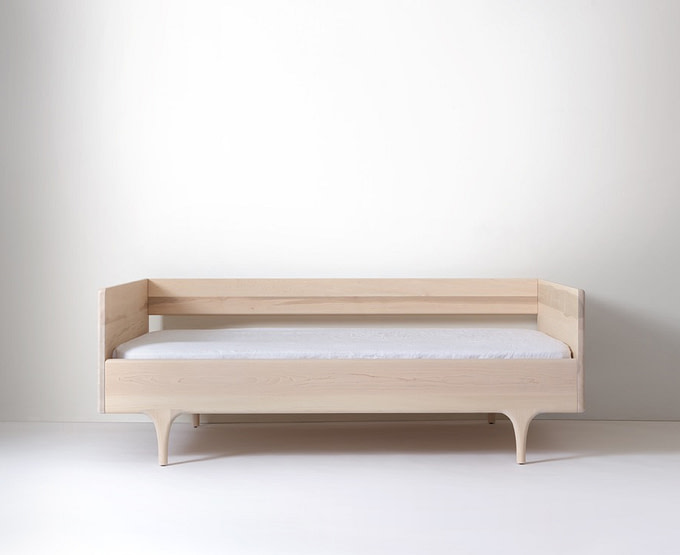
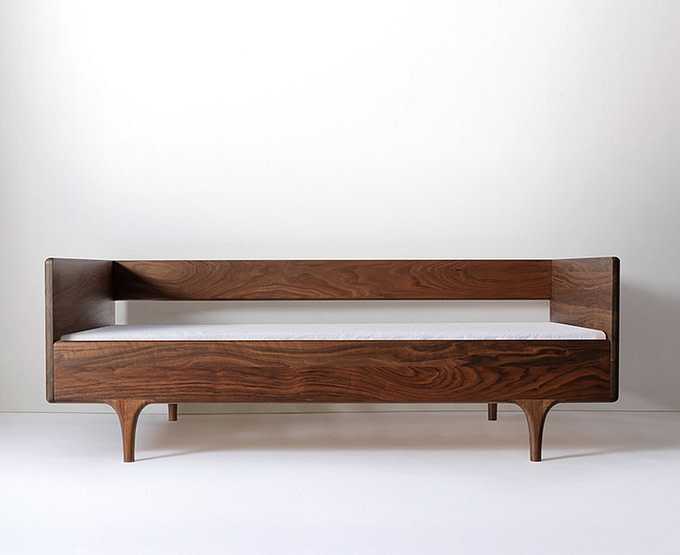
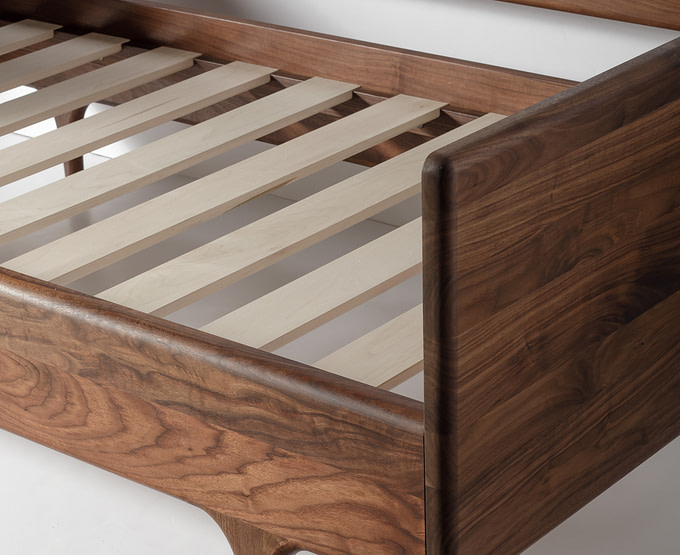
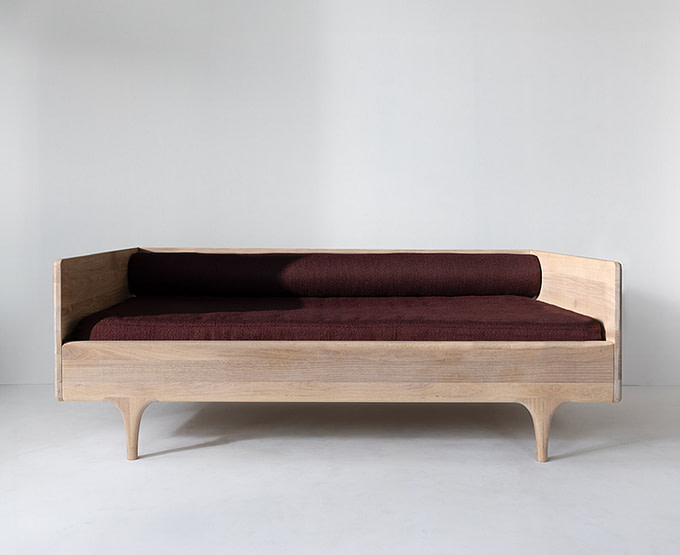
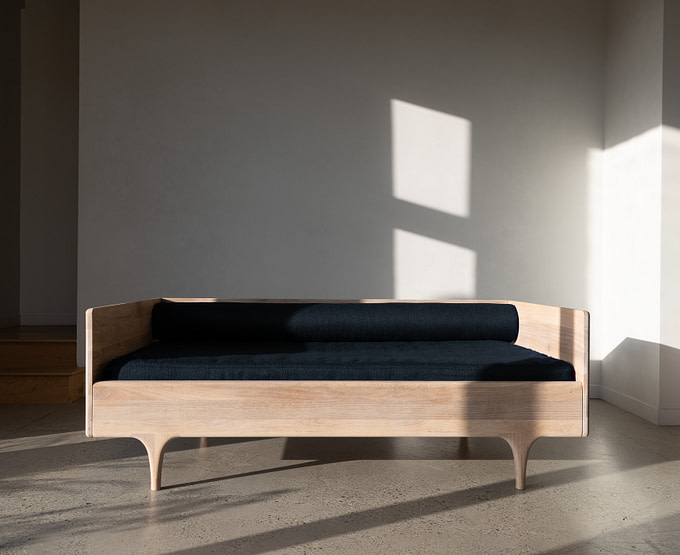
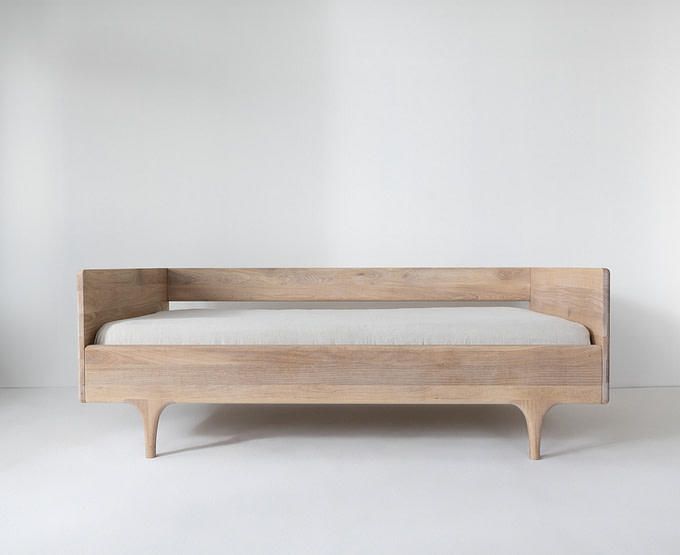
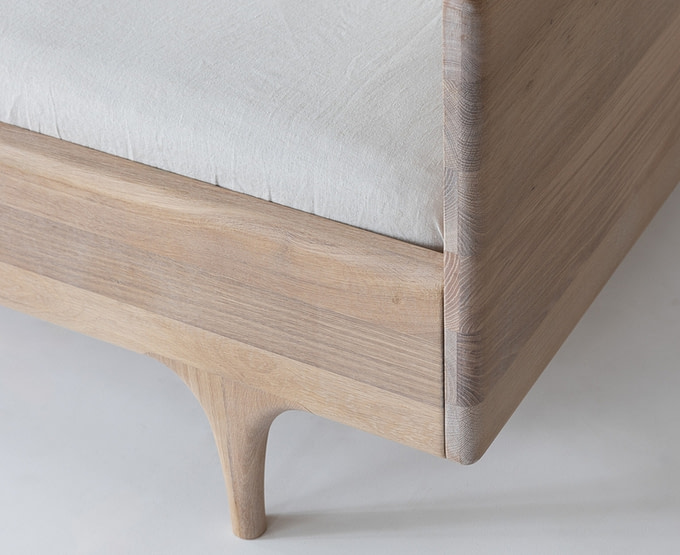
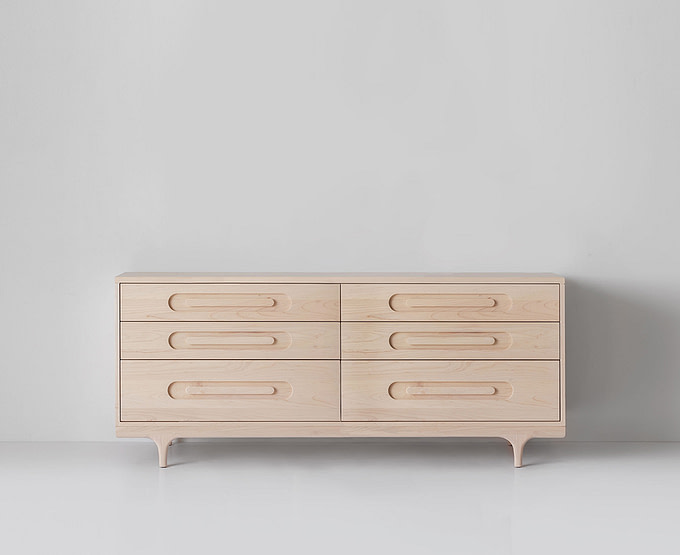
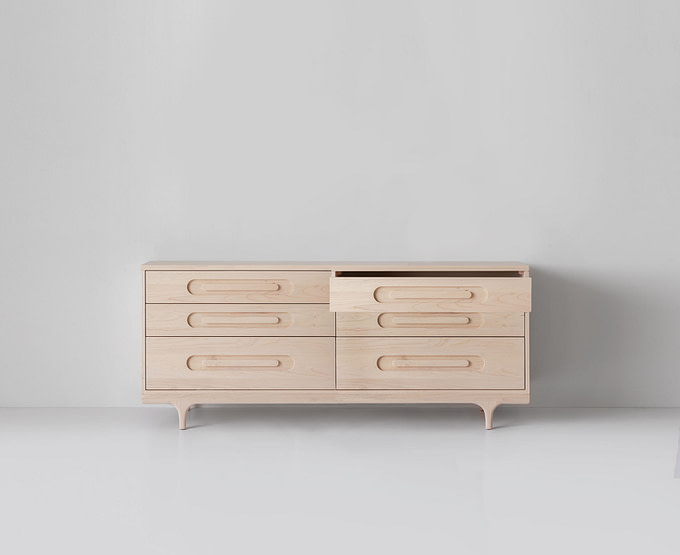
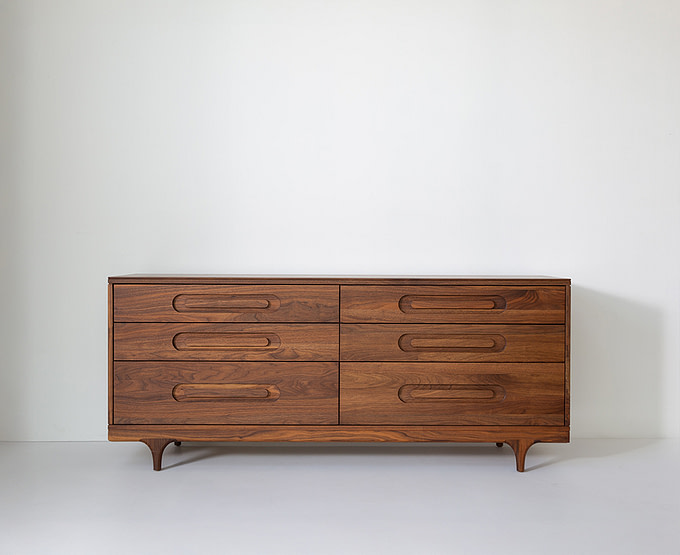
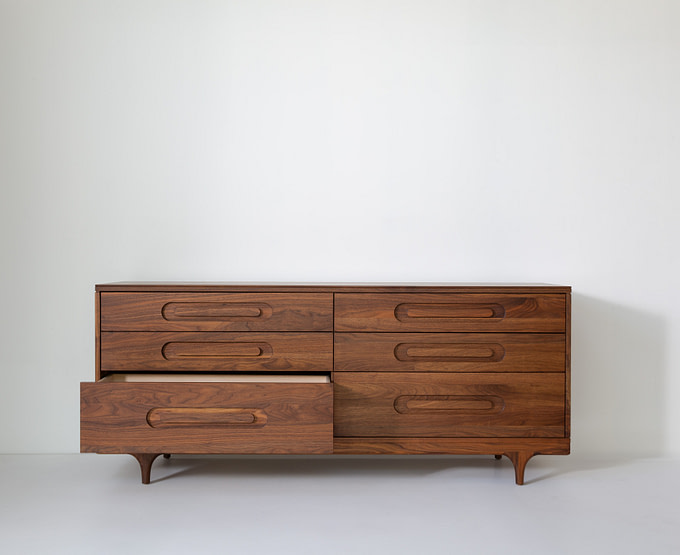
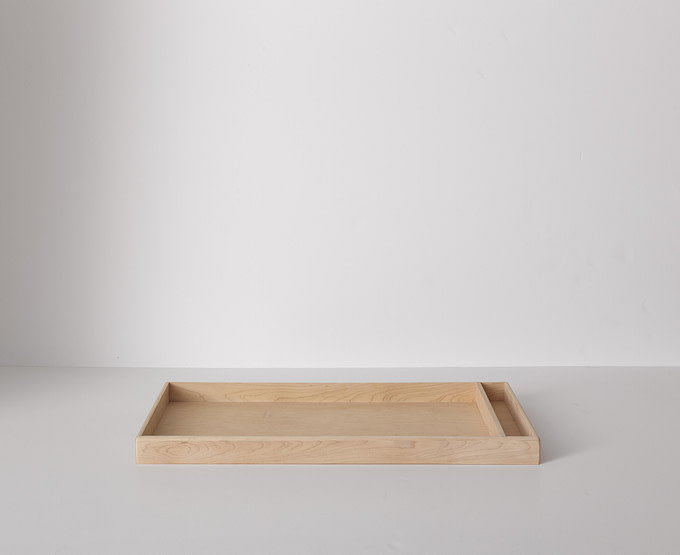
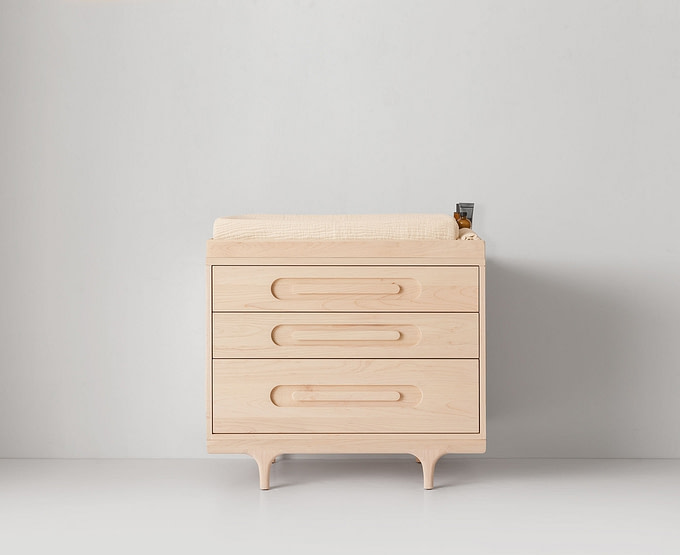
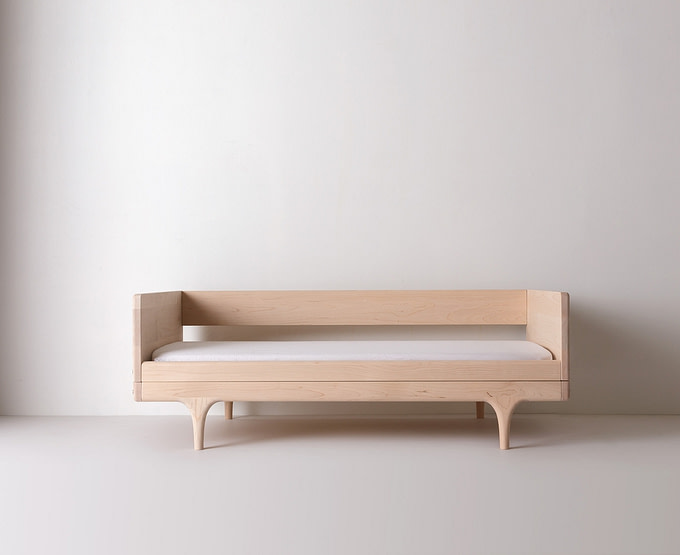
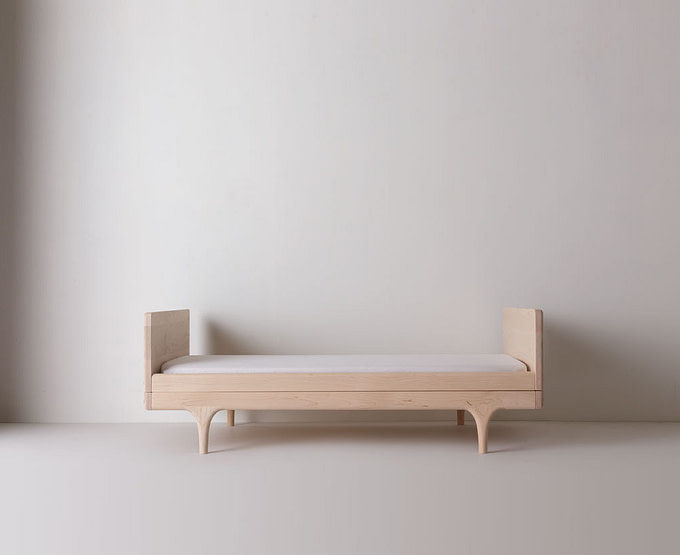
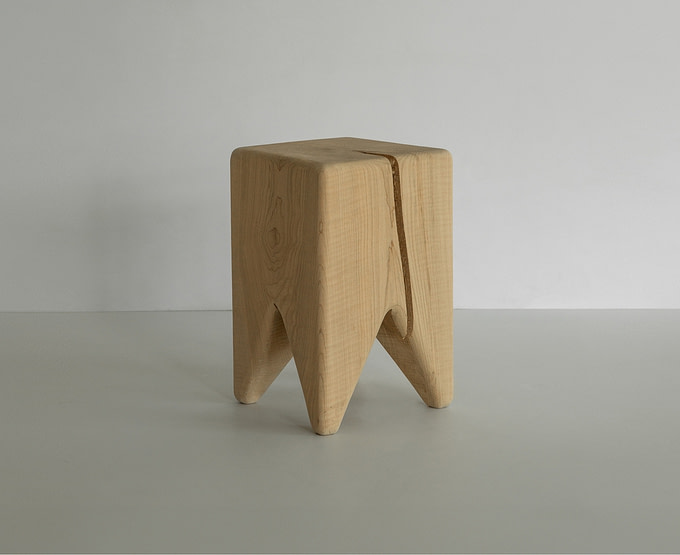
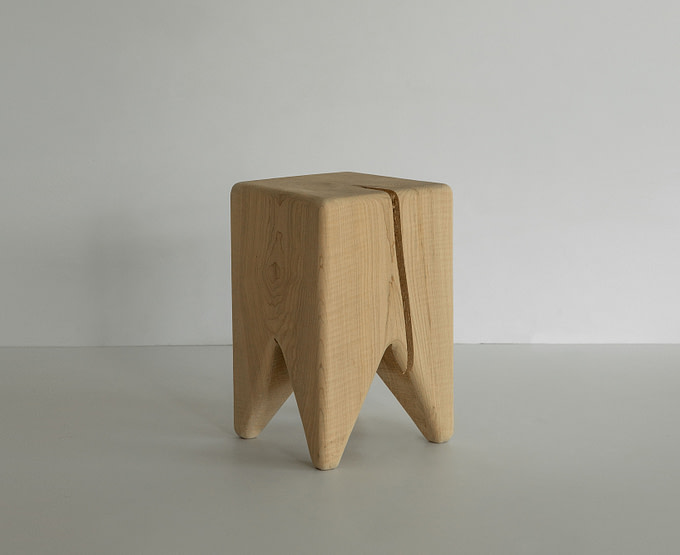
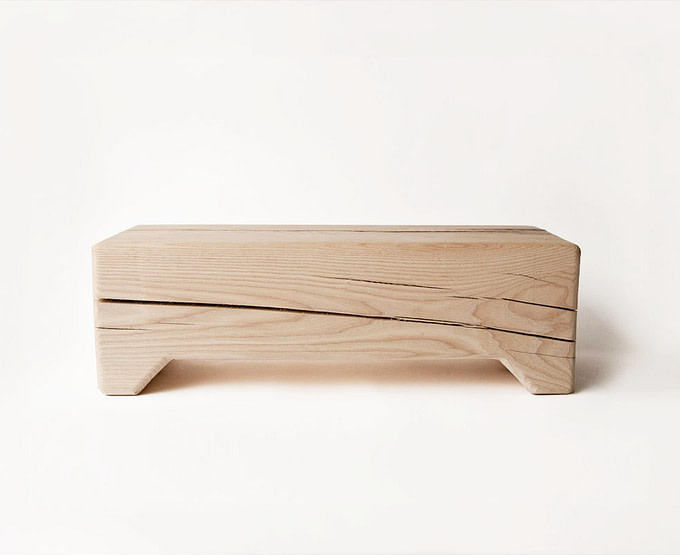
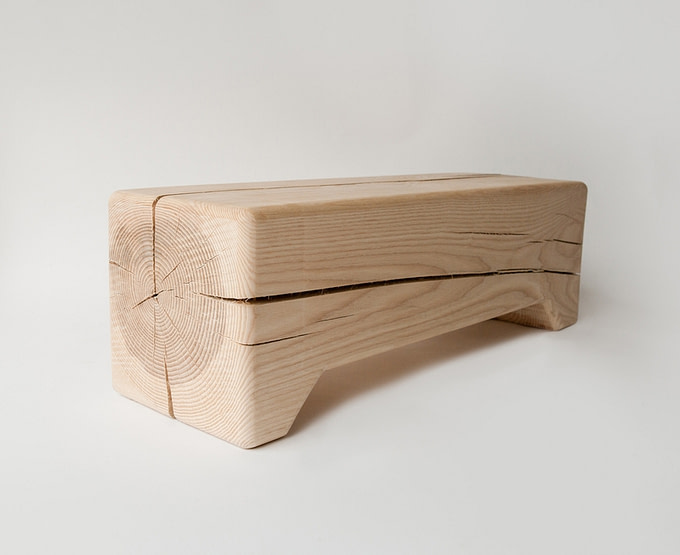
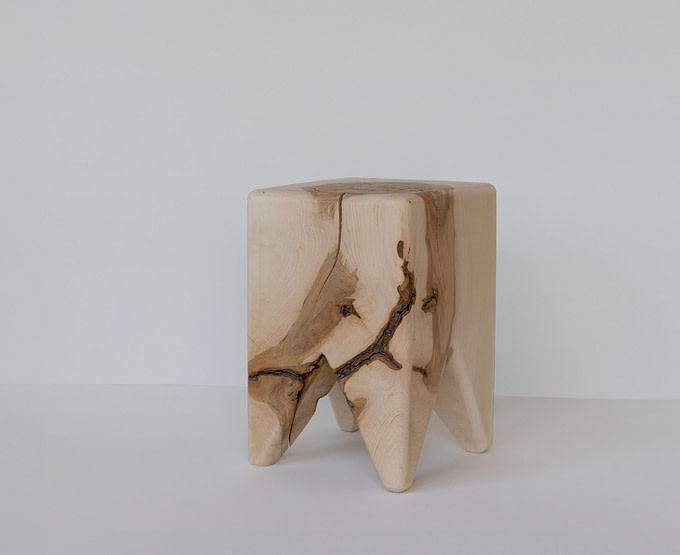
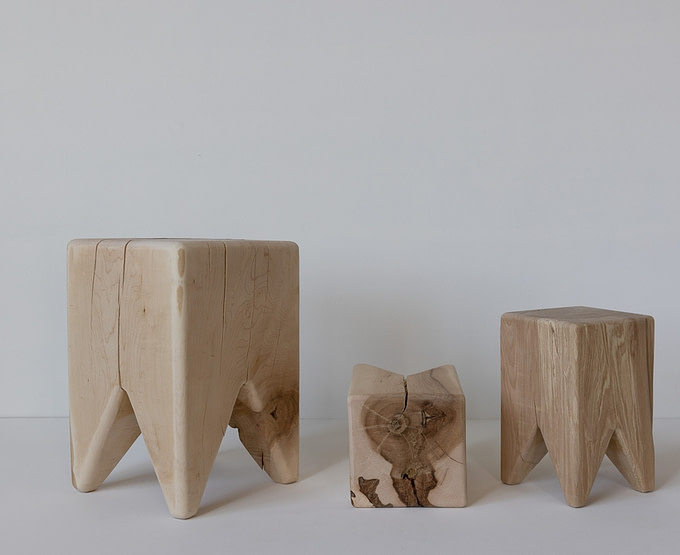
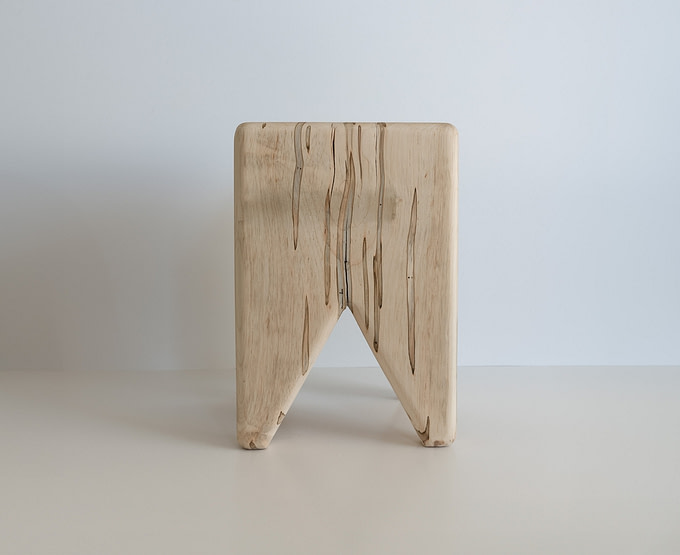
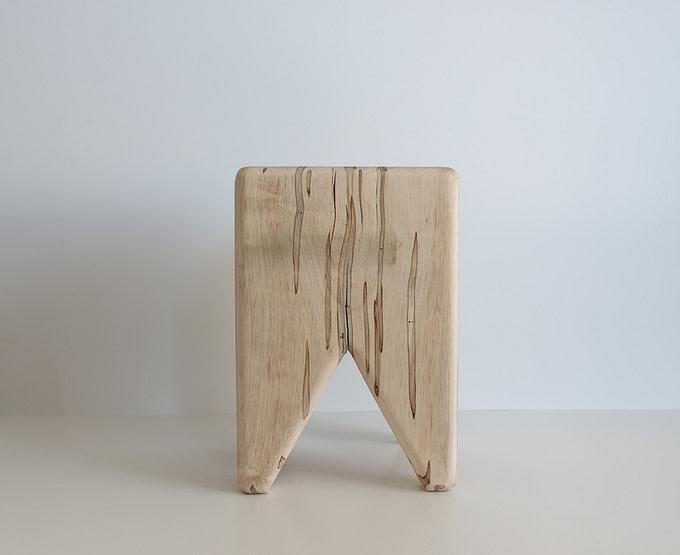
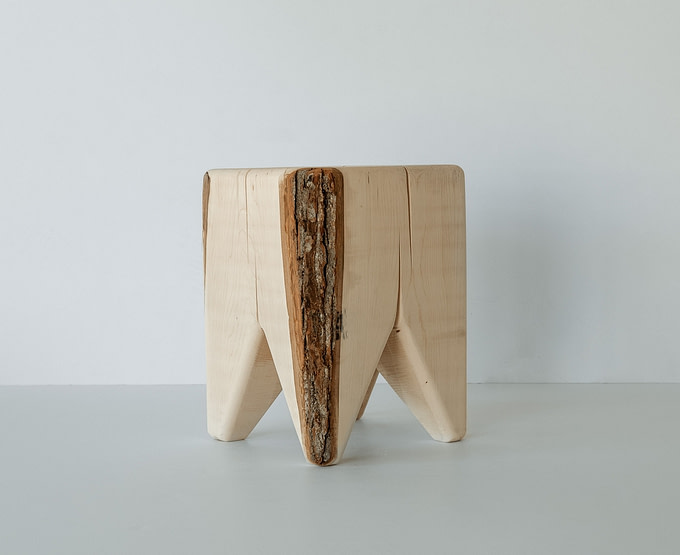
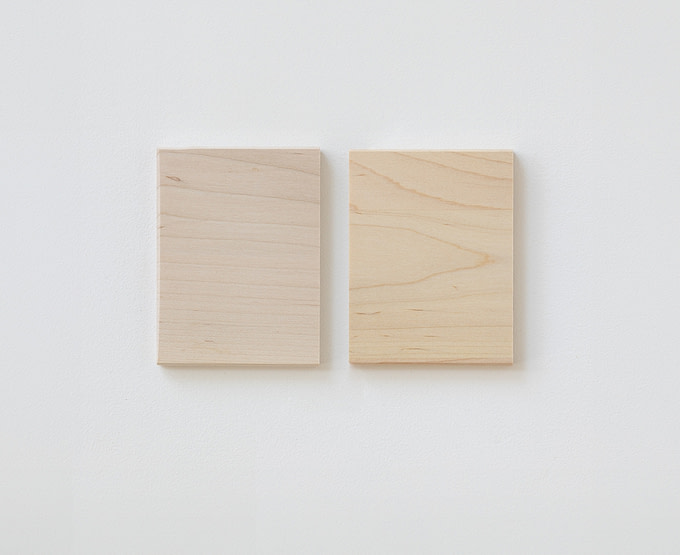
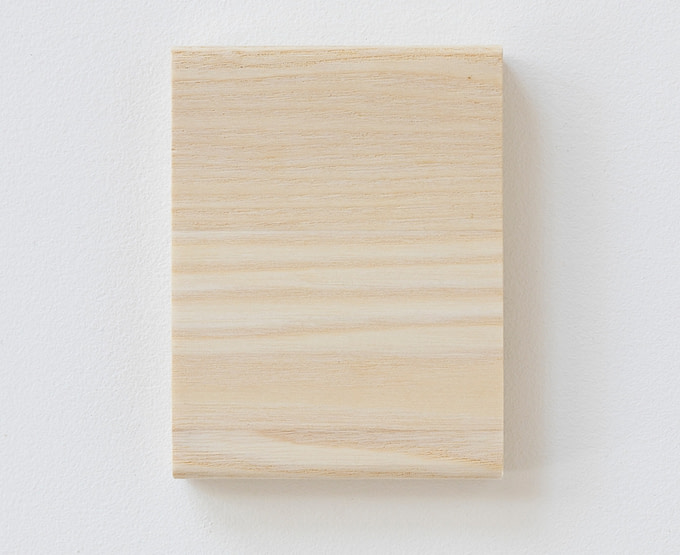
The launch of our expanded Bough Collection prompted a return to some of the references that shaped its development. To support substantial slabs of wood atop slender, sculptural legs, the joinery carried extraordinary weight. We looked again to Japan’s Sashimono tradition, where furniture is made without nails or screws — relying instead on intricate wooden joints carved with simple tools. These interlocking geometries create forms that are both exceptionally strong and visually precise. The Art of Japanese Joinery explores the history and evolution of Japanese carpentry, and shares page upon page of ornate joint styles— from scarf joints to lap joints, and many variations in between — selected from the several hundred known today. The book offers a deep understanding of proportion, structure, and the logic of wood itself.
“Because Japan was heavily forested, the architecture she developed contrasts sharply with that favored in many other areas of the world. In Europe and China, for example, where both stone and good clay for brick making were abundant, the mason’s art developed and flourished. But the volcanic soil of Japan and other Pacific islands, which offered few materials to tempt a mason, yielded a seemingly endless supply of trees and other plants suited to ad different type of construction… While the most highly developed mason’s art is to be found in Europe, Japan undoubtedly enjoys the most advanced techniques of wood construction.”
“It is generally held that the beauty not only of architecture but of all things, both man-made and natural, derives from their proportions. In architecture the ancient Greeks, in particular, experimented with proportions, eventually establishing the Doric, Ionic, and Corinthian orders, based on highly developed ideal standards of proportion. In Japan, too, people experimented with architectural proportions and developed a kind of order, an ideal standard of proportion. This order is known as kiwari, literally, “dividing wood,” but meaning “determined construction proportions.” Kiwari eventually gave rise to a formalized system of prescribed design techniques known as kiwari justu, or the art of determining construction proportions.”
We hope you’ll consider supporting local, independent bookstores. You can purchase The Art of Japanese Joinery at Tortoise General Store.
If you enjoyed this, consider subscribing to Matter & Meaning — our monthly digest of culture, design, and studio perspectives. [Subscribe →]