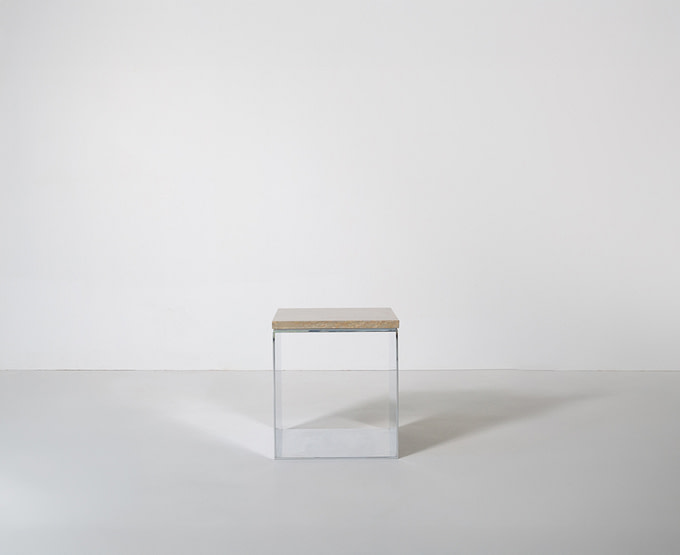
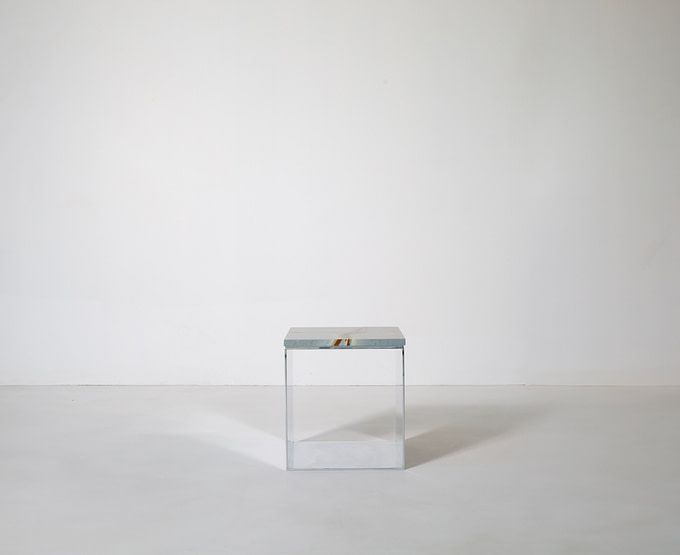
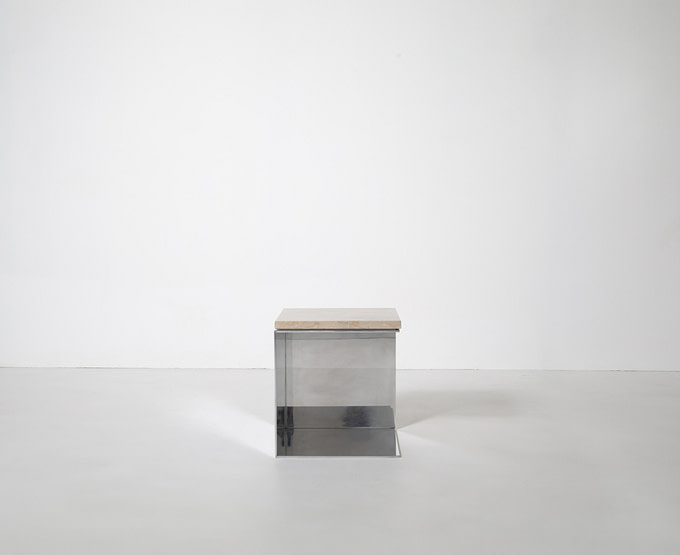
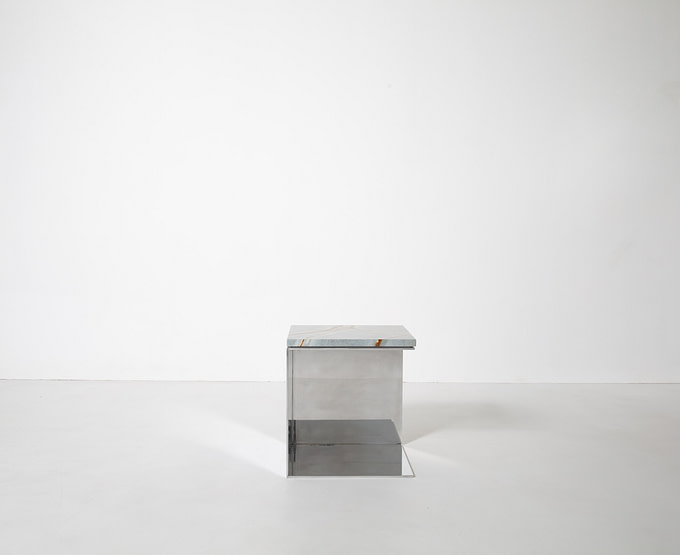
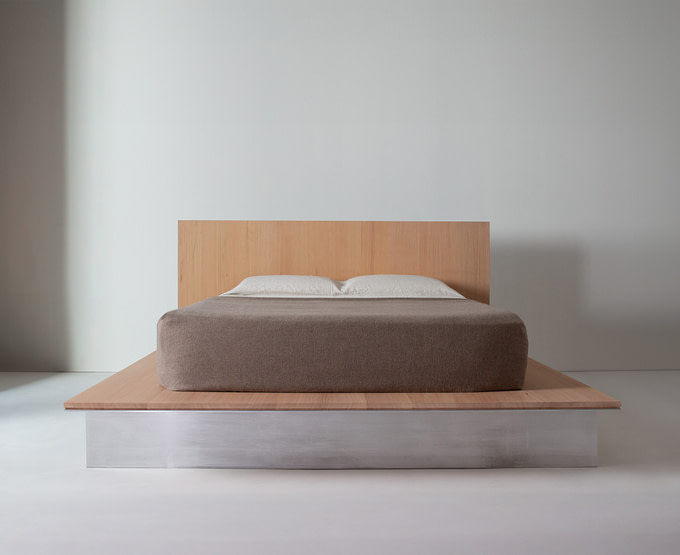
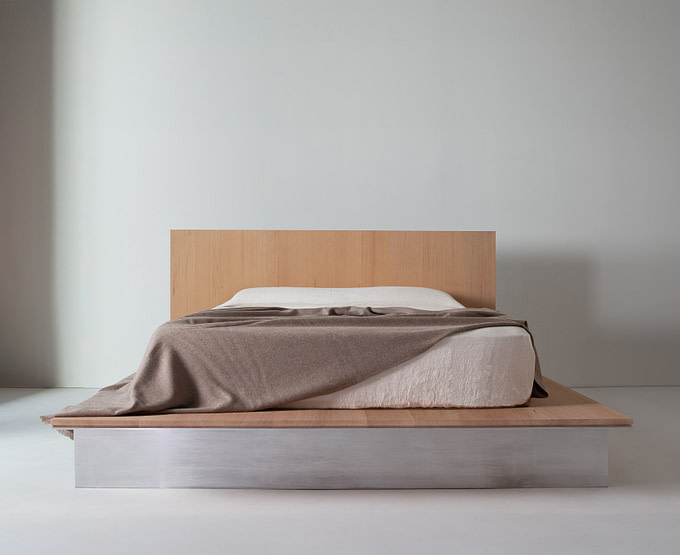
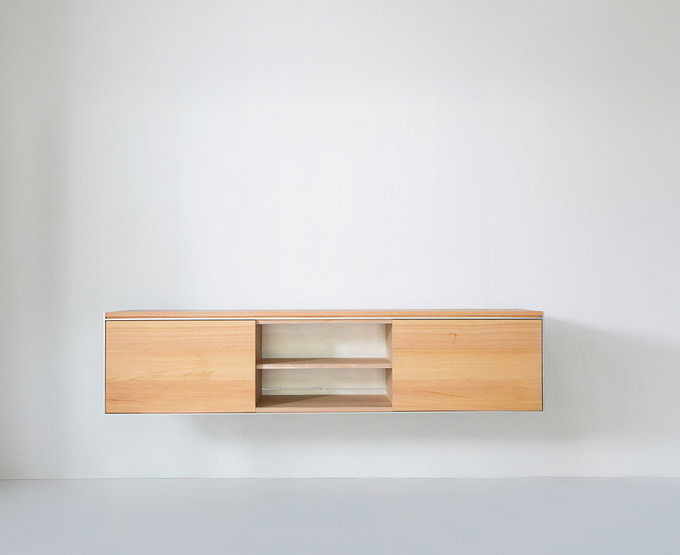
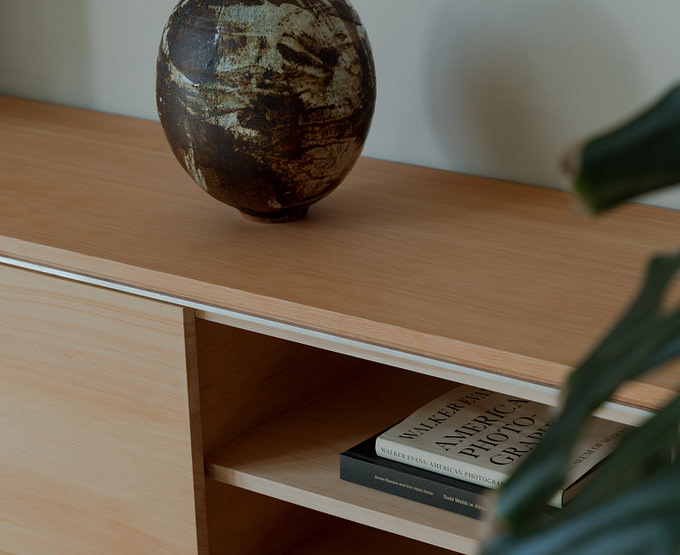
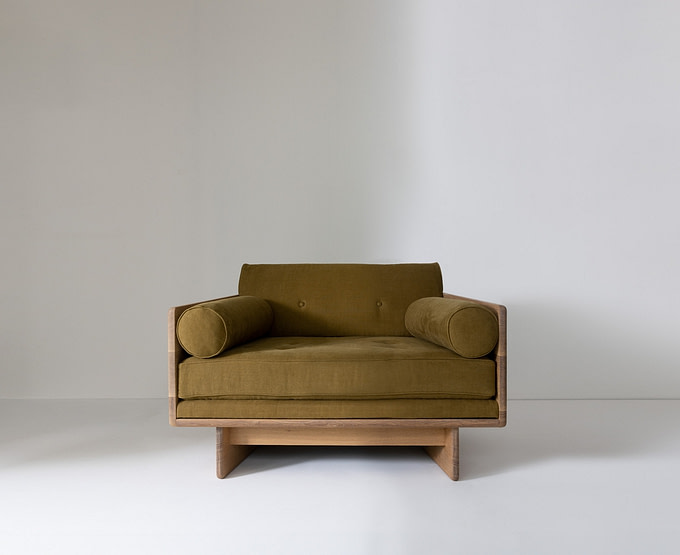
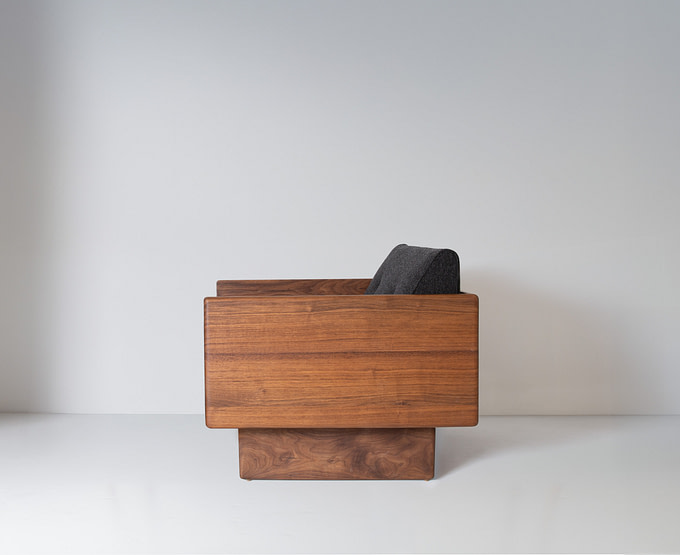
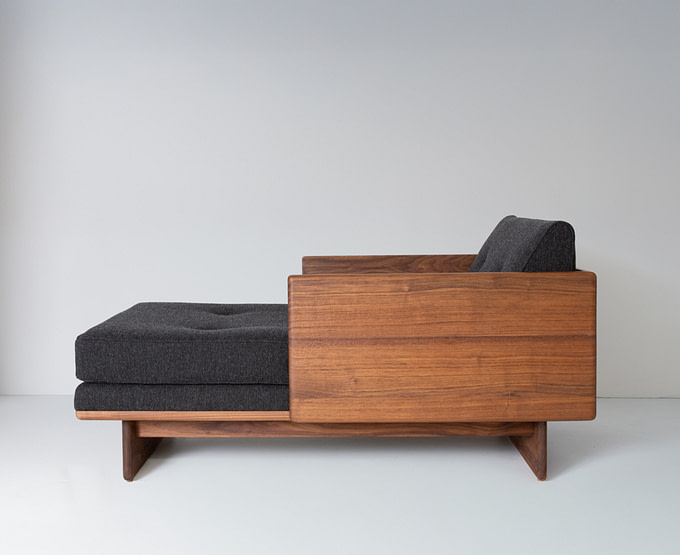
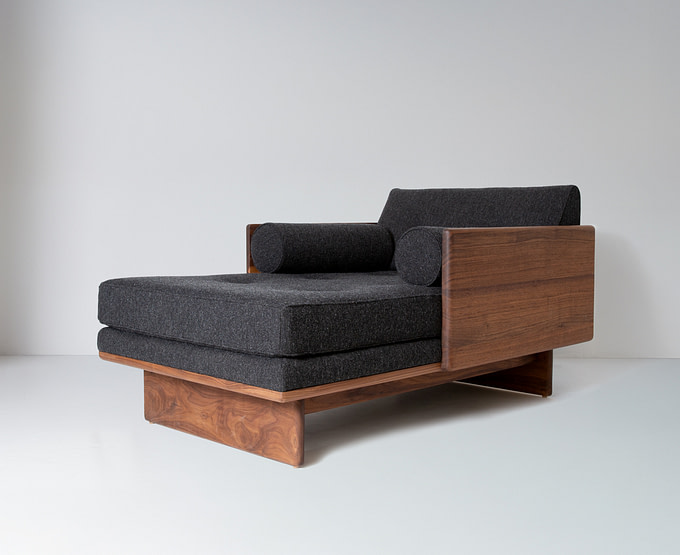
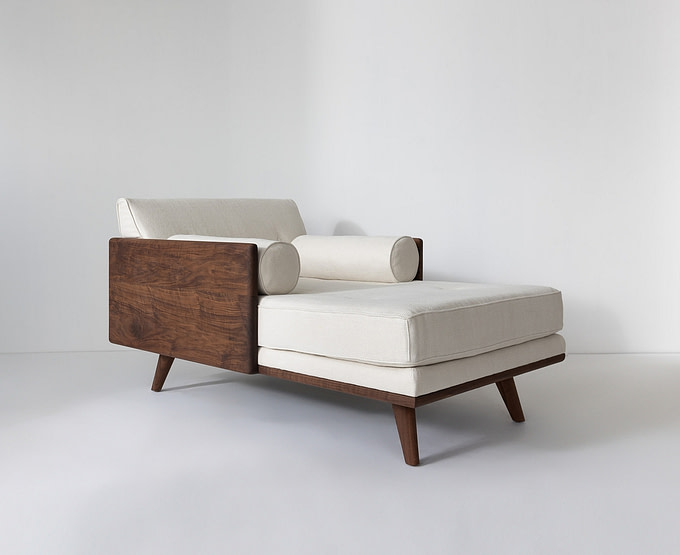
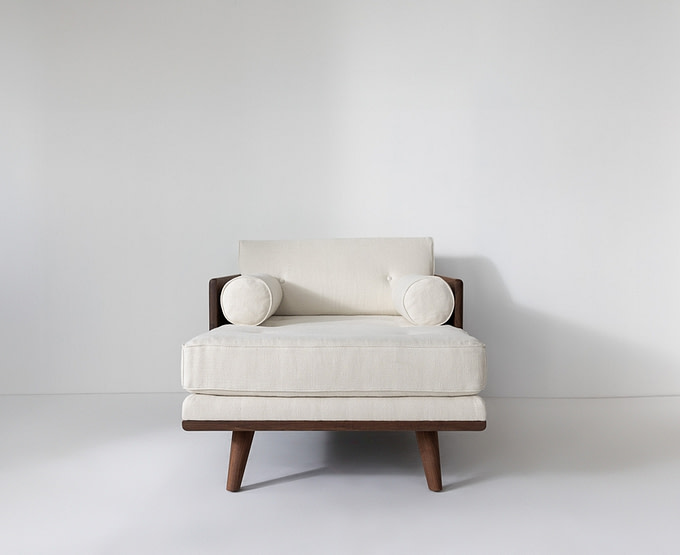
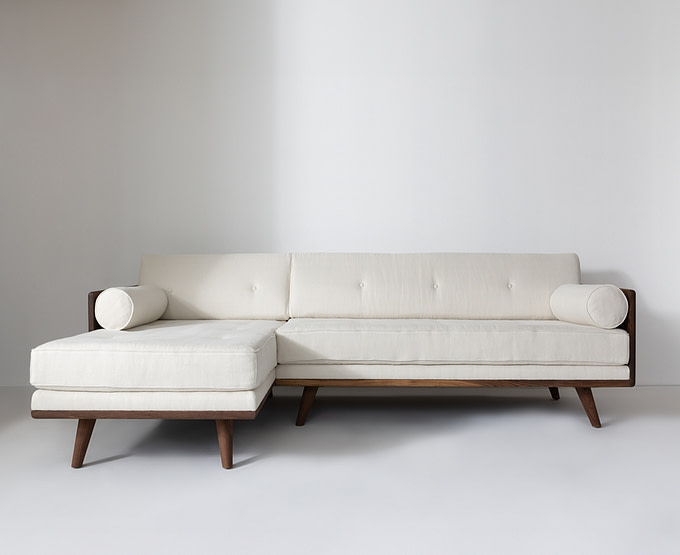
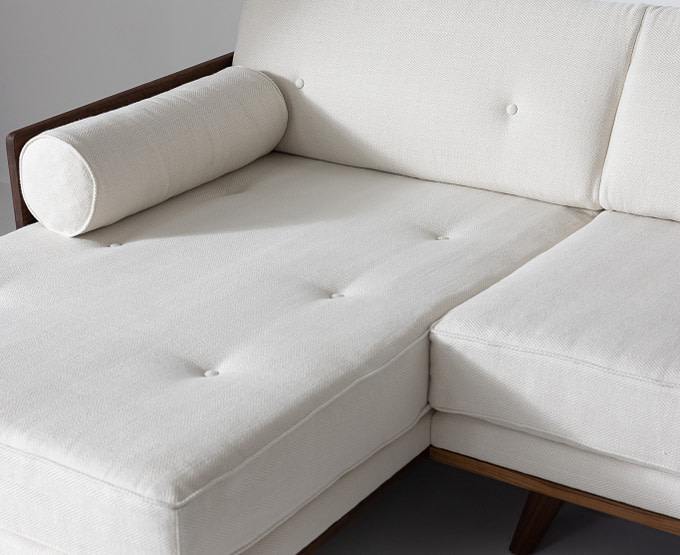
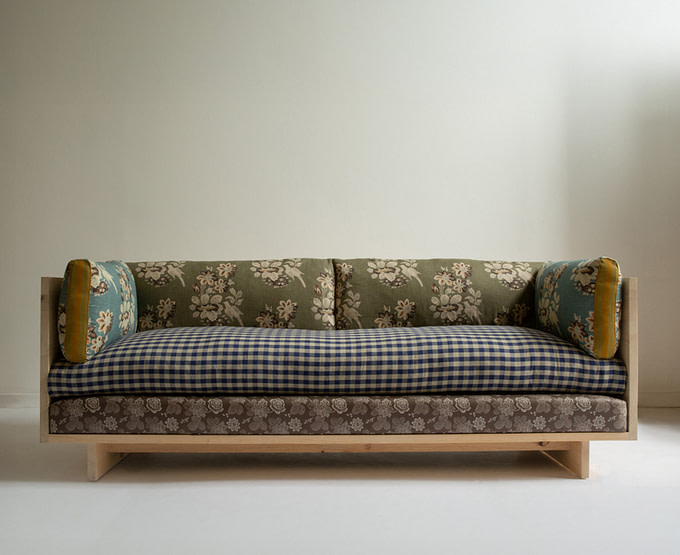
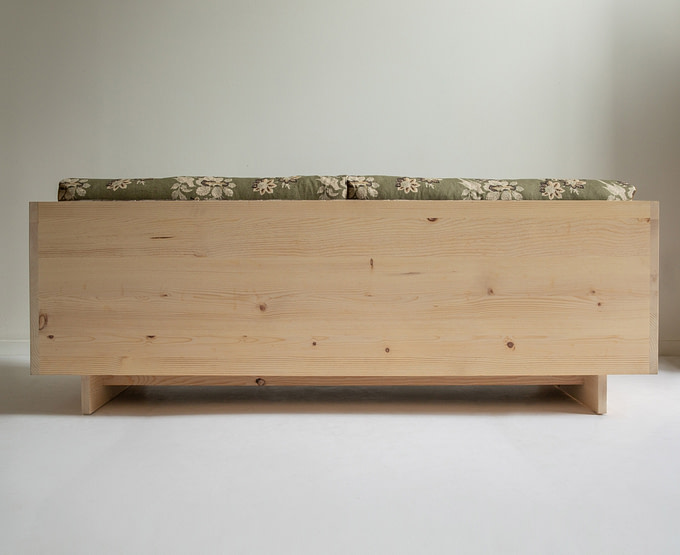
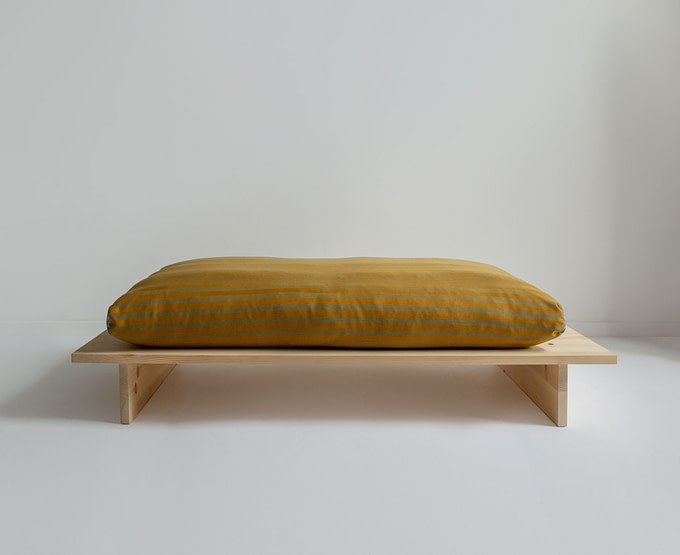
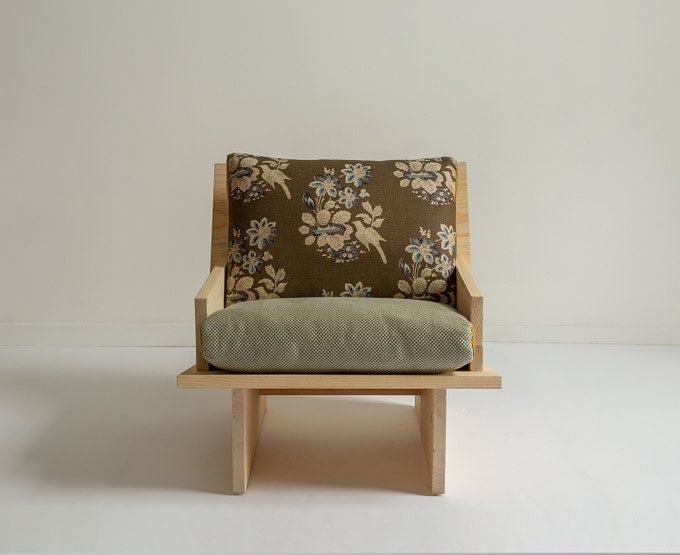
Materials With Integrity
Every Kalon piece begins with the material itself. From selection to method of production, each decision is guided by a commitment to clarity, longevity, and environmental responsibility.
We work primarily with natural materials, embracing their inherent variation, movement, and hue as integral to our designs. Each material is chosen not only for its structural qualities but for its ability to evolve — to gain depth, character, and patina through use. Aging is not a flaw to be controlled; it is a fundamental part of how we design.
Our standards prioritize materials that are renewable, biodegradable, and traceable. We avoid synthetic coatings, composite fillers, and chemical treatments, choosing finishes and processes that allow materials to remain open, breathable, and honest in their expression.
For deeper explorations of these ideas, visit our Journal for essays on the materials and processes behind our work, and our With Age Studies,which document how Kalon pieces change and develop over time.
Below is a list of the materials we use and the principles that guide their selection.


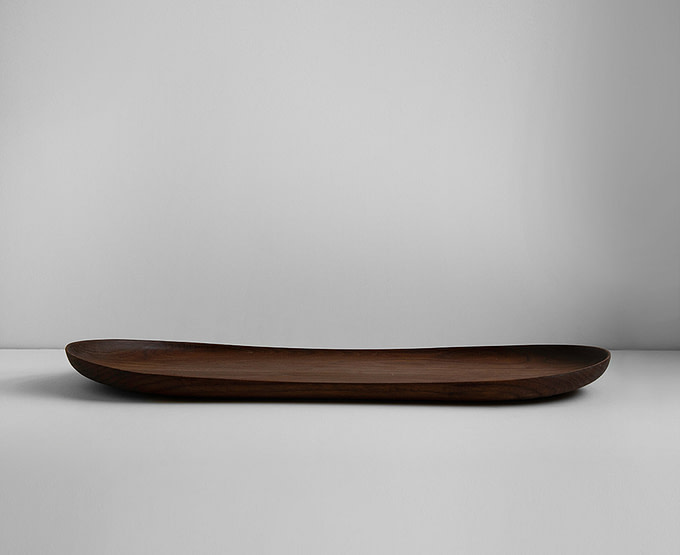
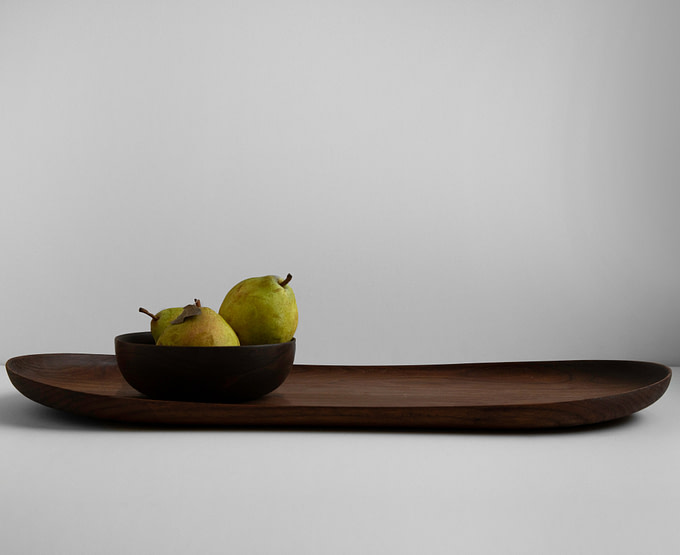
Wood
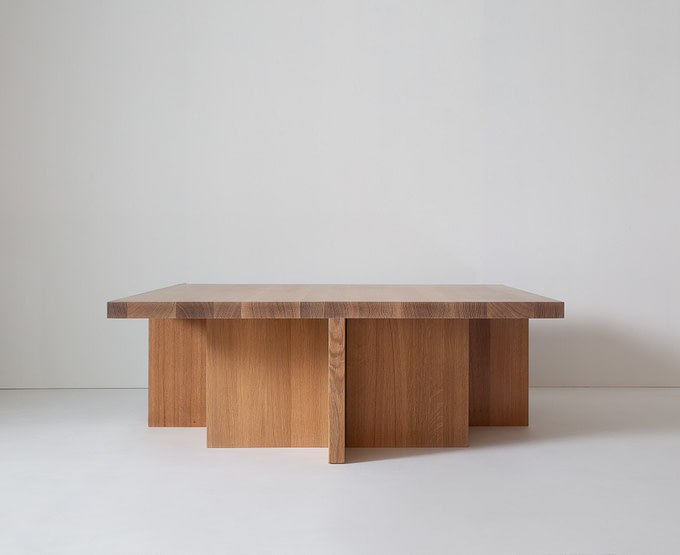
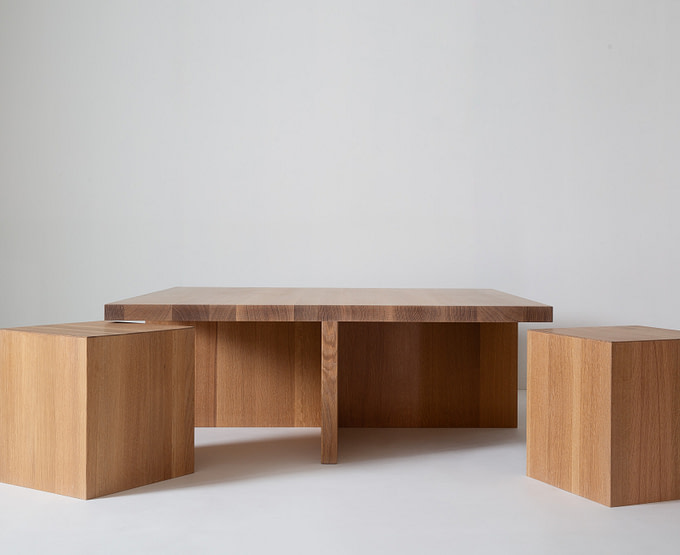
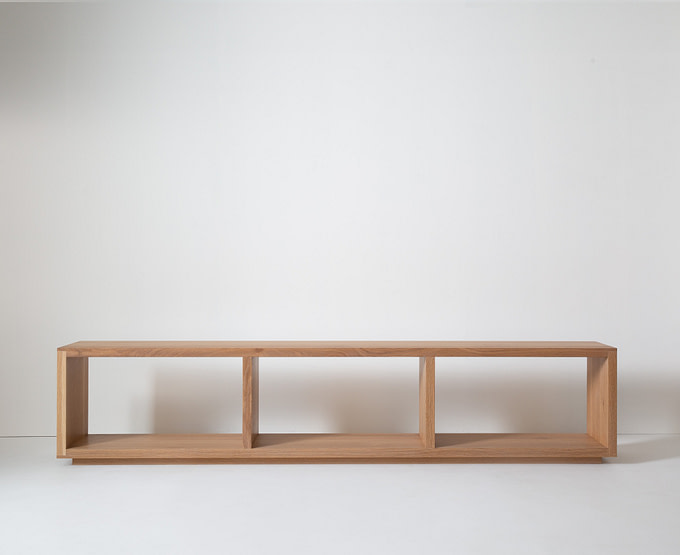
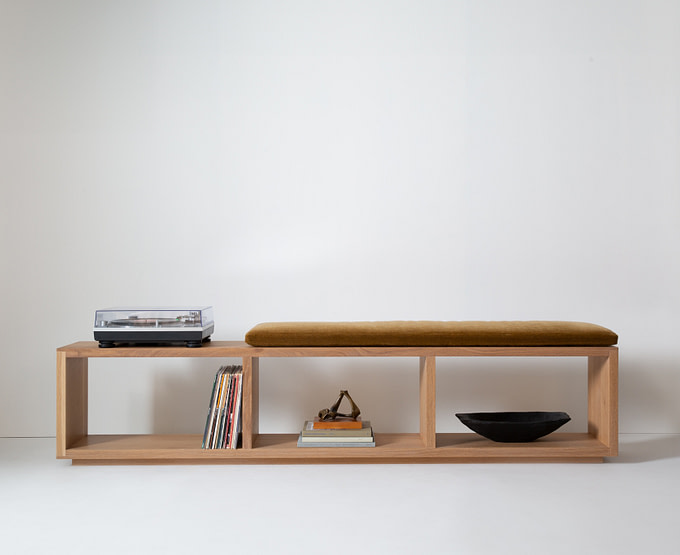
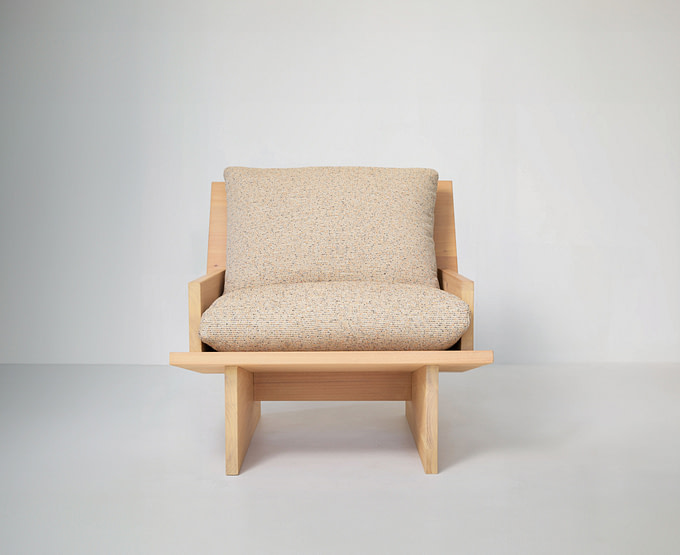
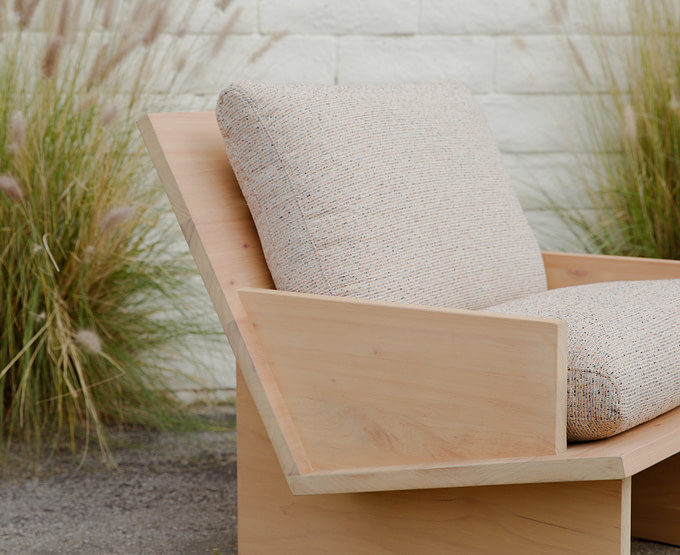
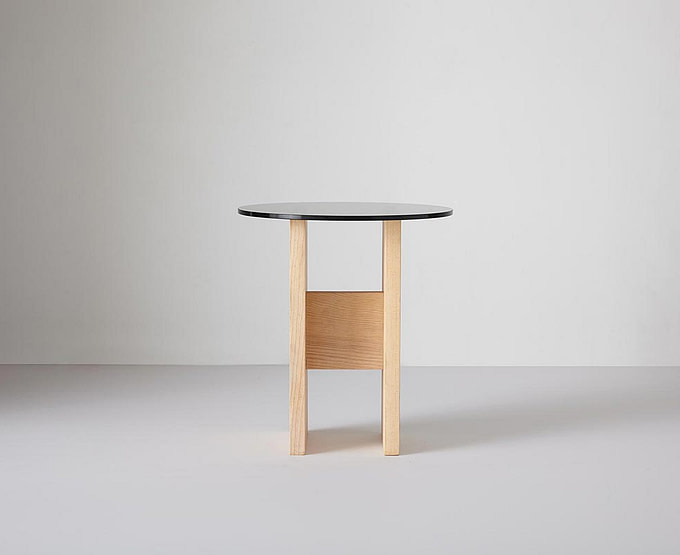
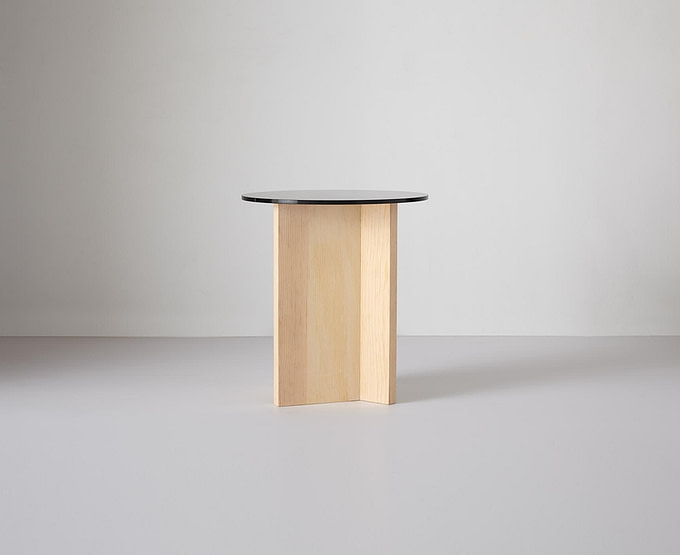
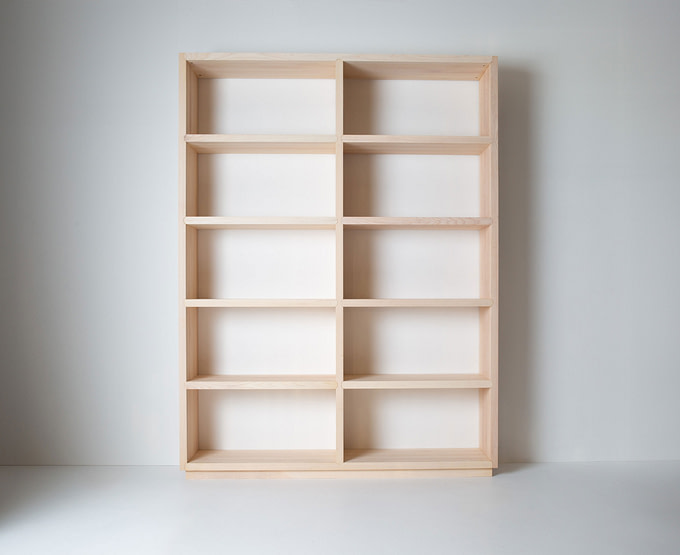
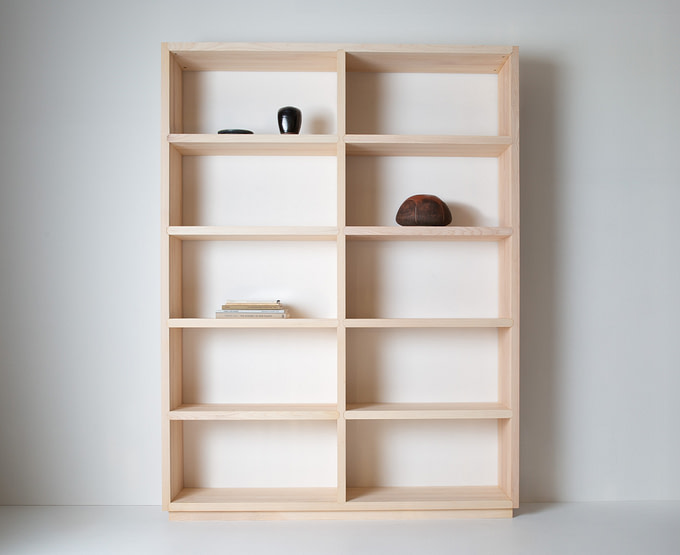
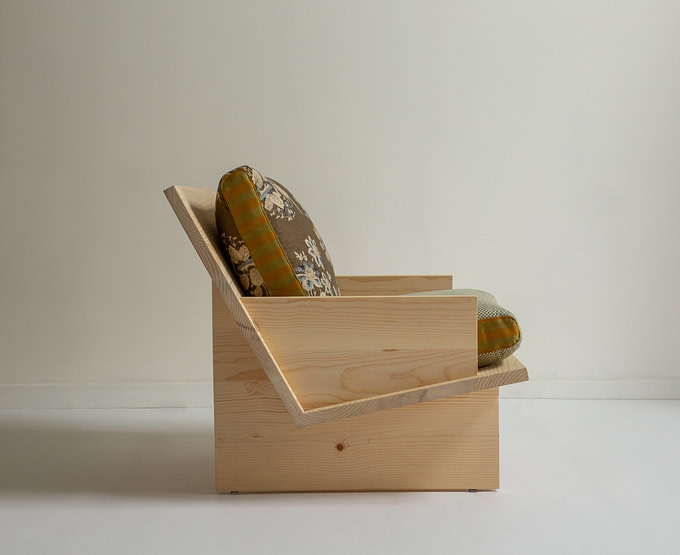
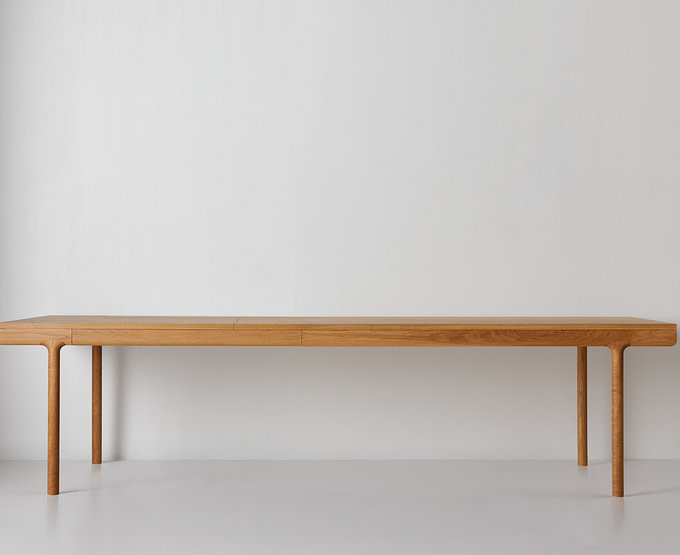
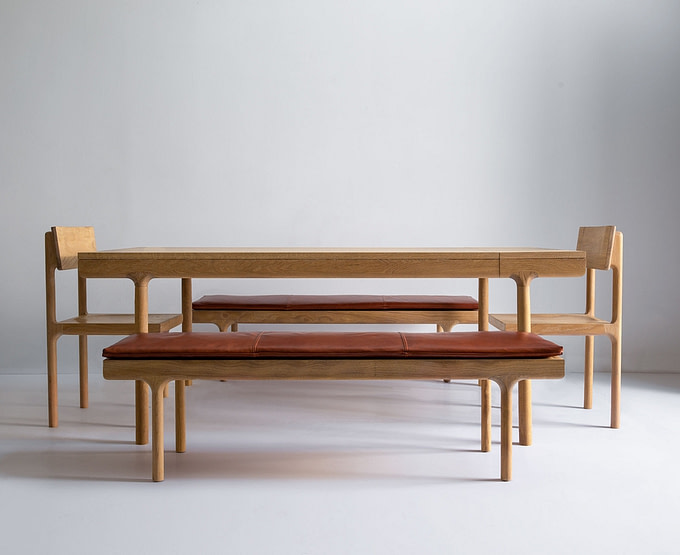
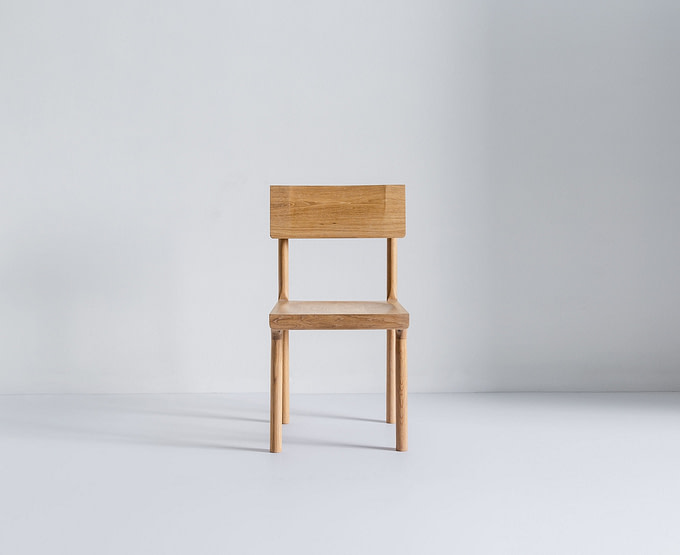
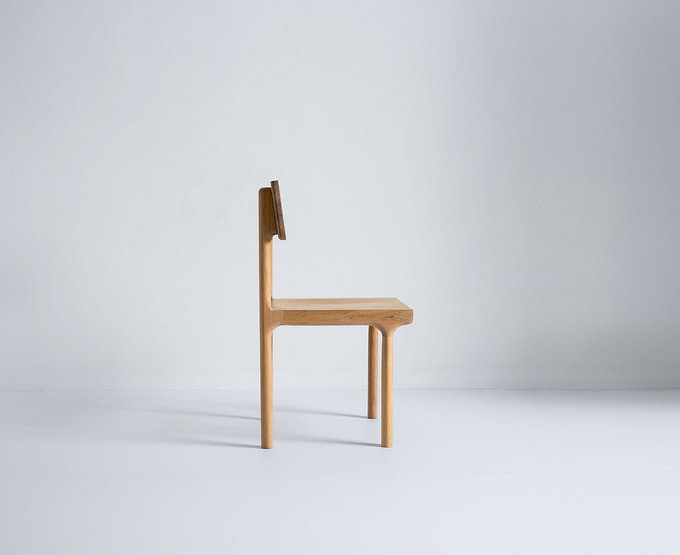
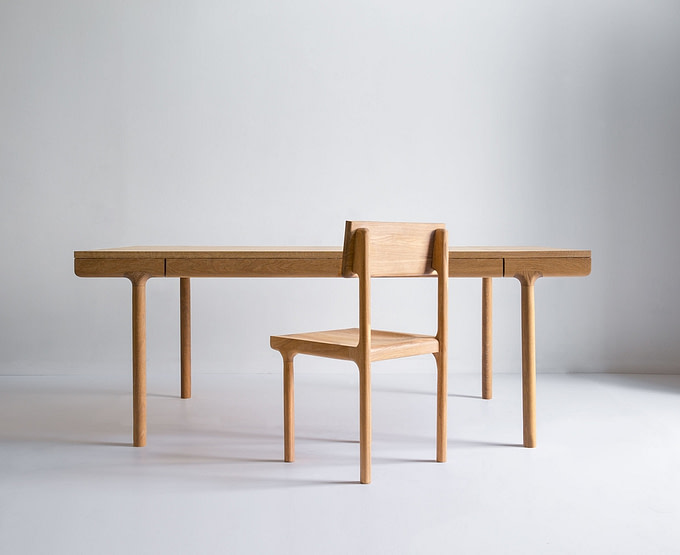
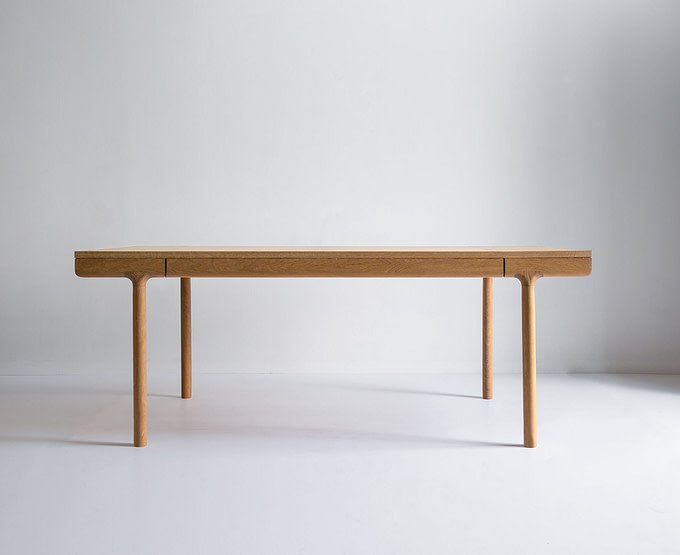
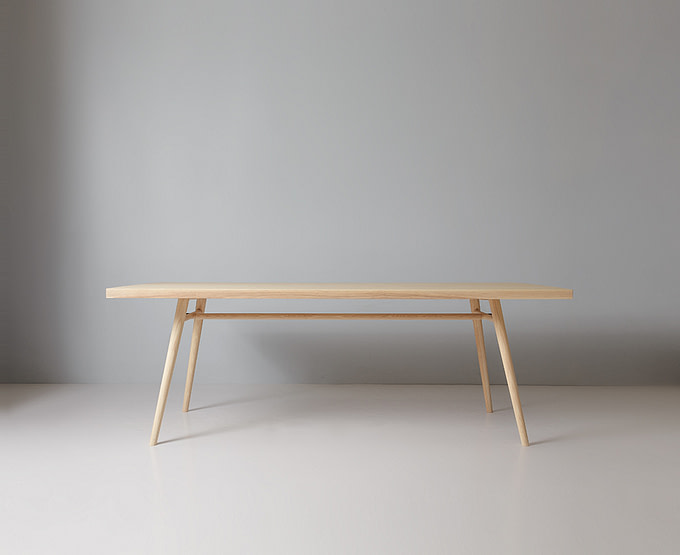
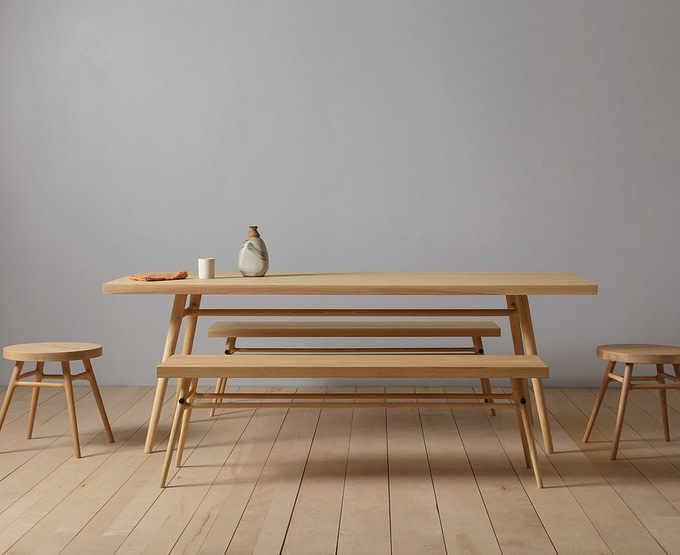
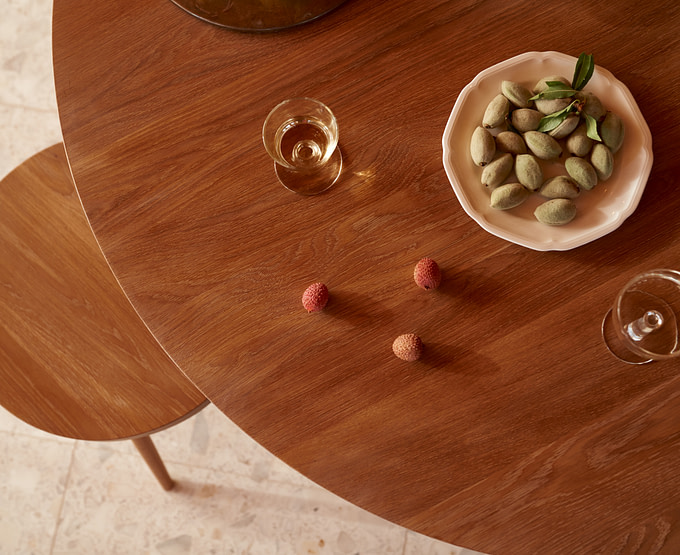
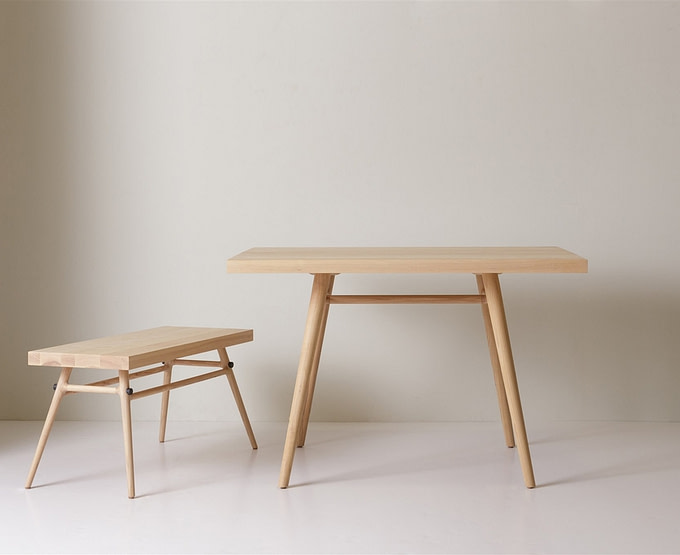
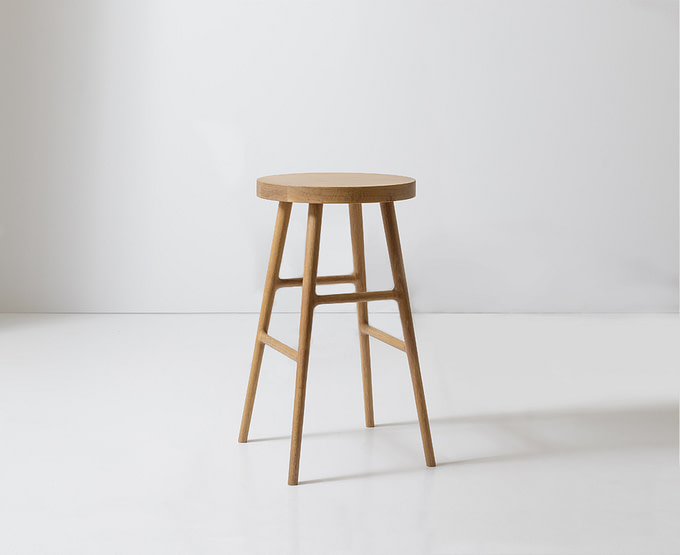
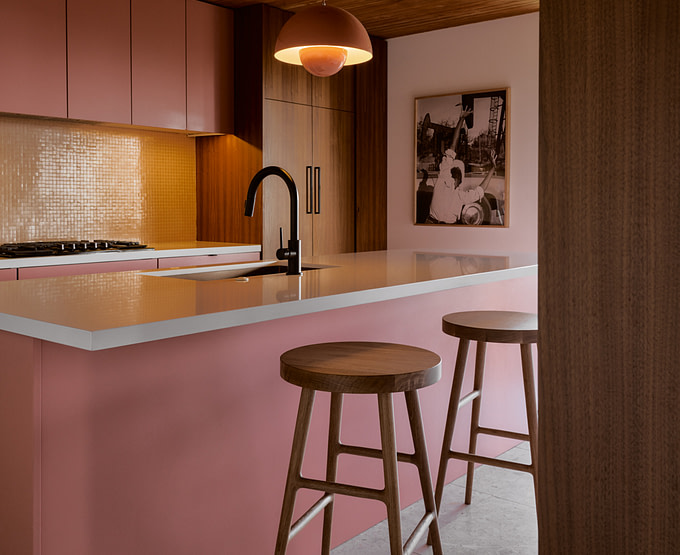
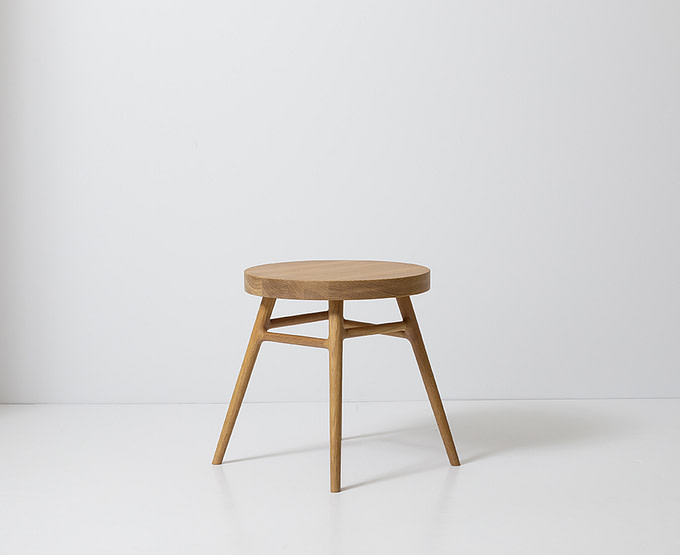
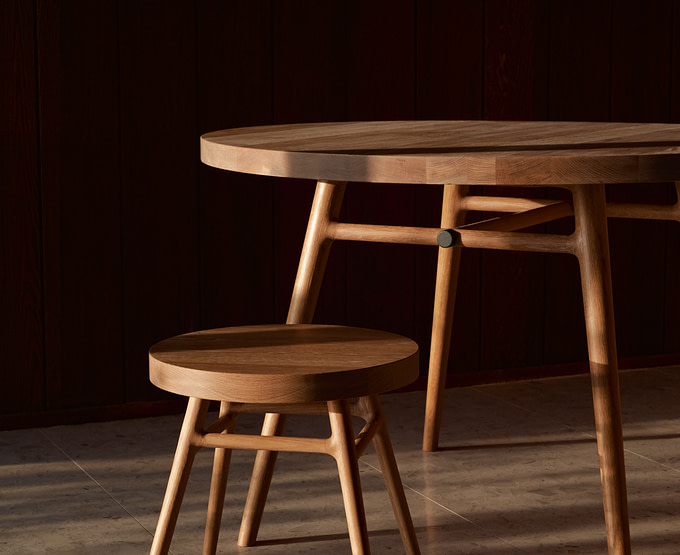
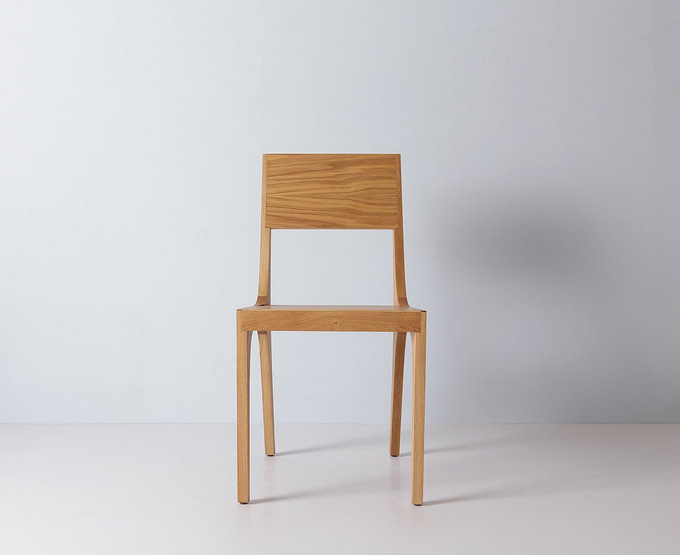
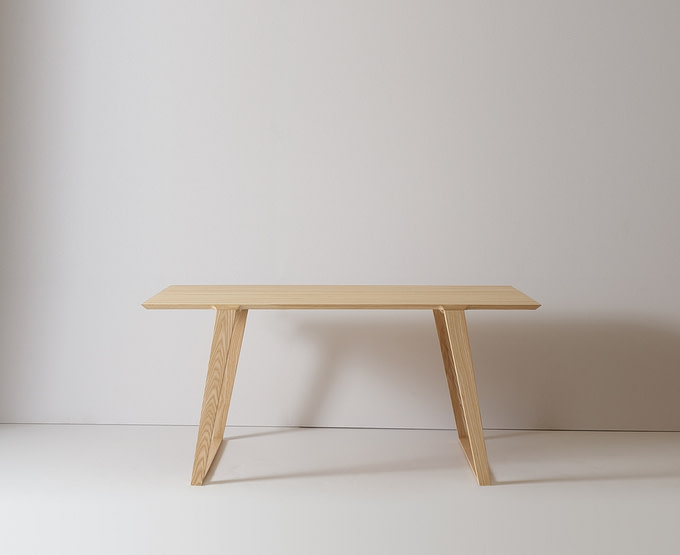
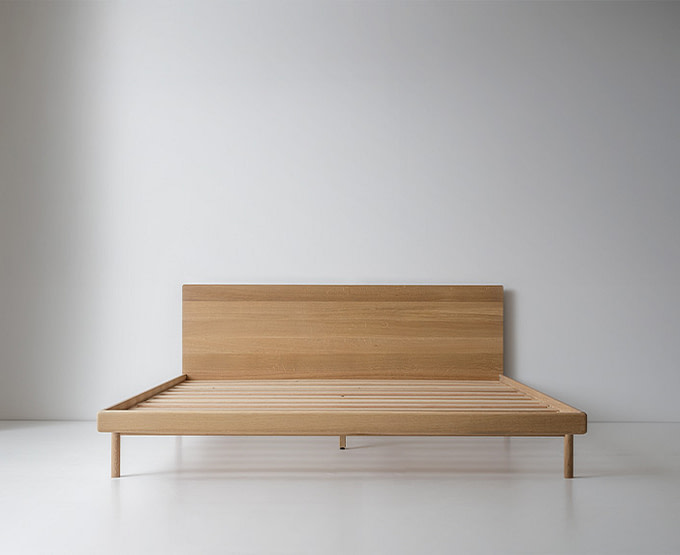
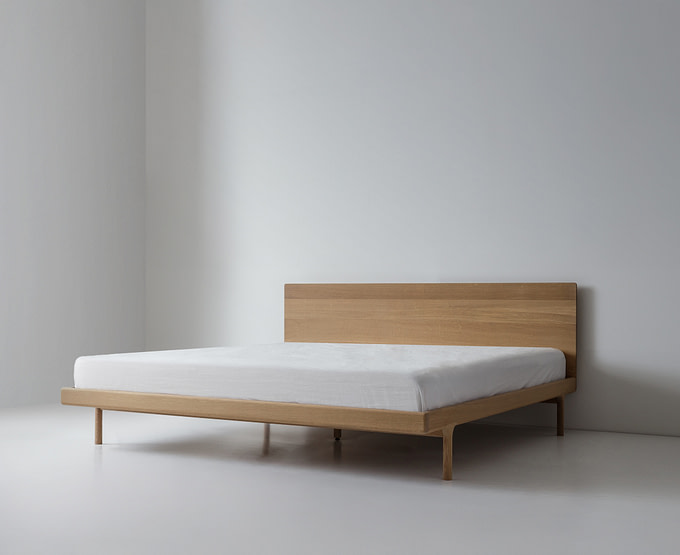
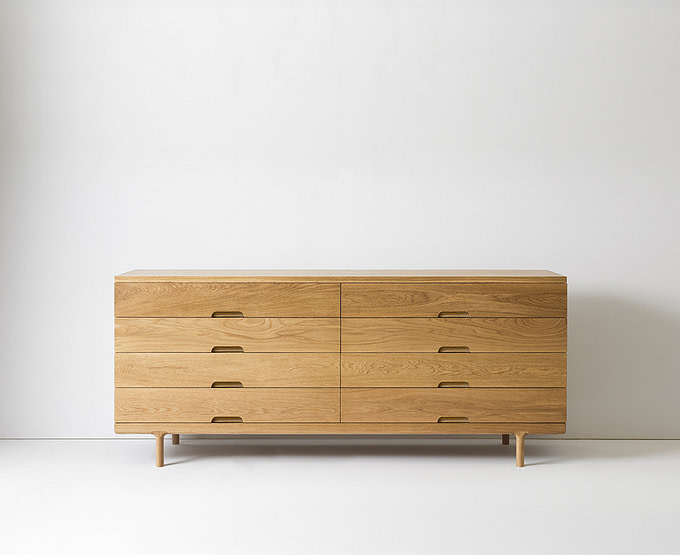
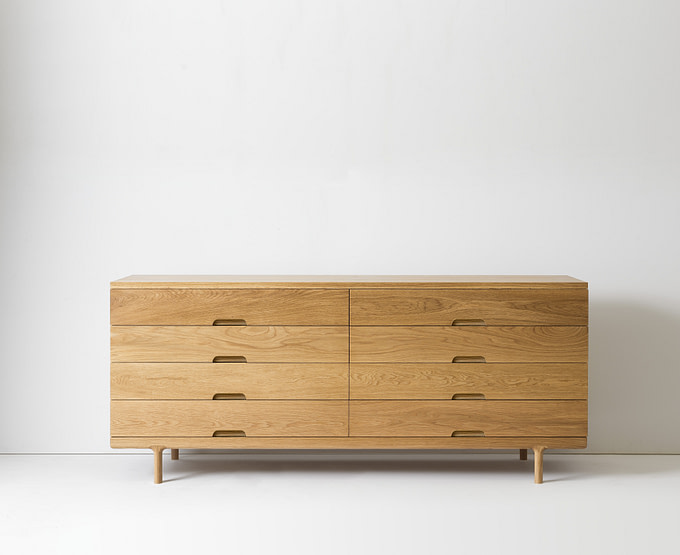
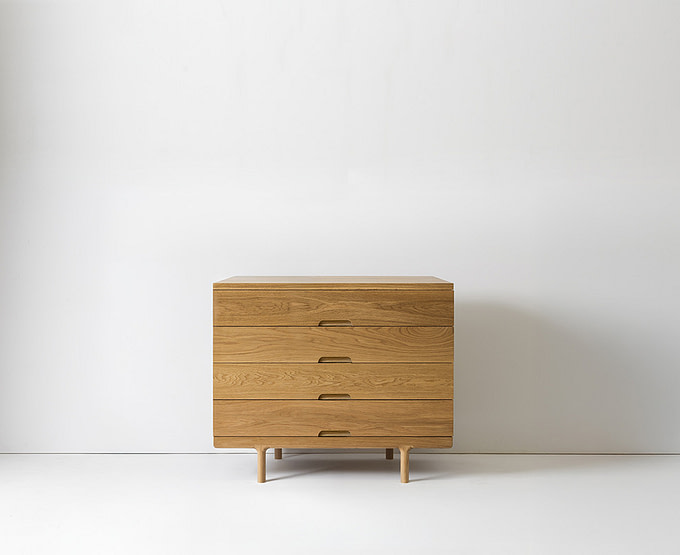
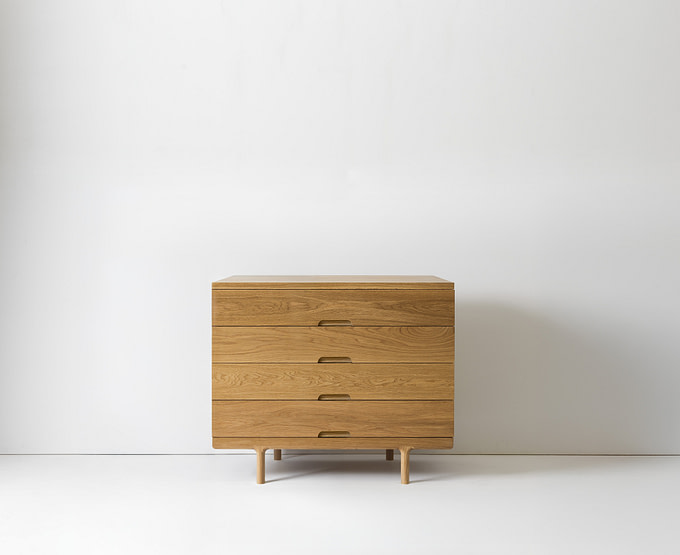
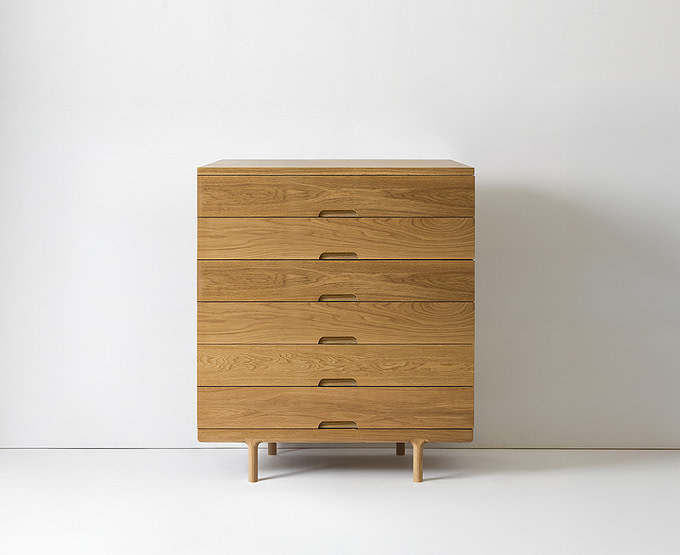
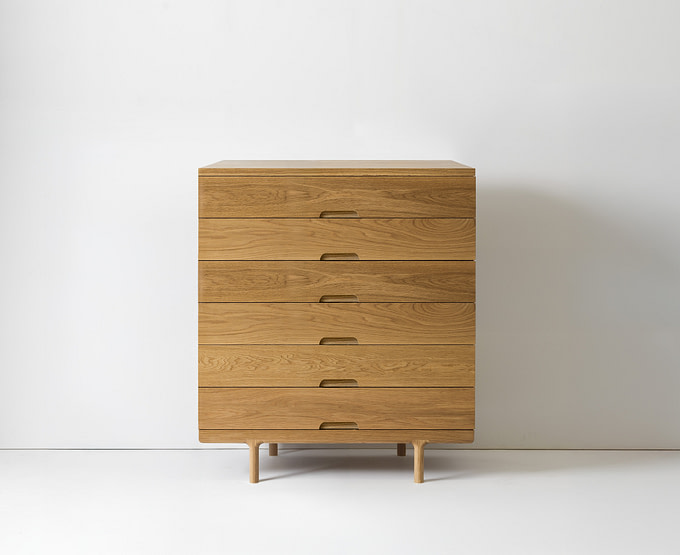
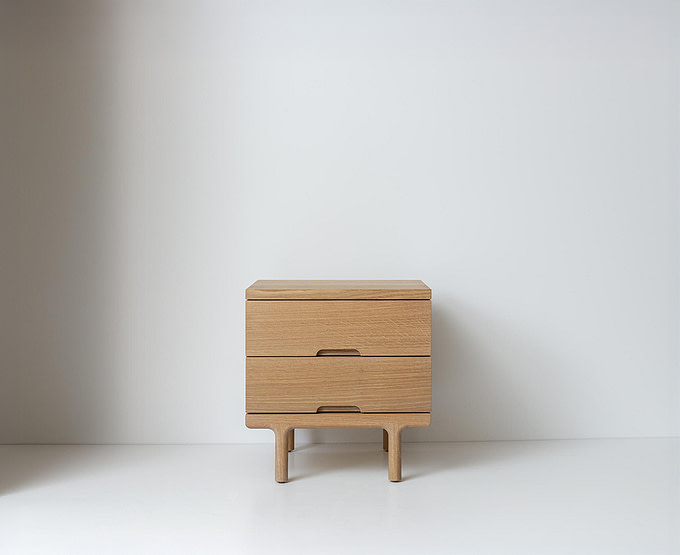
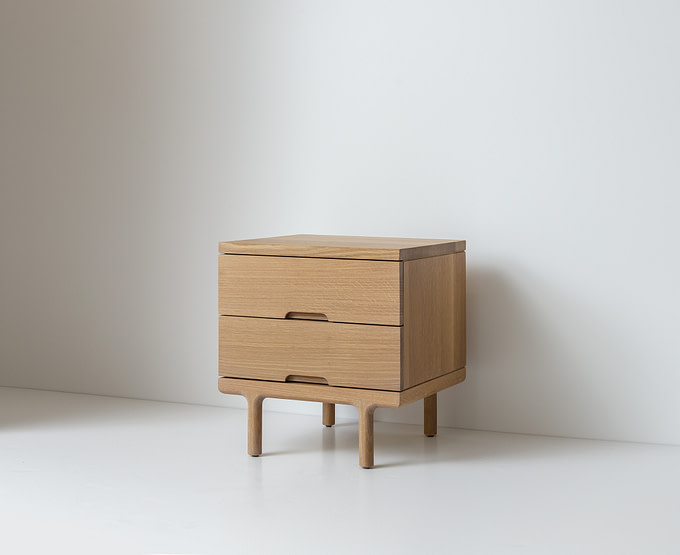
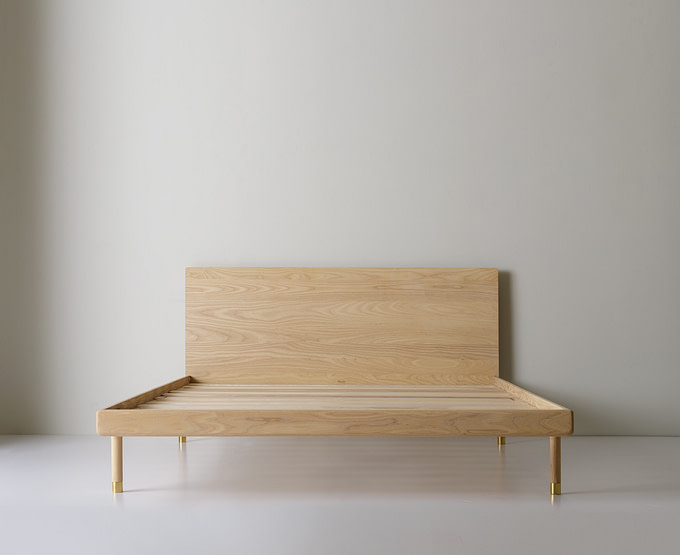
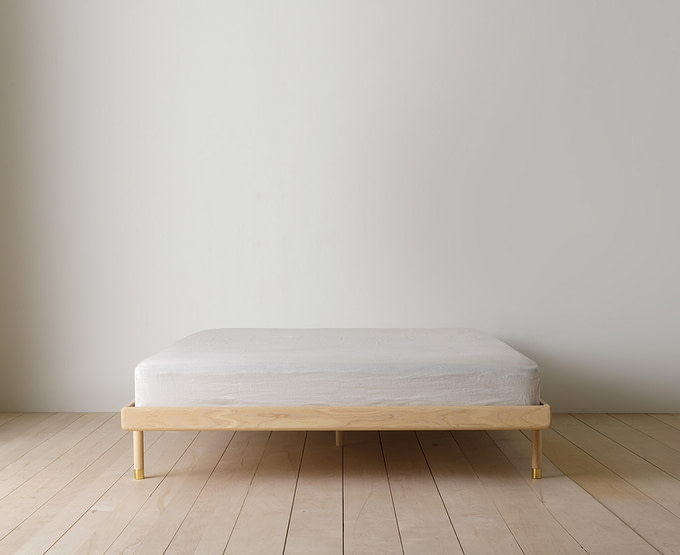
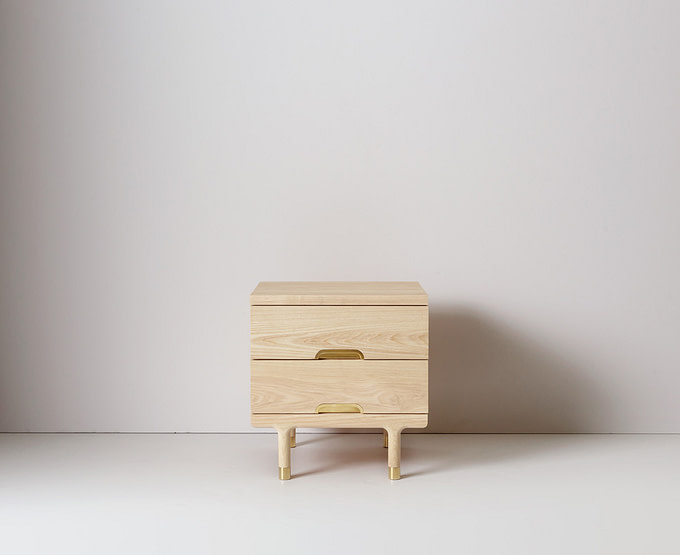
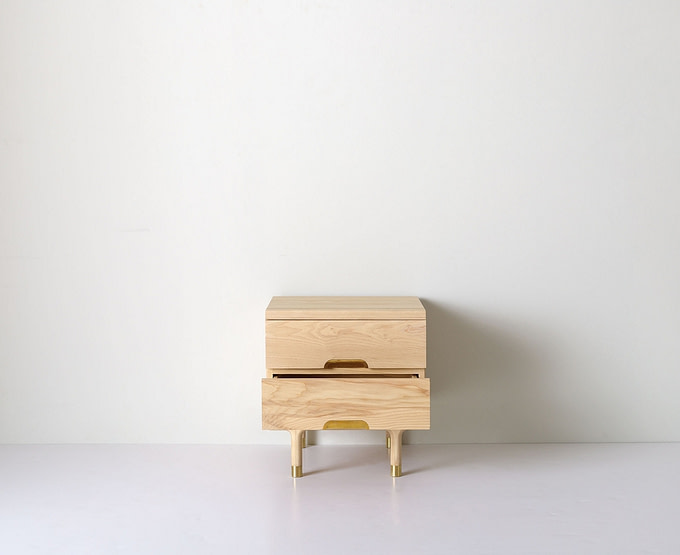
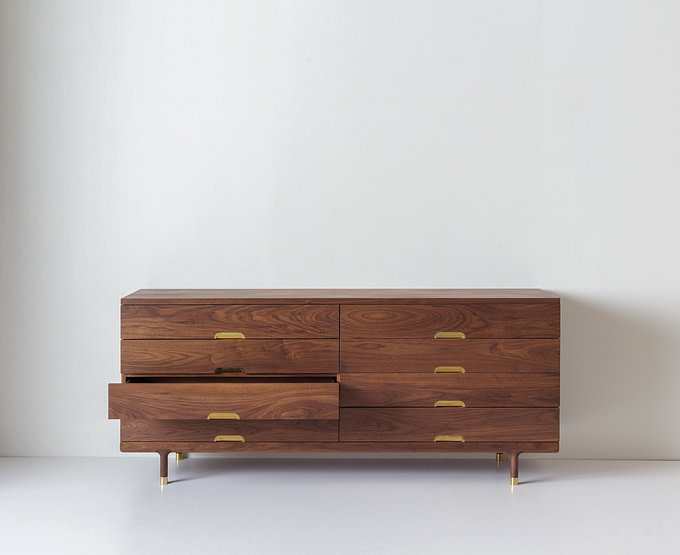
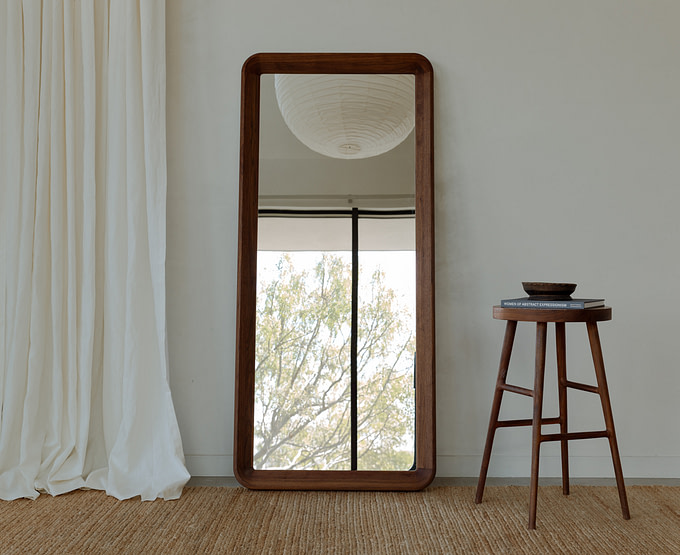
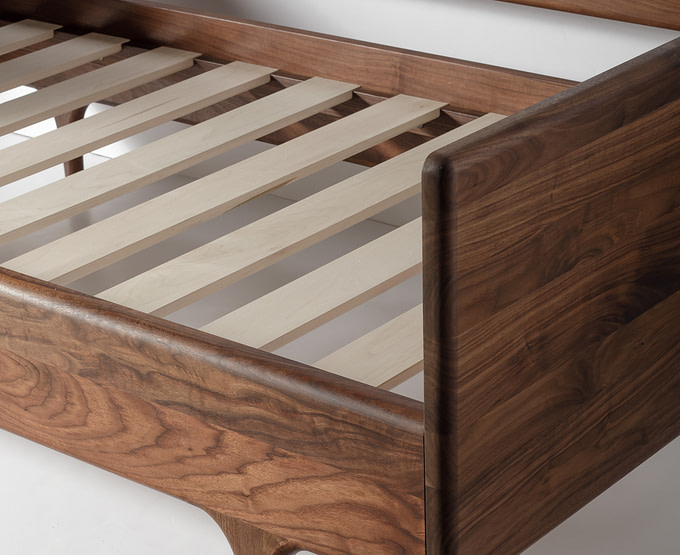
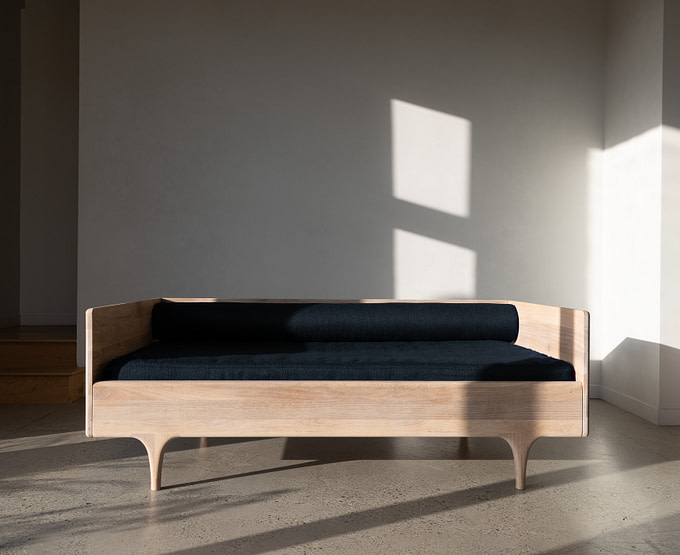
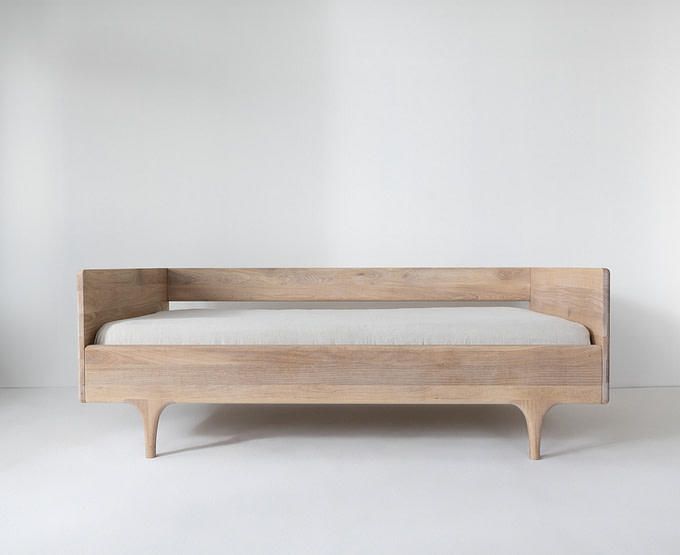
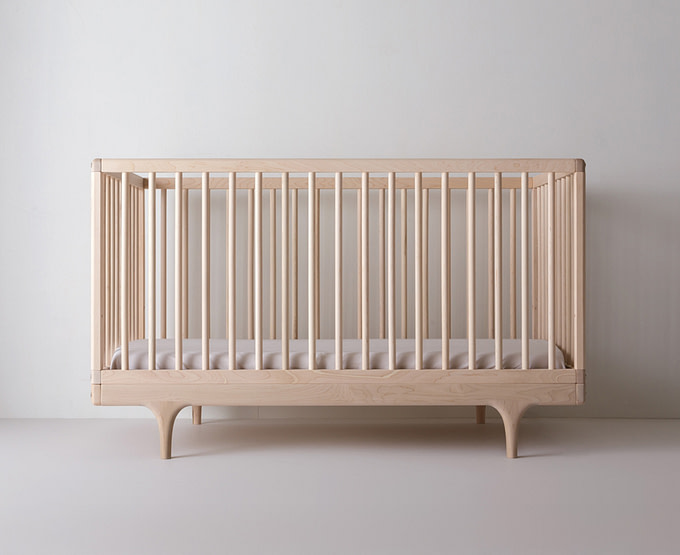
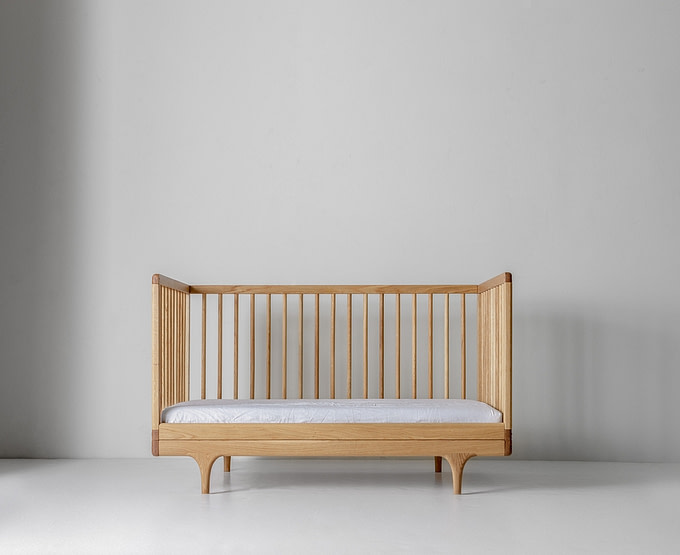
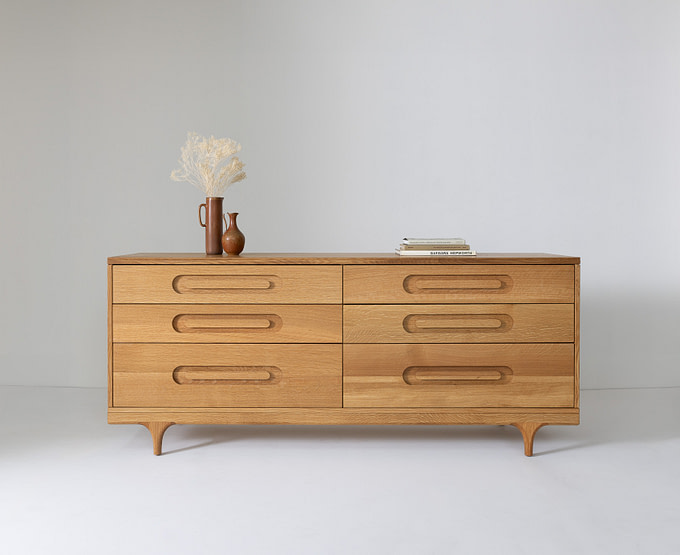
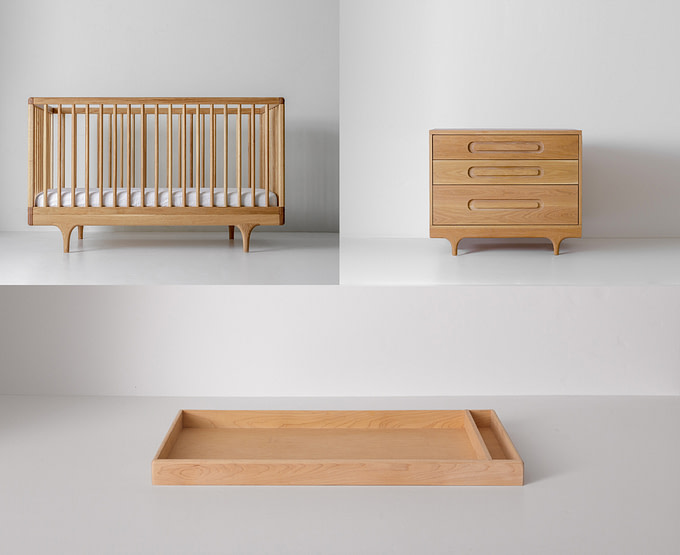
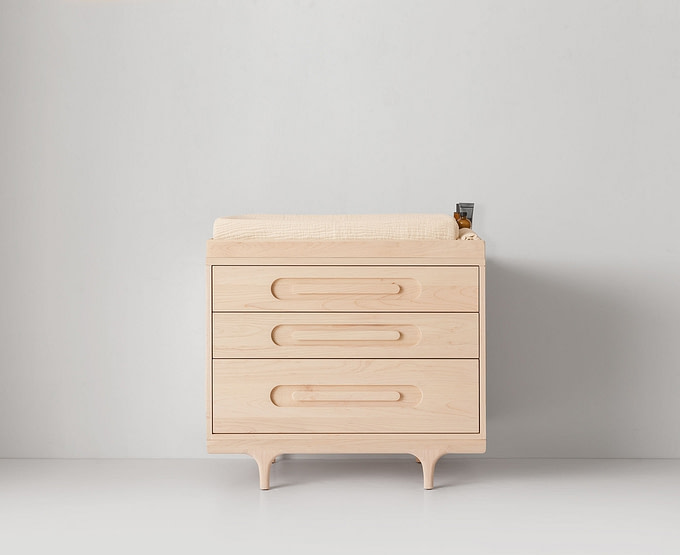
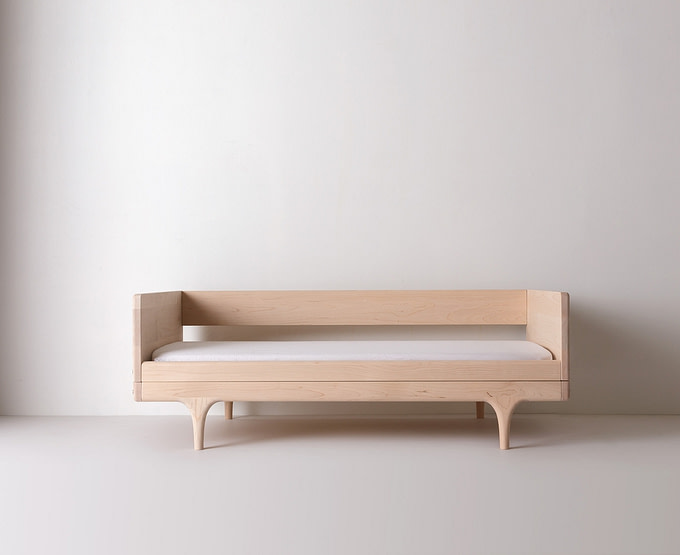
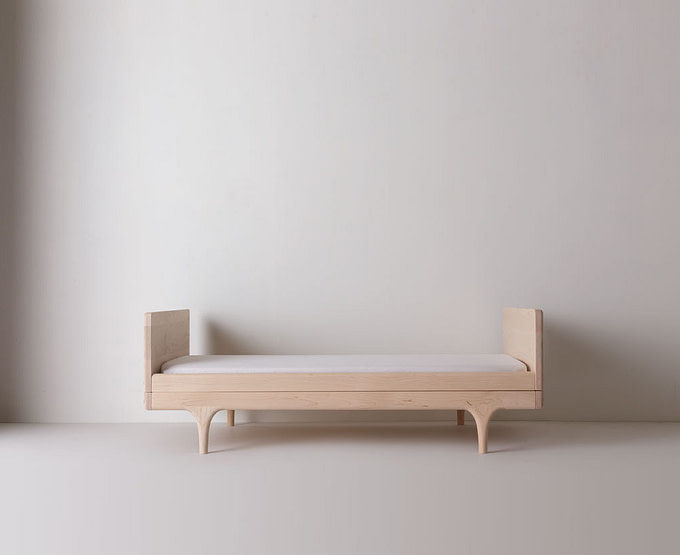
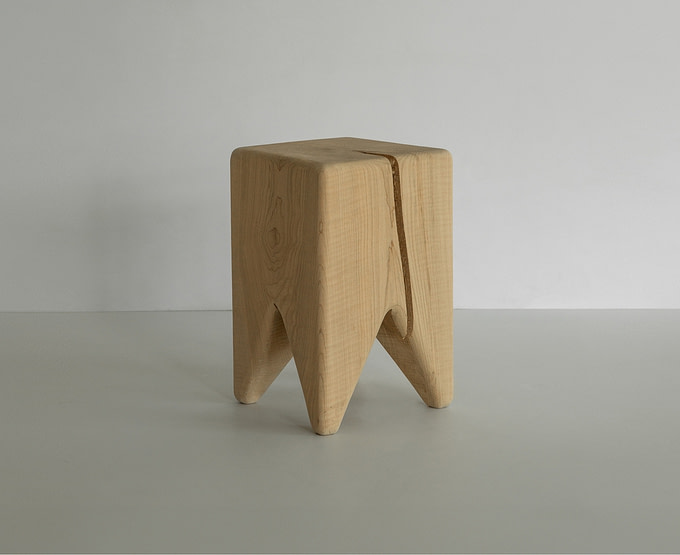
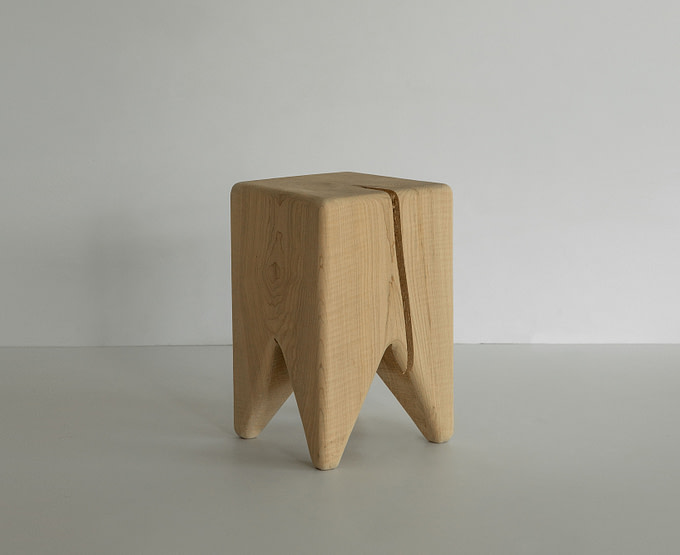
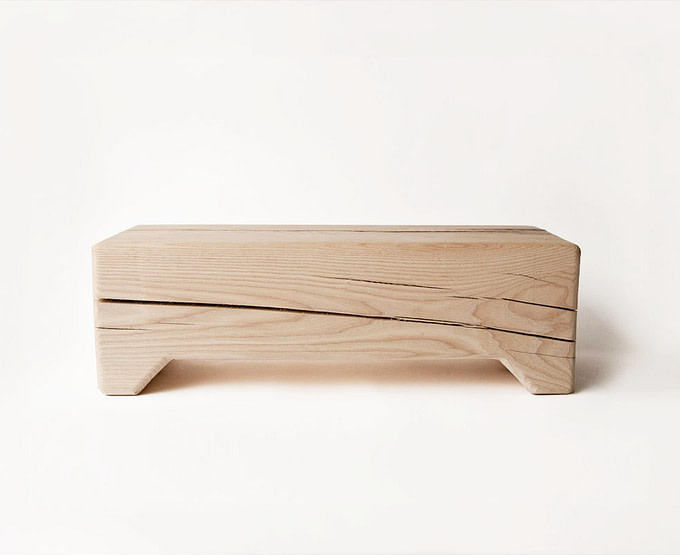
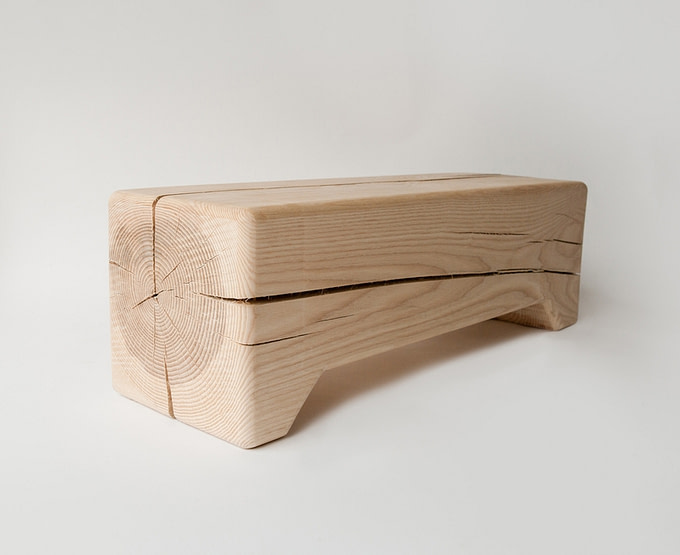
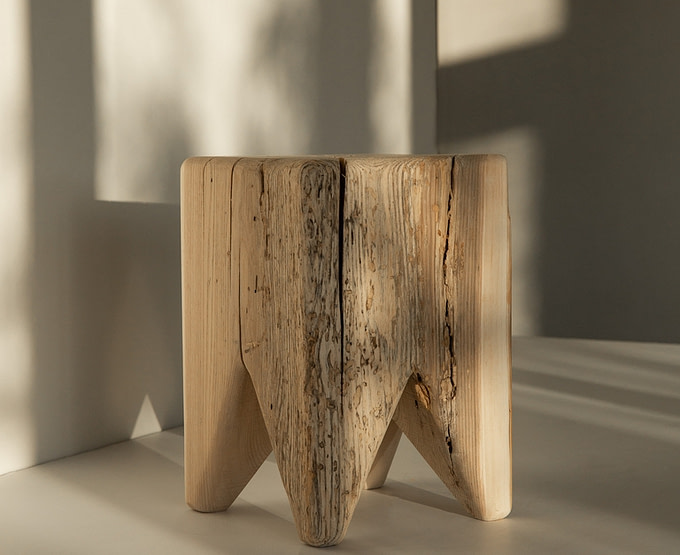
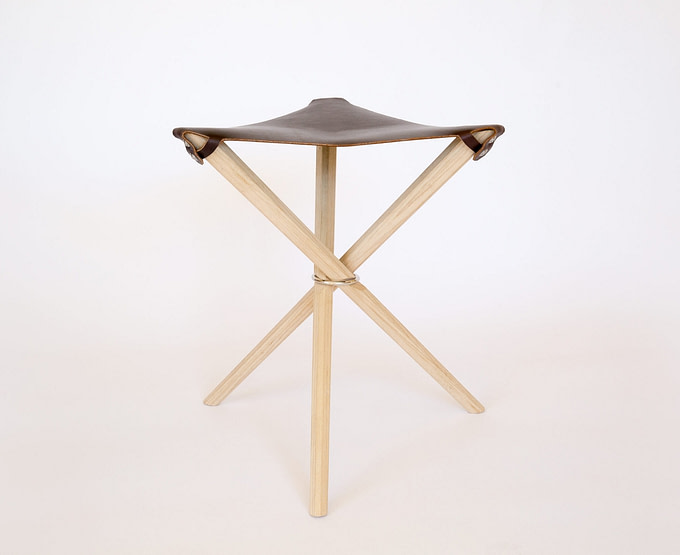
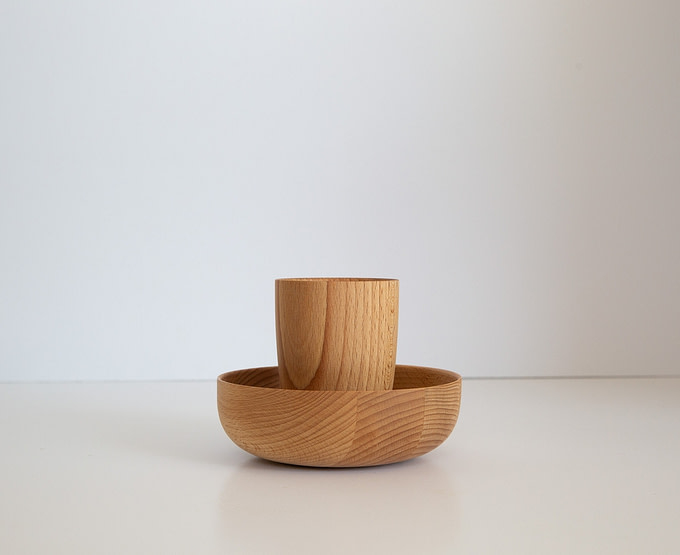
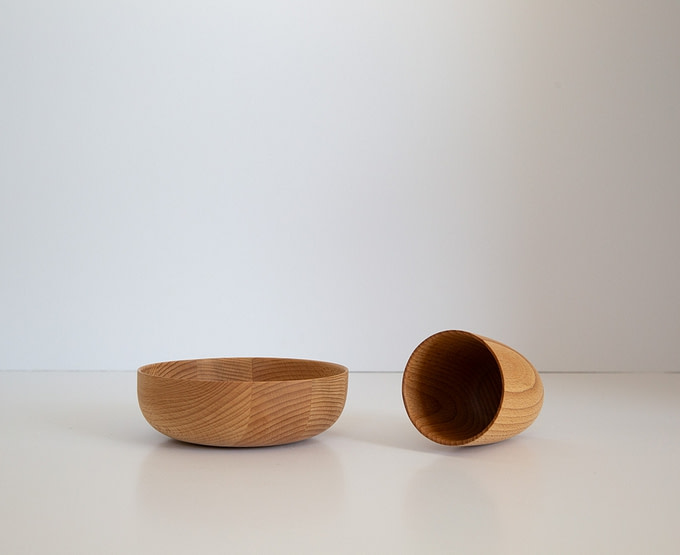
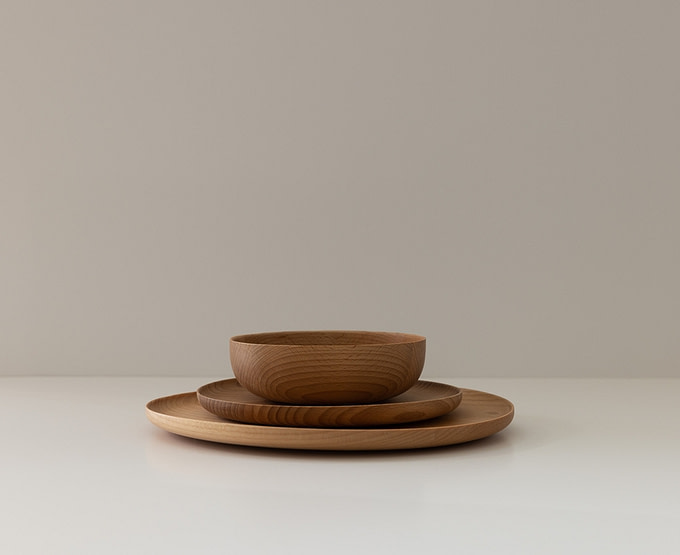
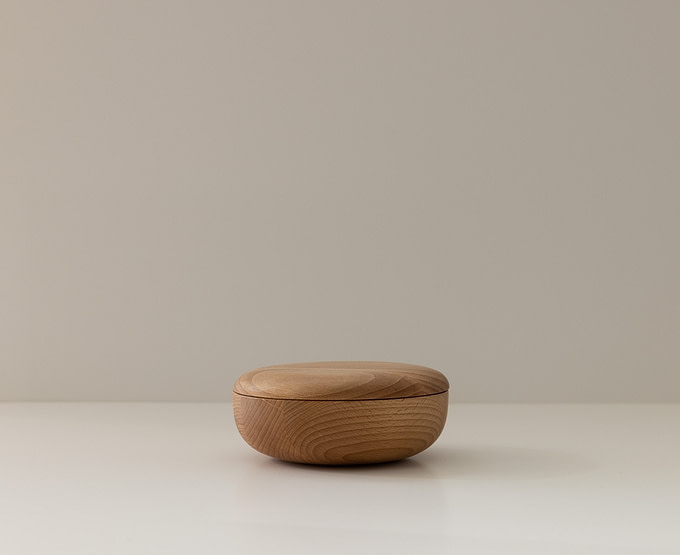
Wood is one of the most renewable and expressive natural materials we work with. All of our lumber is sustainably harvested from forests local to our workshops, ensuring traceability, reduced transport impact, and responsible stewardship of regional ecosystems.
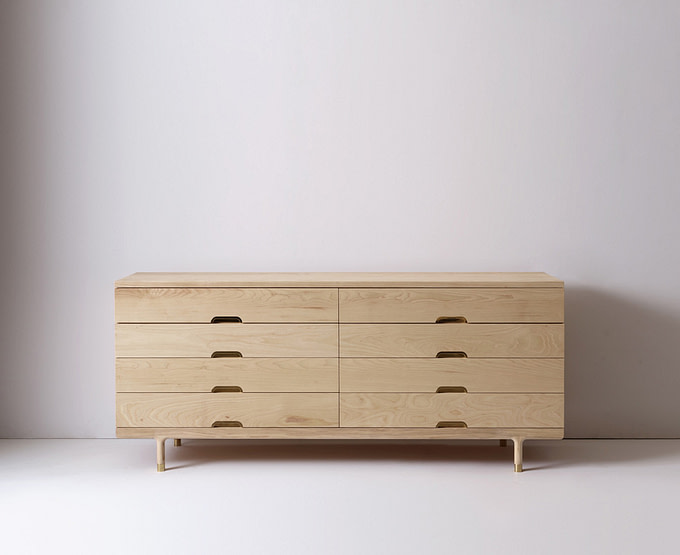
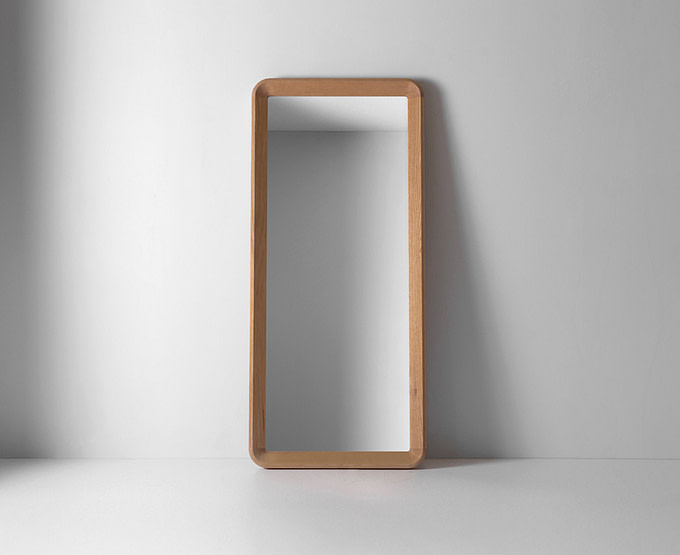
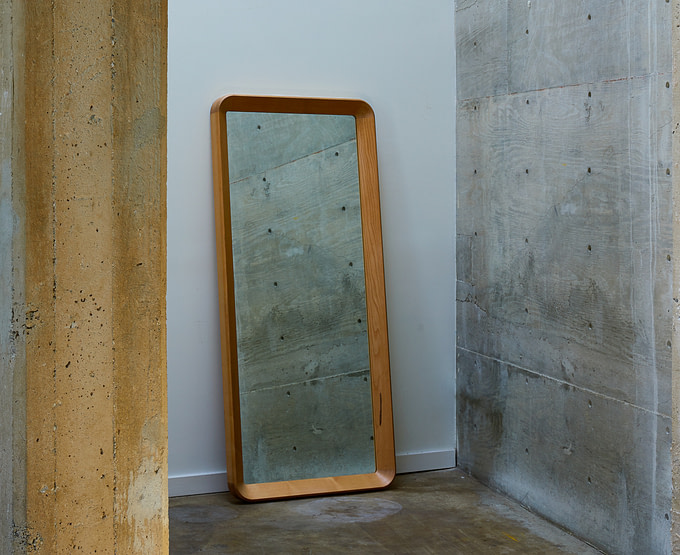
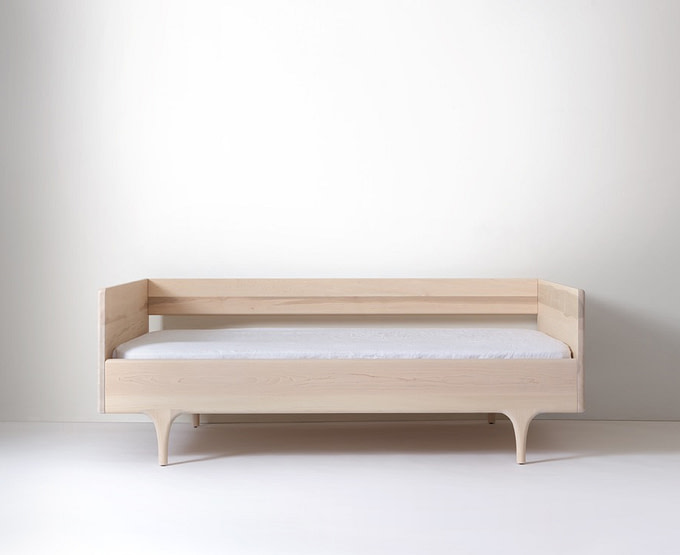
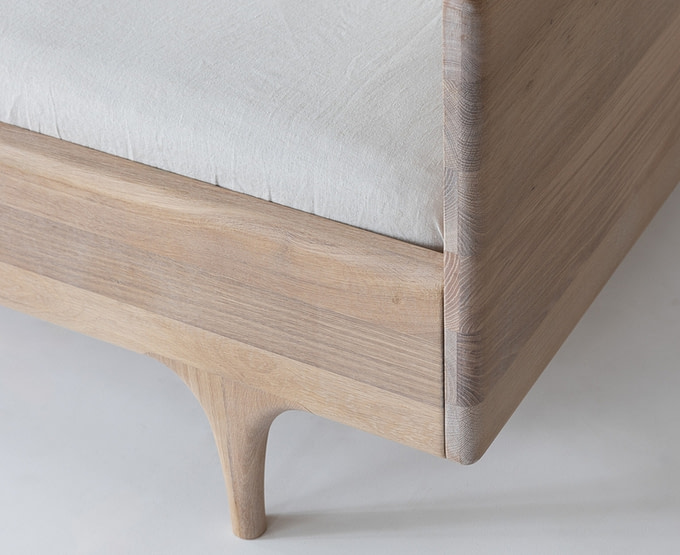
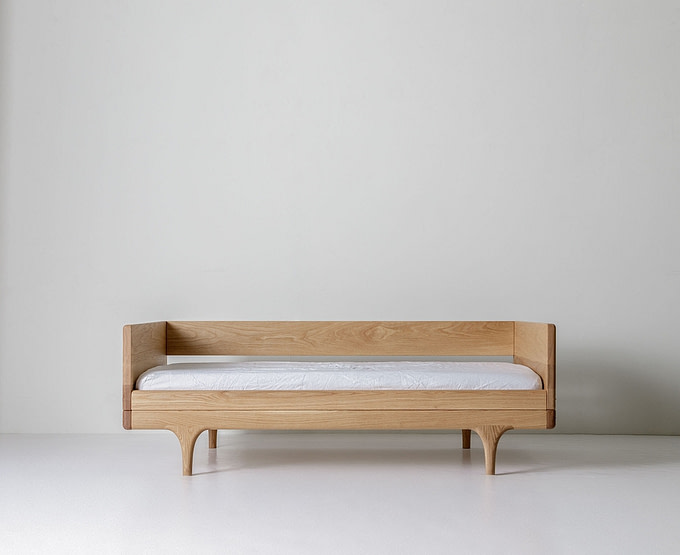
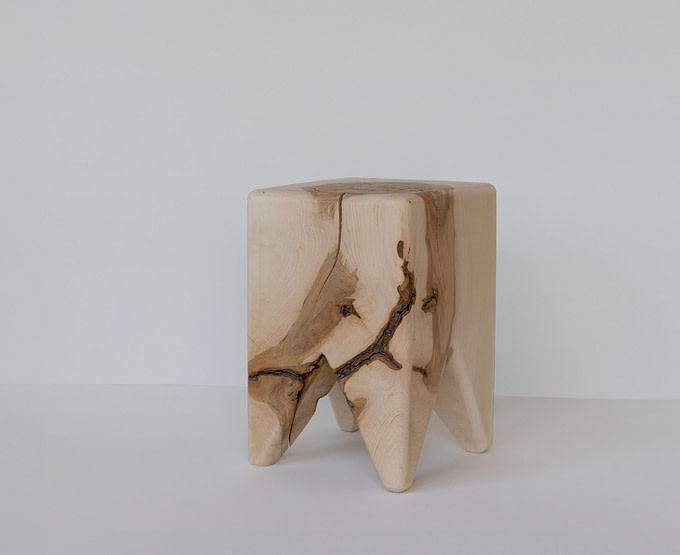
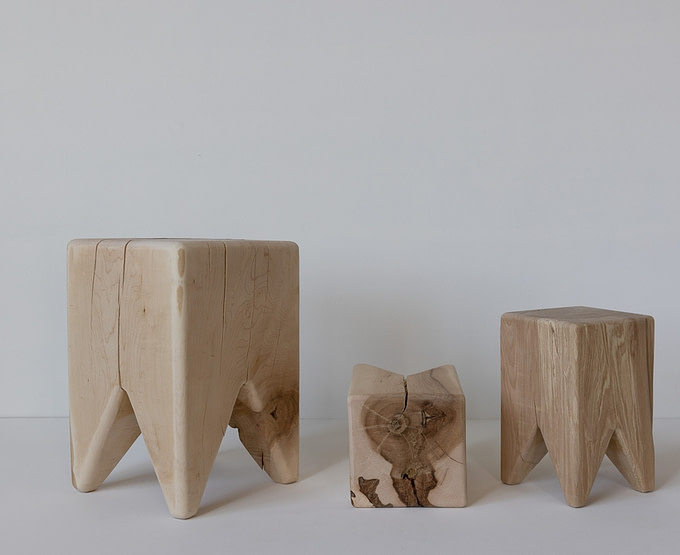
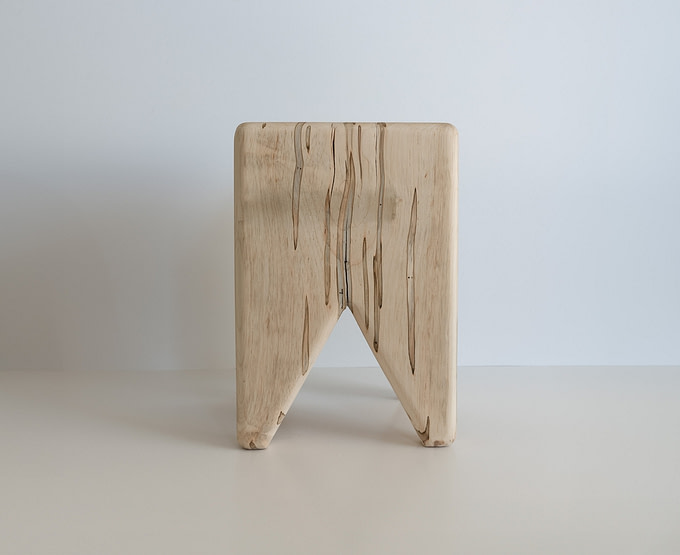
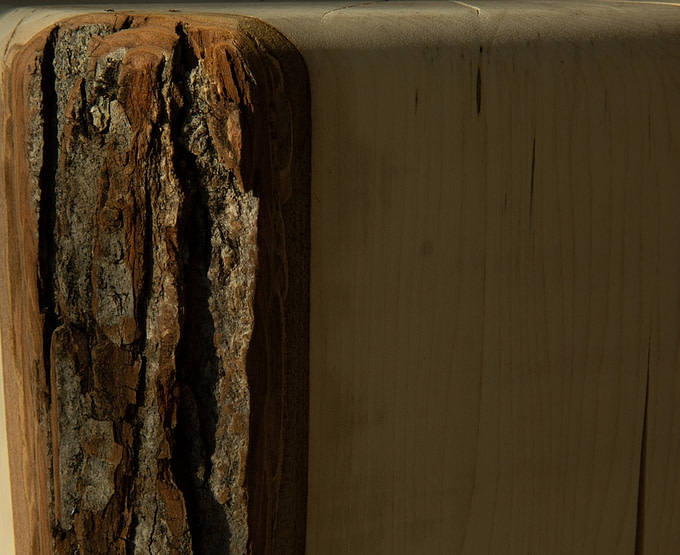
We place minimal restrictions on grain structure and natural variation. This approach reduces waste within the timber industry and honors the full spectrum of the material — its density, figure, color, and the subtle movement that occurs over time. As wood ages, its tone deepens and its surface develops a natural patina, reflecting the life of the piece and the environment in which it’s used.

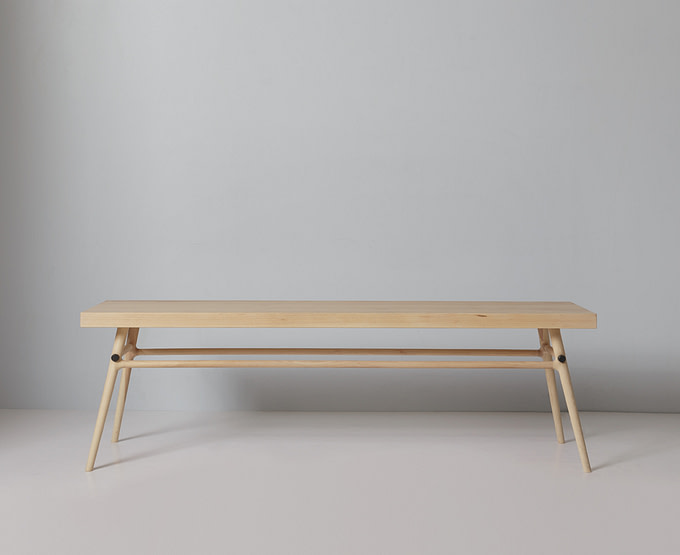
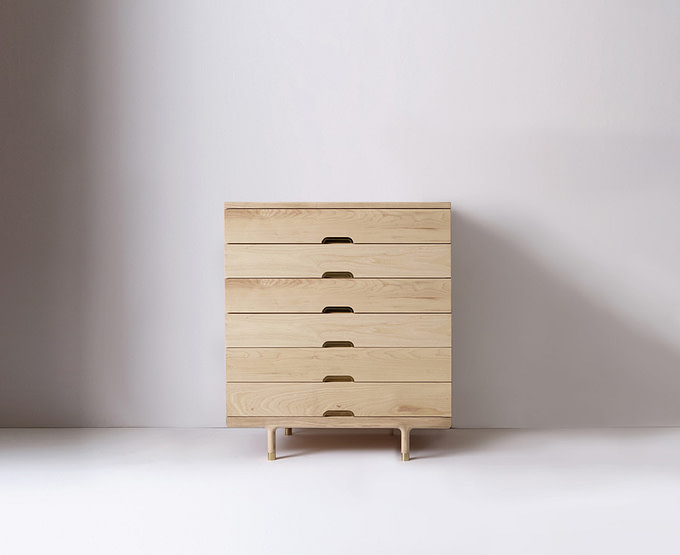
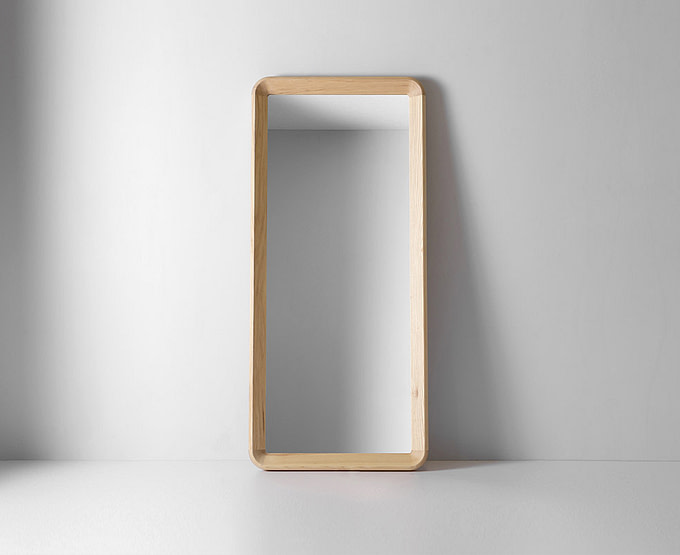
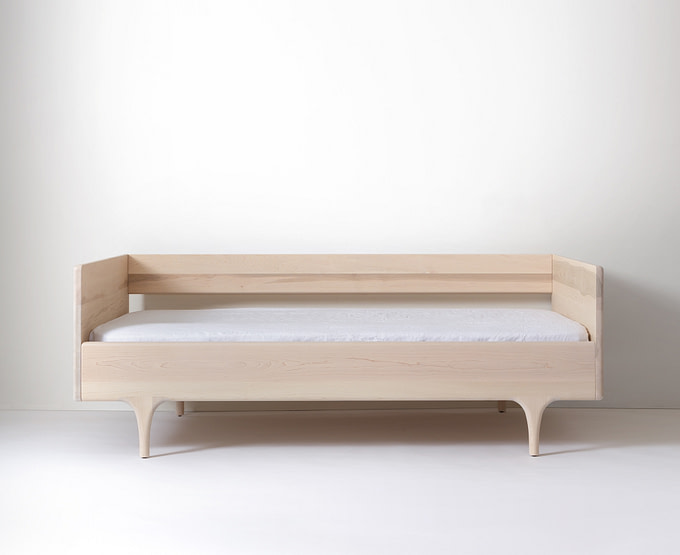
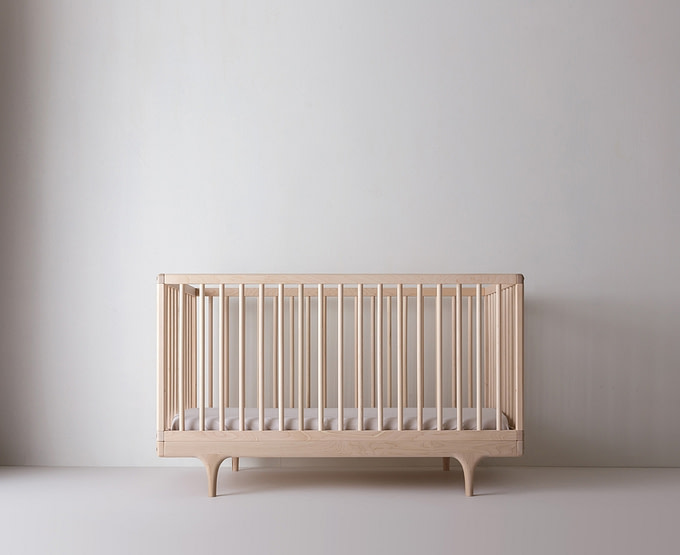
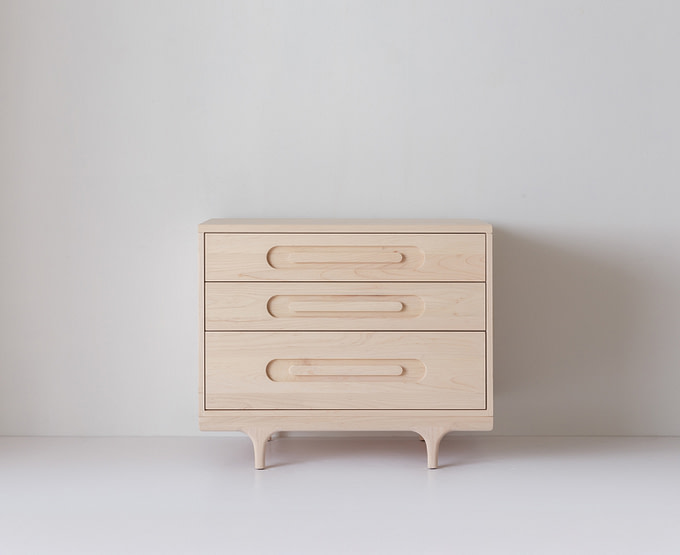
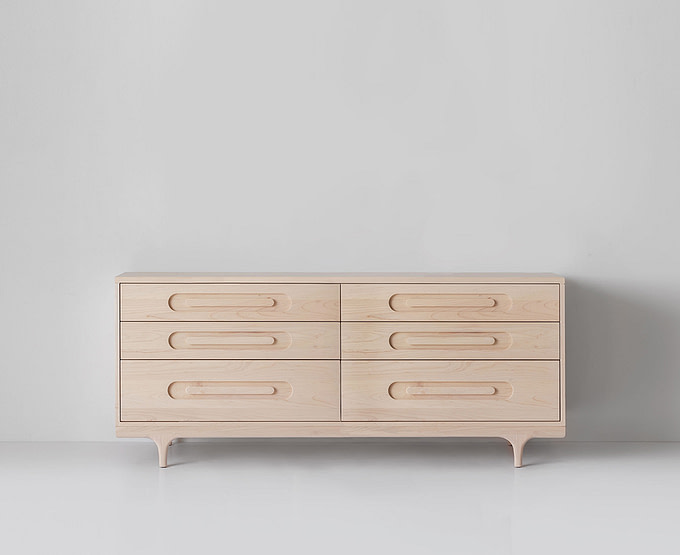
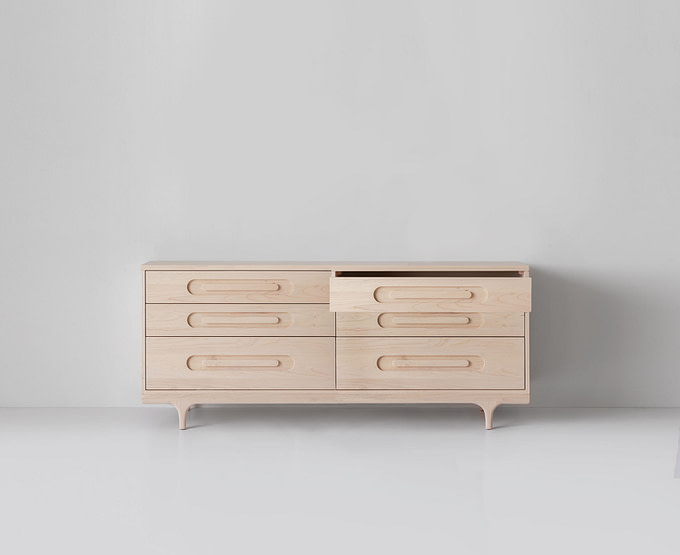
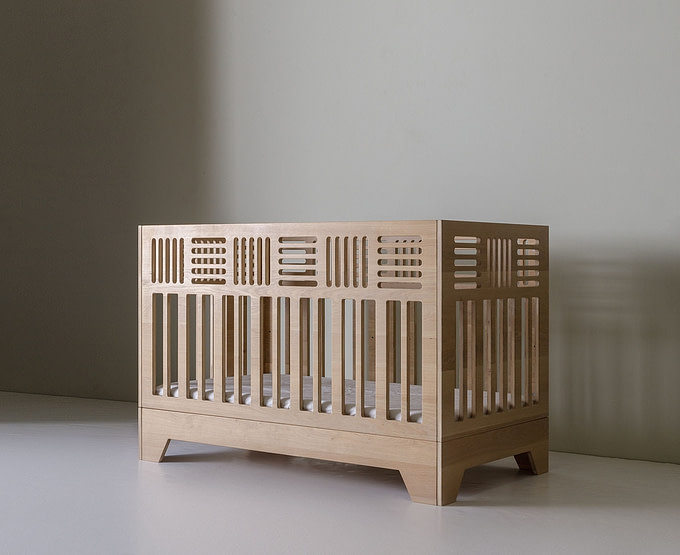
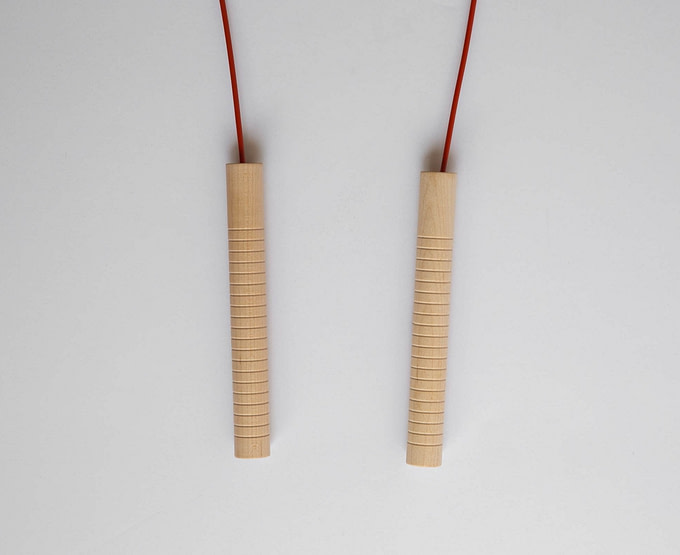
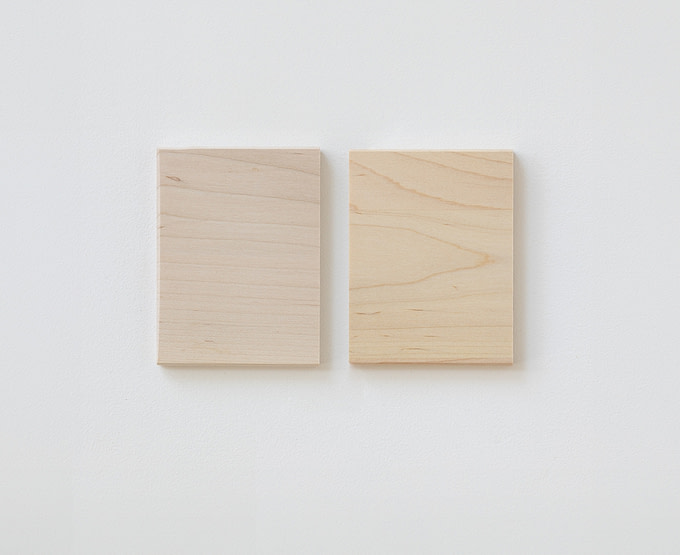
Maple
Raw
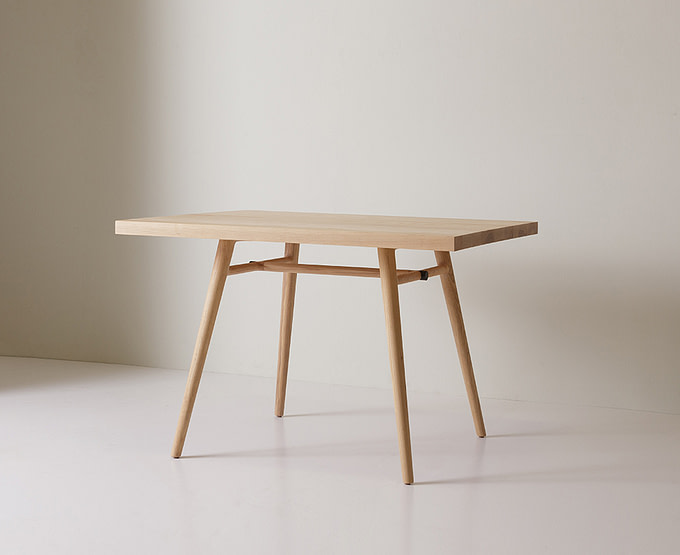
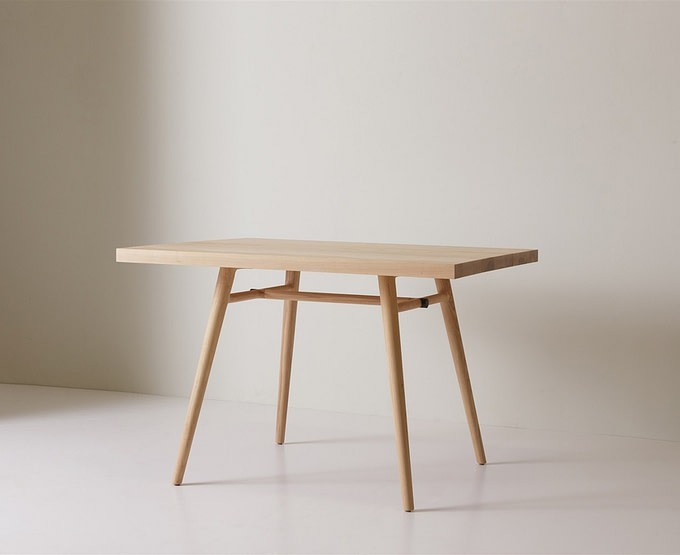
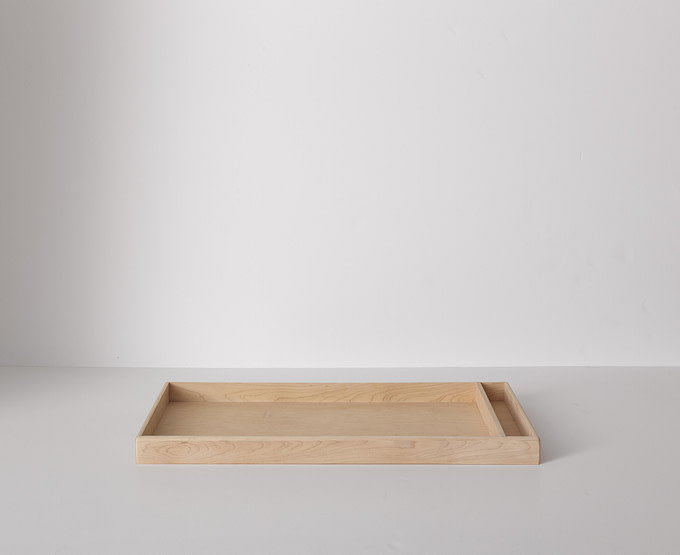
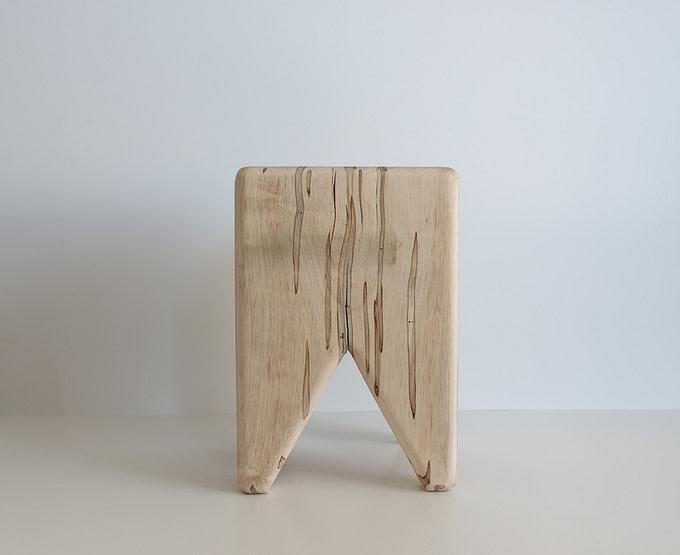
Light, creamy color. Pitch fleck and mineral streaks add a reddish-brown hue. Color deepens with age. Honey-gold patina. Sanded to a smooth finish. No oil.

Maple
Kalon Bare Finish
White with some reddish-brown highlights. Fine, uniform texture

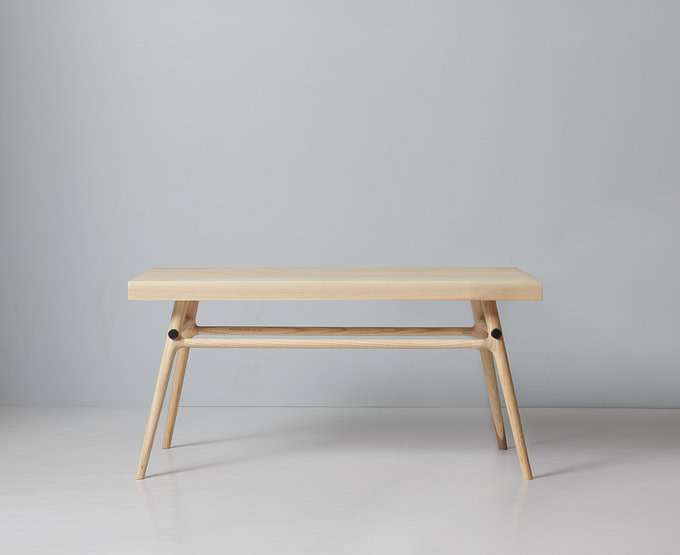
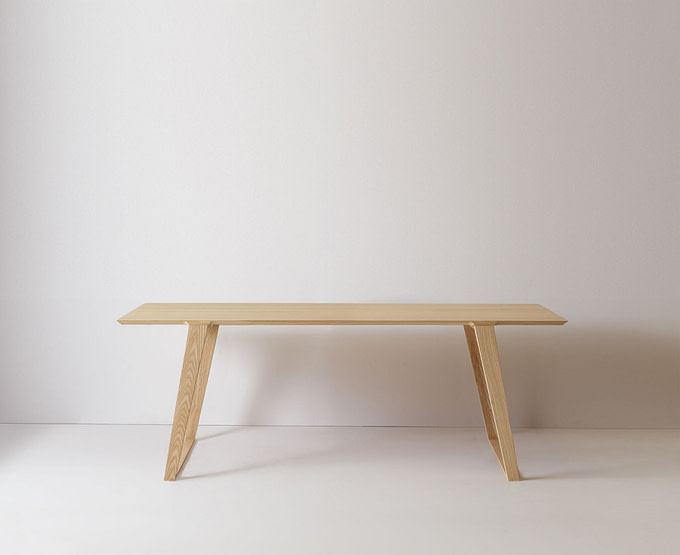
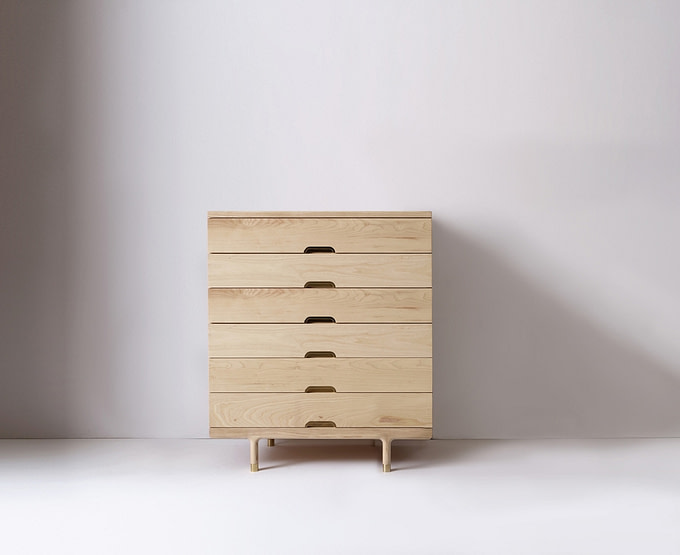
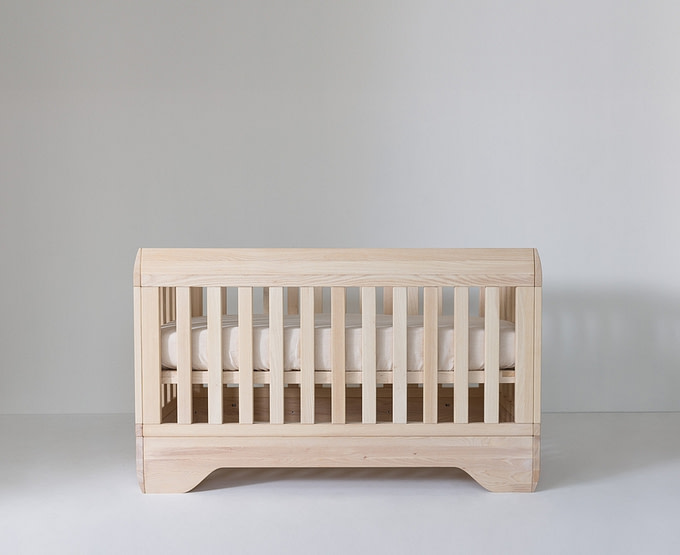
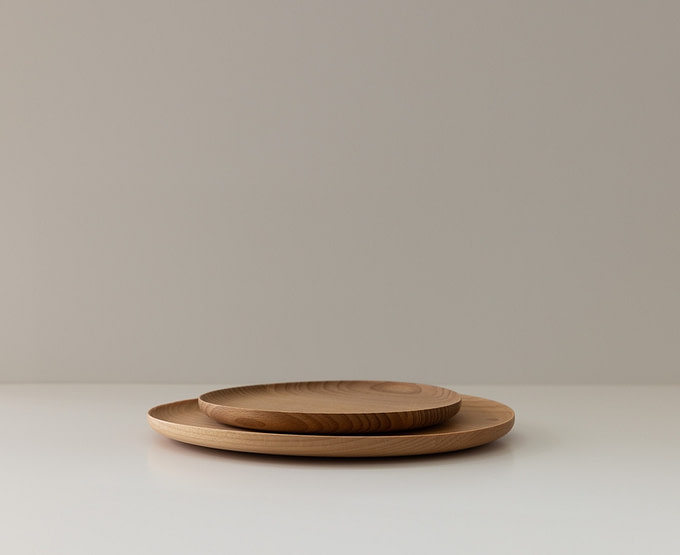
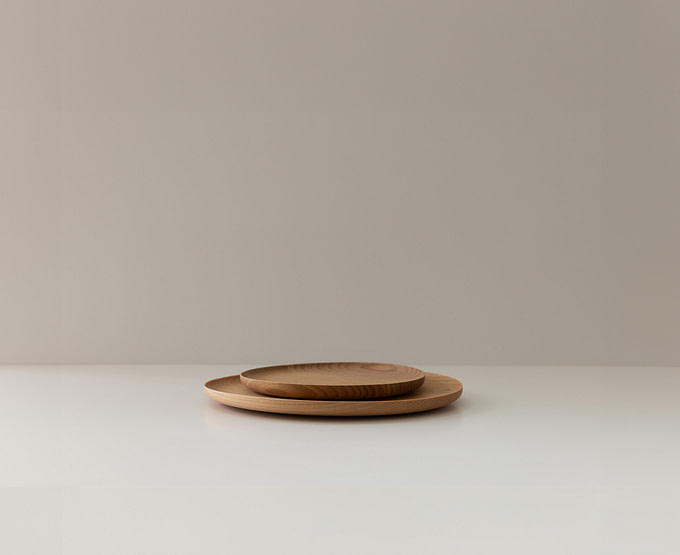
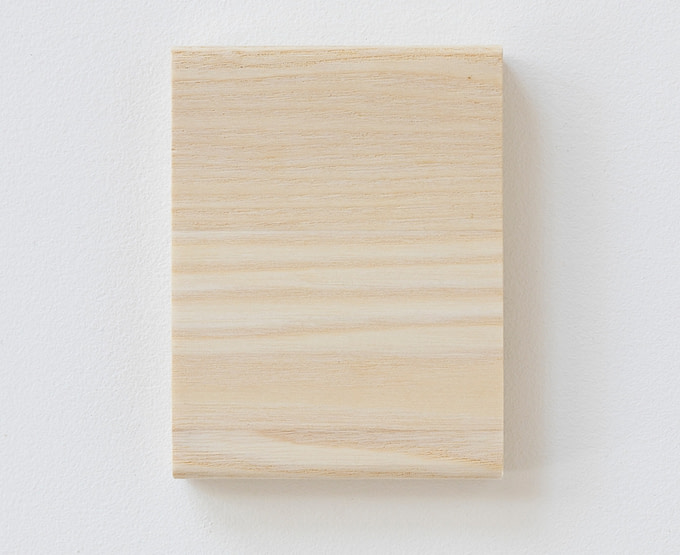
Ash
Raw
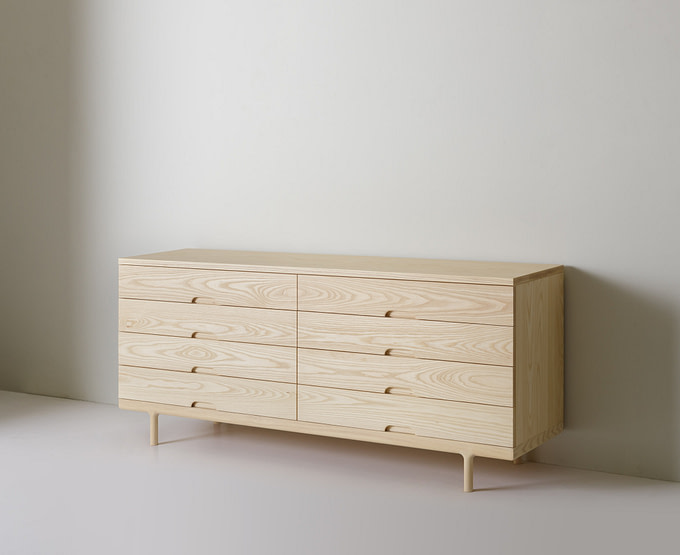
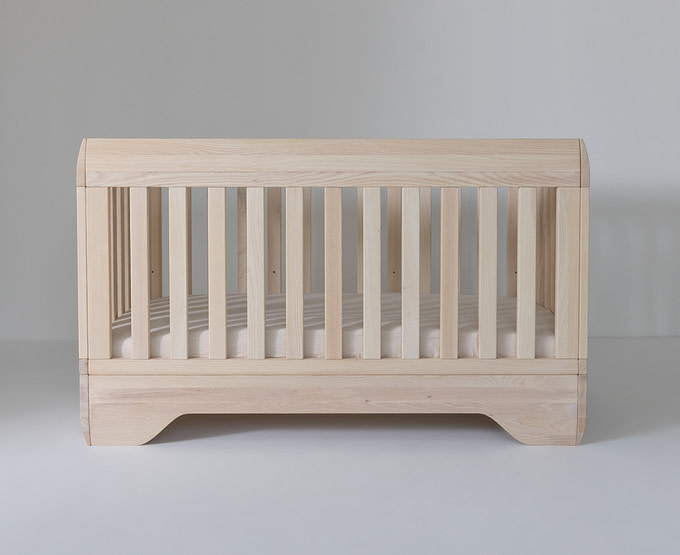
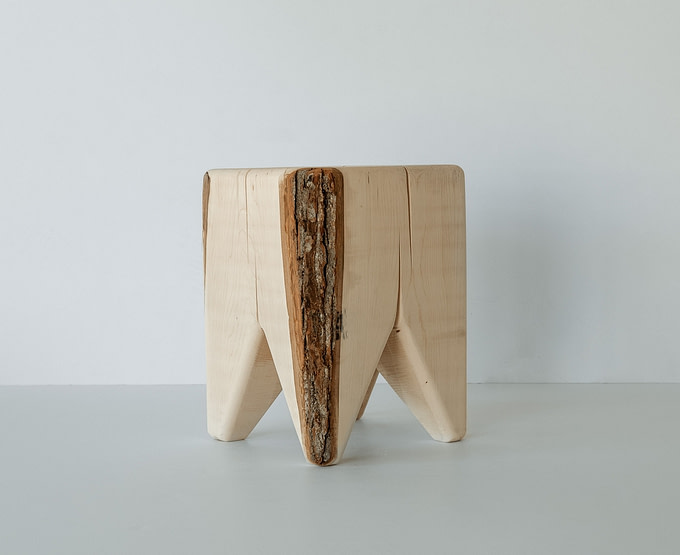
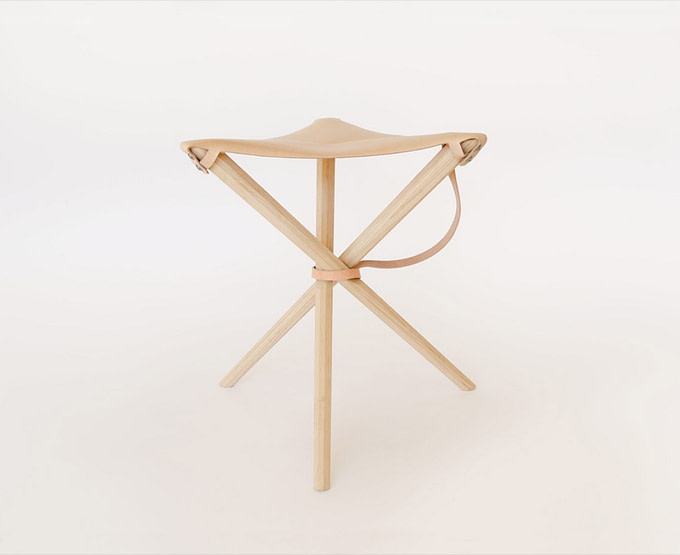
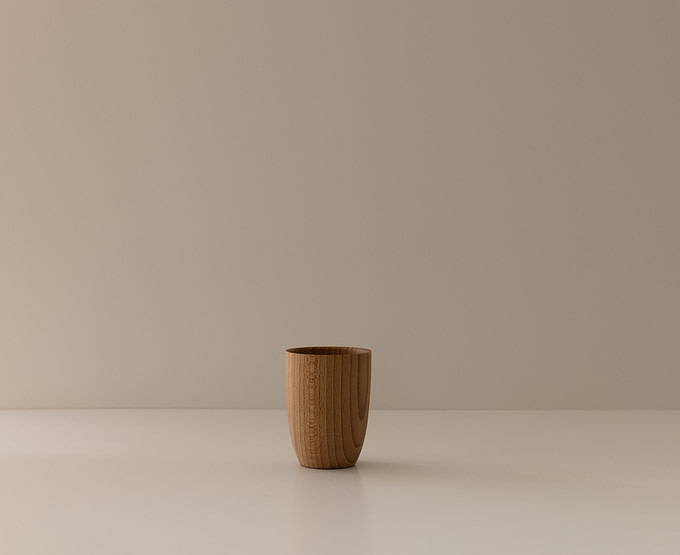
Light, pale-beige to light-brown hue. Deep pitted grain structure. Amber patina. Sanded to a smooth finish. No oil.

Ash
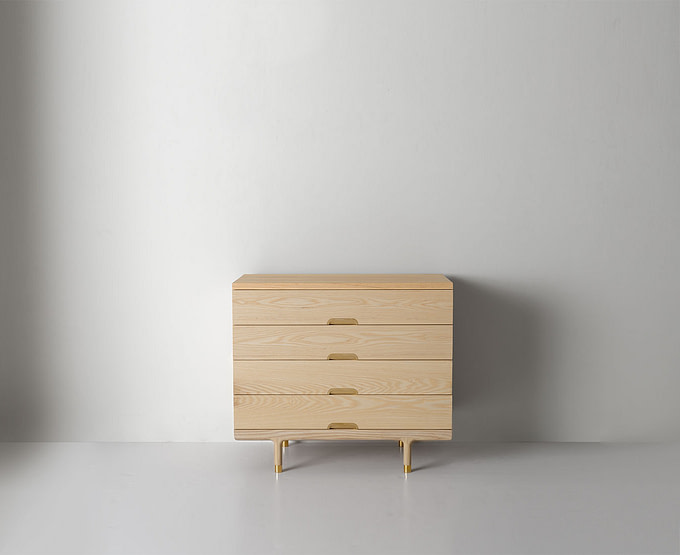
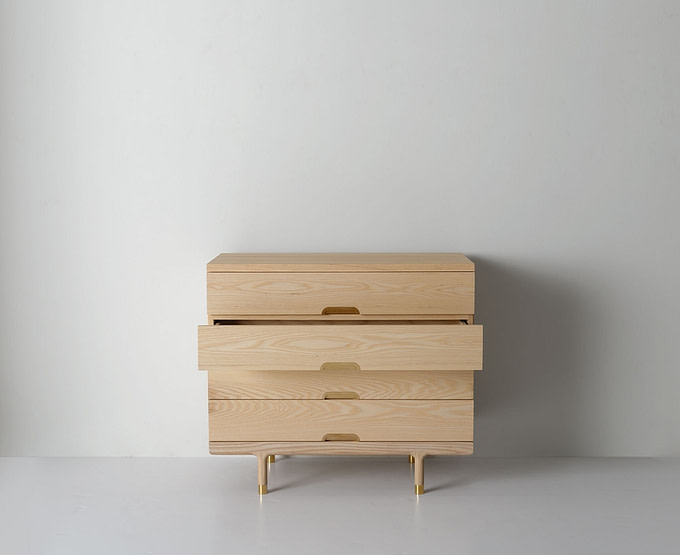
Kalon Bare Finish
Light colored, smooth-grained hardwood, beige brown hues, golden patina

Ash
Natural Oil/Wax Finish
Light colored, smooth-grained hardwood, beige brown hues, golden patina

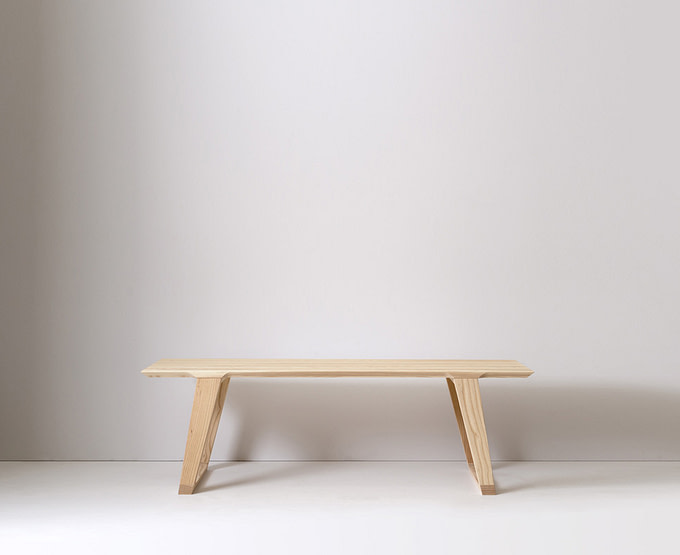
Sugar Pine
Kalon Bare Finish
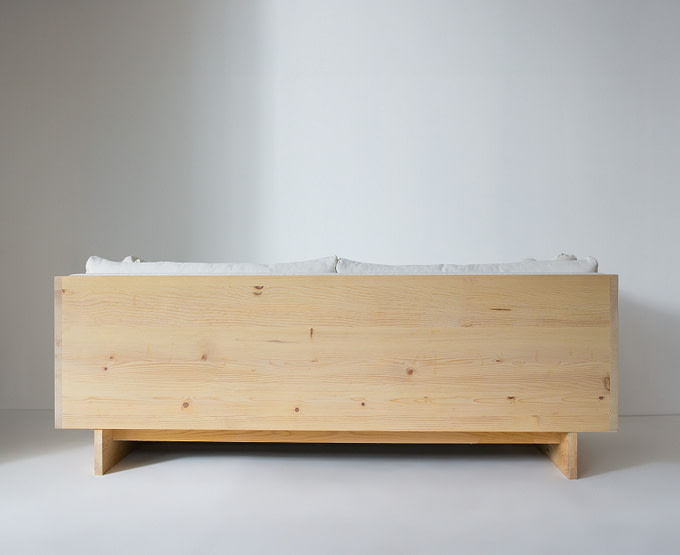
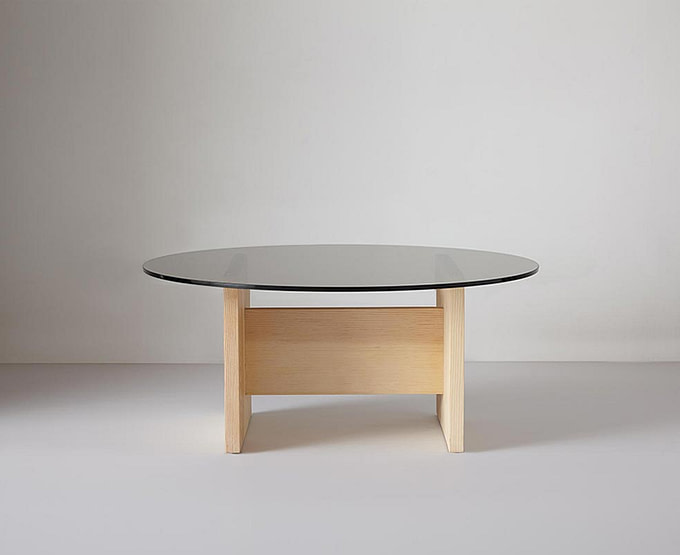
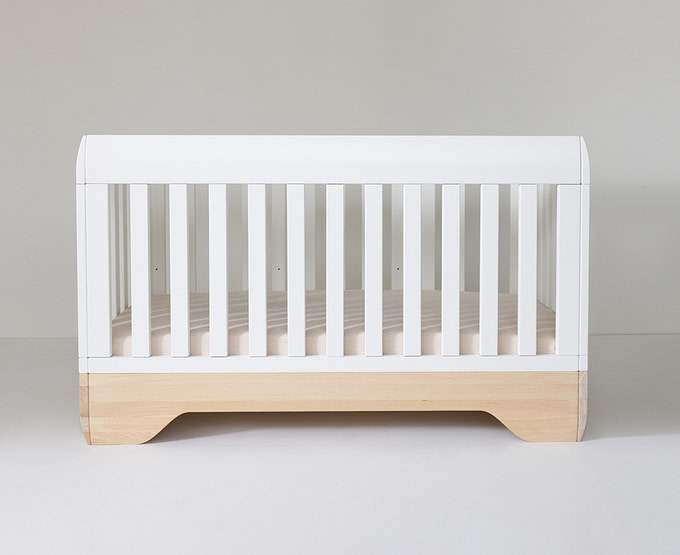
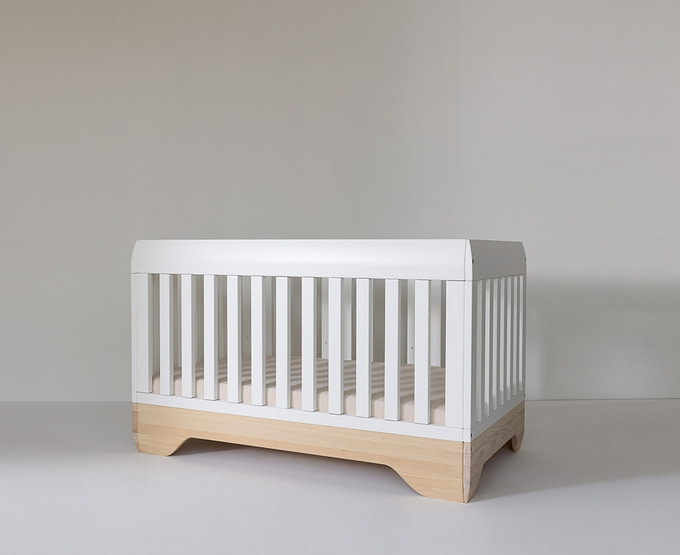
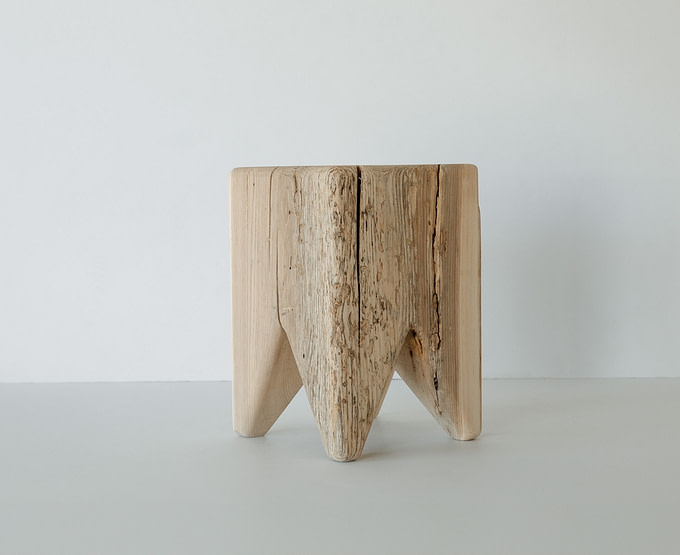
Pale yellow to nearly white, buff or light brown streaks, occasional knots

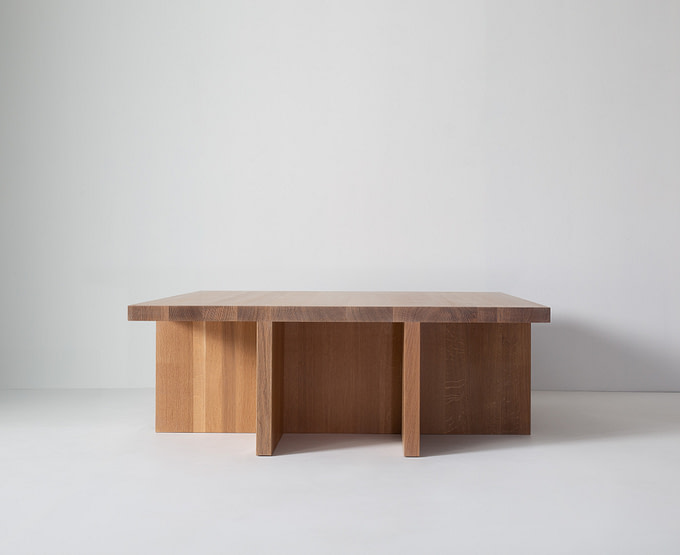
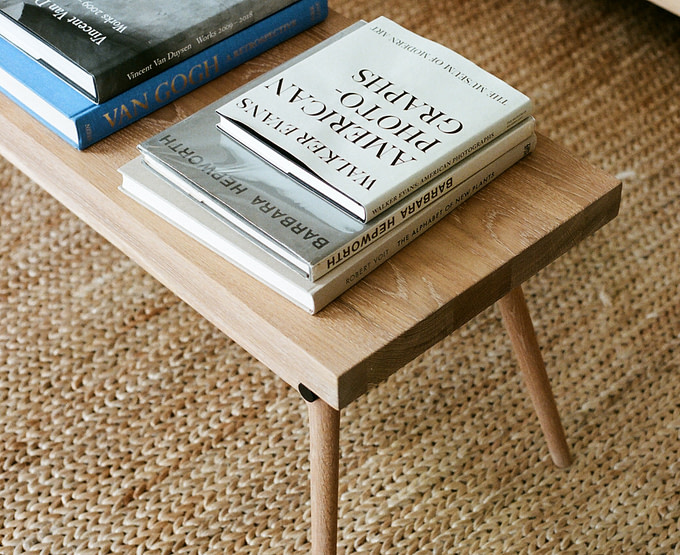
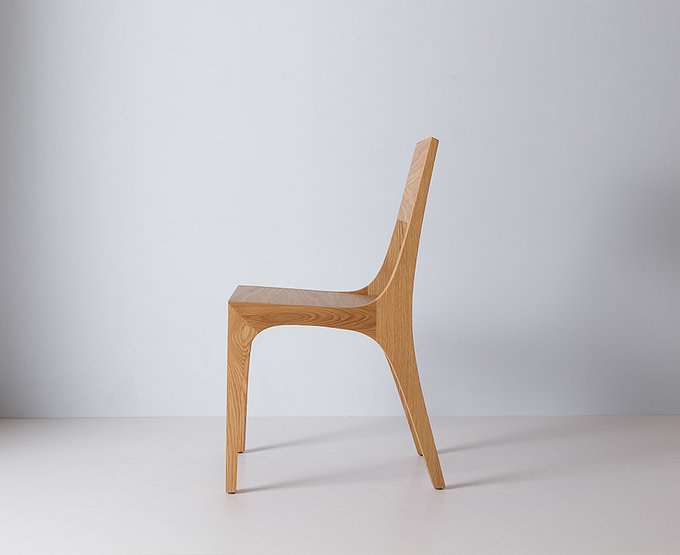
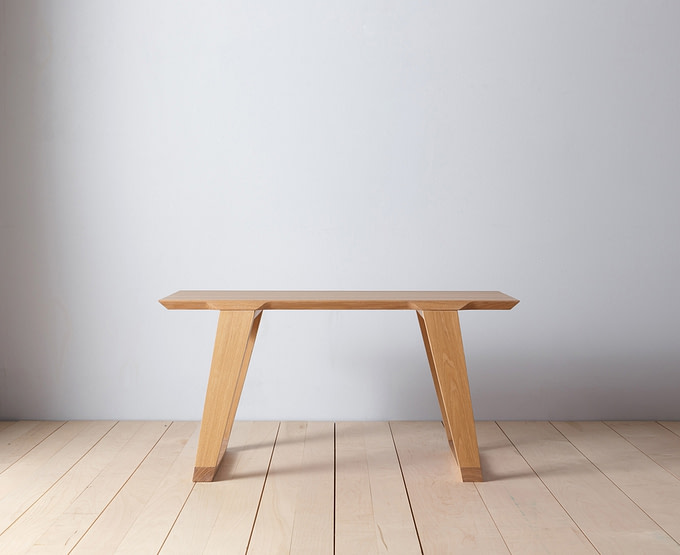
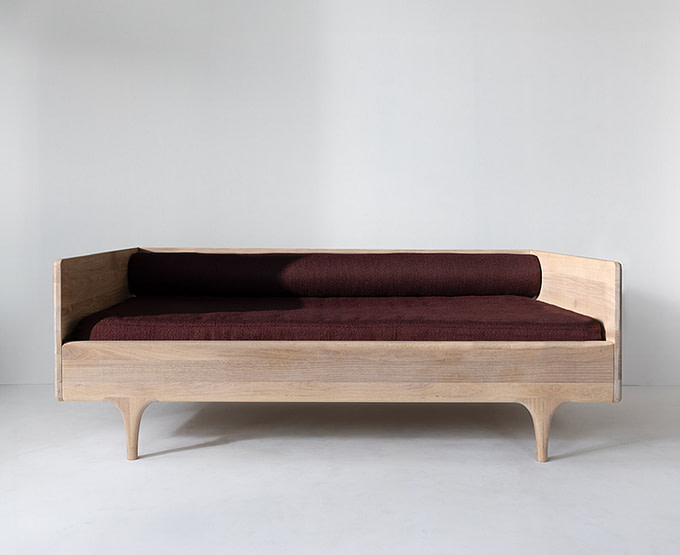
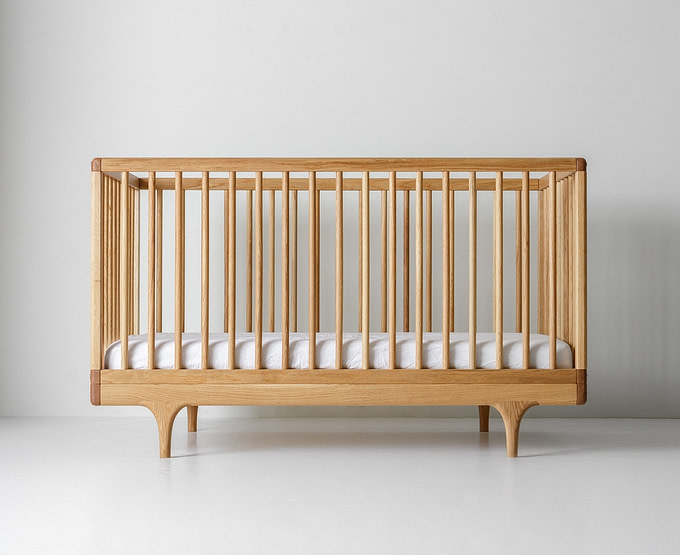
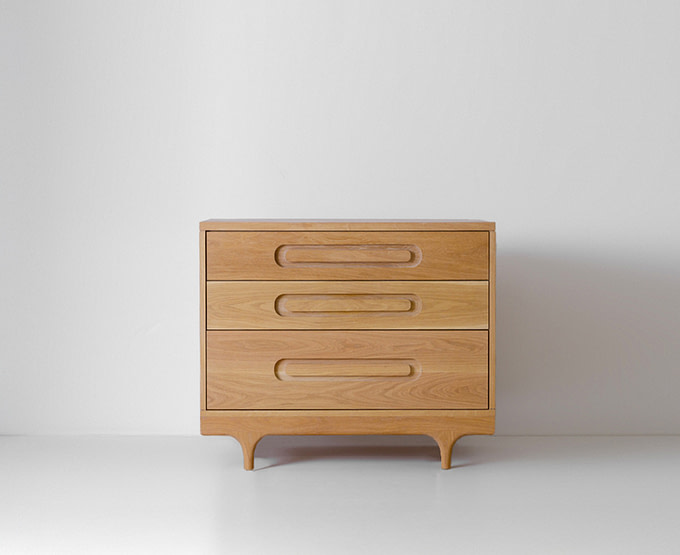
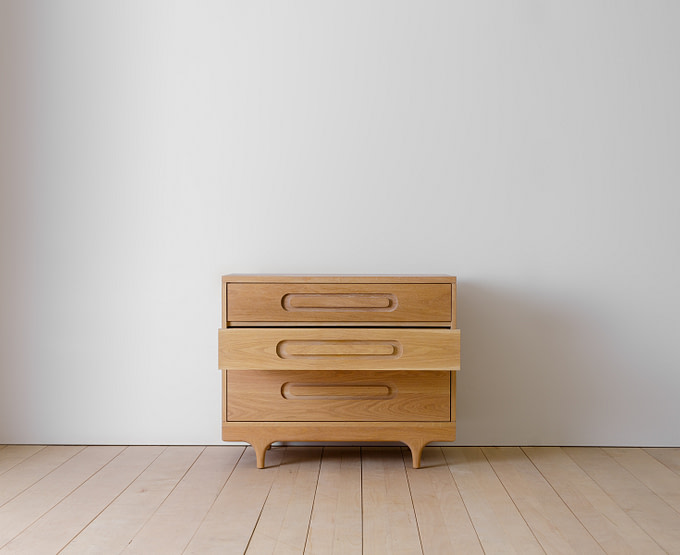
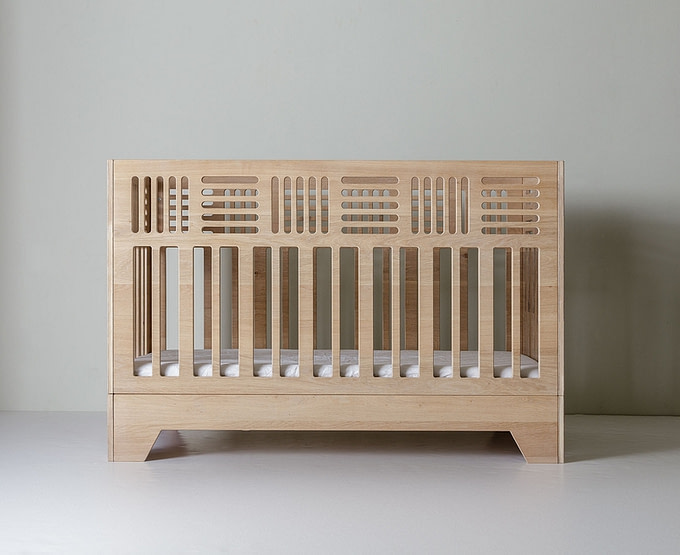
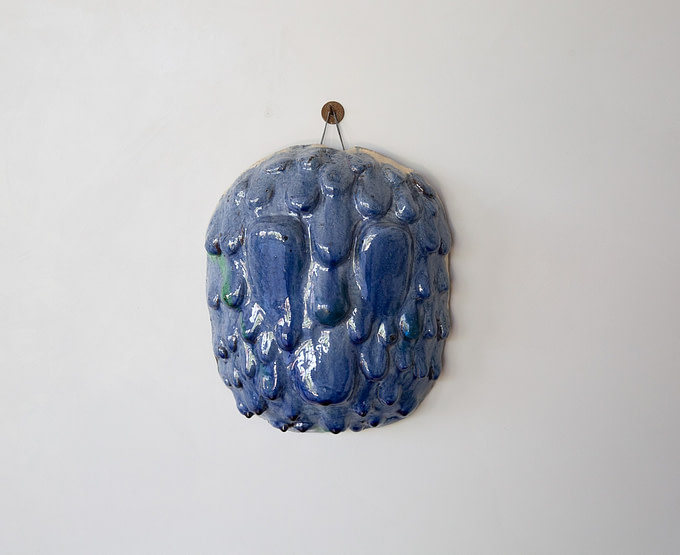
White Oak
Kalon Bare Finish
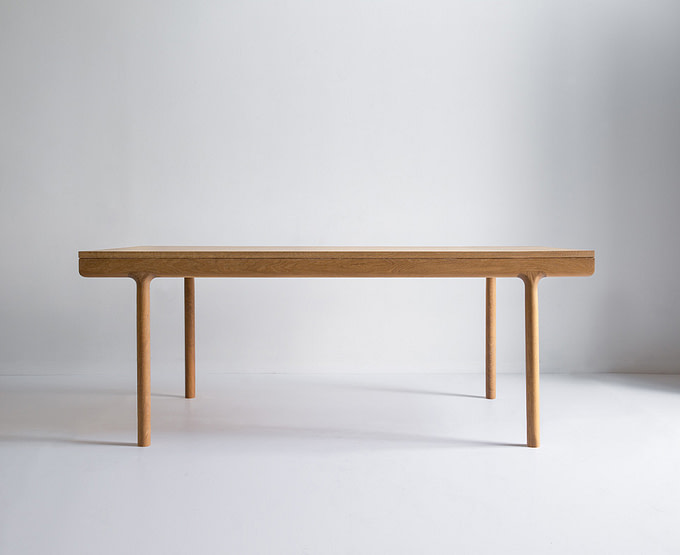
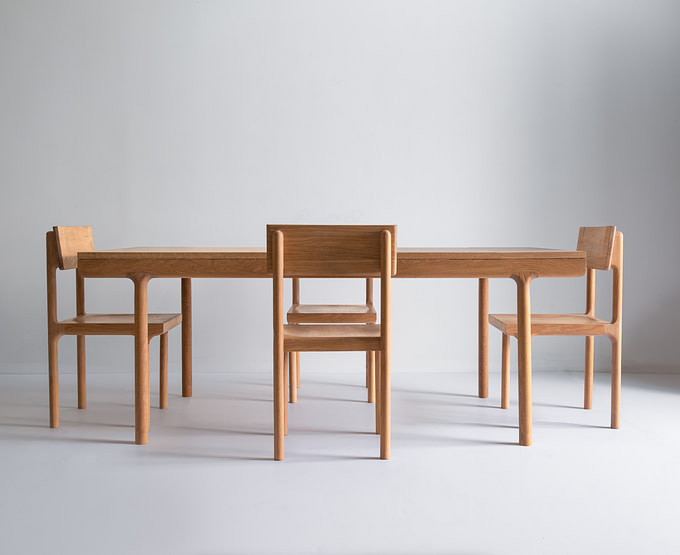
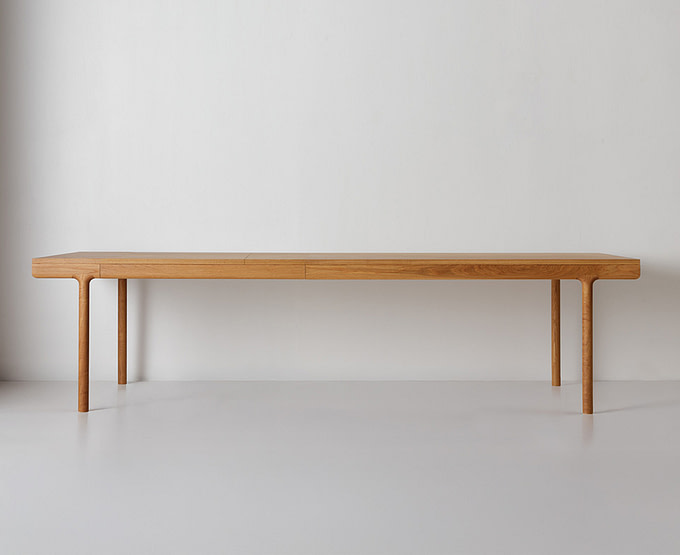
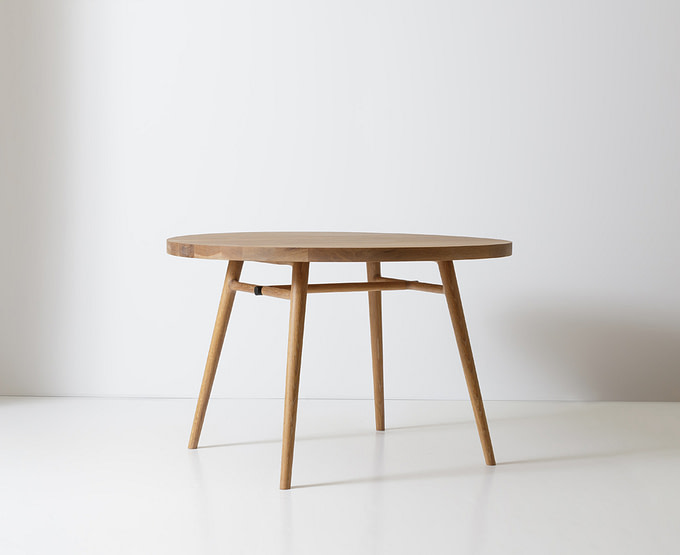
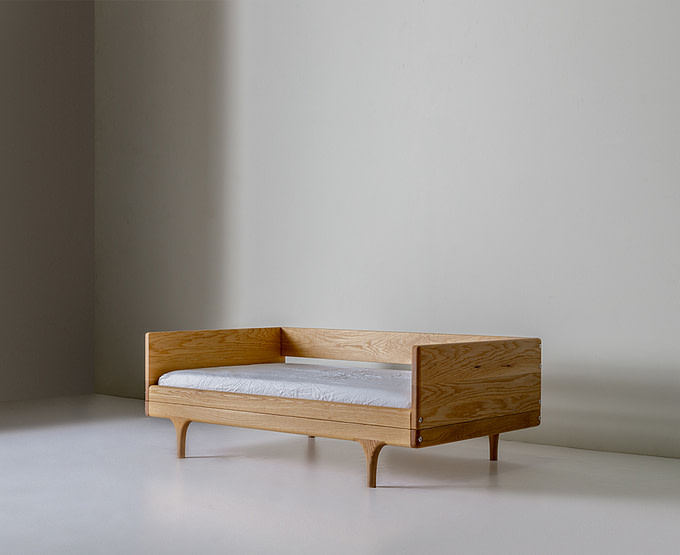
Light to medium brown, rich caramel patina

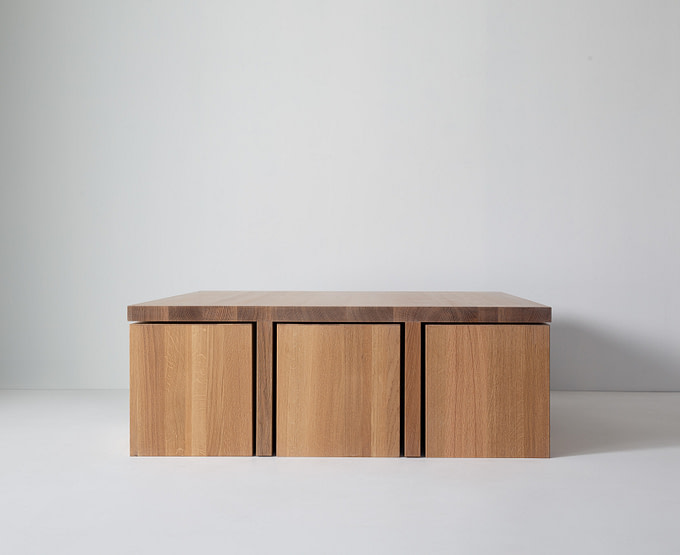
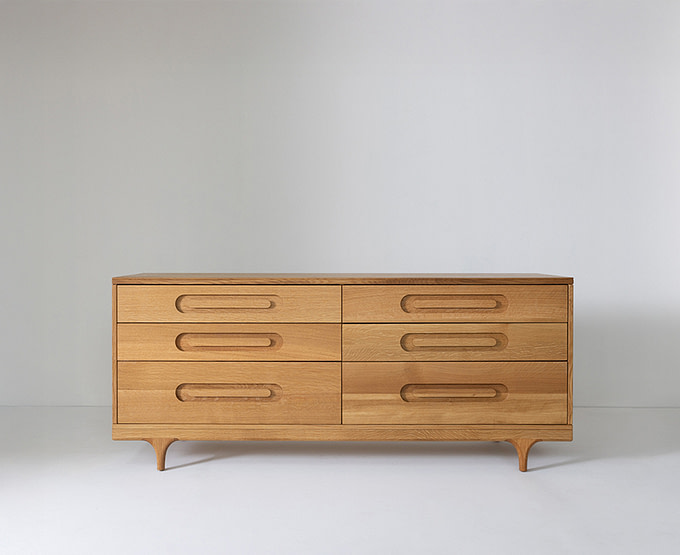
White Oak
Natural Oil/Wax Finish
Light to medium brown, rich caramel patina

Douglas Fir
Kalon Bare Finish
Light brown with hints of red and yellow. Classic straight, uniform grain. Strong, resilient softwood with a subtle patina.

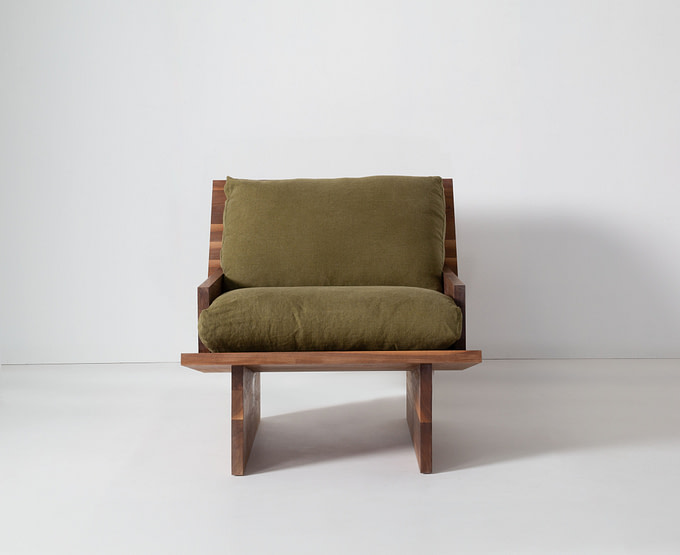
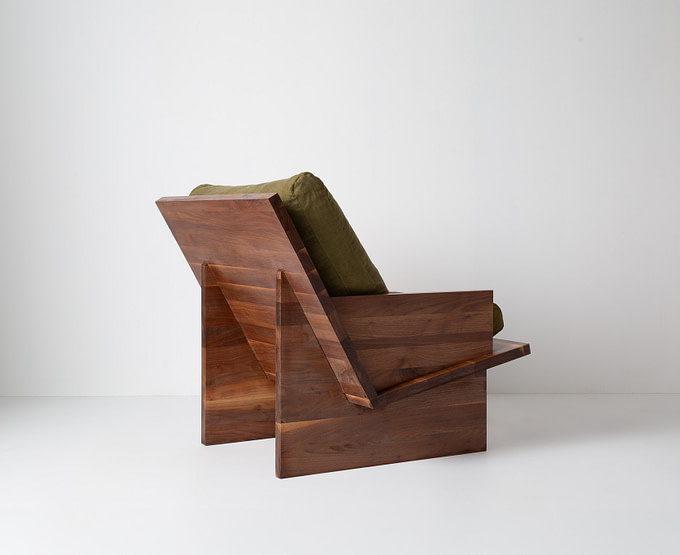
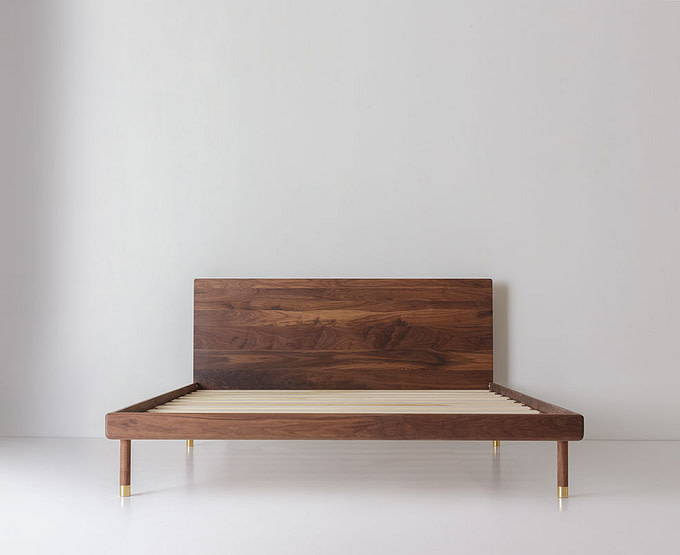
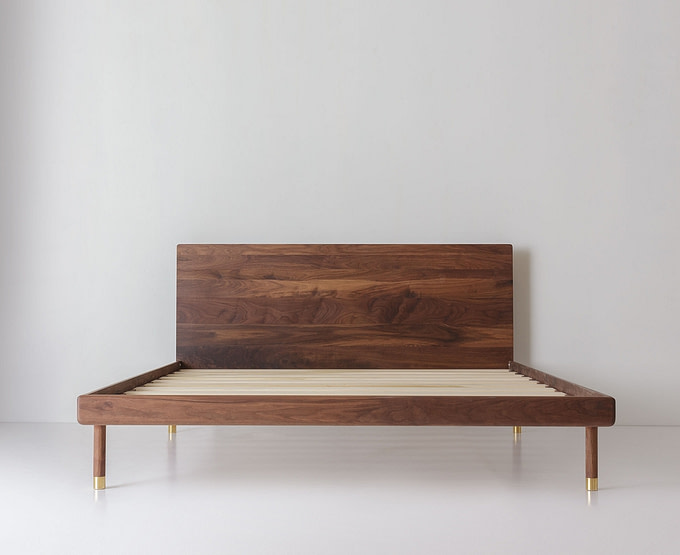
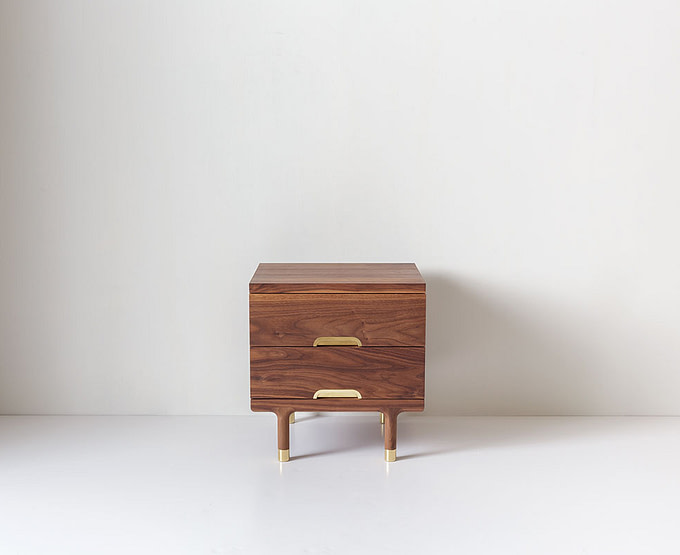
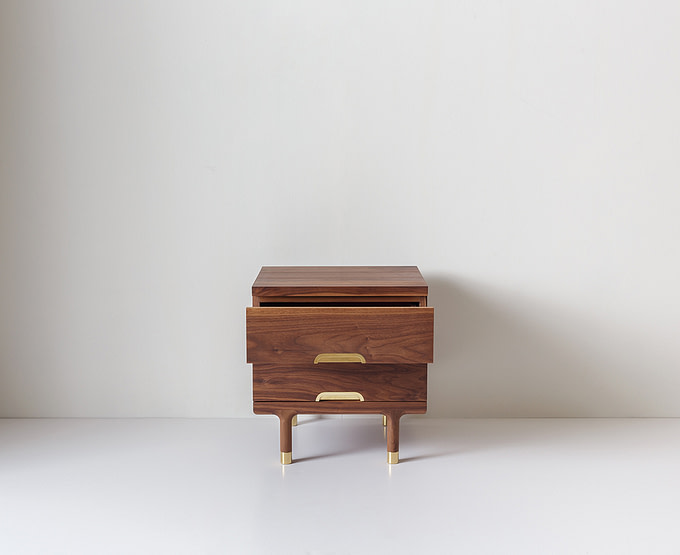
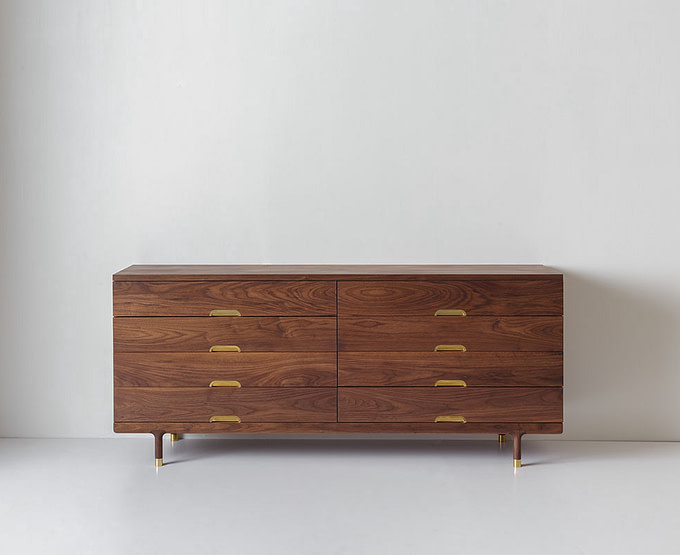
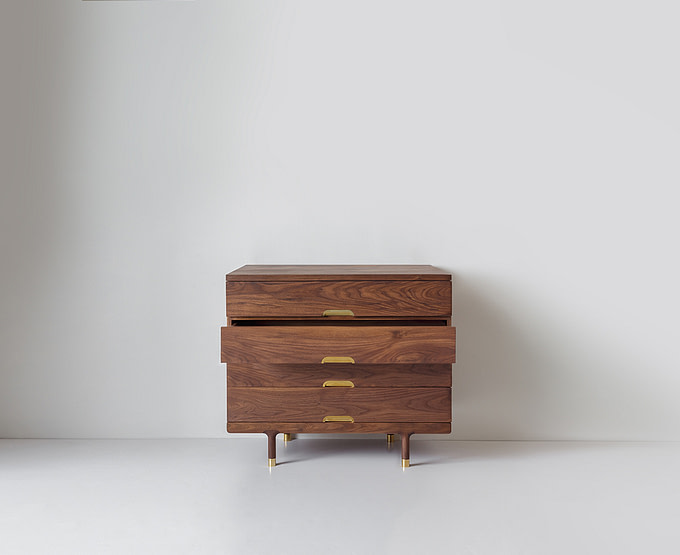
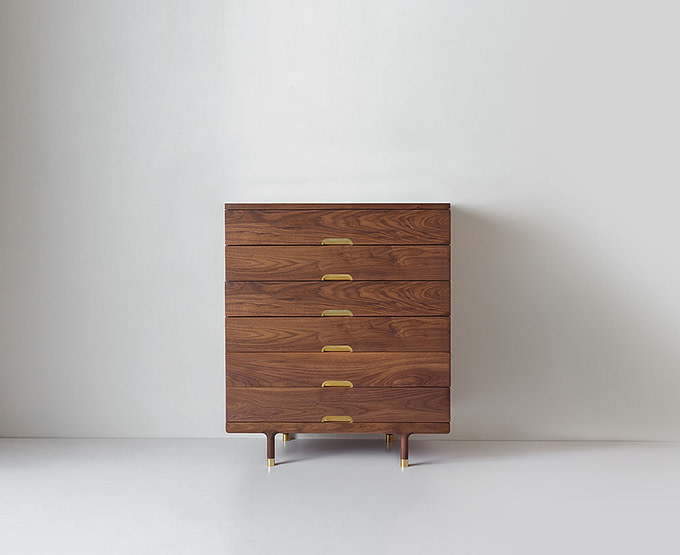
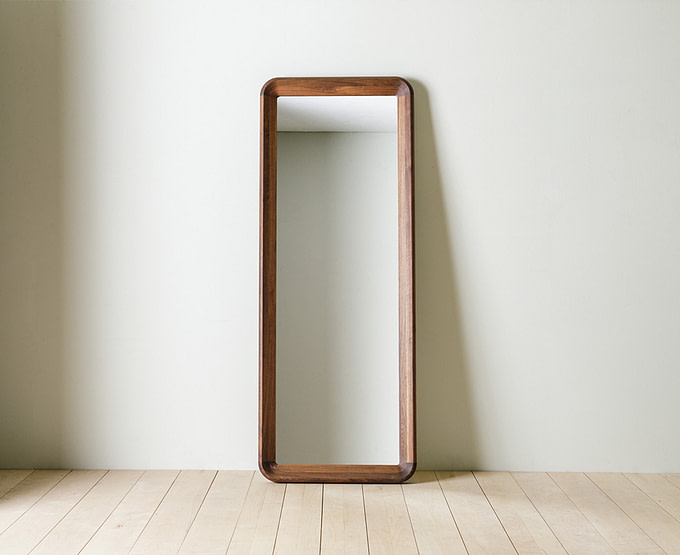
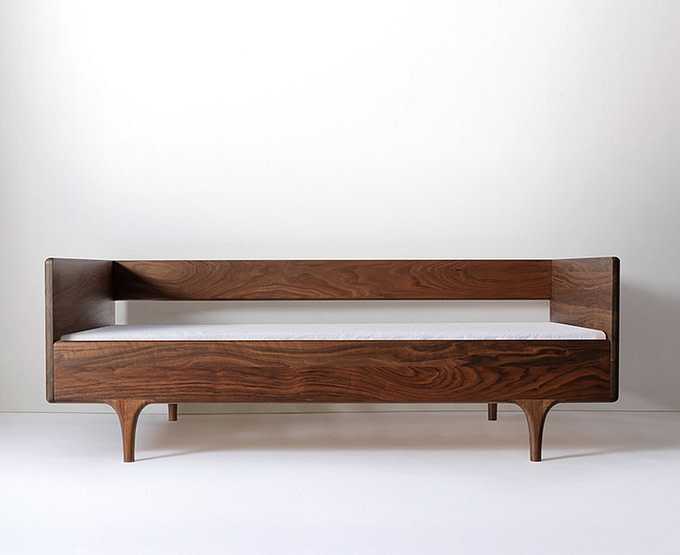
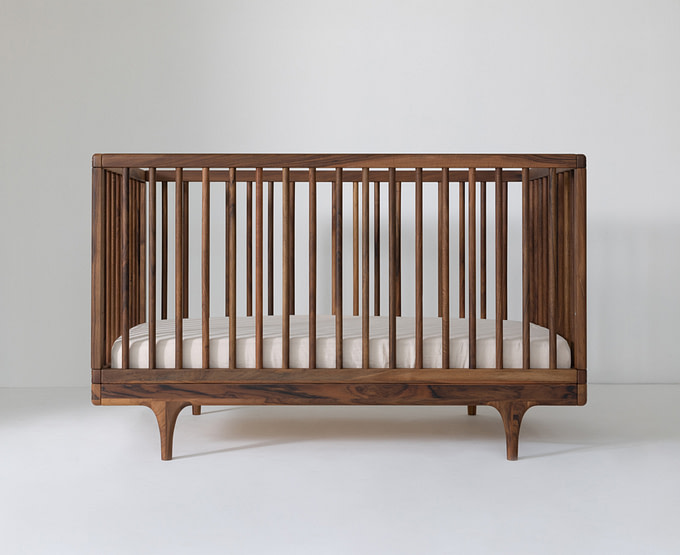
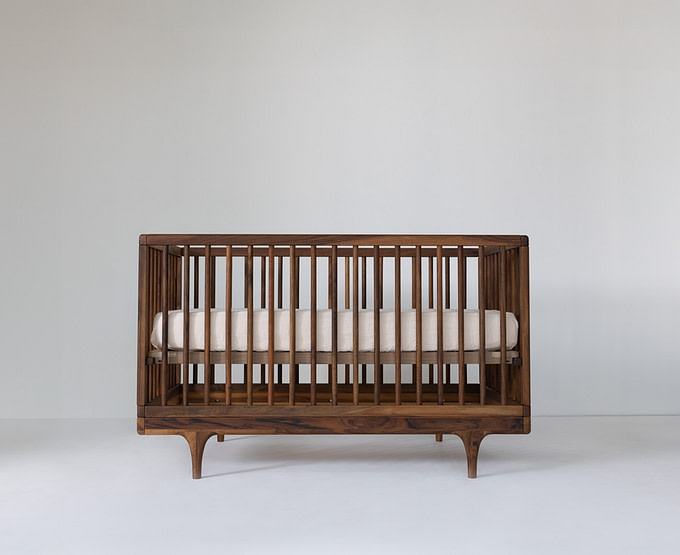
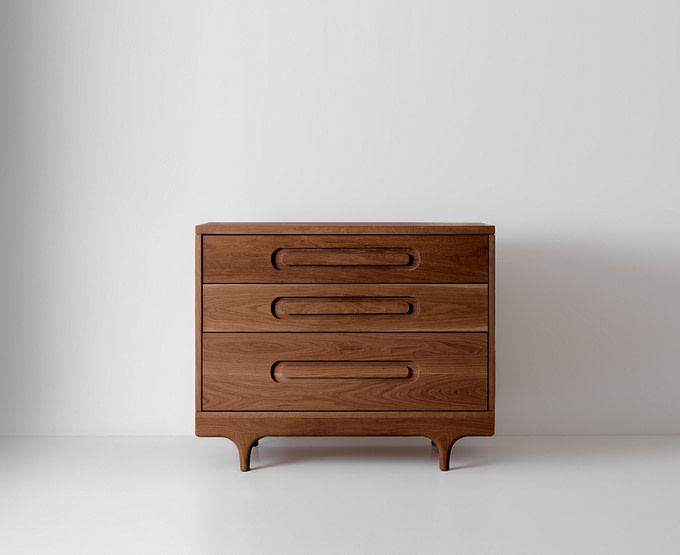
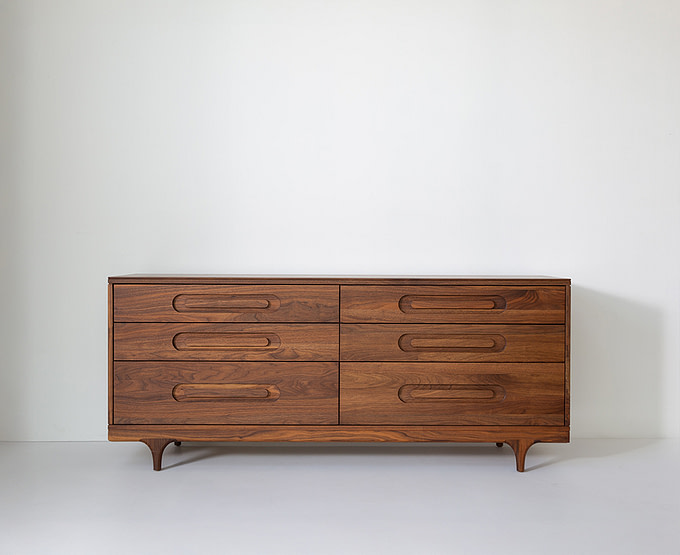
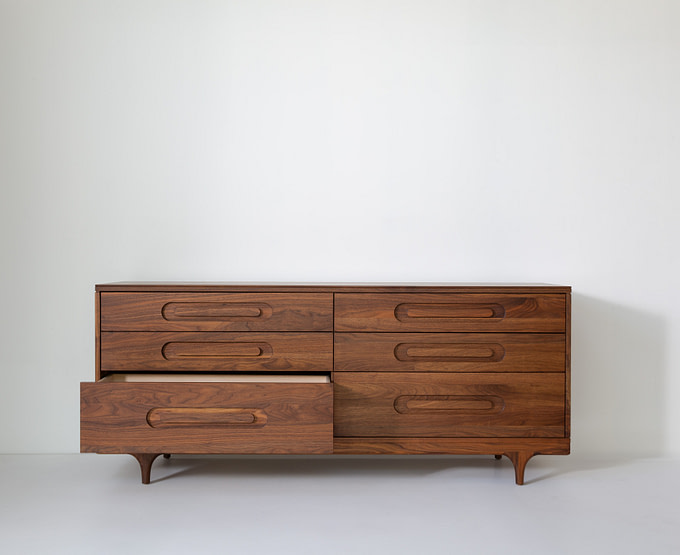
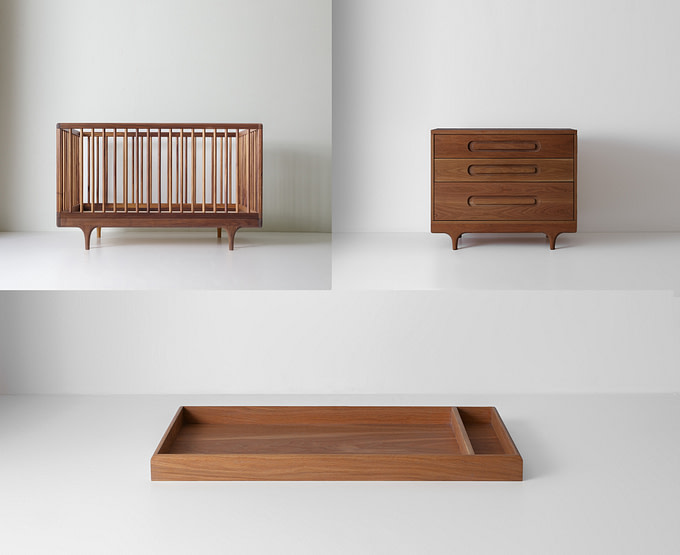
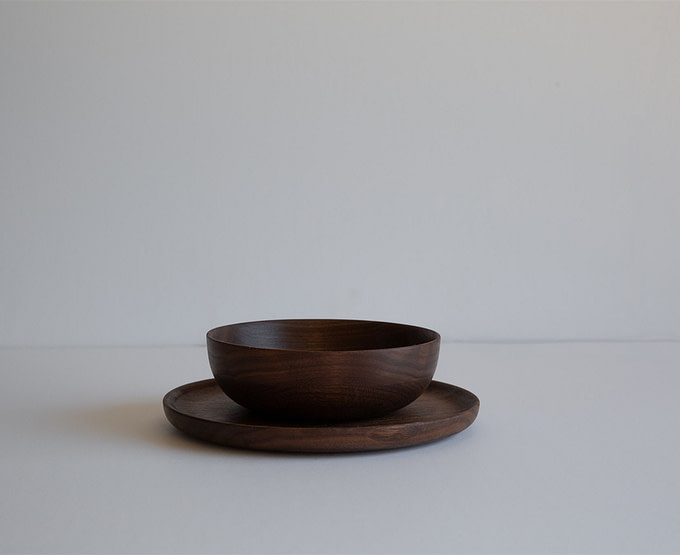
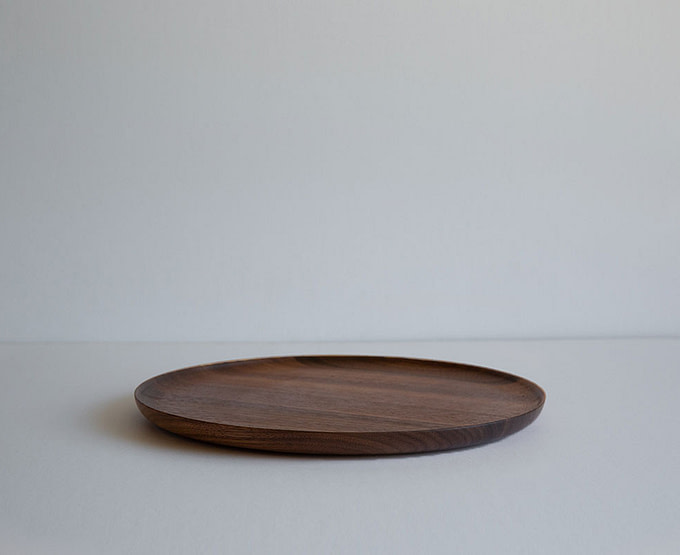
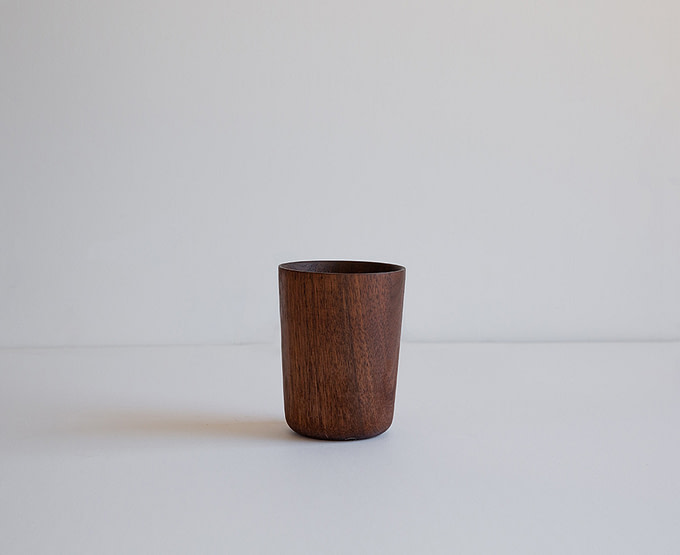
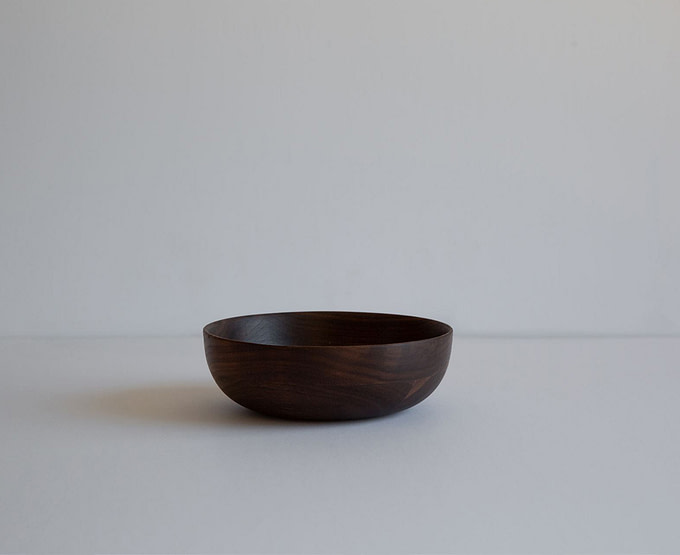
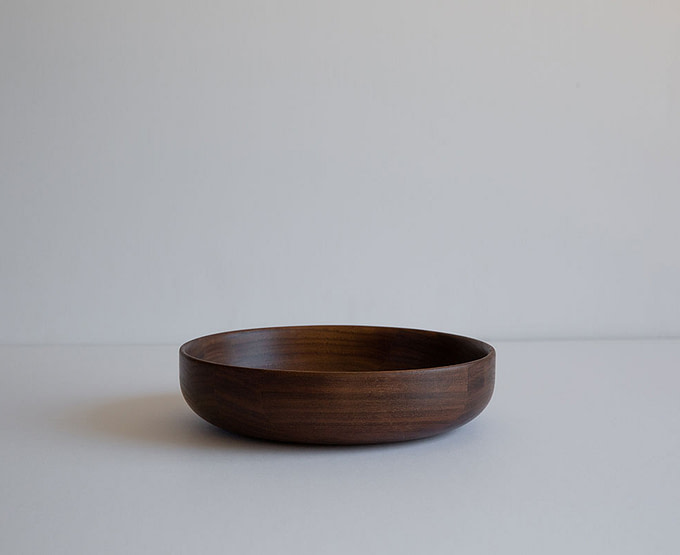
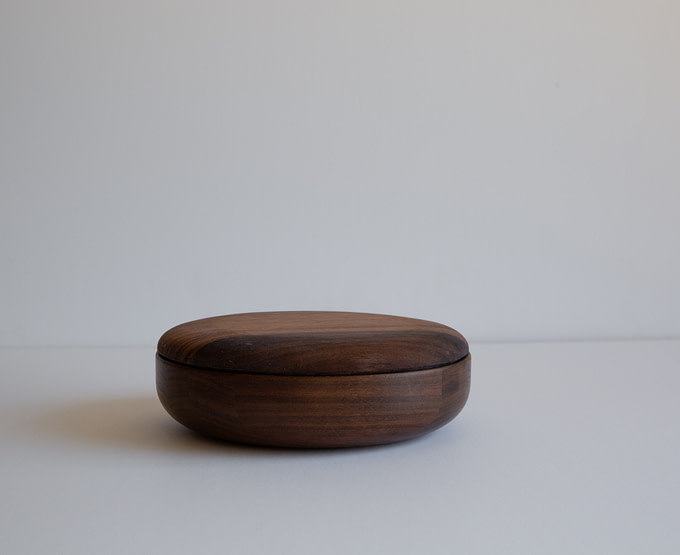
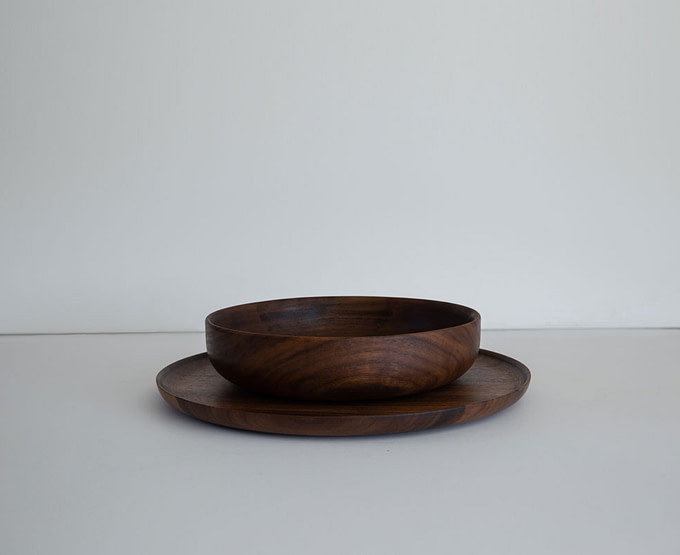
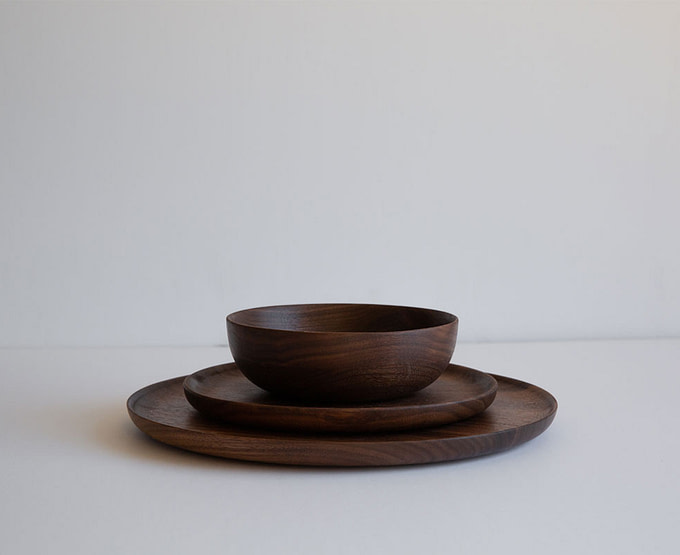
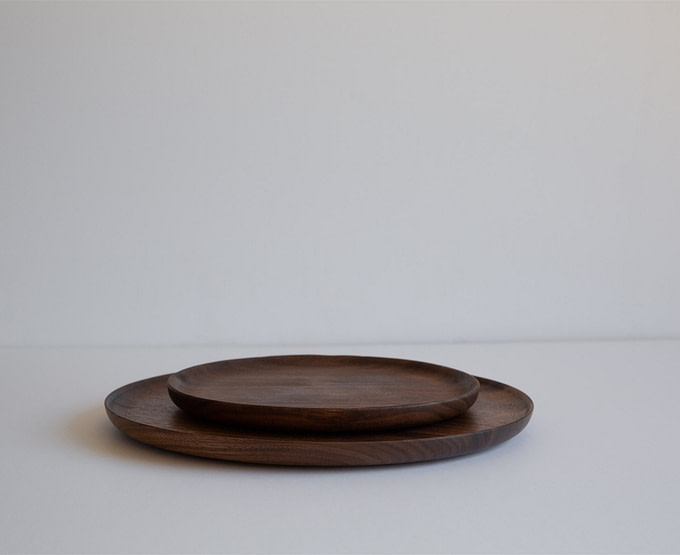
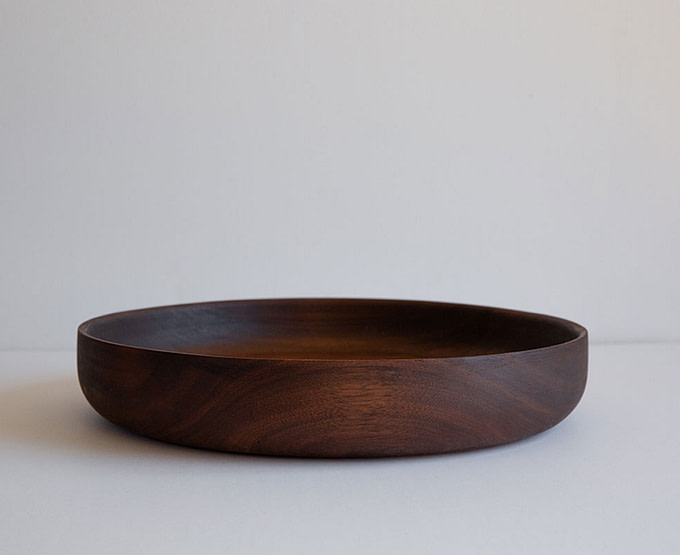
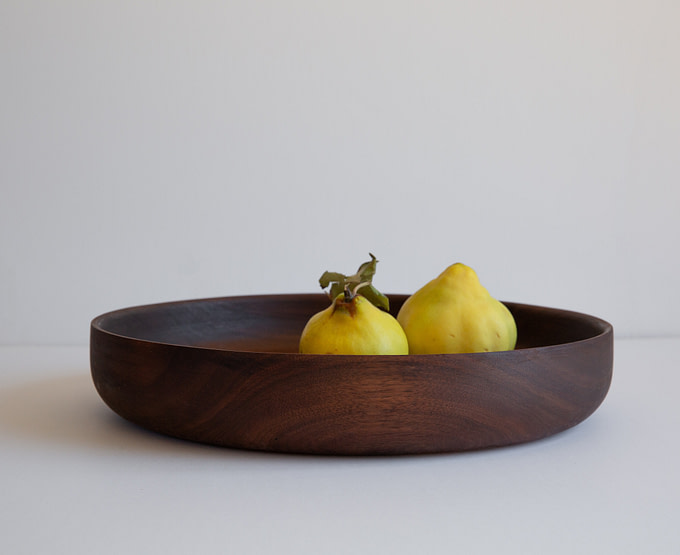
Black Walnut
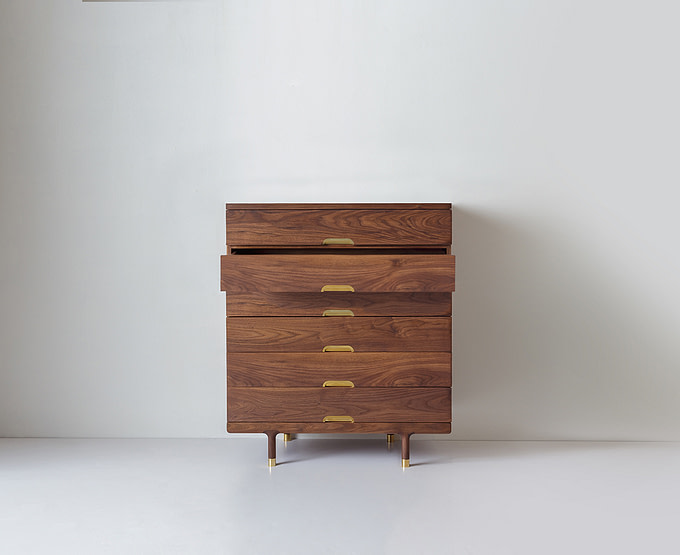
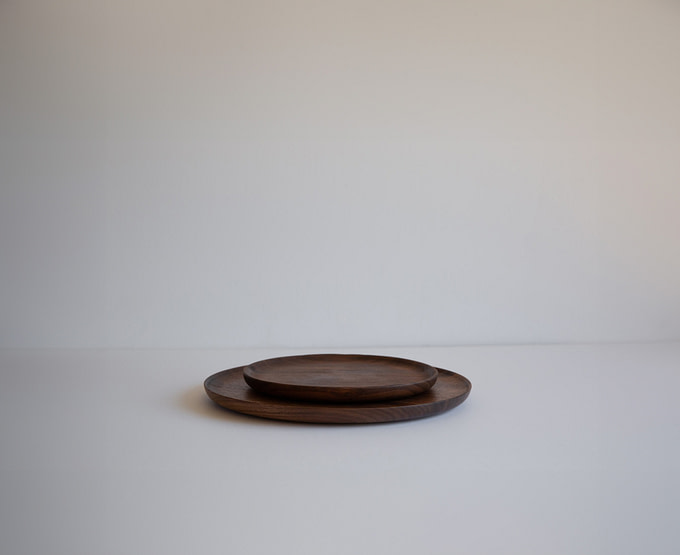
Natural Oil/Wax Finish
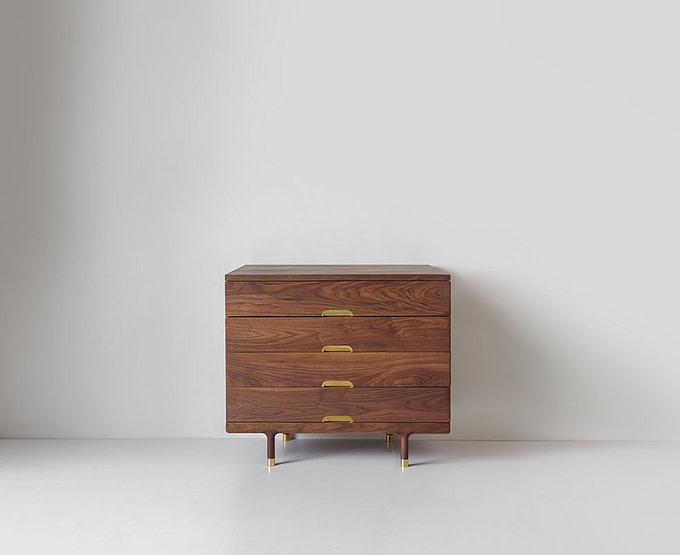
Rich chocolatey hues, blond highlights. Lighter patina, lighten with notes of honey.

Finishes
Finishing alters not only the appearance of a material but the way it responds to its environment. We use natural, “live” finishes that preserve breathability, protect the surface, and allow materials to age on their own terms. These finishes enhance tone and grain without forming a synthetic barrier, supporting the honest expression of the material and its gradual development of character over time.
Raw Finish
Ash
Sanded to a silken, smooth finish, no oil finish applied
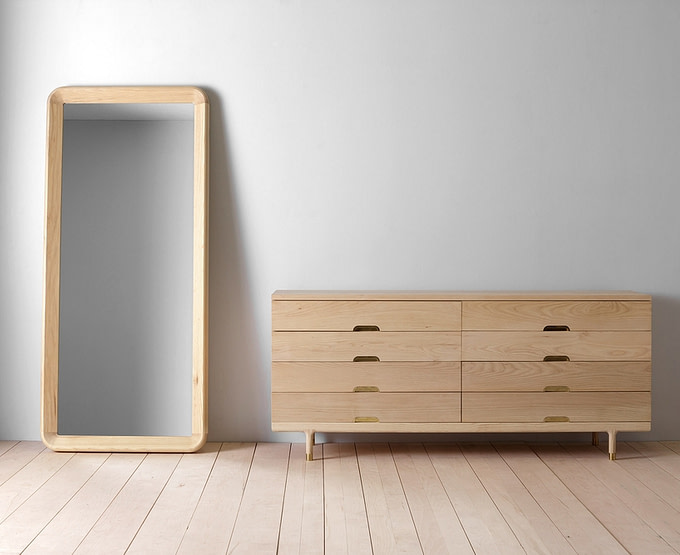
Kalon Bare Finish
Ash
For our lighter woods, we use Kalon Bare Finish, a premium, organic plant-based oil/wax finish, painstakingly developed to preserve the delicate, luminous beauty of raw wood. This hand-rubbed finish is water repellent and allows the wood to remain lighter for longer as the wood develops its natural patina through age and use.

Kalon Bare Finish
White Oak
For our lighter woods, we use Kalon Bare Finish, a premium, organic plant-based oil/wax finish, painstakingly developed to preserve the delicate, luminous beauty of raw wood. This hand-rubbed finish is water repellent and allows the wood to remain lighter for longer as the wood develops its natural patina through age and use.

Natural Oil/Wax Finish
White Oak
Our standard wood finish is a premium, organic plant-based oil/wax finish that brings out rich, honeyed tones in wood. It contains a sophisticated combination of natural resins and waxes that together penetrate the wood to create a durable, water repellent, water-mark resistant finish, enhancing and maintaining wood’s beauty and breathability.
Stone
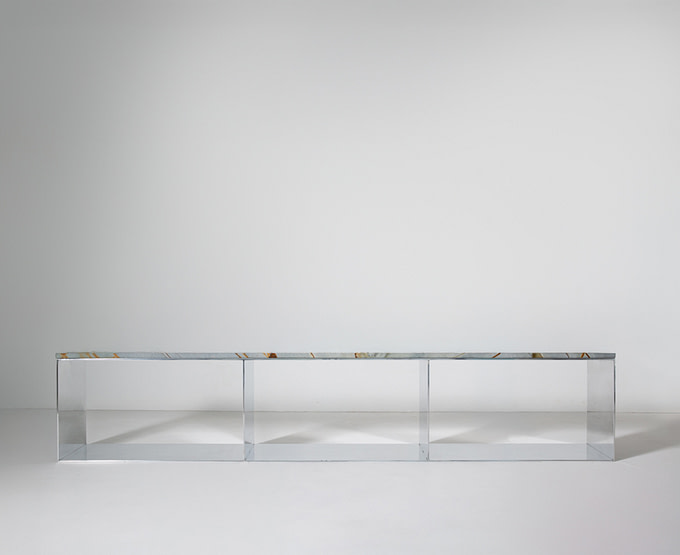
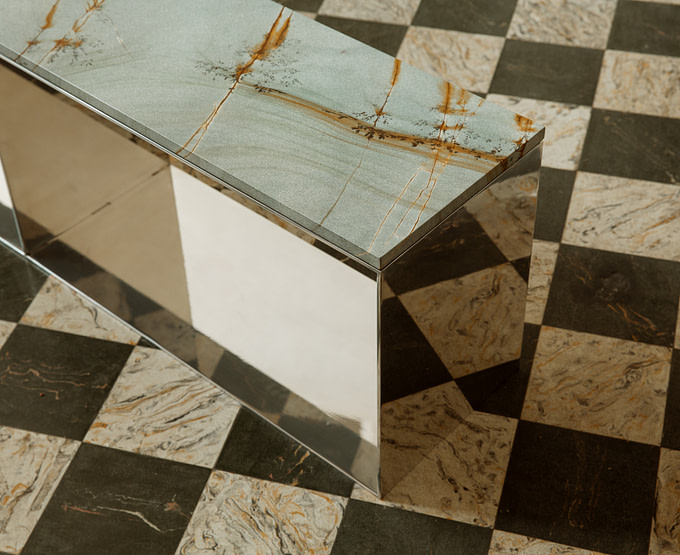
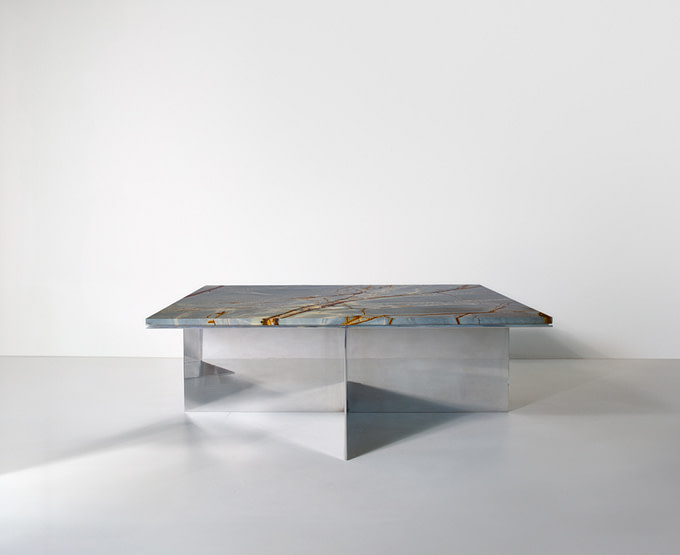
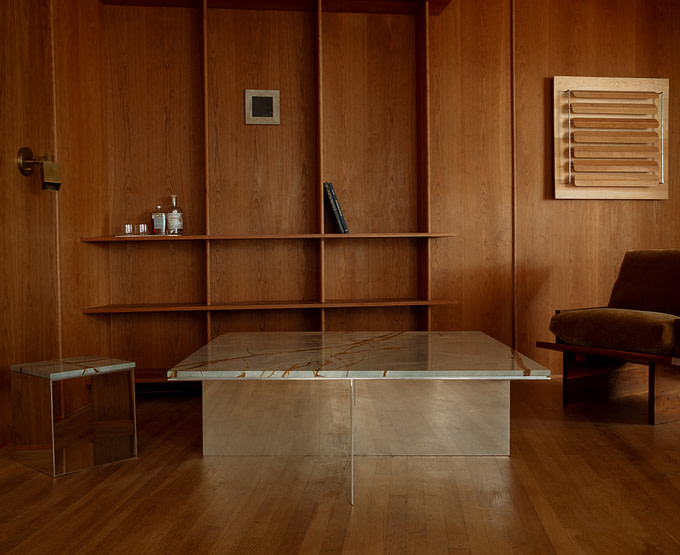
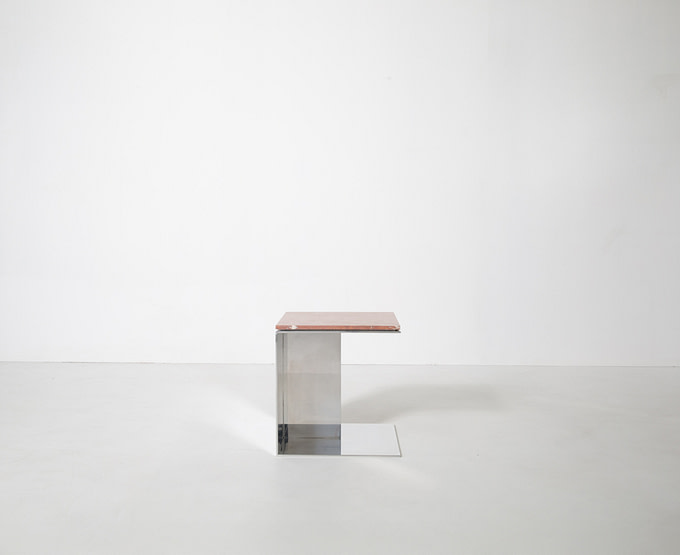
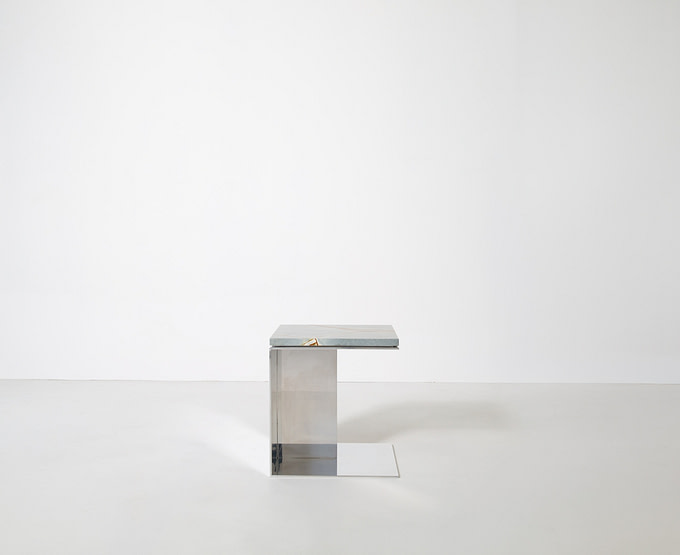
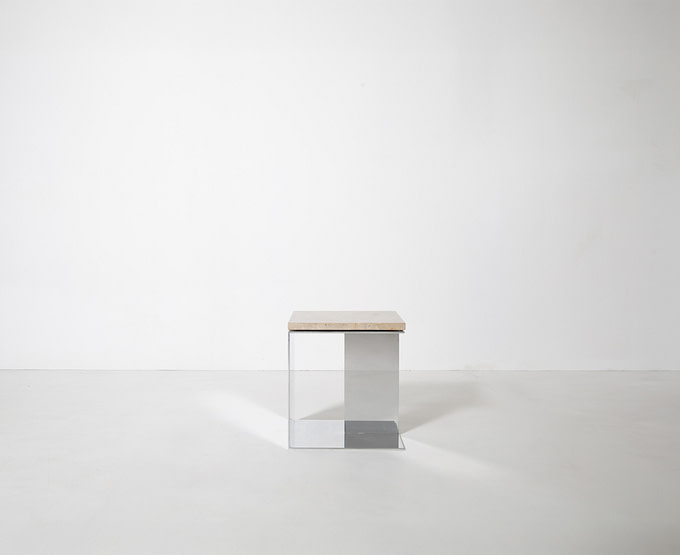
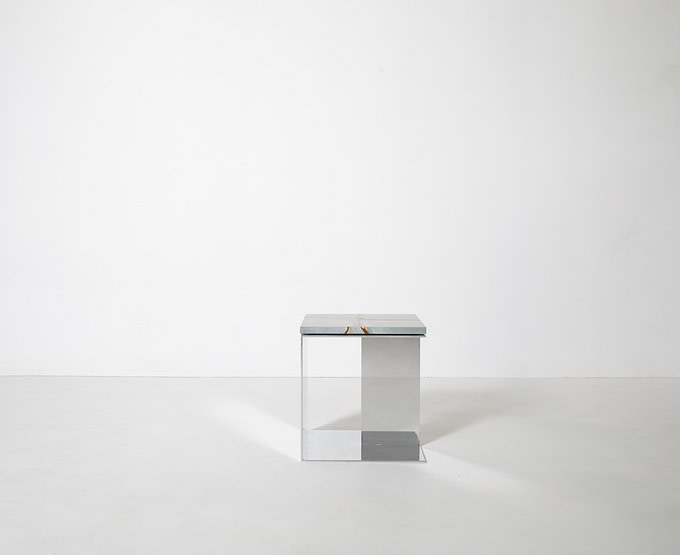
Stone carries time in its surface. Each slab is singular — its veining, color, and movement shaped by geological processes that cannot be replicated or controlled. These natural variations are integral to the design. In our work, stone is paired with pared-back, structural forms, where the contrast between precise geometry and the unpredictability of the material creates a tension that allows each piece to hold both clarity and complexity.

Iron Red
Polished
Earthy red marble with cream calcite veining

Mineral Gold
Polished
Warm, golden-beige marble with softer contrast

Mineral Blue
Polished
Blue-grey quartzite with dramatic rust and gold veining
 Brass
BrassMetals
Elegant, sturdy, tactile, and luminous, metal introduces a quiet clarity to our work — practical in function, poetic in presence. We select metals for their durability and inherent beauty, particularly their ability to age and transform over time. Rather than sealing the surface, we use a natural wax finish that allows each metal to develop a rich, living patina

Brass
Machined, Wax Finish
Our live wax allows our metals to develop a beautiful patina over time

Brass
Machined, Wax Finish
Our live wax allows our metals to develop a beautiful patina over time

Blackened Steel
Machined
Inspired by traditional Japanese metalworking and ironware techniques, particularly tetsubin cast iron kettles and the labor-intensive wara-ibushi patina technique.

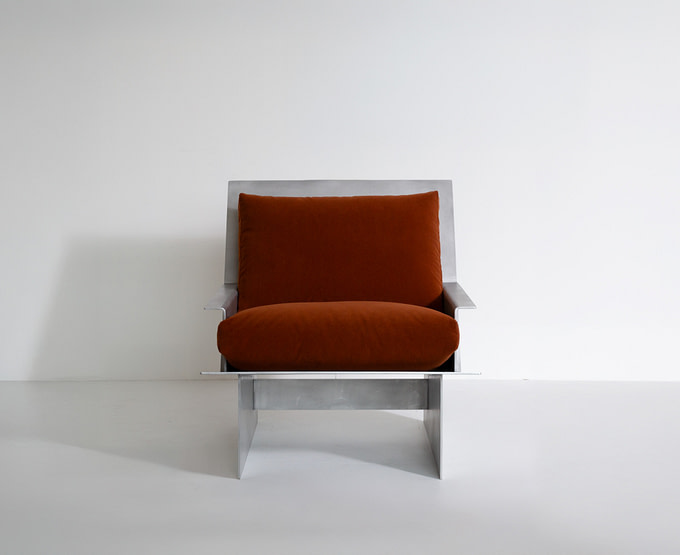
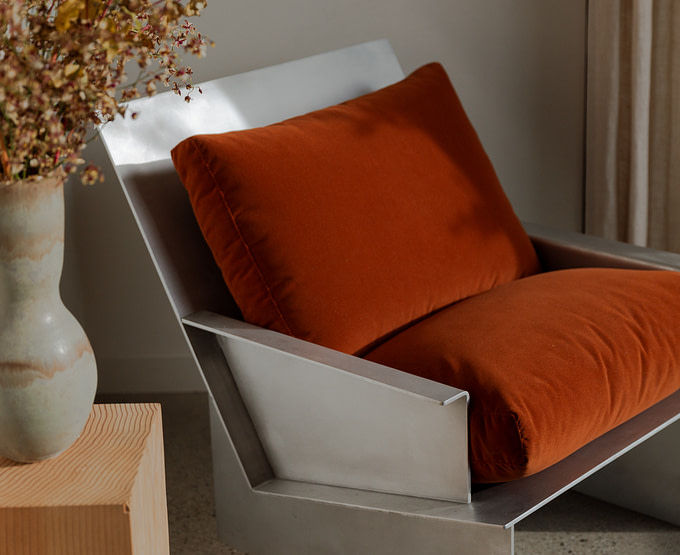
Brushed Aluminum

Aluminum
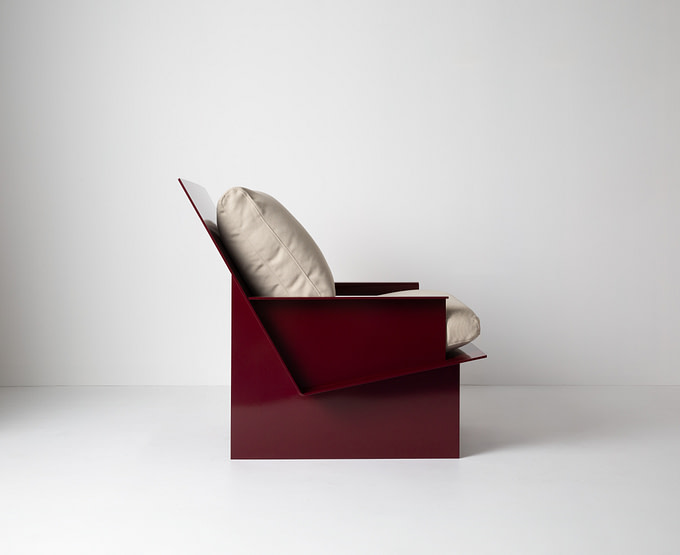
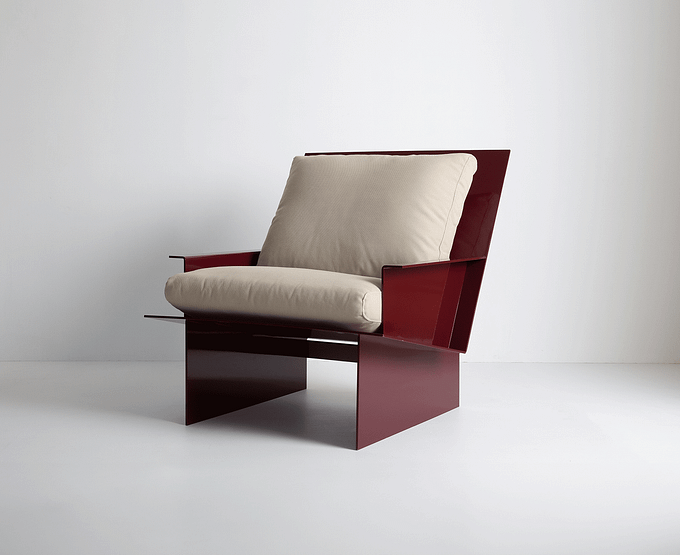
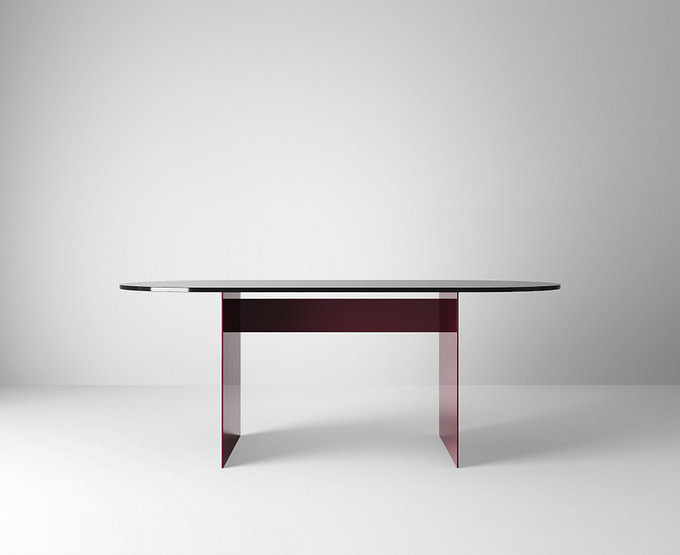
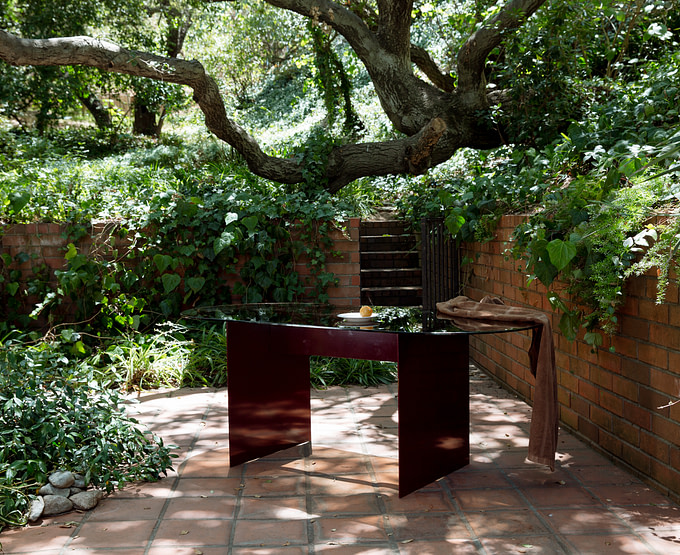
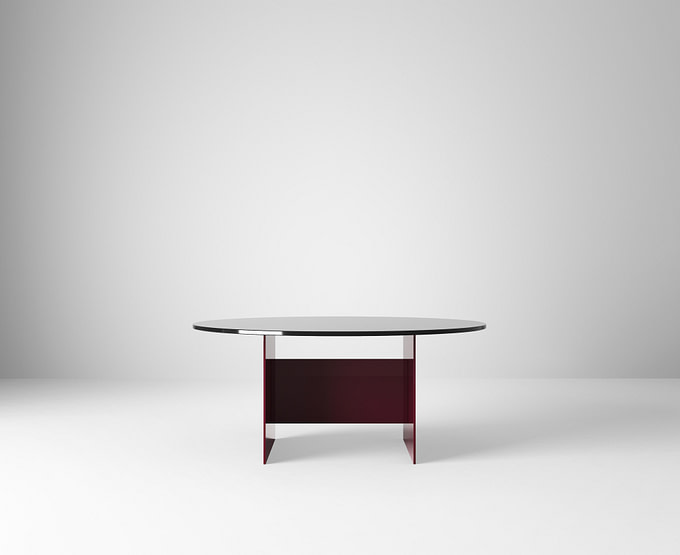
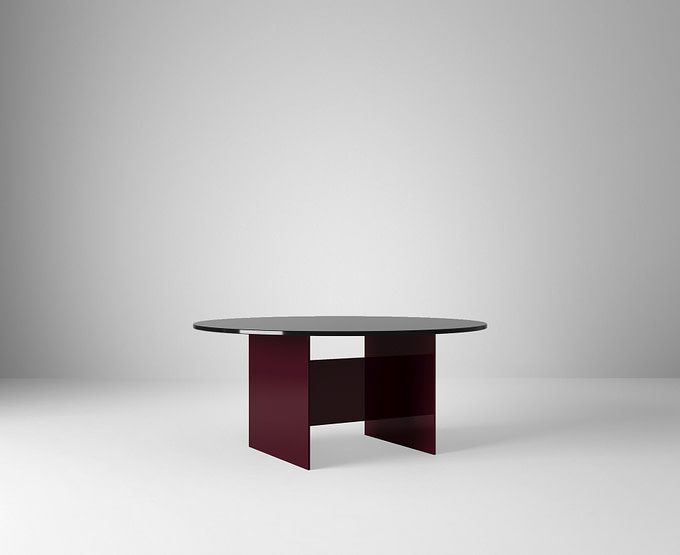
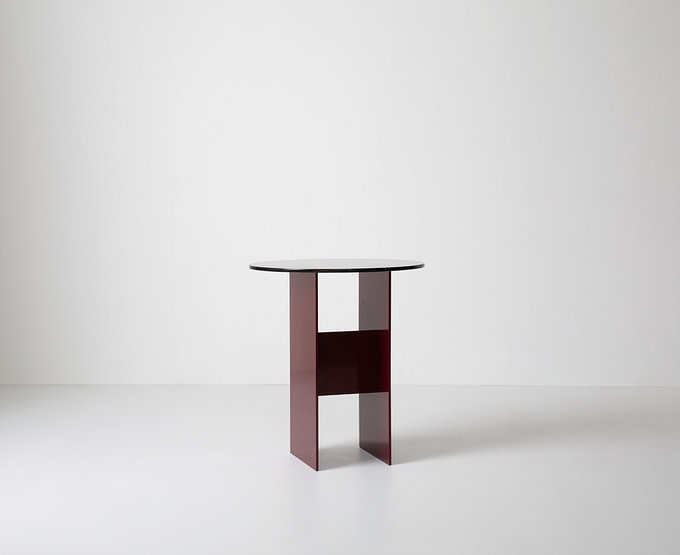
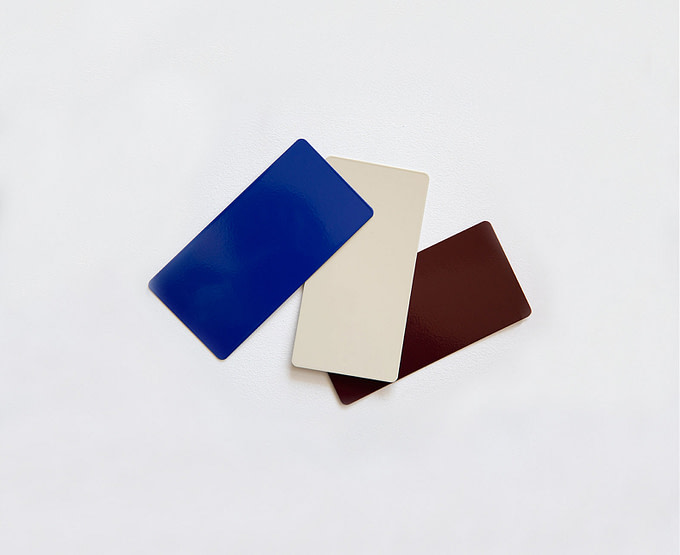
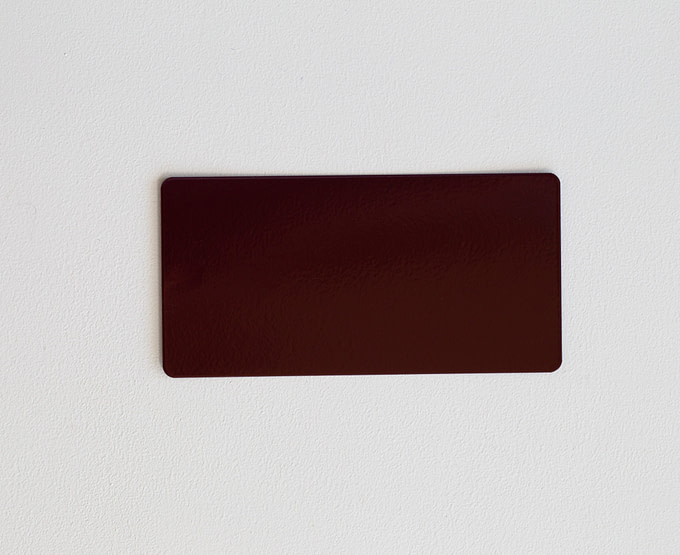
Oxblood

Aluminum
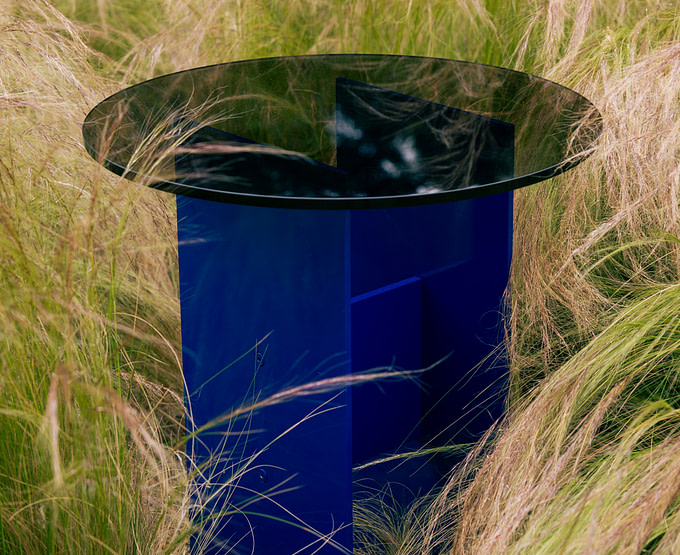
Lapis

Aluminum
Lime White
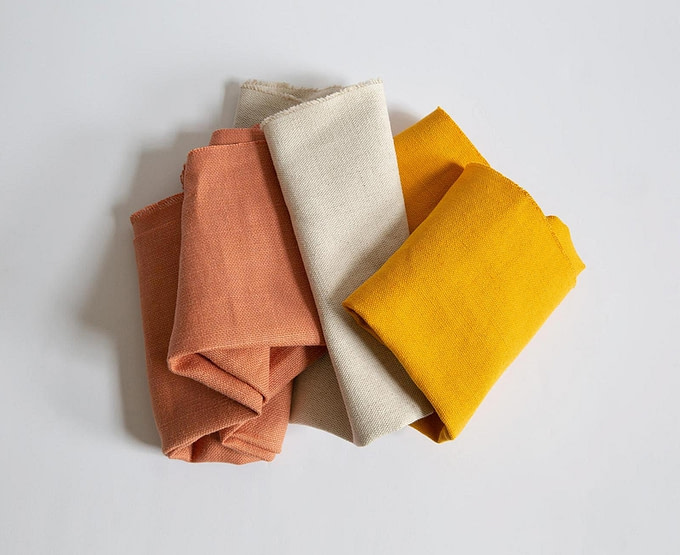
 Belgian Linen
Textiles
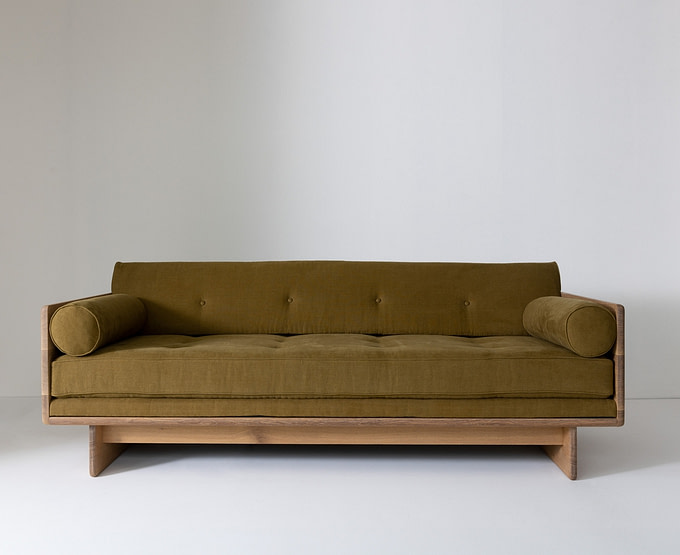
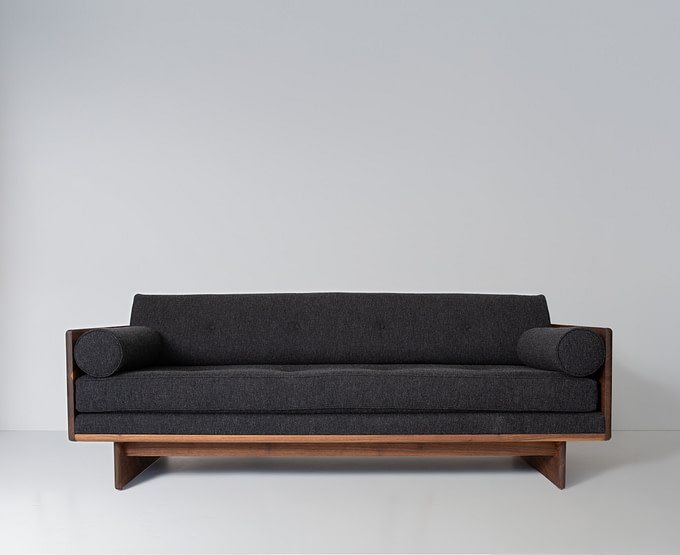
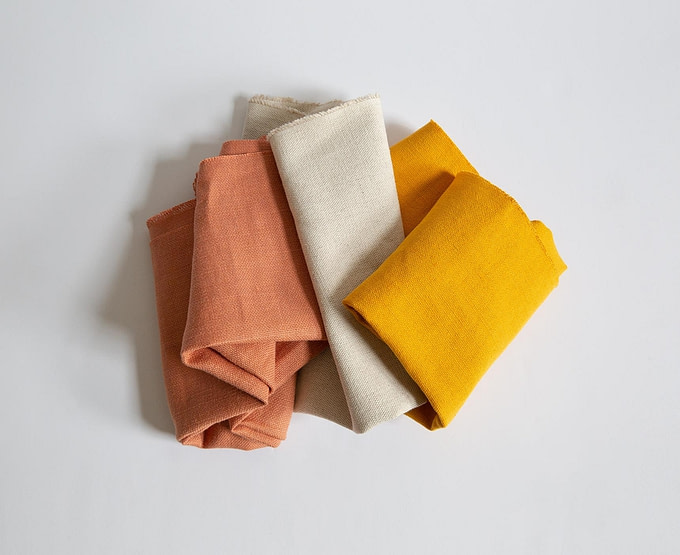
We work primarily with natural fiber textiles — linen, organic cotton, and wool — selected for their purity, traceability, and minimal processing. These materials are sourced with care from farmer to mill and contain no flame retardants or harmful chemical additives. For added durability in select upholstery applications, we allow for a small amount of synthetic content, never more than ten percent.
For outdoor pieces, we use high-performance synthetic textiles designed for exterior conditions. Natural fibers cannot withstand prolonged exposure to moisture and sunlight, and these fabrics offer the longevity and stability required for outdoor use.

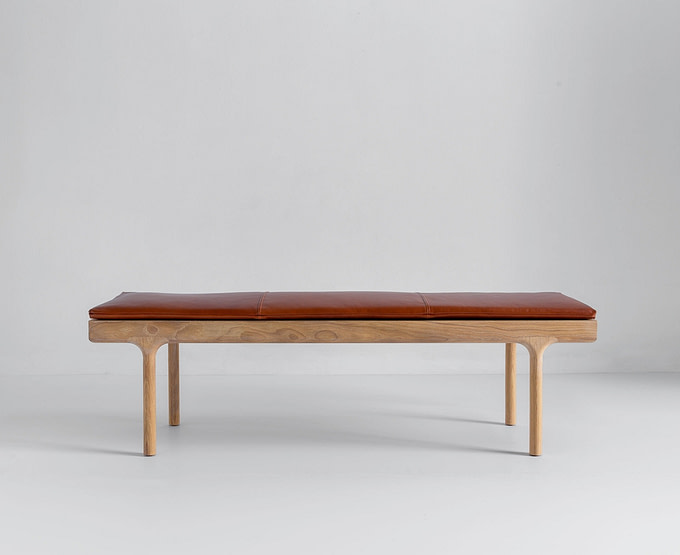
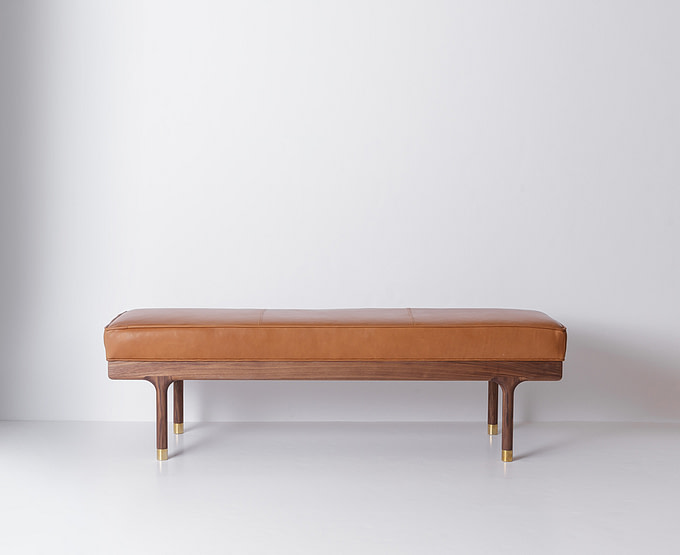
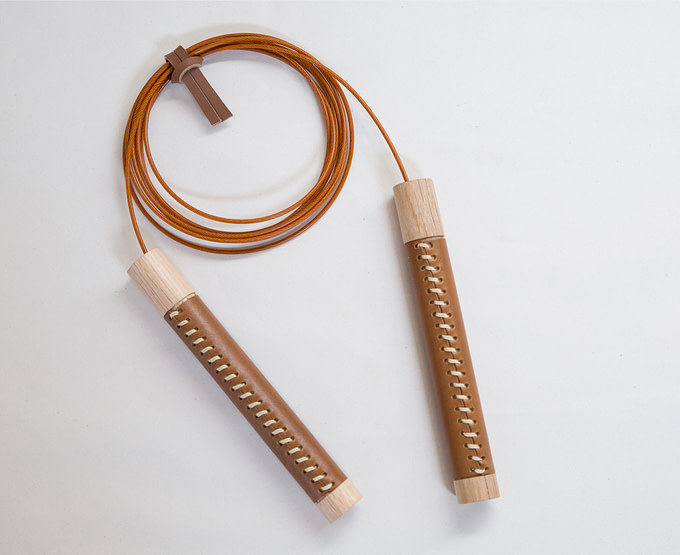
Cognac Leather
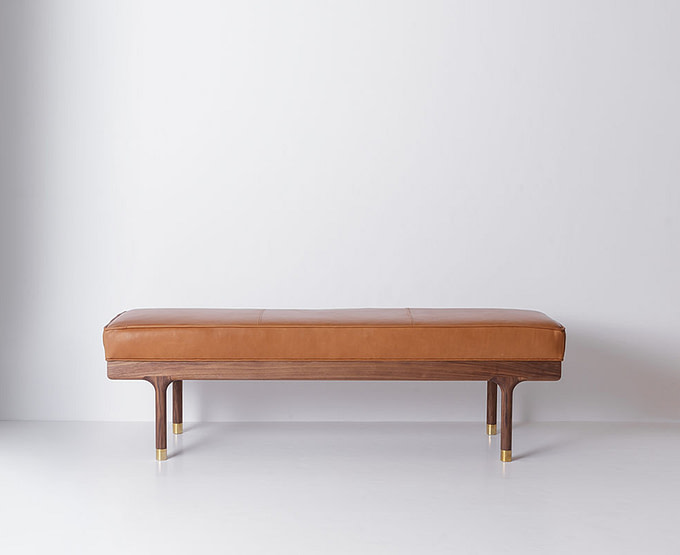
Vegetable-tanned, Aniline Leather
Medium honey-brown

Honey
Pure Aniline Leather

100% Velvet Mohair
Silvery-Fawn hue. Plush durable & resilient velvet. Resistant to moisture, stretching and creasing and is inherently flame resistant

100% Velvet Mohair
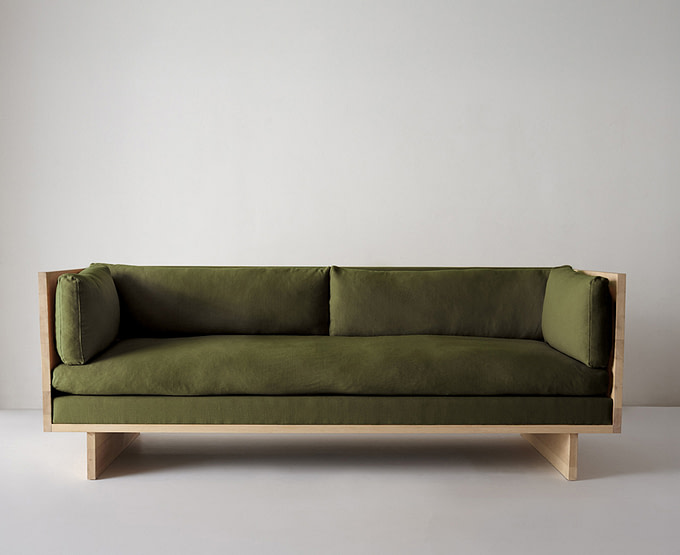
Deep emerald green. Plush durable & resilient velvet. Resistant to moisture, stretching and creasing and is inherently flame resistant

Umber
Velvet Mohair
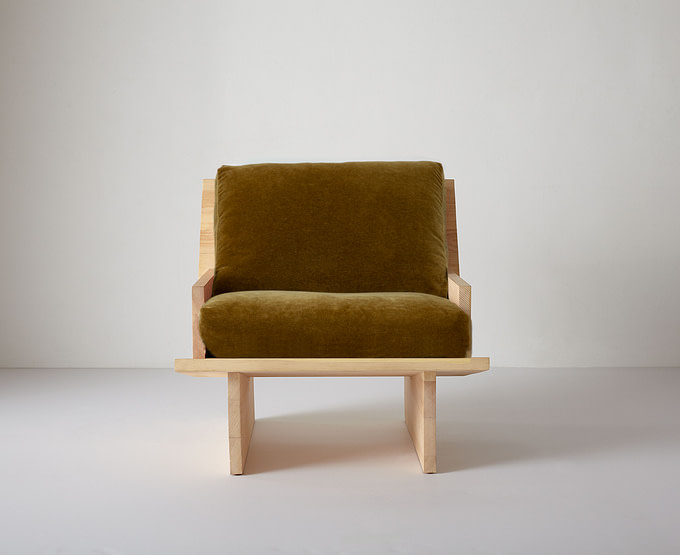
Rich, caramel-tan hue. Plush durable & resilient velvet. Resistant to moisture, stretching and creasing and is inherently flame resistant

Sage
Stonewashed Belgian Linen
Warm khaki-green with a soft, brushed texture

Nopal
Stonewashed Belgian Linen
Mossy, army-green with a soft, brushed texture

Oatmeal
Cotton Linen Blend
Soft, white with gray undertones

Apricot
100% Belgian Linen
Warm yellowish-orange hue

Egg
Cotton Linen Blend
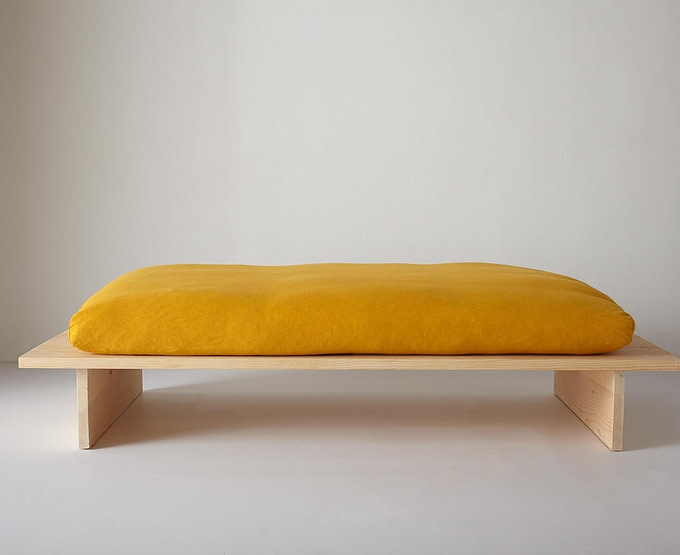
Golden, egg-yolk yellow

Yves
Cotton Linen Blend
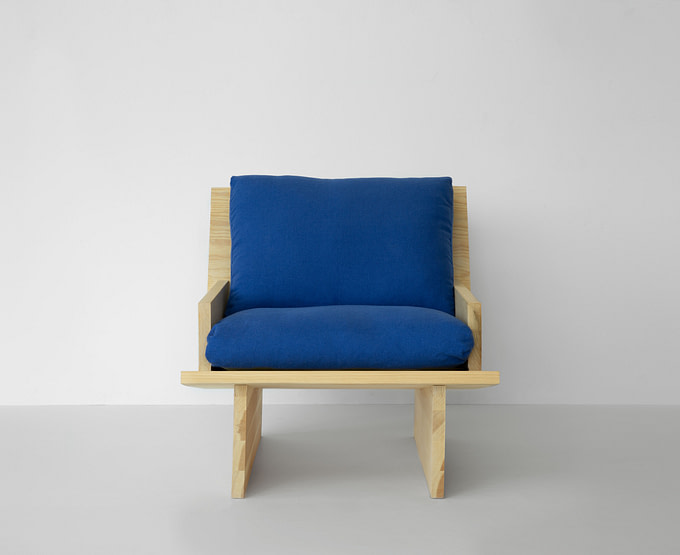
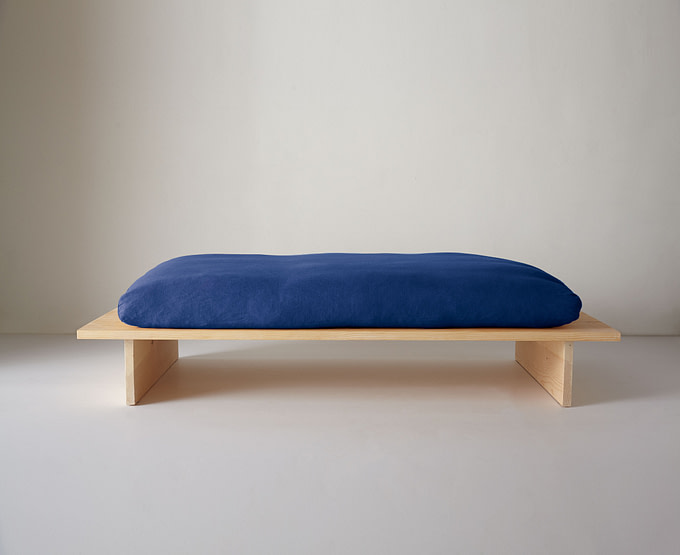
A deep, ultramarine blue

Toostripe Ochre
Wool Blend
Alexander Girard

Macclesfield Walnut
100% Linen
Rose Cumming Archive

Macclesfield Blue
100% Linen
Rose Cumming Archive

Macclesfield Green
100% Linen
Rose Cumming Archive

Flora Chocolate
Egyptian cotton percale
Warner Textile Archive

Flora Slate
Egyptian cotton percale
Warner Textile Archive

Chequerboard

Sonoma Check
100% Linen
Navy, White Check

Clay (Outdoor)
Greenguard Certified 100% Trevira
Soft, lovely hand-feel. PFAS-free, environmentally-focused finish, which is water-repellent and fast-drying. It also provides resistance against chlorine, seawater, artificial weathering and is flame-retardant.

Carmine (Outdoor)
Greenguard Certified 100% Trevira
Rich, deep red with violet undertones. Soft, lovely hand-feel. PFAS-free, environmentally-focused finish, which is water-repellent and fast-drying. It also provides resistance against chlorine, seawater, artificial weathering and is flame-retardant.

Forest
Greenguard Certified 94% Wool blend
A deep, shadowy green. Woven from bouclé yarns with a gentle, satin finish, and an inviting texture.

Ink
Greenguard Certified 94% Wool blend
A midnight blue. Woven from bouclé yarns with a gentle, satin finish, and an inviting texture.

Plum
Greenguard Certified 94% Wool blend
A decadent, dark purple. Woven from bouclé yarns with a gentle, satin finish, and an inviting texture.

Salt
Greenguard Certified 94% Wool blend
A softly shaded white. Woven from bouclé yarns with a gentle, satin finish, and an inviting texture.

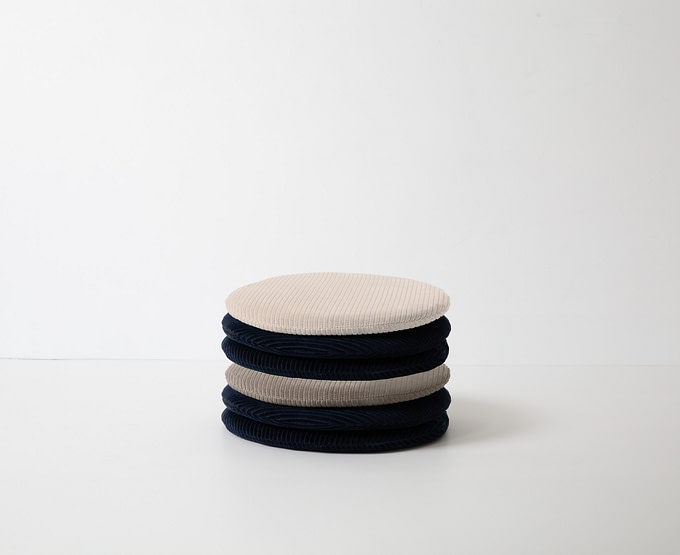
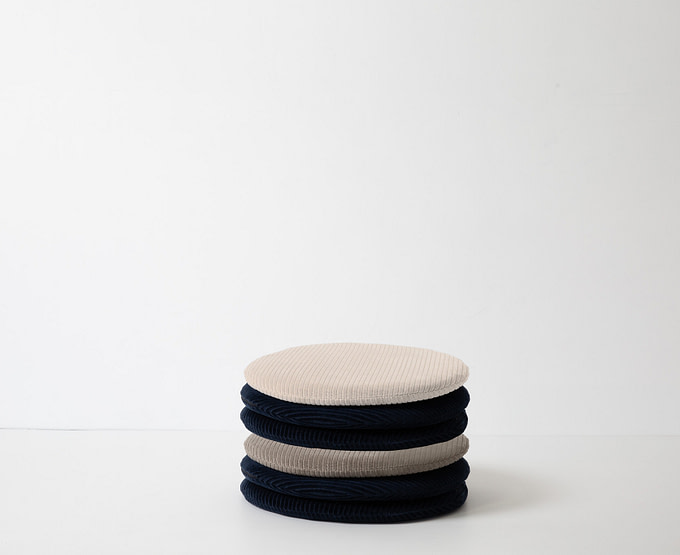
Ink
Greenguard Certified cotton-blend (90% cotton, 10% synthetic)
A rich midnight blue. Plush, large-scale ribbed corduroy.

Smoke
Greenguard Certified cotton-blend (90% cotton, 10% synthetic)
A warm, silverly grey. Plush, large-scale ribbed corduroy.

Paper
Greenguard Certified cotton-blend (90% cotton, 10% synthetic)
A shaded, pearl white. Plush, large-scale ribbed corduroy.

100% pure virgin wool bouclé
Soft, white with beige undertones

100% pure virgin wool bouclé
Grey with beige undertones

Beige Steelcut Trio 225
Wool Blend
Weave of red, yellow and blue. Hardwearing with a three-dimensional surface

White Steelcut Trio 105
Wool Blend
Weave of white and grey. Hardwearing with a three-dimensional surface

Navy Steelcut Trio 883
Wool Blend
Weave of deep and electric blue. Hardwearing with a three-dimensional surface

Grey Steelcut Trio 113
Wool Blend
Weave of grey and light blue. Hardwearing with a three-dimensional surface

Pink Steelcut Trio 515
Wool Blend
Weave of red, yellow and white. Hardwearing with a three-dimensional surface

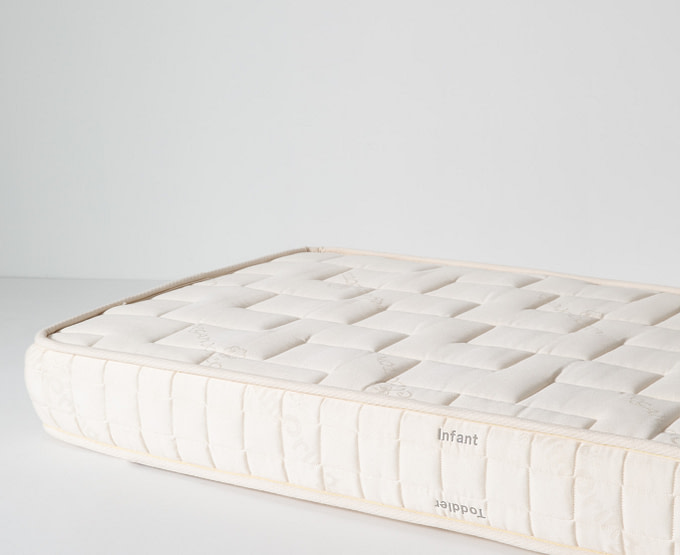
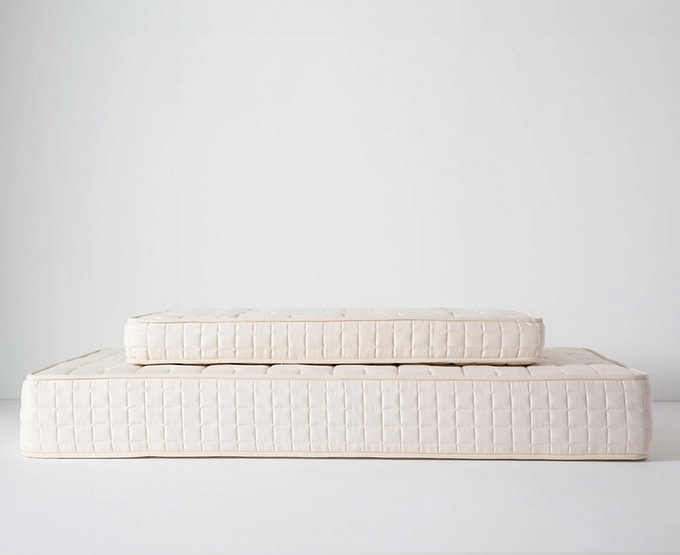
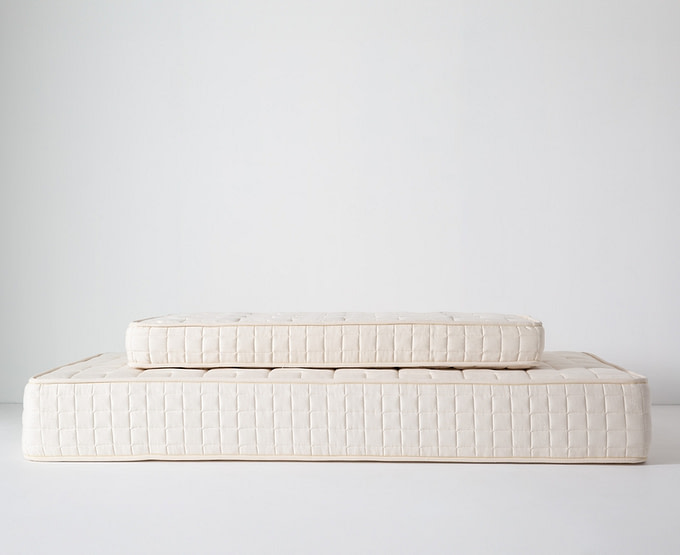
Upholstery Fill, Cushioning & Mattresses
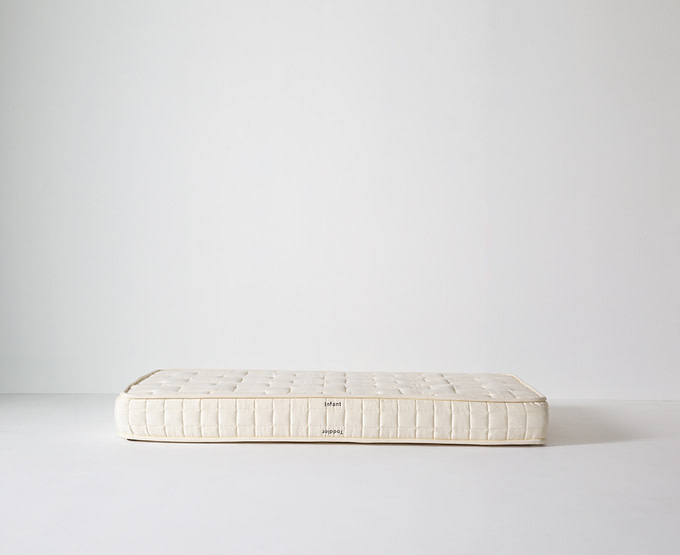
Our upholstery fills and mattresses use only pure, certified natural materials. Each component is carefully sourced and verified for organic content at every stage of production, from farmer and crop to factory. These materials are naturally breathable, hypoallergenic, and resistant to bacteria and mold. They provide inherent fire resistance without chemical flame retardants and are entirely free of additives, synthetic foams, and toxins.

Organic Cotton Ticking
GOTS-Certified
Breathable, durable, hypoallergenic, allows for natural temperature regulation and cooling

Organic Raw Cotton Fiber
GOTS-Certified
Absorbent, breathable, hypoallergenic, non-toxic, wicking

Natural Premium Rustic Wool
GOTS-Certified
Naturally fire-retardant & antimicrobial, resilient, durable and moisture-wicking, superior to all other fibers in its ability to handle body moisture in both warm and cool environments

Organic Cotton Lining
GOTS-Certified
Breathable, hypoallergenic, allows for natural temperature regulation and cooling

Organic Palm Coir
ECO Institute Certified
Naturally hypoallergenic and resistant to bacteria, dust mites, and mold, naturally cooling — coconut fiber from recycled coconut husks

Organic Natural Latex
Hand-molded, GOLS-Certified
Naturally hypoallergenic and resistant to bacteria, dust mites, and mold, naturally cooling — Derived from organic rubber trees