The Meaning of Objects
Cultivating resonance and narrative.
The objects we surround ourselves with carry a certain power. They shape how we engage with our environment and may call forth memories or emotions. They also tell our stories — of desire, past and future, of experiences cherished. Our objects are like tangible impulses of intention and archivization. In other words, they are not simply stuff.
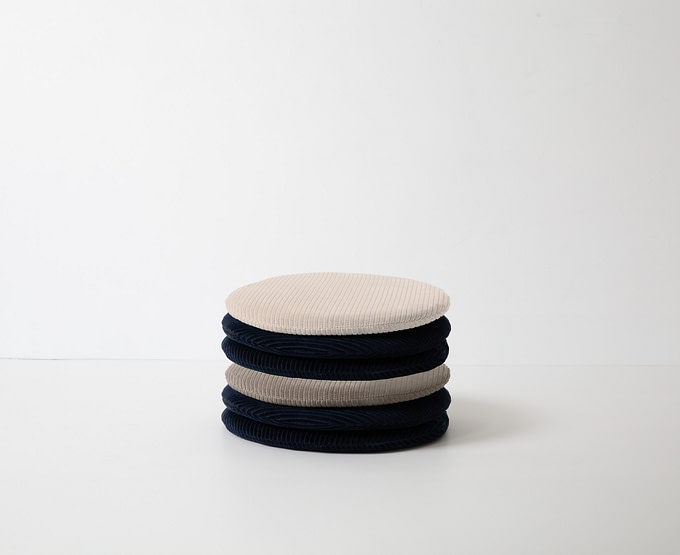
This sensibility is explored and unpacked by Leonard Koren, the artist, aesthetics luminary, and ponderer of modest subjects like raking leaves, in his 2003 book Arranging Things: A Rhetoric of Object Placement. Featuring beautiful paintings by Natalie Du Pasquier, wherein ordinary things are stacked, clustered, and otherwise displayed, Arranging Things contemplates what makes certain arrangements so extraordinary. Importantly, Koren distinguishes between objects arranged in the ‘real world’ versus objects arranged in the ‘art world.’ Real world compositions, he says, do not obfuscate their meaning or communication system: They are for all to see and understand.
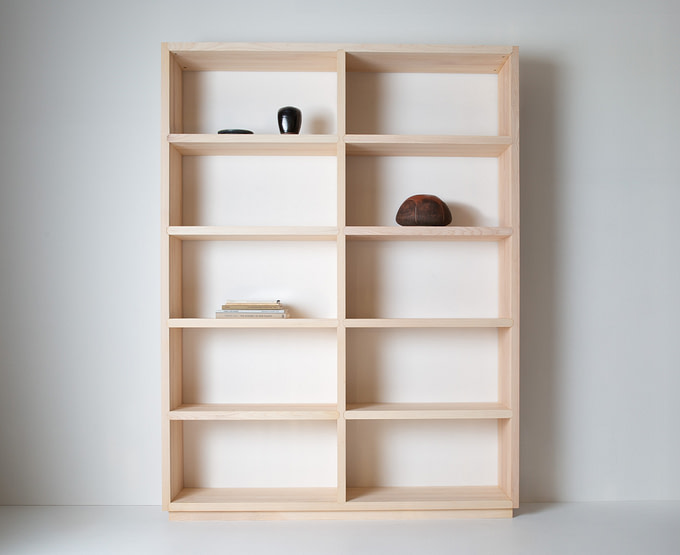
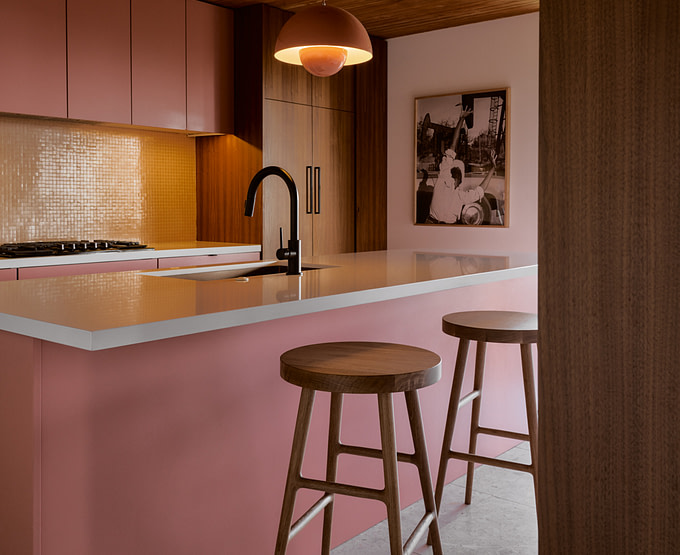
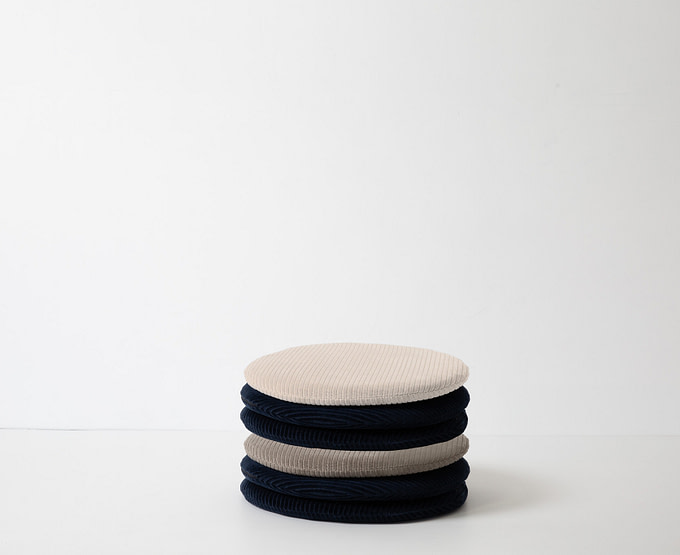
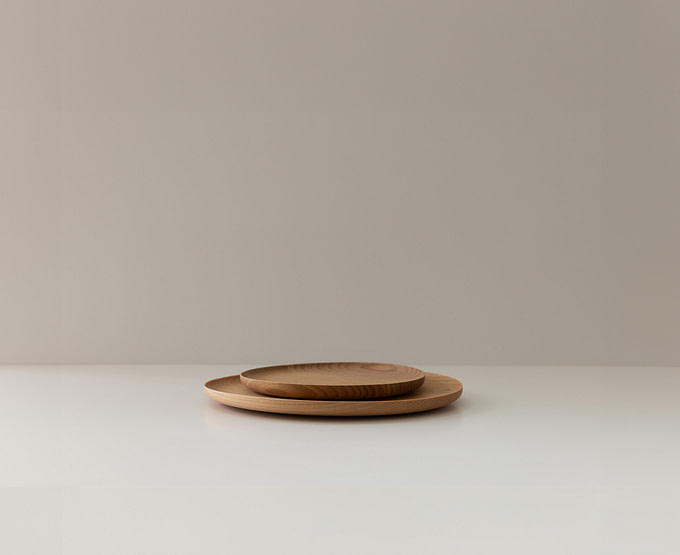
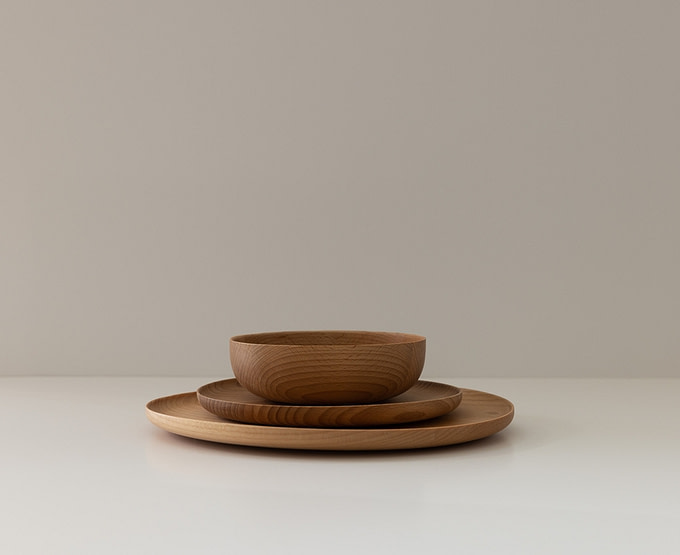
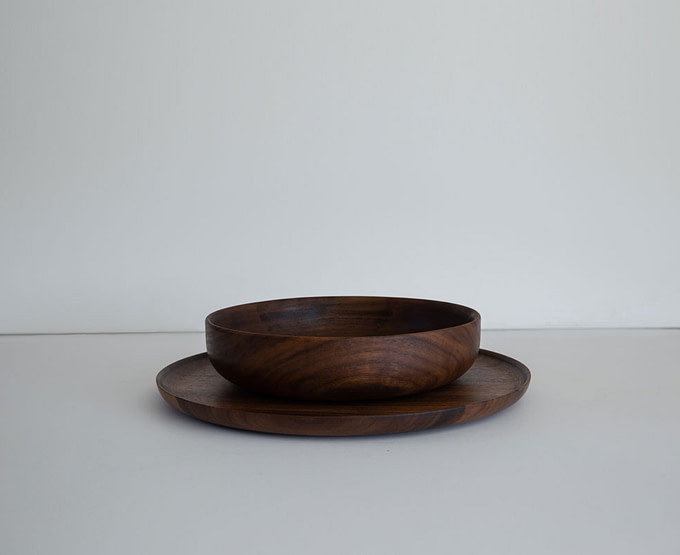
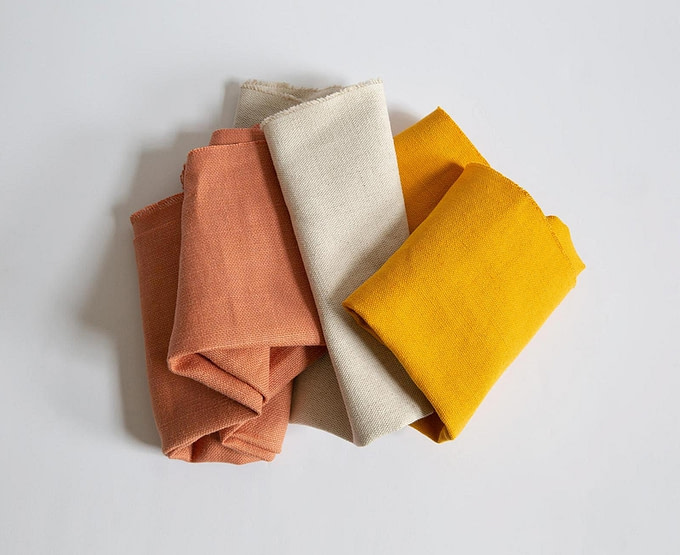
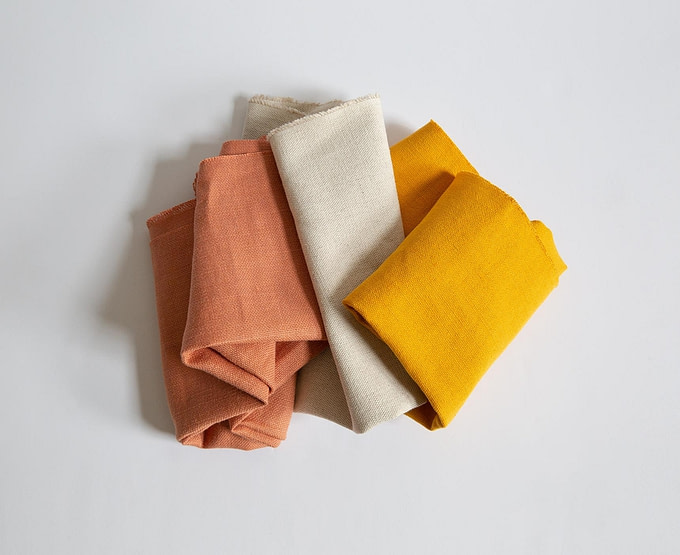
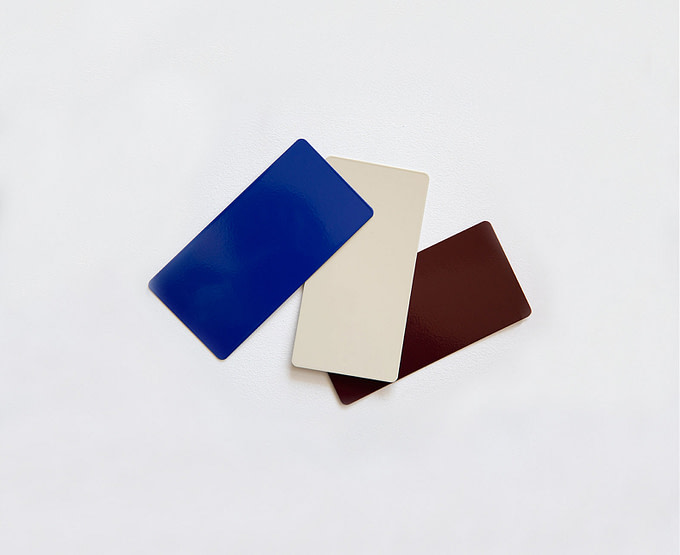
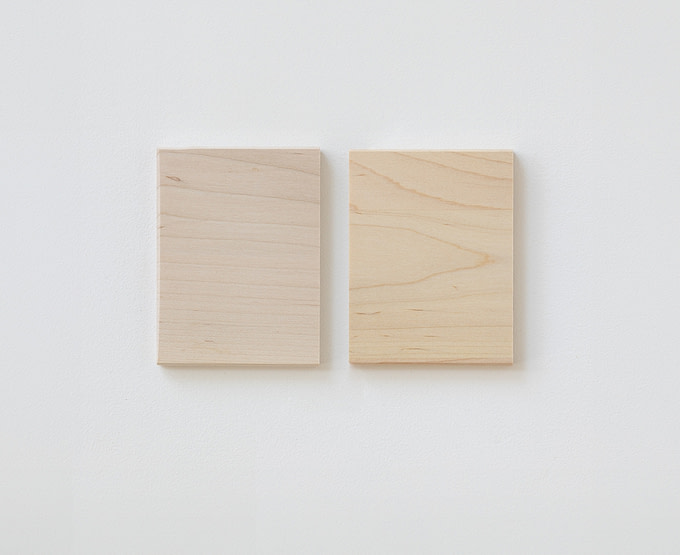
Koren also offers a “rhetoric of arranging” that comprises eight principles, with the hope of cultivating “a greater appreciation of the reality of reality.” Some of these principles are accessible and universal: For example, sensoriality refers to qualities like color, texture, pattern, and tactility; Hierarchy to variations in height, shape, and depth as they relate to their surroundings; Coherence to how well an idea, shape, or color story come together. Others are more emotional, subjective: Narrative, wherein the combination of objects communicates a story; and resonance, when objects convey a unique significance or personal meaning for the arranger.
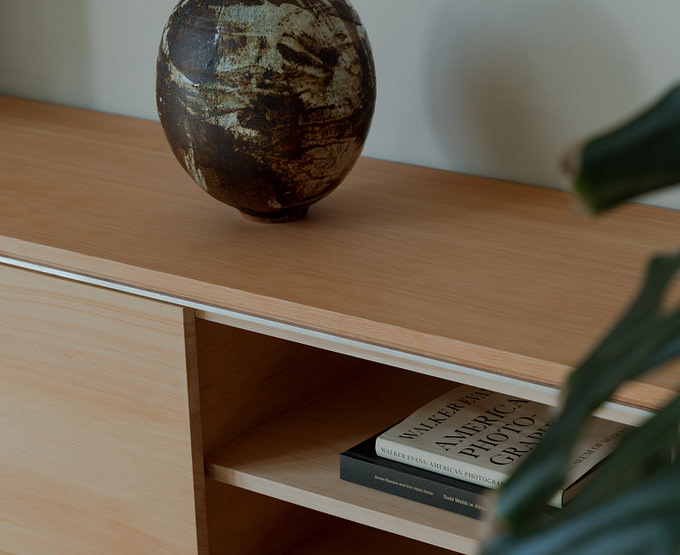
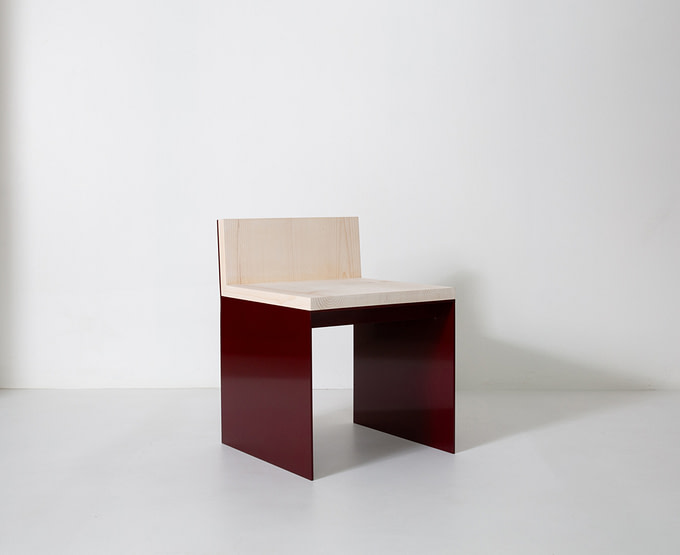
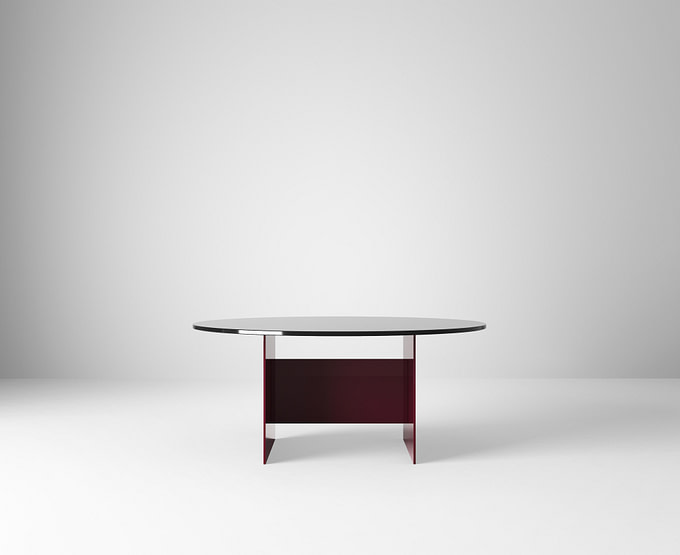
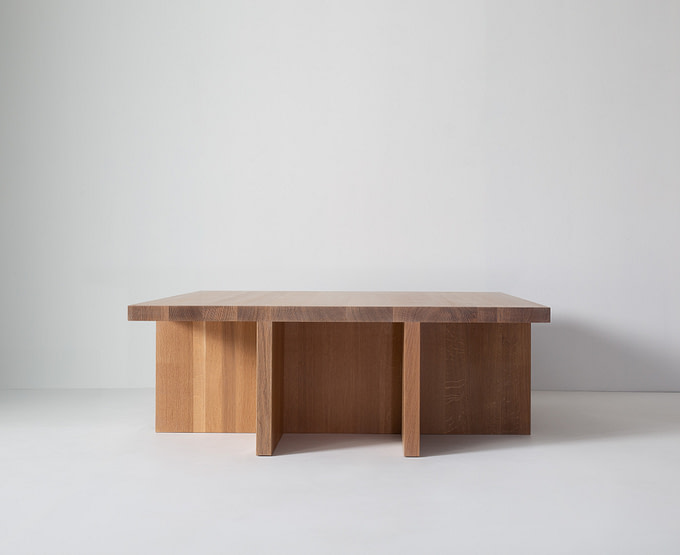
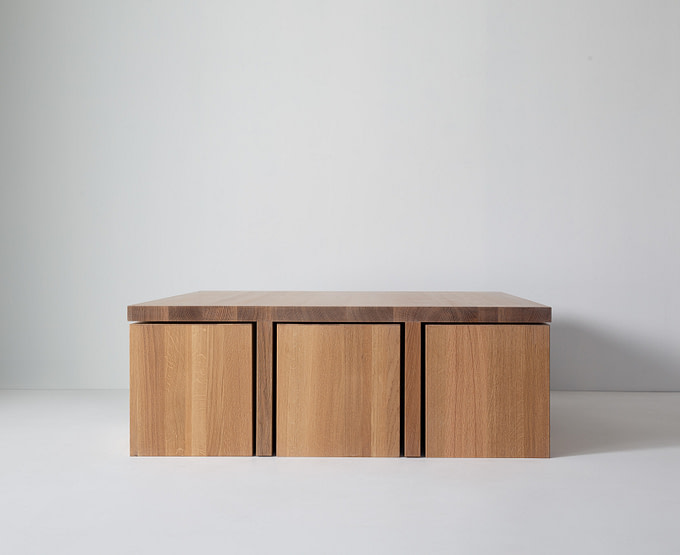
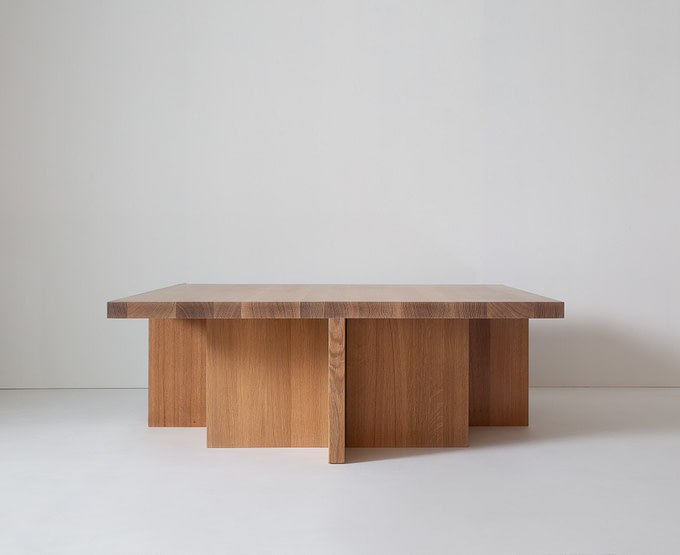
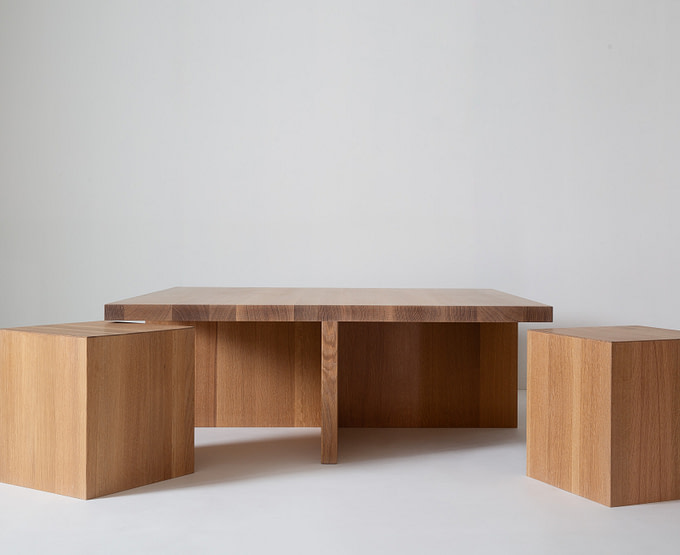
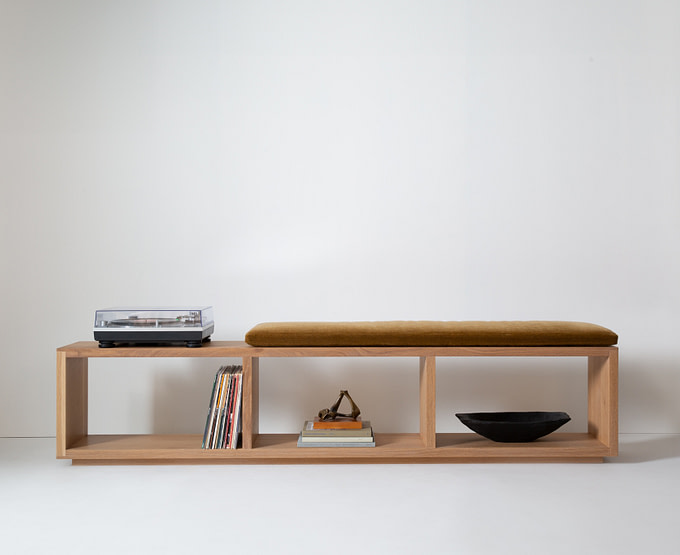
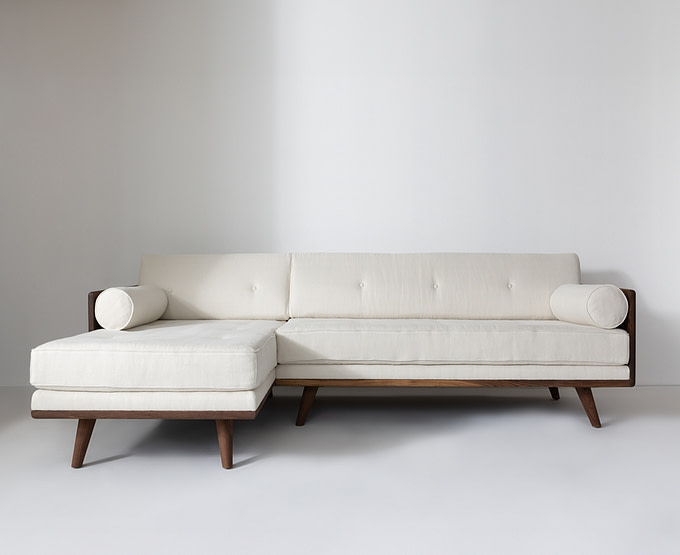
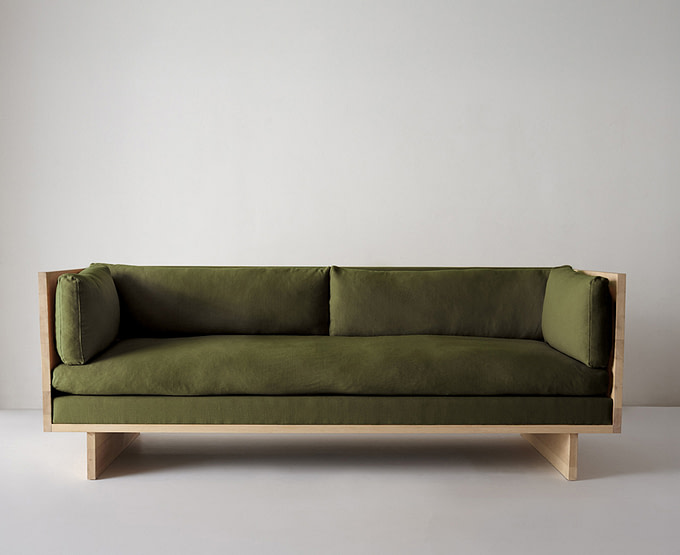
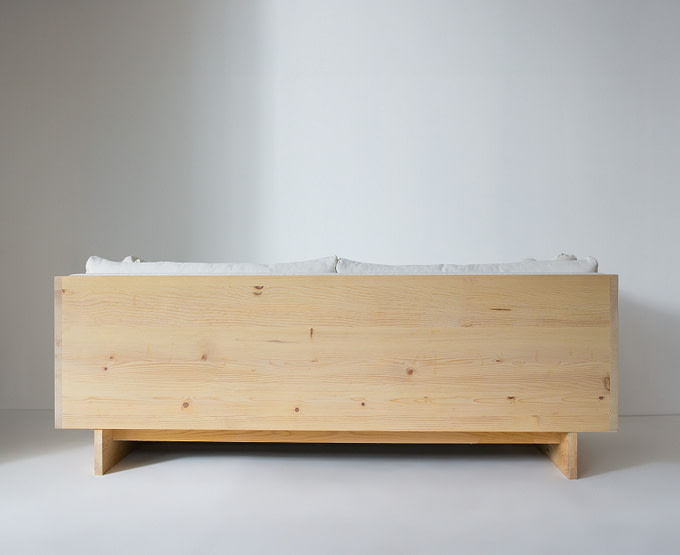
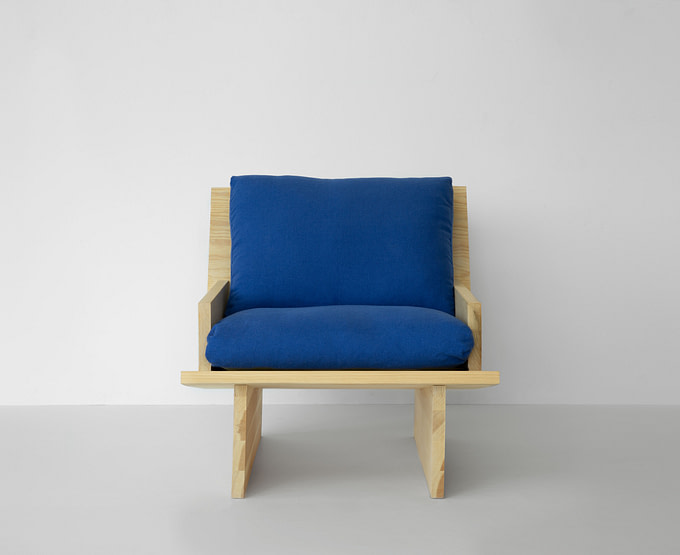
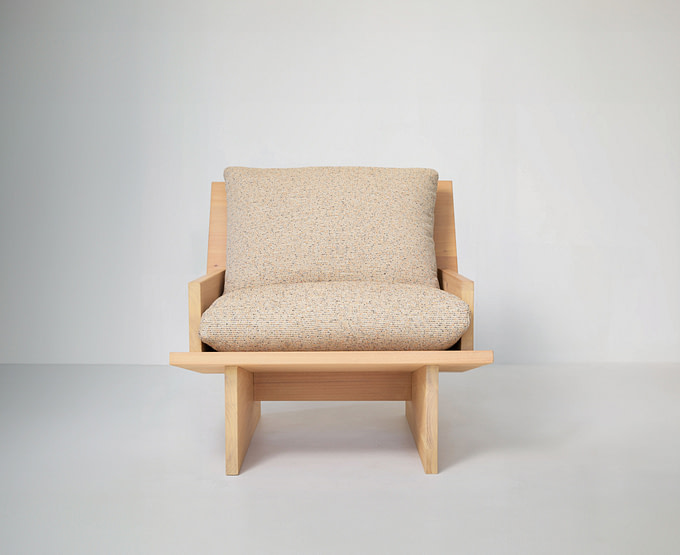
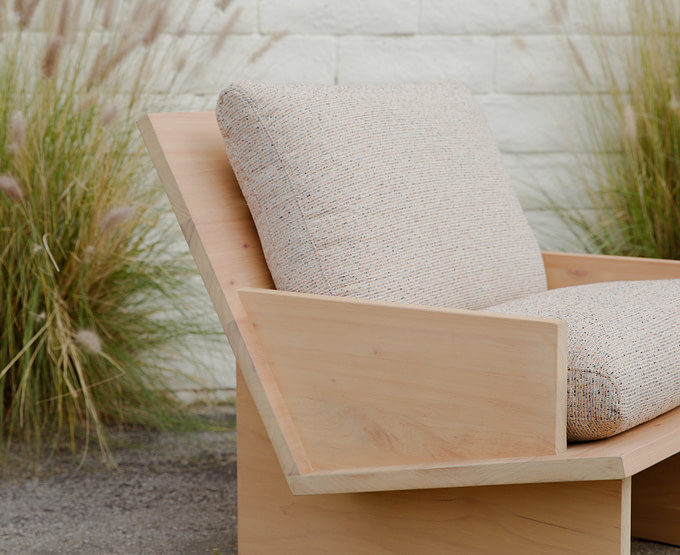
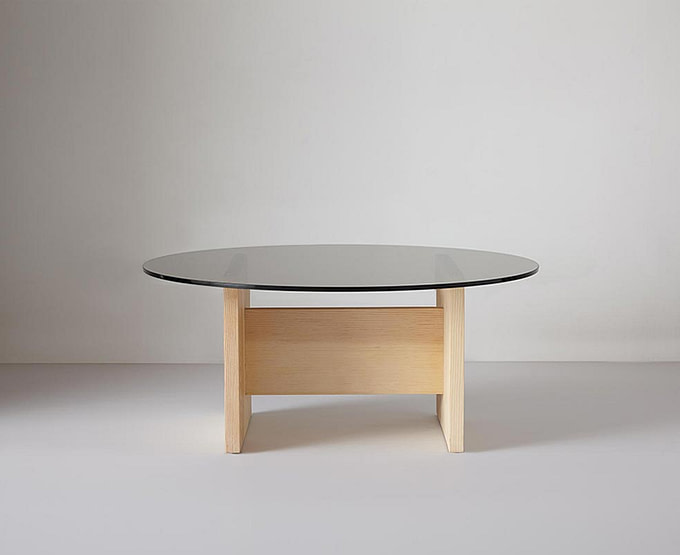
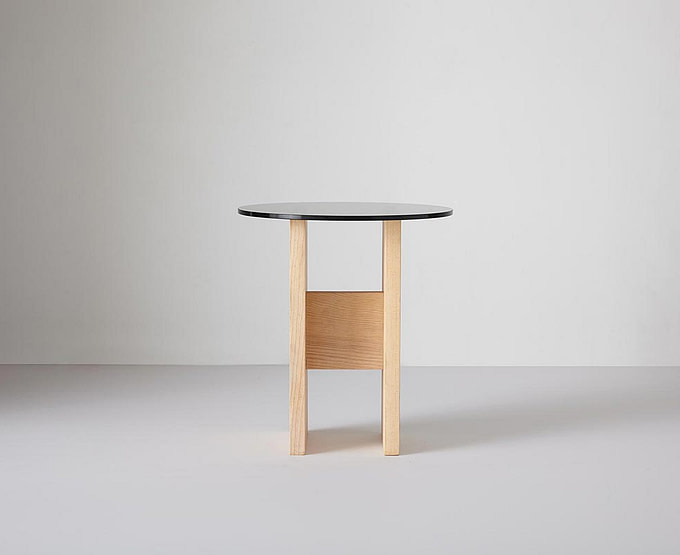
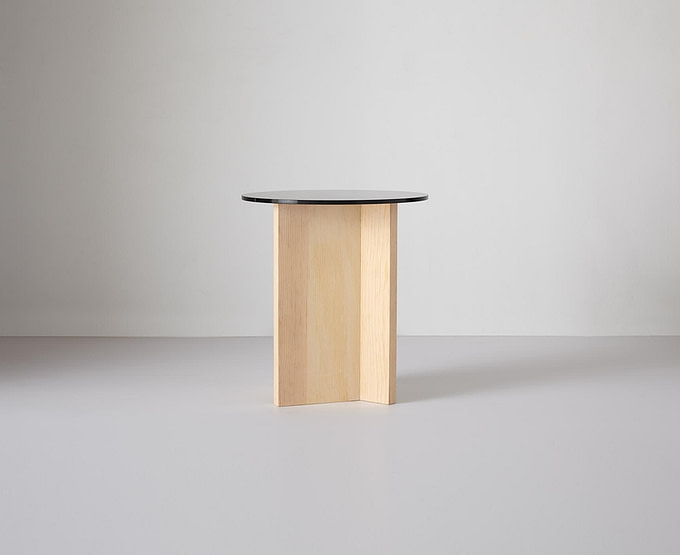
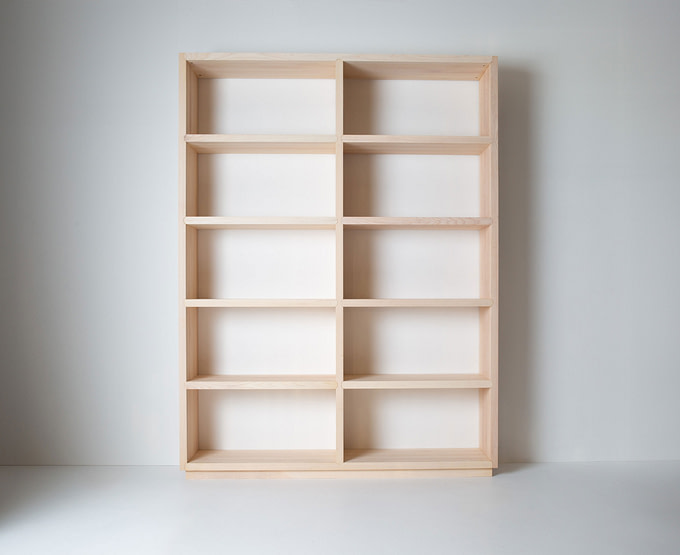
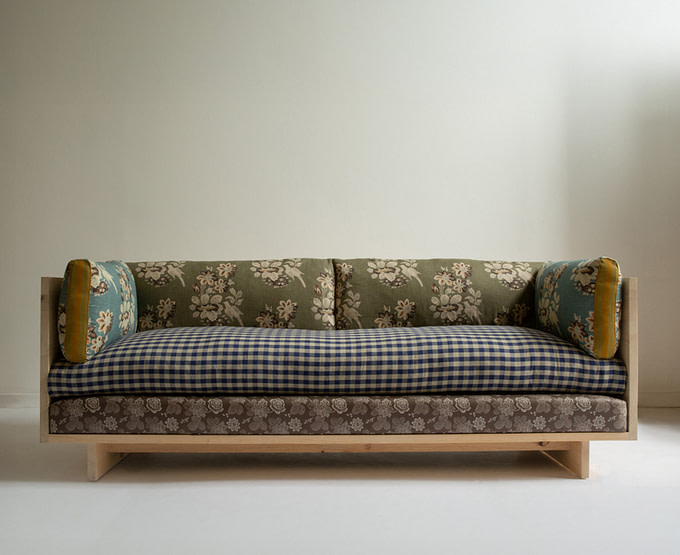
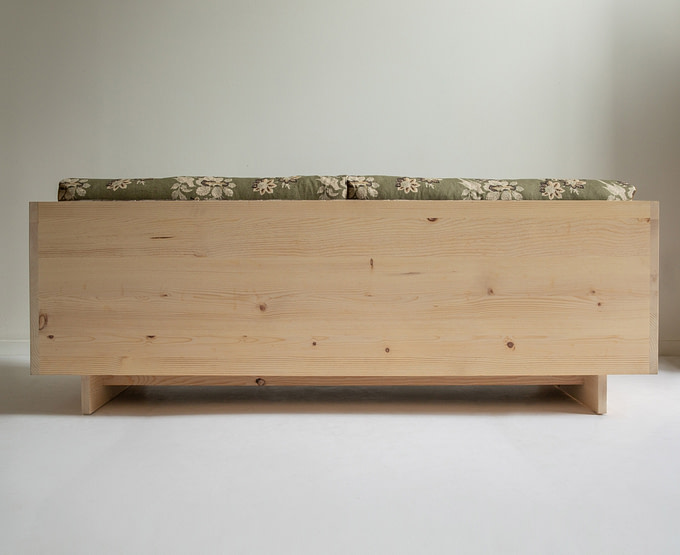
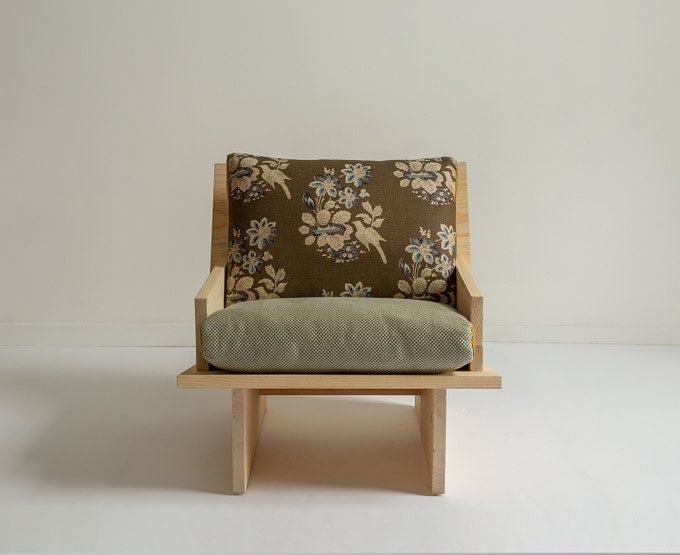
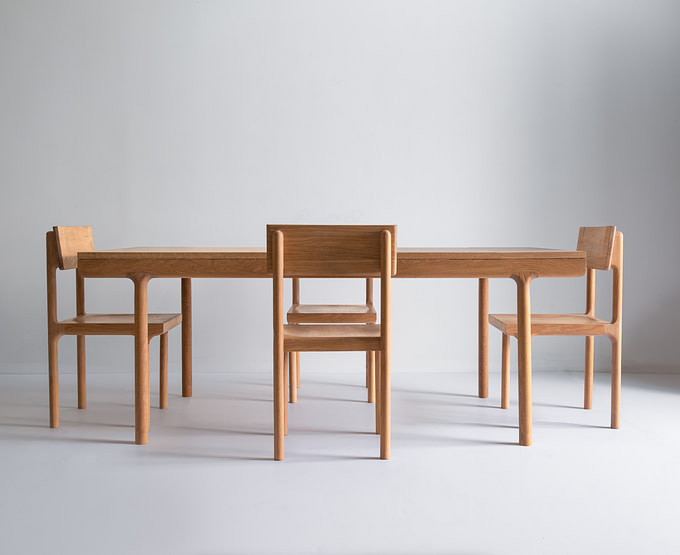
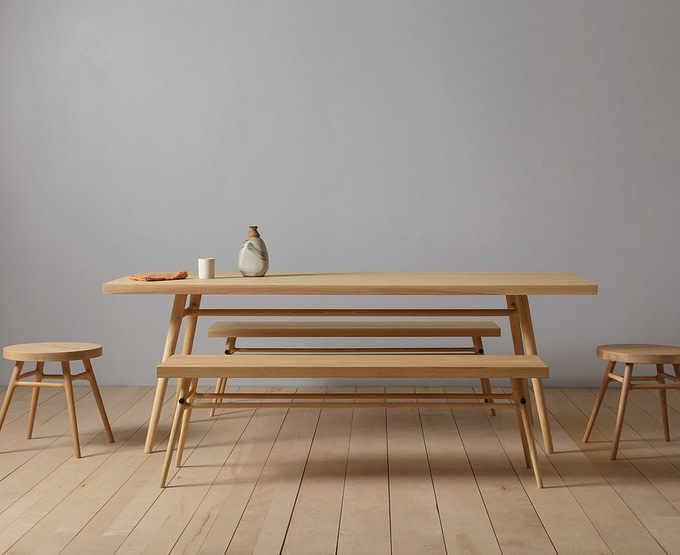
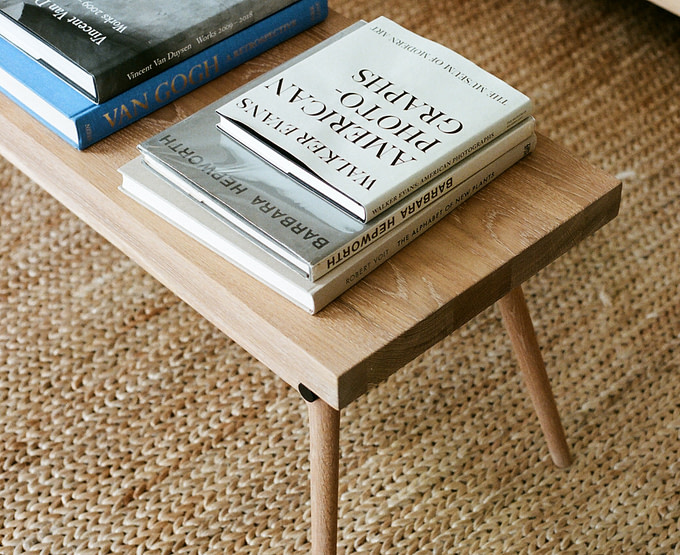
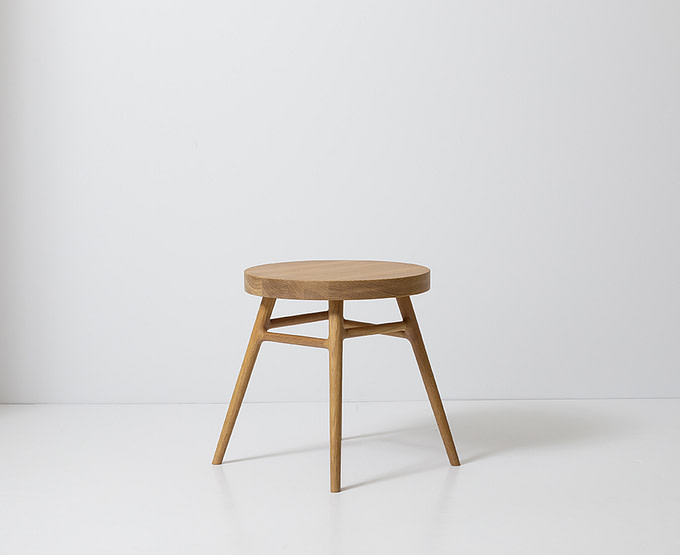
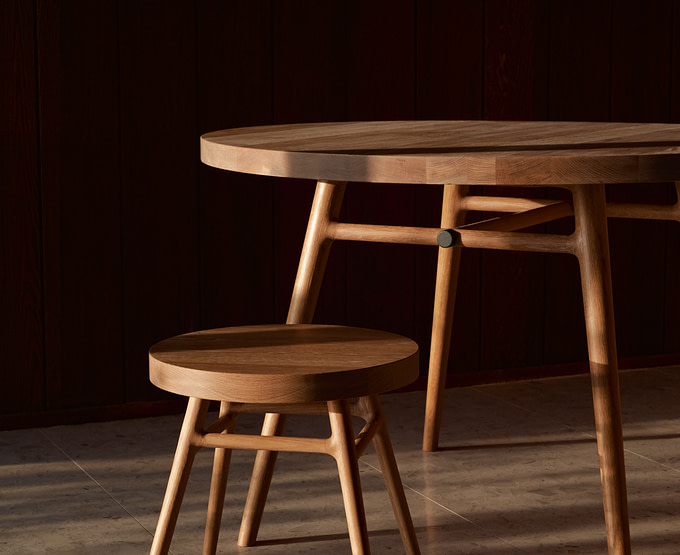
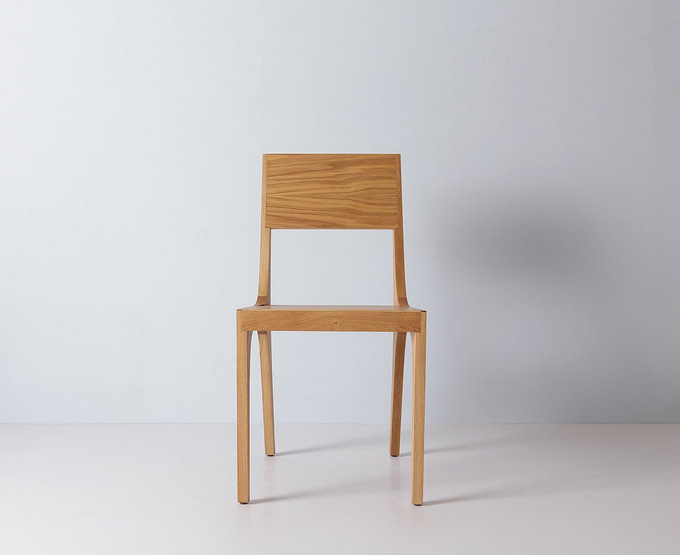
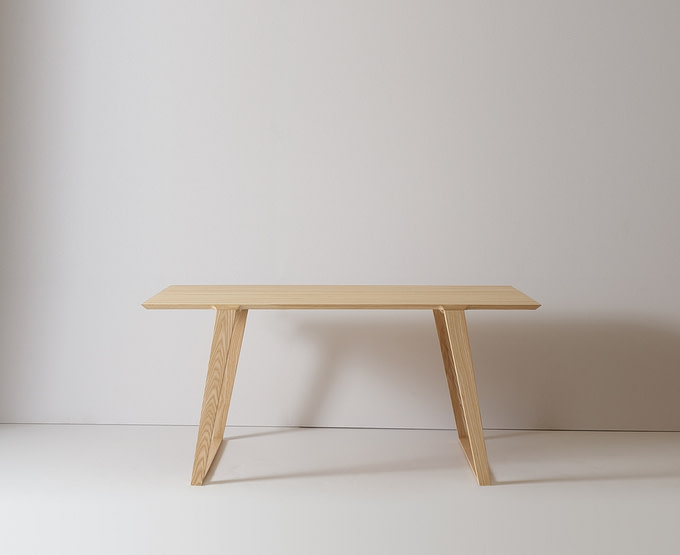
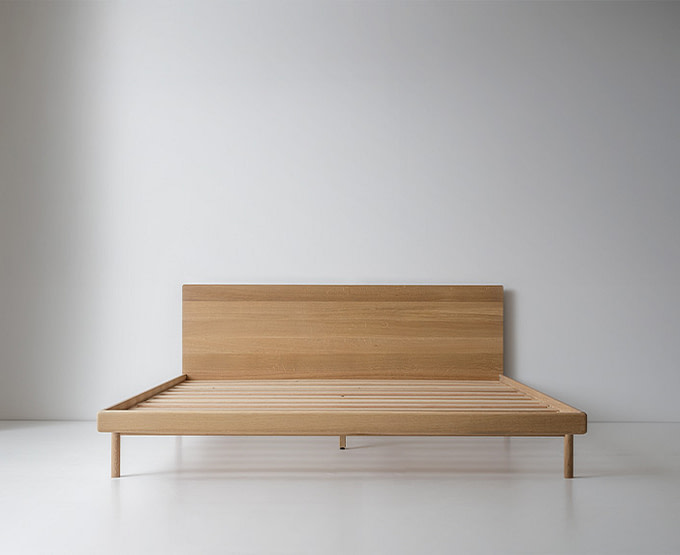
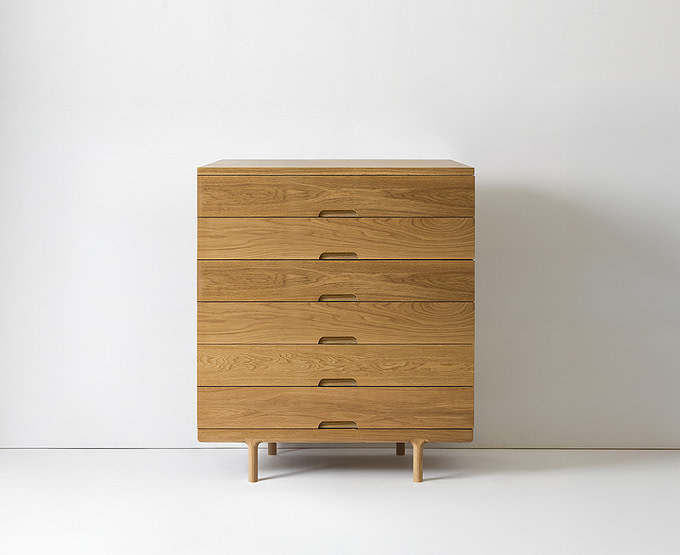
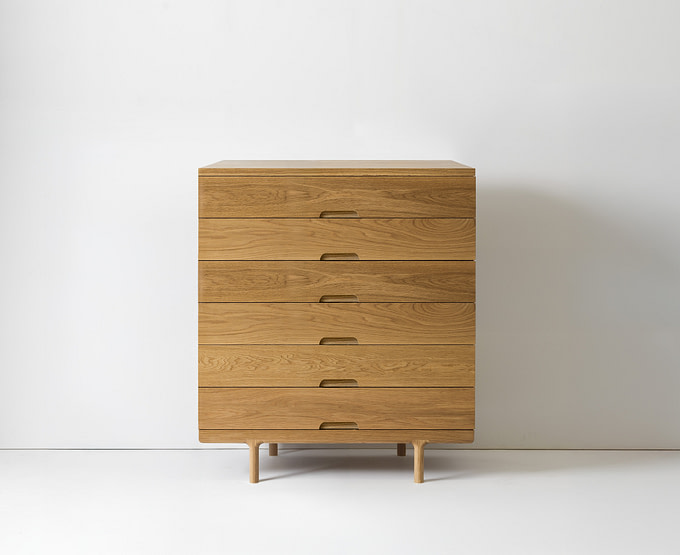
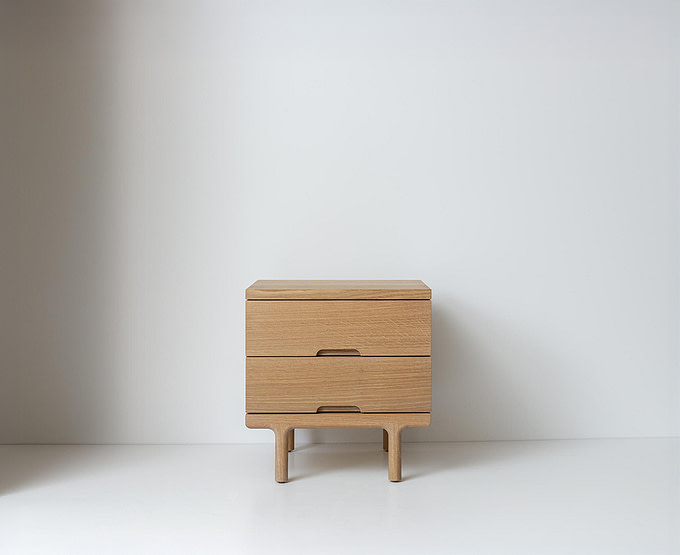
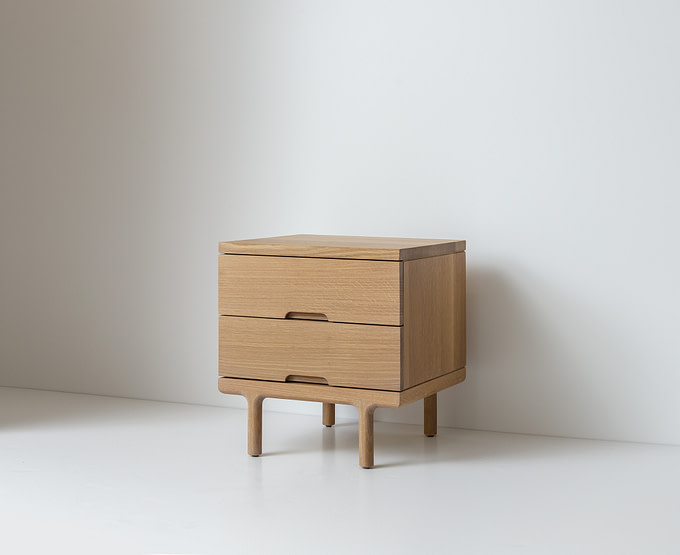
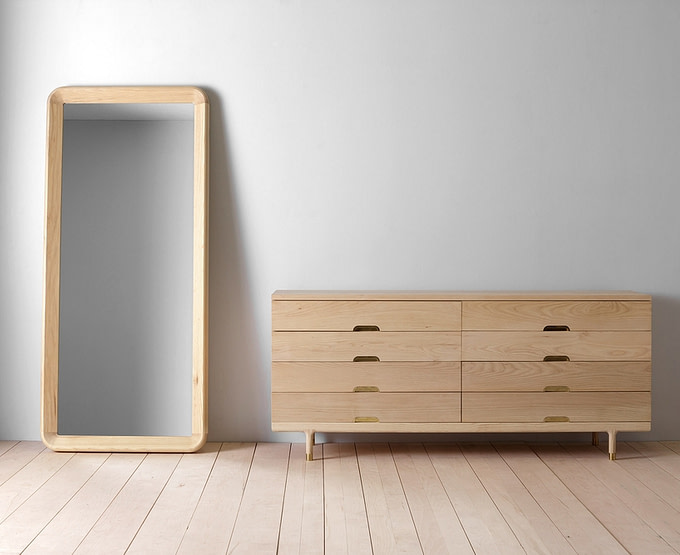
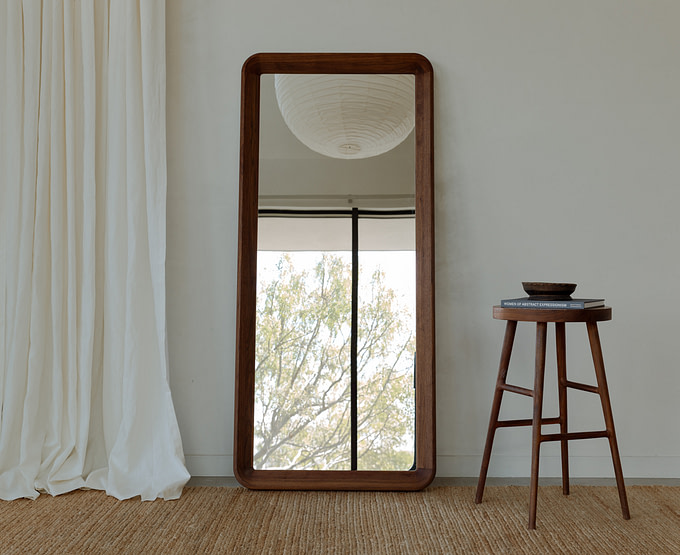
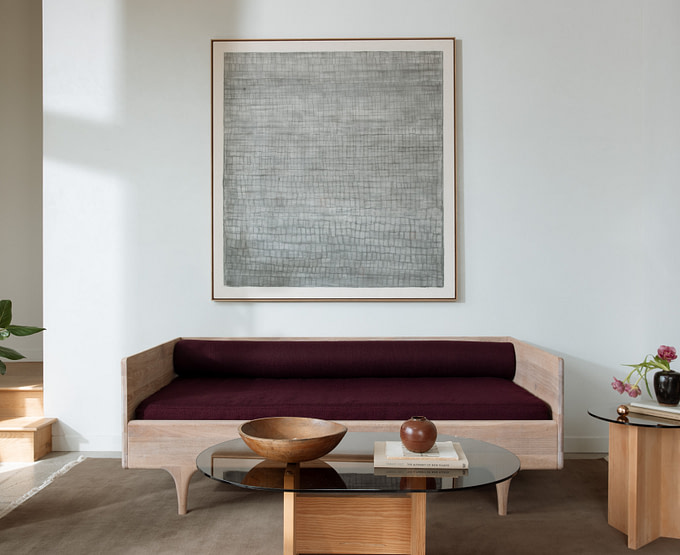
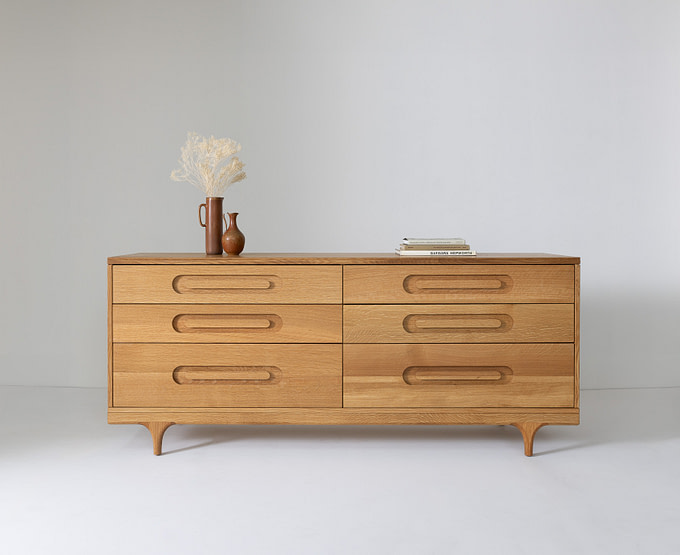
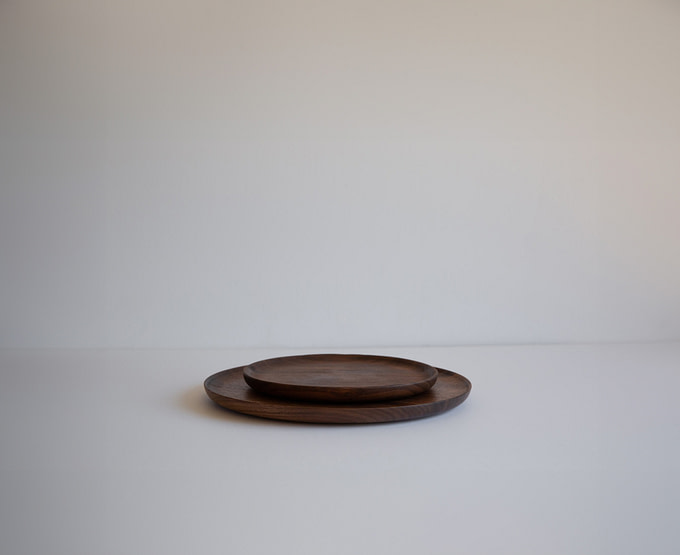
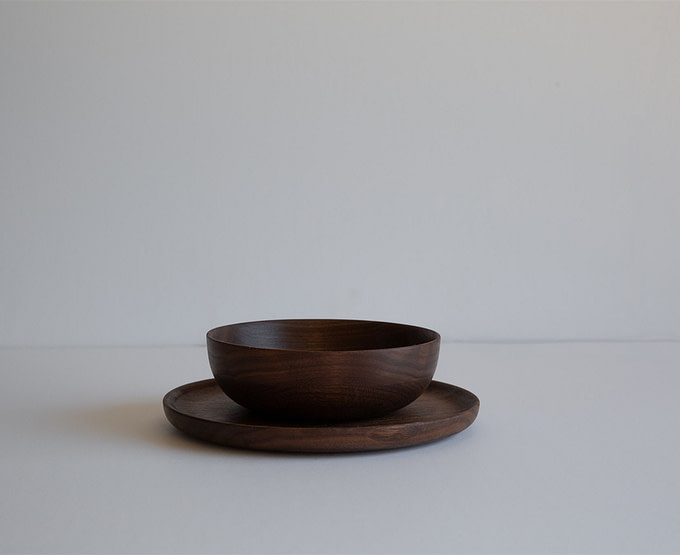
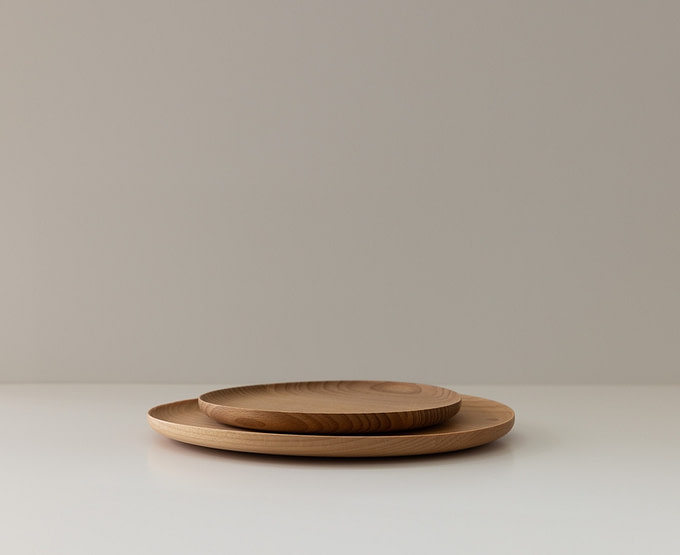
As designers, we are of course inspired by the idea of deepening the bond we have with objects. After all, an arrangement of objects is only made powerful by the nature of its individual components, the sum of its parts — tangible and intangible. It’s why we bring such consideration to all stages of our practice and every decision we make, from material selection to the books stacked atop a coffee table in a campaign image. By doing so, our intent is to imbue in our pieces a material and spiritual integrity — one that invites richer resonance and narrative from the very beginning.